Genres
Artists
Albums
Make Music
Sign in
Sign in
Artists
Classical
Artists
Classical
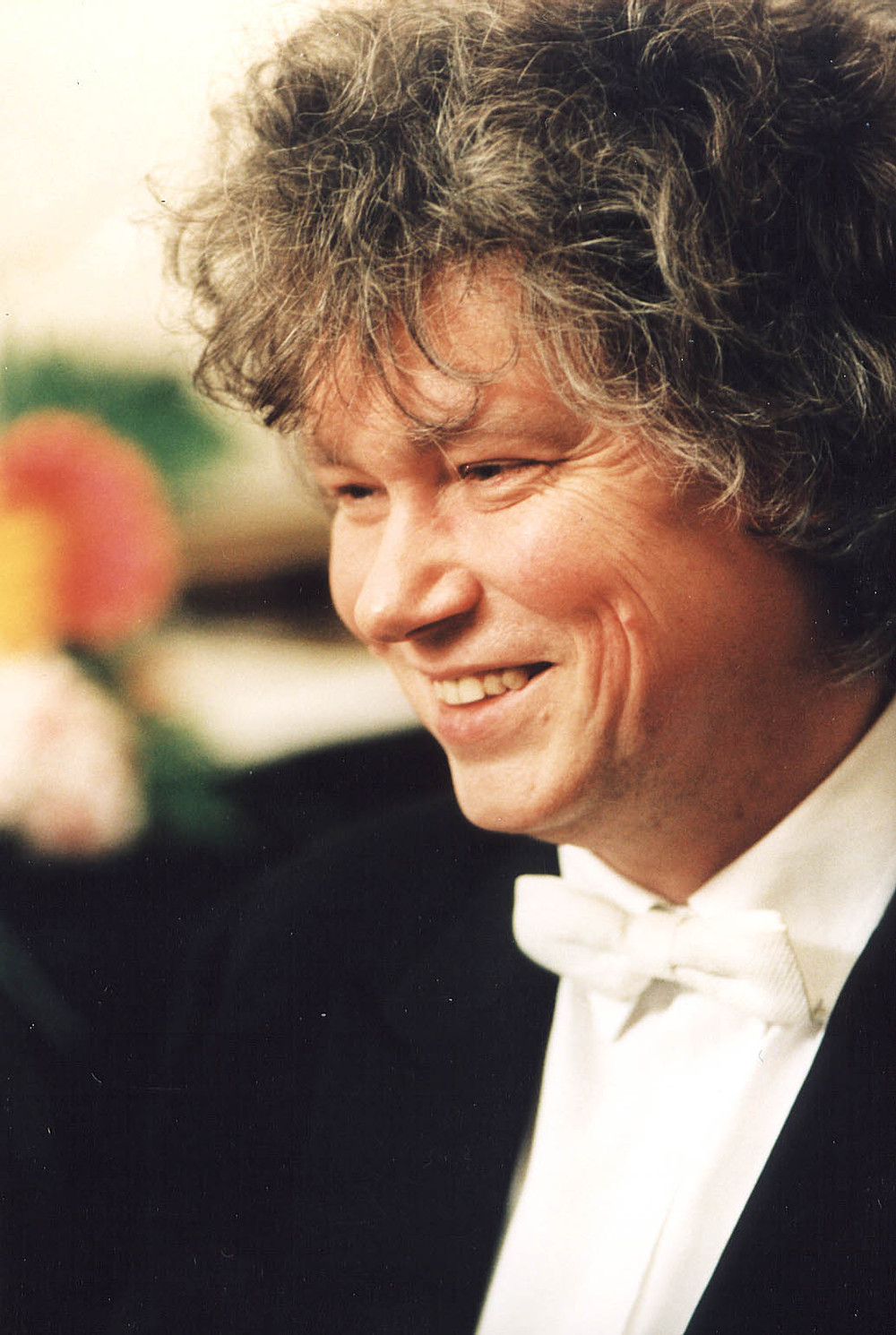
Zoltán Kocsis
1984
·
1 album
Listen
2
/5
Genres
Impressionism
Impressionism in music is a late-19th- and early-20th-century style that prioritizes color, atmosphere, and suggestion over overt drama and functional harmonic progressions. Originating in France, it parallels the visual arts movement in its fascination with light, timbre, and fleeting impressions. Musically, the style favors modal, pentatonic, and whole‑tone materials; parallel (planed) chords; unresolved dissonances; and ambiguous tonal centers. Rhythms are flexible and often blur a sense of strong meter, while textures shimmer through delicate orchestration, pedal tones, and arpeggiated figures. Rather than strict sonata designs, impressionist works tend to be episodic, evocative, and programmatic, conjuring landscapes, water, night, and dreamlike states.
Discover
Listen
Hungarian Classical Performance
Hungarian classical performance refers to the characteristic performance-practice tradition that grew out of Hungary’s classical music culture and its deep dialogue with local folk idioms. It blends the rigor of European concert music with distinctive Hungarian elements such as parlando-rubato phrasing, sharply profiled dance rhythms (verbunkos and csárdás), and a highly expressive, speech-like tone. In this style, string playing often favors a vibrant, singing sound with flexible tempo and incisive articulation; pianism tends toward brilliant passagework, rhetorical rubato, and idiomatic ‘Gypsy scale’ colorings. Conductors and ensembles emphasize clarity of rhythm, tight ensemble, and a potent sense of drama, all while allowing folkloric inflection—ornaments, snaps, and elastic timing—to shape the line.
Discover
Listen
Classical Piano
Classical piano is the tradition of composing and performing music for the acoustic piano within the Western classical lineage. It emphasizes formal clarity, tonal harmony, contrapuntal writing, and expressive nuance across the full compass of the instrument. Its core repertoire ranges from Classical-era sonatas and variations to Romantic character pieces, études, dances, and 20th-century impressionistic and modernist works. Pianists exploit dynamics, articulation, pedaling, and touch to shape phrases, imitate orchestral textures, and project both intimate lyricism and large-scale drama.
Discover
Listen
Classical
Classical music is the notated art-music tradition of Europe and its global descendants, characterized by durable forms, carefully codified harmony and counterpoint, and a literate score-based practice. The term “classical” can refer broadly to the entire Western art-music lineage from the Medieval era to today, not just the Classical period (c. 1750s–1820s). It privileges long-form structures (such as symphonies, sonatas, concertos, masses, and operas), functional or modal harmony, thematic development, and timbral nuance across ensembles ranging from solo instruments to full orchestras and choirs. Across centuries, the style evolved from chant and modal polyphony to tonal harmony, and later to post-tonal idioms, while maintaining a shared emphasis on written notation, performance practice, and craft.
Discover
Listen
Albums
1984
2
/5
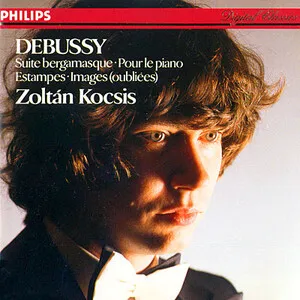
Suite bergamasque; Pour le piano; Estampes; Images (Oubliées)
Claude Debussy / Zoltán Kocsis
Impressionism
Similar artists
1
/5
Various Artists
Afro-Funk
Alternative Rock
Ambient
3
/5
András Schiff
Classical
Classical Piano
Hungarian Classical Performance
3
/5
Jenő Jandó
Classical
Classical Piano
Hungarian Classical Performance
4
/5
Johann Sebastian Bach
Baroque
Classical
Baroque Suite
4
/5
Wolfgang Amadeus Mozart
Classical
Requiem
Classical Period
4
/5
Claude Debussy
Impressionism
Classical
Classical Piano
4
/5
Erik Satie
Impressionism
Classical
Neoclassicism
4
/5
Daniel Barenboim
Impressionism
Classical
Chamber Music
4
/5
Víkingur Ólafsson
Classical
Classical Piano
Minimalism
4
/5
Maurice Ravel
Impressionism
Classical
Neoclassicism
Download our mobile app
Get the Melodigging app and start digging for new genres on the go
Download on the App Store
Get it on Google Play
© 2026 Melodigging
Give feedback
Legal
Melodding was created as a tribute to
Every Noise at Once
, which inspired us to help curious minds keep digging into music's ever-evolving genres.