Genres
Artists
Albums
Make Music
Sign in
Sign in
Artists
Dark Pop
Artists
Dark Pop
Zella Day
2012
·
1 album
Listen
3
/5
Genres
Dark Pop
Dark pop is a moody, minor‑key strain of pop that blends the hooks and structure of mainstream pop with the shadowy timbres of dark wave, trip hop, and alternative electronic music. It favors intimate, close‑mic vocals, cinematic ambience, and lyrics that explore vulnerability, power, and the unsettling edges of modern life. Production often leans on sub‑bass, sparse trap‑influenced drums, and glossy yet ominous synths, creating a high‑contrast sound that feels both confessional and theatrical. While radio‑friendly in form, dark pop emphasizes tension over euphoria: melodies linger in lower registers, harmonies use modal mixture, and textures deploy reverb, distortion, and sound‑design flourishes to evoke unease and melancholy.
Discover
Listen
Gauze Pop
Gauze pop is a hazy, soft‑focus strain of indie and electronic pop built around breathy vocals, blurred textures, and nostalgic synth palettes. The term evokes music that feels veiled—like hearing a pop song through gauze—where reverb, delay, chorus, and tape‑like warble soften contours and melt rhythms into a pastel wash. Musically it blends the tunefulness of synth‑pop and indietronica with the dreamy atmospherics of chillwave and dream pop. Tempo tends to sit in a relaxed mid‑range, drums are cushioned and low‑passed, and harmonies favor warm major‑7ths and add9 colors. The result is intimate, memory‑soaked pop that’s equal parts bedroom‑made and cinema‑wide.
Discover
Listen
Alt Z
Alt Z is a streaming-era microgenre of alternative pop associated with Gen Z aesthetics: intimate vocals, moody atmospheres, and glossy-yet-lo-fi electronic production. It fuses indie pop songwriting with electropop sheen, bedroom-pop intimacy, and soft trap/hip-hop inflected drums. The result is a polished but personal sound—breathy leads, subtle harmonies, textural synths, 808-style low end, and restrained guitar or piano motifs. Lyrically, Alt Z tends to be introspective and diaristic, dealing with anxiety, identity, romance, and internet-age coming-of-age themes. It is less about scene-based bands and more about internet-native artists whose careers grew through playlists, algorithms, and social platforms.
Discover
Listen
Post-Teen Pop
Post-teen pop is a strand of mainstream and alternative-leaning pop that emerges when teen-pop artists and their audiences age into early adulthood. The sound keeps the immediacy and melody of teen pop, but deepens the subject matter and broadens the production palette with alt-pop, electropop, R&B, and indie sensibilities. Songs typically feature glossy but tastefully restrained production, hook-forward toplines, and lyrics about independence, relationships with more nuance, and self-definition after adolescence. Compared with teen pop, tempos are slightly wider in range, beats can be moodier or more minimal, and synth textures and guitar or R&B inflections are more common.
Discover
Listen
Channel Pop
Channel pop is a digital-era strain of mainstream pop shaped by video and creator platforms—especially YouTube and later TikTok and Instagram—where artists build audiences through frequent uploads on their own “channels.” Musically it favors intimate, highly polished but close-mic’d vocals, acoustic guitar or piano-led arrangements, restrained beats, and succinct, playlist-friendly structures. Many releases are cover-first (reimagining recent chart hits) with a steady flow of glossy singles, session-style performances, and creator collaborations that gradually blend into original material. Titles, artwork, and release cadence are optimized for search and recommendation algorithms, yielding a sound that is simultaneously personal and platform-aware.
Discover
Listen
Lilith
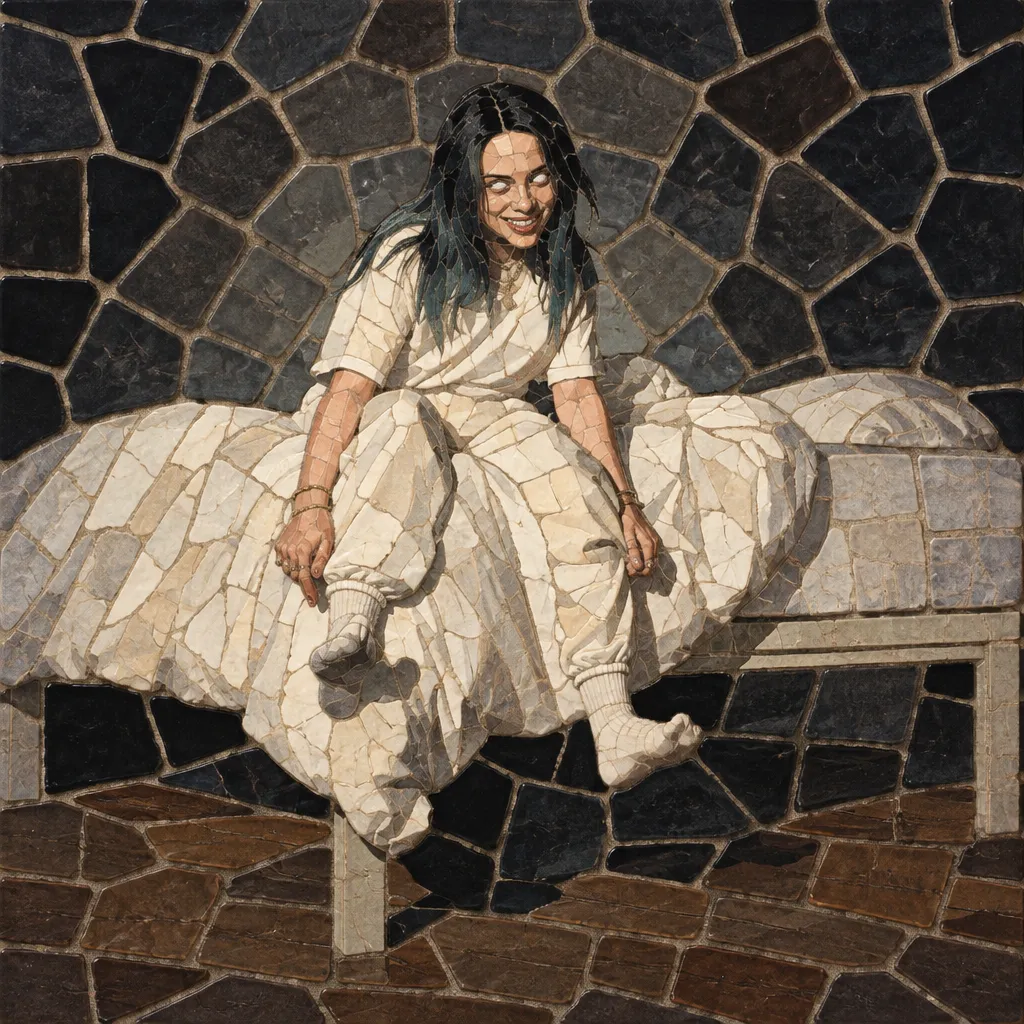
Lilith is a mood-driven, internet-native microgenre that blends dark, feminine alternative pop with elements of trip hop, dream pop, witch house, and ethereal wave. It favors breathy or intimate vocals drenched in reverb, slow to mid-tempo grooves, spectral pads, and cinematic, minor-key harmonies that evoke occult, gothic, or mythic imagery. The overall sound is bass-forward yet gauzy: sub-heavy 808s or dusty breakbeats sit under shimmering guitars, distant choirs, and textural synths. Lyrically, Lilith leans into vulnerability, power, hauntings, and desire—frequently framed through confessional writing and ritual or nocturnal symbolism. It’s less a scene tied to a single city than a streaming-era aesthetic, cohering through playlists and social media communities.
Discover
Listen
Writing
Writing is a functional, streaming-era microgenre designed to support reading and writing by providing an unobtrusive sonic backdrop. It favors gentle dynamics, sparse textures, and a stable emotional temperature that reduces distraction while maintaining a subtle sense of flow. The sound palette commonly blends modern classical elements (felt piano, light strings), ambient pads and drones, soft post-rock guitars with long reverb tails, and understated downtempo or lo-fi rhythms. Tempos are typically slow to moderate (often 60–90 BPM) or pulse-free, with simple, repetitive motifs and gradual evolution rather than dramatic contrasts. Harmonically, it leans on consonant, slowly changing chords, modal centers, and extended triads for warmth, avoiding sharp dissonance or sudden modulations. Vocals, when present at all, are wordless; most tracks are instrumental to preserve focus.
Discover
Listen
Indie Poptimism
Indie poptimism is a pop-leaning strain of indie music that embraces the craft, hooks, and sheen of mainstream pop while retaining indie values like personal songwriting, alternative aesthetics, and scene-based discovery. The style typically features bright, concise song structures, melodic choruses, and accessible production (often drawing from synth-pop, dance-pop, and contemporary R&B), but is framed within indie album culture, blogs, tastemakers, and later streaming-era playlists. In practice, indie poptimism is less a single sound than a shared attitude: treating pop as something to celebrate and borrow from (rather than reject), while keeping an indie sensibility in lyrics, performance, and community.
Discover
Listen
Electropop
Electropop is a branch of pop music that foregrounds electronic instruments—especially synthesizers, drum machines, and sequencers—to deliver catchy, hook-driven songs. It preserves the verse–pre-chorus–chorus architecture and melodic immediacy of pop while replacing most traditional band instrumentation with programmed rhythms, synthetic bass lines, and glossy textures. The style emphasizes earworm toplines, precise rhythmic grids, and tightly produced arrangements that often highlight contrast between minimal, punchy verses and expansive, anthemic choruses. Timbres range from warm analog pads and arpeggiators reminiscent of the late 1970s/early 1980s to ultra-modern, hyper-detailed sound design, making electropop both retro-leaning and future-facing depending on the artist.
Discover
Listen
Show all 9 genres
Albums
2012
3
/5
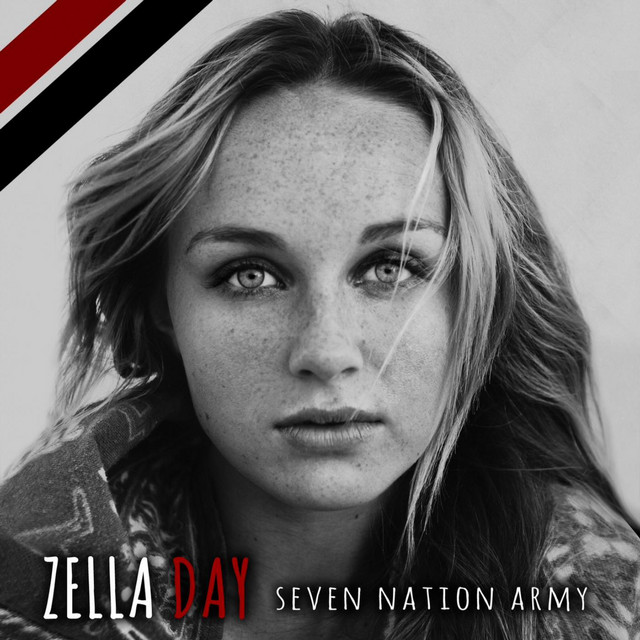
Seven Nation Army
Zella Day
Indie Poptimism
Electropop
Similar artists
5
/5
Halsey
Etherpop
Electropop
Indie Poptimism
1
/5
Various Artists
Afro-Funk
Alternative Rock
Ambient
5
/5
Melanie Martinez
Electropop
Pop
Dark Pop
3
/5
Terror Jr
Alt Z
Electropop
Indie Poptimism
5
/5
Ariana Grande
Pop
Contemporary R&b
Trap Soul
5
/5
Kanye West
Hip Hop
Pop Rap
Rap
5
/5
Billie Eilish
Art Pop
Pop
Alternative Pop
5
/5
Lady Gaga
Pop
Art Pop
Dance-Pop
5
/5
Maroon 5
Pop
Pop Rock
Alternative Rock
5
/5
Doja Cat
Dance-Pop
Pop
Pop Rap
Download our mobile app
Get the Melodigging app and start digging for new genres on the go
Download on the App Store
Get it on Google Play
© 2026 Melodigging
Give feedback
Legal
Melodding was created as a tribute to
Every Noise at Once
, which inspired us to help curious minds keep digging into music's ever-evolving genres.