Genres
Artists
Albums
Make Music
Sign in
Sign in
Artists
Anime
Artists
Anime
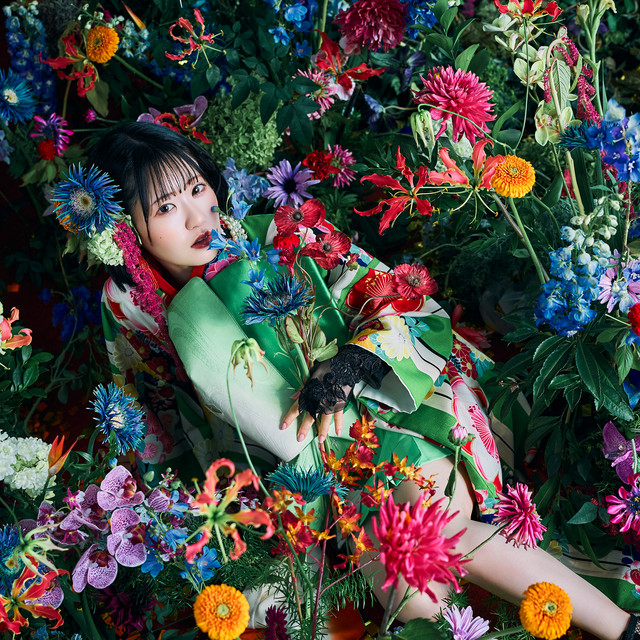
Yui Ogura
2022
·
1 album
Listen
2
/5
Genres
Jirai Kei
Jirai kei is a recent Japanese internet-born pop micro‑genre and aesthetic that blends cute, sugary sounds with darker, obsessive and self‑destructive themes. The term comes from a fashion/aesthetic scene associated with yamikawaii and menhera culture, and in music it describes songs that sound soft and adorable on the surface but conceal lyrics about toxic love, dependency, jealousy, and emotional volatility. Sonically, jirai kei draws from J‑pop and Vocaloid traditions (denpa/picopop brightness, catchy hooks) while adopting modern hyperpop gloss, trap/EDM percussion, and highly edited, youthful vocals. The contrast between childlike, pastel timbres and intense, confessional writing is central to the style, making it both immediately hooky and emotionally sharp—an audio embodiment of “cute but dangerous.”
Discover
Listen
Kawaii Future Bass
Kawaii future bass is a Japanese-born microgenre that blends the sidechained, chord-heavy drops of future bass with the cheery melodies, cute sound design, and pop sensibilities of J-pop, anime music, and game-inspired chiptune. It typically features bright supersaw stacks, bell and mallet plucks, high-pitched vocal chops (often from Vocaloid or J-pop/utaite sources), and sugary melodies in major or Lydian modes. Drums follow a half-time trap groove with crisp snares on beat three, while heavy sidechain compression creates a buoyant, bouncy feel. The aesthetic emphasizes “kawaii” (cute) culture—pastel tones, playful samples, and whimsical ear-candy—resulting in upbeat, feel-good tracks that are as much about personality and texture as they are about harmony and rhythm.
Discover
Listen
J-Pop
J-pop (Japanese pop) is a broad umbrella for mainstream Japanese popular music that blends Western pop/rock, dance, and R&B with distinctly Japanese songwriting, vocal delivery, and industry practices. It is characterized by strong hooks, polished production, bright synths and guitars, frequent key changes and modulatory bridges, and chorus-first or chorus-centric structures. J-pop spans idol groups, singer-songwriters, band-oriented pop-rock, electronic dance-pop, and R&B ballads, while remaining closely tied to television, advertising, video games, and anime tie-ins (anisong).
Discover
Listen
Seiyu
Seiyu (Japanese: 声優) music is the body of pop songs recorded and performed by Japanese voice actors and actresses. It includes character songs sung “in character,” as well as artist-branded singles and albums released under their real names. Because seiyu often voice roles in anime and games, their music is tightly connected to anime opening/ending themes and franchise “character song” releases. Stylistically it sits inside mainstream J‑pop: bright melodies, hook-forward choruses, polished electronic or band arrangements, and high-clarity vocals. A defining aesthetic is expressive delivery—switching timbre, diction, and emotional color to reflect character traits—alongside idol-culture presentation (fan calls, group choreography, meet & greet events). Releases frequently appear in both short “TV size” (≈90 seconds) and full versions, mirroring anime broadcast formats. The scene operates within Japan’s media‑mix industry: voice work, radio shows, stage events, live tours, and merchandising reinforce each other, making seiyu music a core engine of contemporary anime pop culture.
Discover
Listen
Anime
Anime (often called "anisong" for vocal themes) is the umbrella term for songs and scores created for Japanese animation, including opening/ending themes and background music. It blends contemporary J‑pop/J‑rock songwriting with dramatic orchestral scoring and modern electronic production, aiming for instantly memorable hooks and emotionally charged climaxes tailored to a show's narrative and characters. Stylistic hallmarks include high-register, expressive vocals; tight, hook-forward structures (especially 90-second “TV size” versions); bright, polished production; and frequent late-song key changes. Arrangements often hybridize rock bands, strings, brass, and EDM textures to deliver cinematic impact, while lyrics favor aspirational, metaphor-rich imagery that mirrors the series’ themes.
Discover
Listen
Kawaii Edm
Kawaii EDM appears on Every Noise at Once, a map of genres Spotify identified, and in The Sounds of Spotify’s playlist “The Sound of Kawaii EDM”; little is written about it. The music tends to be bright, energetic electronic dance music, built from punchy kicks, crisp snares or claps, synth bass and vivid lead melodies. Some tracks drive forward on four-on-the-floor beats, while others use fast breakbeats or syncopated half-time grooves. Piano chords and arpeggios sit alongside shimmering, layered synths; builds often use snare rolls and noise sweeps. The production is typically loud and polished, with synths and bass pumping against the kick drum. Vocals range from high-register Japanese singing to chopped, pitch-shifted phrases used as rhythmic and melodic textures; some tracks are instrumental. The mood is often euphoric and playful, with catchy melodies and fast or very fast rhythms. Its artists are also associated with future bass, with its woozy synths, melodic chords and syncopated percussion, and happy hardcore, with its uplifting piano and fast dance beats. The playlist spans those styles and electronic pop, rather than keeping to one drum pattern or speed. Titles appear in both Japanese and English, and the releases listed range from 2013 to 2024.
Discover
Listen
Albums
2022
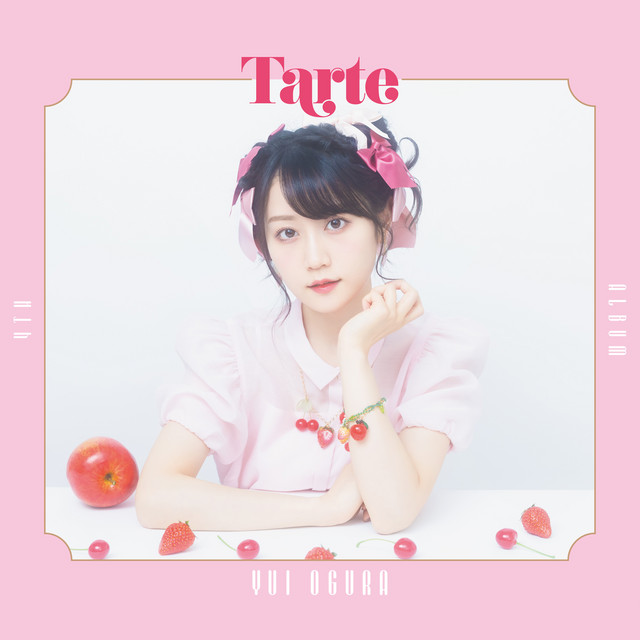
Tarte
Yui Ogura
Seiyu
Similar artists
3
/5
TrySail
Anime
J-Pop
Seiyu
3
/5
i☆Ris
Anime
J-Pop
Seiyu
2
/5
Akari Kito
J-Pop
Anime
Anime Cv
2
/5
Yui Horie
Anime
J-Pop
J-Idol
2
/5
Maaya Uchida
Anime
J-Pop
Seiyu
2
/5
Nao Toyama
Anime
J-Pop
Seiyu
2
/5
Saori Hayami
Anime
Seiyu
J-Pop
2
/5
渕上 舞
Anime
Seiyu
J-Pop
2
/5
伊藤美来
Anime
Seiyu
J-Pop
2
/5
斉藤 朱夏
Anime
Seiyu
J-Pop
Download our mobile app
Get the Melodigging app and start digging for new genres on the go
Download on the App Store
Get it on Google Play
© 2026 Melodigging
Give feedback
Legal
Melodding was created as a tribute to
Every Noise at Once
, which inspired us to help curious minds keep digging into music's ever-evolving genres.