Genres
Artists
Albums
Make Music
Sign in
Sign in
Artists
K-Rock
Artists
K-Rock
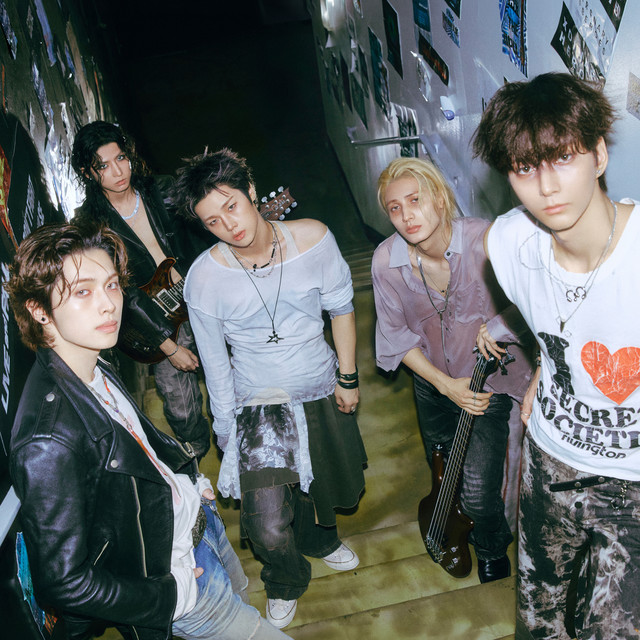
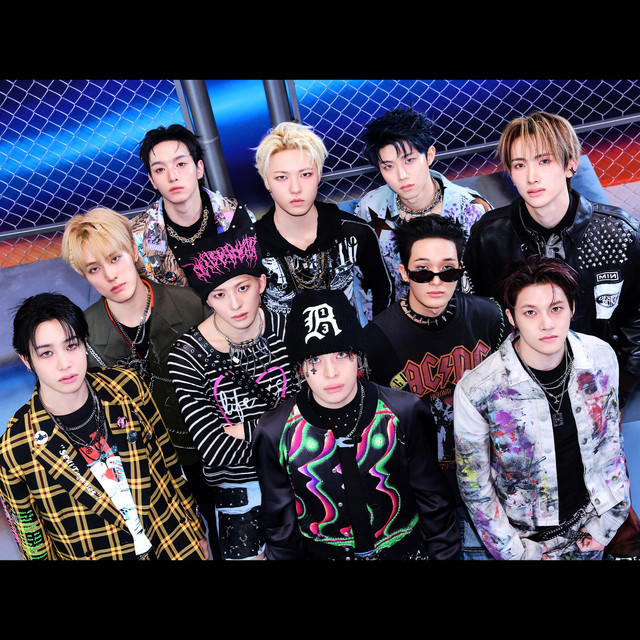
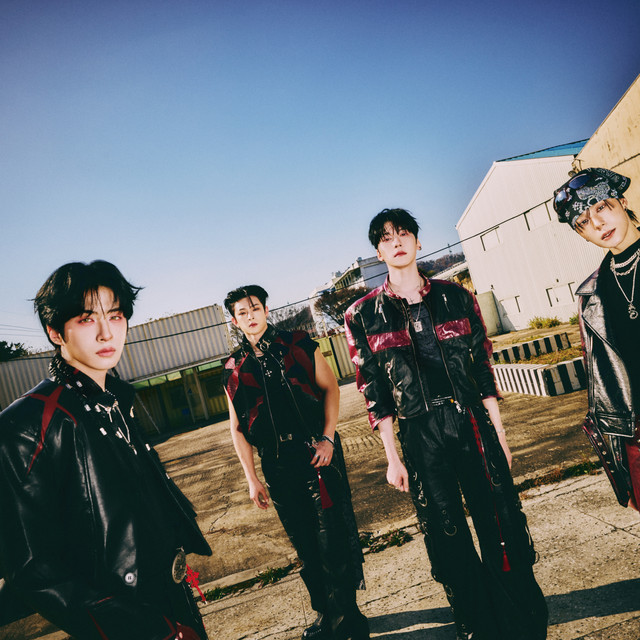
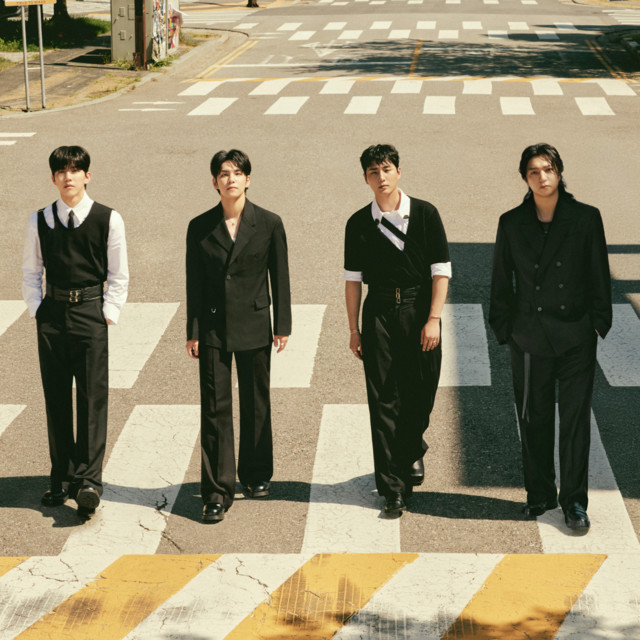
Xdinary Heroes
2023–2025
·
3 albums
Listen
4
/5
Genres
5th Gen K-Pop
“5th gen k-pop” refers to South Korea’s fifth wave of idol-led pop that emerged in the early–mid 2020s. It is characterized by short-form, hook-forward songwriting, hybrid production that borrows from global club styles (jersey club, future bass, drum & bass), and highly visual concepts designed for instant virality. Musically, it blends crisp electropop and dance-pop chassis with trap/hip‑hop cadences, R&B vocal stacking, and minimalist, percussive drops meant to spotlight choreography. Conceptually, it leans into everyday youth aesthetics and Y2K/retro nostalgia, prioritizing authenticity and approachable styling over the maximalist “lore” of earlier generations. Releases are optimized for social media cycles—multiple title tracks or rapid follow-ups, performance videos, and challenge-ready dance breaks—while still maintaining the polished vocal production, tight group synchronization, and high-end visuals that define k-pop.
Discover
Listen
Asian Rock
Asian Rock (in the contemporary online-rap sense) is a pluggnb-derived microstyle that fuses the dense, bouncy percussion of pluggnb with bright, anime/Asian-rock-tinged melodic cues. Production typically layers airy bells, mallet or synth plucks, and shimmering pads with soaring synthetic guitar leads that nod to Japanese rock and anime-score aesthetics. Vocals lean melodic—half-sung, half-rapped—with light autotune and emotive hooks, riding swung hi-hats, skipping rimshots, and rubbery 808 slides. Rather than a geographic tag, this style labels a sonic palette: internet-native trap built on pluggnb drums and glossy, nostalgic melodies that evoke anime openings and J-rock guitar heroics.
Discover
Listen
K-Pop
K-pop is a contemporary popular music genre from South Korea that blends Western pop, hip hop, R&B, electronic dance music, and local sensibilities into highly polished, multimedia-driven productions. It is characterized by hook-heavy songwriting, modular song structures with dynamic section changes, crisp choreography, concept-driven visuals, and intensive idol training systems. Songs frequently mix Korean with English phrases, employ layered vocal harmonies and rap breaks, and are supported by elaborate music videos and synchronized stage performances that are integral to the genre’s identity.
Discover
Listen
Noise
Noise is an experimental music genre that uses non-traditional sound sources, distortion, feedback, and extreme dynamics as primary musical materials. Instead of emphasizing melody, harmony, or conventional rhythm, it focuses on texture, density, timbre, and the physical presence of sound. Practitioners sculpt saturated walls of sound, piercing feedback, metallic clatter, contact-mic scrapes, tape hiss, and electronic interference into works that can be confrontational or meditative. Performances often highlight process and immediacy—improvisation, body movement, and site-specific acoustics—while recordings can range from lo-fi cassette overload to meticulously layered studio constructions. Though rooted in early avant-garde ideas, the genre coalesced as a distinct practice in the late 1970s and 1980s, especially through Japan’s ‘Japanoise’ scene, and subsequently influenced numerous styles across industrial, punk-adjacent, and experimental electronic music.
Discover
Listen
Metal
Metal (often used to mean heavy metal in its broad, umbrella sense) is a loud, guitar-driven style of rock defined by high-gain distortion, emphatic and often martial rhythms, and a dense, powerful low end. It foregrounds riff-based songwriting, dramatic dynamics, virtuosic guitar solos, and commanding vocals that range from melodic wails to aggressive snarls and growls. Harmonically, metal favors minor modes, modal color (Aeolian, Phrygian), chromaticism, and tritone-inflected tension, while thematically it explores power, mythology, the occult, social critique, fantasy, and existential subjects. While adjacent to hard rock, metal typically pushes amplification, distortion, precision, and thematic intensity further, forming a foundation for many specialized subgenres.
Discover
Listen
K-Rock
K-rock (Korean rock) is the umbrella term for rock music made in South Korea, spanning classic beat and garage, psychedelic and folk rock, hard rock and metal, punk, alternative, and modern indie and pop-rock. It typically blends guitar-driven textures and Western rock songcraft with Korean melodic sensibilities, clear vocal delivery, and lyrics that oscillate between youthful catharsis, social observation, and intimate storytelling. Production ranges from raw live-club energy to polished studio sheen, and some artists occasionally fold in traditional instruments or pentatonic turns that nod to Korean musical heritage. The scene is closely tied to live culture—especially the Hongdae club circuit—and to major rock festivals, with periodic crossovers into K-pop via idol bands and OST-friendly pop-rock.
Discover
Listen
Korean Rock
Korean rock is the broad umbrella for rock music created in South Korea. It took root when American rock and rhythm-and-blues were introduced around U.S. military bases during and after the Korean War, where local musicians learned repertoires, stagecraft, and instrumentation by playing for U.S. troops. In the 1960s, bands often called "Vocal Bands" or "Group Sound" adapted surf, garage, and Beat-era templates, then moved into psychedelic and folk-rock colors in the late 1960s and early 1970s. Military rule in the 1970s branded rock as a decadent youth culture and imposed censorship and crackdowns, pushing the scene underground. With liberalization in the 1980s, rock re-emerged in the mainstream—from ballad-rock and hard rock to early heavy metal—while the 1990s and 2000s saw a flourishing indie ecosystem around Seoul’s Hongdae district, spawning alternative, punk, and shoegaze scenes that continue to shape Korean guitar music today.
Discover
Listen
Rock
Rock is a broad family of popular music centered on amplified instruments, a strong backbeat, and song forms that foreground riffs, choruses, and anthemic hooks. Emerging from mid‑20th‑century American styles like rhythm & blues, country, and gospel-inflected rock and roll, rock quickly expanded in scope—absorbing folk, blues, and psychedelic ideas—while shaping global youth culture. Core sonic markers include electric guitar (often overdriven), electric bass, drum kit emphasizing beats 2 and 4, and emotive lead vocals. Rock songs commonly use verse–chorus structures, blues-derived harmony, and memorable melodic motifs, ranging from intimate ballads to high‑energy, stadium‑sized performances.
Discover
Listen
Show all 8 genres
Albums
2025
3
/5
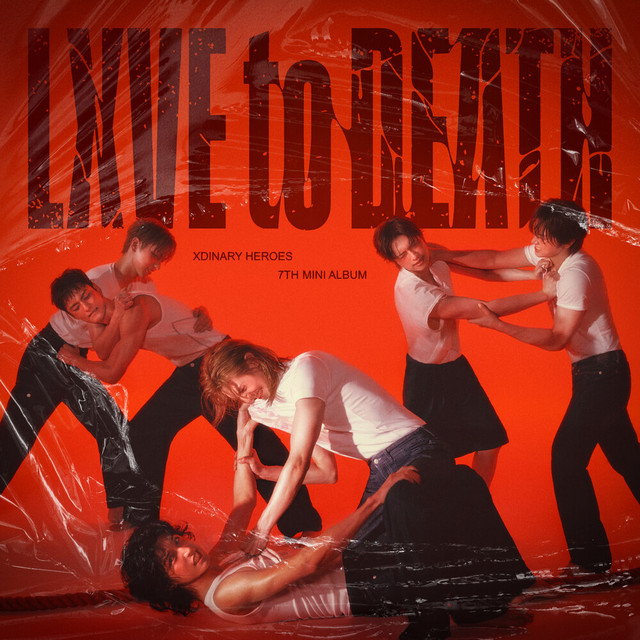
LXVE to DEATH
Xdinary Heroes
K-Rock
2024
3
/5
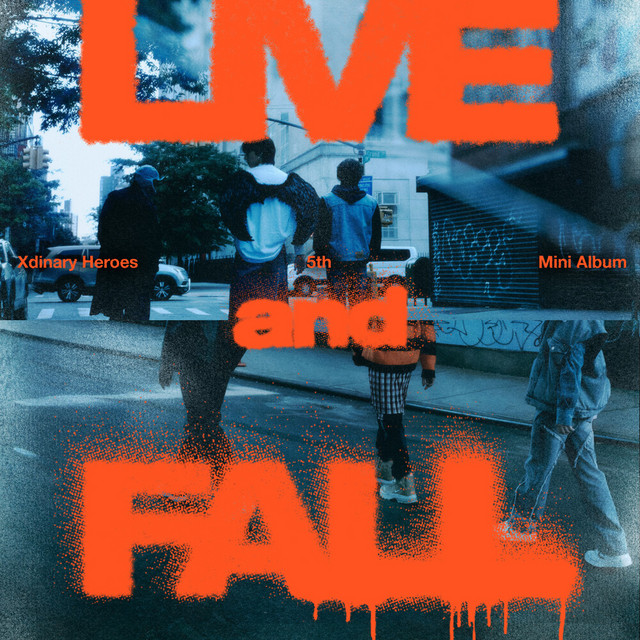
LIVE and FALL
Xdinary Heroes
K-Rock
2023
3
/5
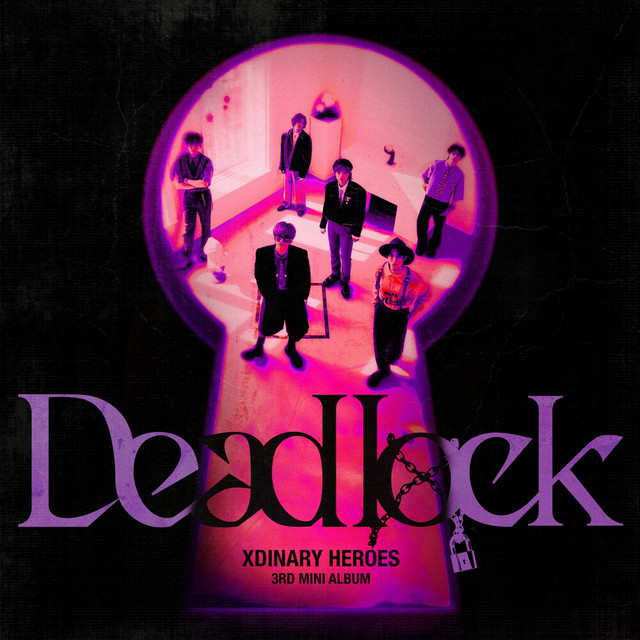
Deadlock
Xdinary Heroes
K-Rock
K-Pop
Similar artists
3
/5
xikers
K-Rock
K-Pop
Noise
3
/5
Dreamcatcher
K-Pop
K-Rock
Electronic
3
/5
ONEUS
K-Pop
K-Rock
Noise
3
/5
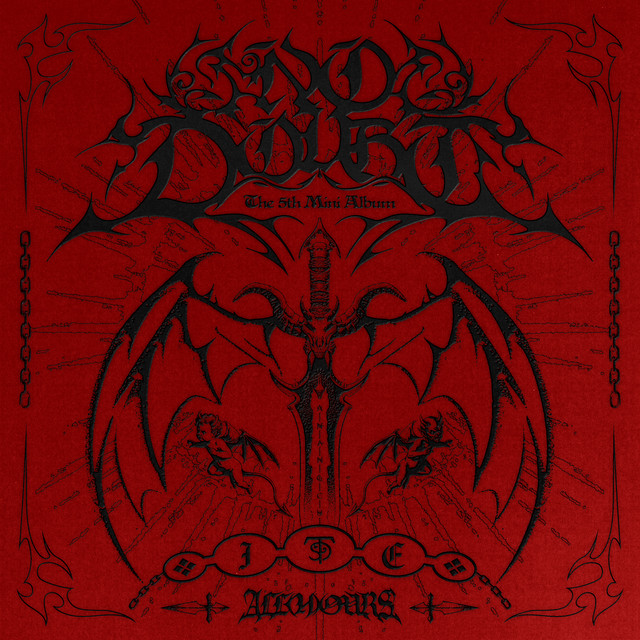
ALL(H)OURS
K-Pop
K-Rock
Noise
2
/5
BLITZERS
K-Pop
K-Rock
Noise
3
/5
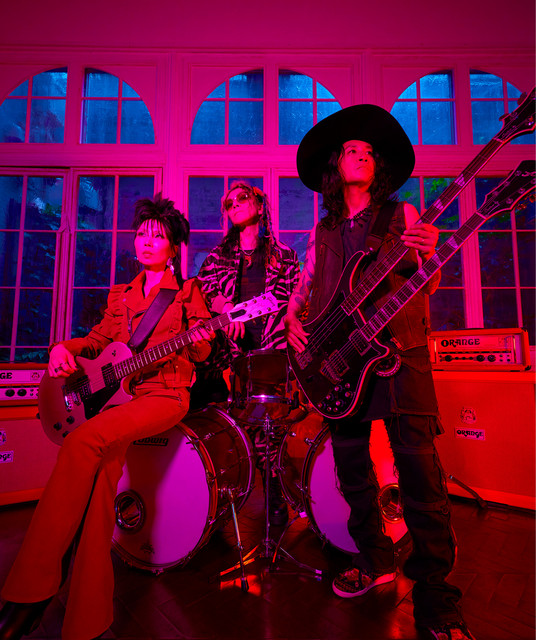
Boris
Gaian Doom
Drone
Drone Metal
1
/5
Various Artists
Afro-Funk
Alternative Rock
Ambient
3
/5
Mike Patton
Avant-Garde
Experimental
Italo Pop
2
/5
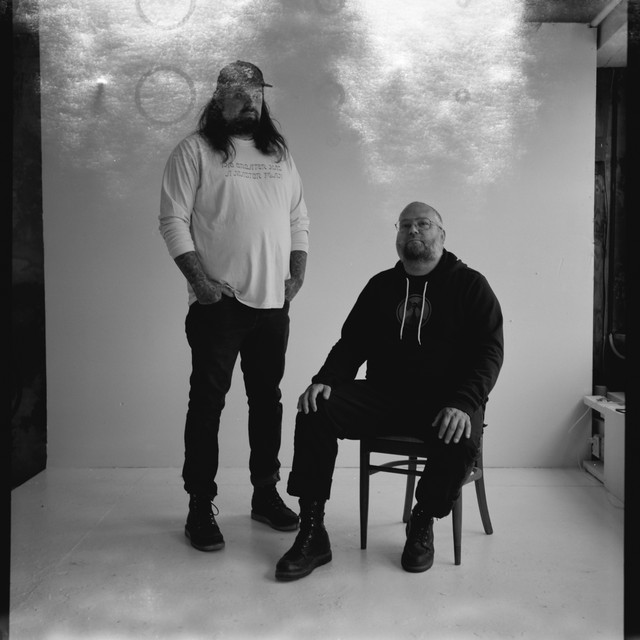
The Body
Death Industrial
Doom Metal
Sludge Metal
4
/5
DAY6
K-Rock
K-Pop
Shimmer Pop
Download our mobile app
Get the Melodigging app and start digging for new genres on the go
Download on the App Store
Get it on Google Play
© 2026 Melodigging
Give feedback
Legal
Melodding was created as a tribute to
Every Noise at Once
, which inspired us to help curious minds keep digging into music's ever-evolving genres.