Genres
Artists
Albums
Make Music
Sign in
Sign in
Artists
J-Rock
Artists
J-Rock
XAAXAA
Listen
3
/5
Genres
Diy Emo
DIY emo is a grassroots, home-recorded and community-driven branch of contemporary emo that blends twinkly Midwest-emo guitar work, confessional lyricism, and pop-punk urgency with a distinctly lo‑fi, self-produced aesthetic. It foregrounds the ethics of the do‑it‑yourself underground: basement shows, tape or Bandcamp releases, collective touring, and a preference for intimacy over polish. Sonically, it leans on clean, chiming guitars, melodic basslines, dynamic drumming, and unvarnished vocals that veer from soft-spoken to cathartic sing-alongs. Rather than chasing radio gloss, DIY emo embraces rawness and vulnerability—often capturing the feel of a crowded living room show—while channeling themes of friendship, mental health, hometowns, and the bittersweet transitions of early adulthood.
Discover
Listen
Loud Kei
Loud kei (ラウド系) is a Japanese "loud rock" movement that fuses the heaviness and aggression of metalcore, post-hardcore, and nu metal with the melody-first sensibilities of J‑rock/J‑pop and, at times, the theatrical aesthetics of visual kei. It is characterized by down‑tuned guitars, double‑kick drumming, breakdowns, and screamed vocals alternating with soaring, catchy choruses. Many acts weave in electronic elements (synth arps, EDM drops, vocoder/Auto‑Tune) and tight pop songwriting structures, resulting in music that feels both intensely heavy and anthemic. Live shows emphasize high energy, crowd participation, and a strong visual identity.
Discover
Listen
Visual Kei
Visual kei is a Japanese rock/metal-centered movement defined as much by its theatrical, gender-fluid visual presentation as by its sound. Bands employ elaborate makeup, dramatic hairstyles, flamboyant or gothic costumes, and stylized stagecraft to create a total art experience that fuses music and spectacle. Musically, visual kei spans hard rock, heavy/speed metal, punk/post-punk, new wave, and gothic influences, often blending melodic hooks with virtuosic guitar work, dynamic arrangements, and emotionally charged vocals. Lyrical themes commonly explore romance, decadence, existential angst, fantasy, and nostalgic longing, while arrangements may incorporate strings, synths, or piano for cinematic effect. Substyles like kote kei (early, heavier), Nagoya kei (darker, post-punk/goth-leaning), and later softer or pop-inflected variants illustrate its breadth and evolution.
Discover
Listen
Metal
Metal (often used to mean heavy metal in its broad, umbrella sense) is a loud, guitar-driven style of rock defined by high-gain distortion, emphatic and often martial rhythms, and a dense, powerful low end. It foregrounds riff-based songwriting, dramatic dynamics, virtuosic guitar solos, and commanding vocals that range from melodic wails to aggressive snarls and growls. Harmonically, metal favors minor modes, modal color (Aeolian, Phrygian), chromaticism, and tritone-inflected tension, while thematically it explores power, mythology, the occult, social critique, fantasy, and existential subjects. While adjacent to hard rock, metal typically pushes amplification, distortion, precision, and thematic intensity further, forming a foundation for many specialized subgenres.
Discover
Listen
J-Rock
J-rock (Japanese rock) is the umbrella term for rock music created in Japan, spanning everything from classic rock, punk, and metal to alternative, indie, and progressive strains. It blends Western rock instrumentation and songcraft with Japanese melodic sensibilities, crisp production, and lyrics primarily in Japanese (often mixed with some English phrases). Typical features include hook-forward choruses, expressive guitar leads, tight rhythm sections, and dynamic arrangements that can pivot from delicate verses to big, anthemic refrains. Because of Japan’s media ecosystem, J-rock frequently intersects with anime, TV dramas, and video games, which helps bands reach mainstream audiences while retaining a band-centric, live-performance identity. Although stylistically diverse, J-rock commonly emphasizes memorable melodies, emotional catharsis, and precise musicianship, with influences ranging from British Invasion and classic rock to punk/new wave, progressive rock, and heavy metal.
Discover
Listen
Rock
Rock is a broad family of popular music centered on amplified instruments, a strong backbeat, and song forms that foreground riffs, choruses, and anthemic hooks. Emerging from mid‑20th‑century American styles like rhythm & blues, country, and gospel-inflected rock and roll, rock quickly expanded in scope—absorbing folk, blues, and psychedelic ideas—while shaping global youth culture. Core sonic markers include electric guitar (often overdriven), electric bass, drum kit emphasizing beats 2 and 4, and emotive lead vocals. Rock songs commonly use verse–chorus structures, blues-derived harmony, and memorable melodic motifs, ranging from intimate ballads to high‑energy, stadium‑sized performances.
Discover
Listen
Similar artists
2
/5
DAMNED
J-Rock
Visual Kei
Loud Kei
1
/5
Deathpair
J-Rock
Visual Kei
Gothic
3
/5
X JAPAN
Visual Kei
Speed Metal
J-Pop
3
/5
NIGHTMARE
Anime
Isekai
J-Rock
3
/5
the GazettE
J-Rock
Visual Kei
Metal
3
/5
DIR EN GREY
Visual Kei
J-Rock
Alternative Metal
3
/5
gulu gulu
J-Rock
Visual Kei
Melodic Metalcore
3
/5
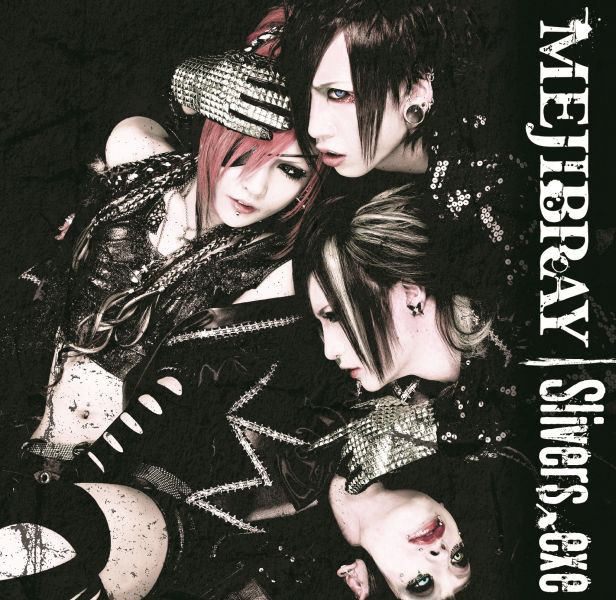
MEJIBRAY
J-Rock
Visual Kei
Kote Kei
3
/5
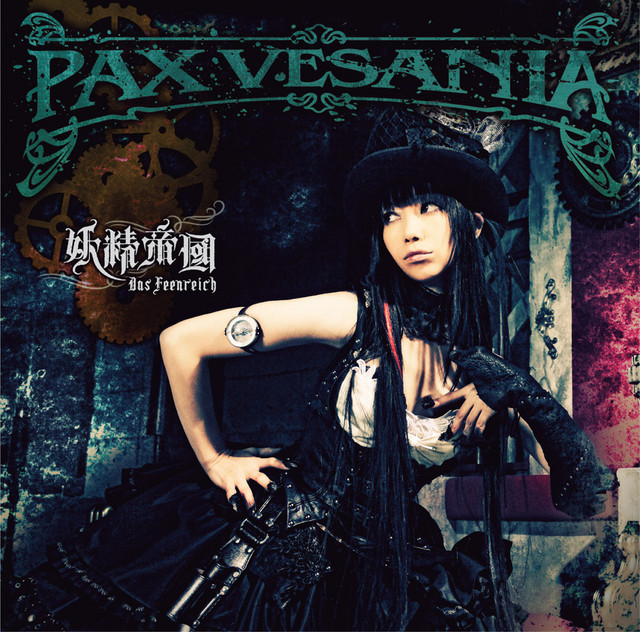
Yousei Teikoku
Rock
Anime
Idol Rock
3
/5
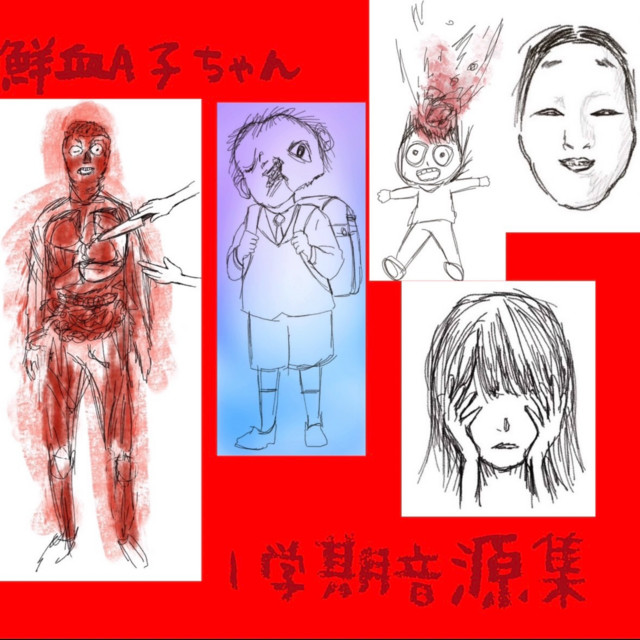
senketsuAkochan
J-Rock
Visual Kei
Loud Kei
Download our mobile app
Get the Melodigging app and start digging for new genres on the go
Download on the App Store
Get it on Google Play
© 2026 Melodigging
Give feedback
Legal
Melodding was created as a tribute to
Every Noise at Once
, which inspired us to help curious minds keep digging into music's ever-evolving genres.