Genres
Artists
Albums
Make Music
Sign in
Sign in
Artists
Yiddish Folksong
Artists
Yiddish Folksong
Wolf Krakowski
2001–2002
·
2 albums
Listen
1
/5
Genres
Reggae
Reggae is a popular music genre from Jamaica characterized by a laid-back, syncopated groove, prominent bass lines, and steady offbeat “skank” guitar or keyboard chords. The rhythmic core often emphasizes the third beat in a bar (the “one drop”), creating a spacious, rolling feel that foregrounds bass and drums. Typical instrumentation includes drum kit, electric bass, rhythm and lead guitars, keyboards/organ (notably the Hammond and the percussive "bubble"), and often horn sections. Tempos generally sit around 70–80 BPM (or 140–160 BPM felt in half-time), allowing vocals to breathe and messages to be clearly delivered. Lyrically, reggae ranges from love songs and everyday storytelling to incisive social commentary, resistance, and spirituality, with Rastafarian culture and language (e.g., “I and I”) playing a central role in many classic recordings. Studio production techniques—spring reverbs, tape delays, and creative mixing—became signature elements, especially through dub versions that strip down and reimagine tracks.
Discover
Listen
Rock
Rock is a broad family of popular music centered on amplified instruments, a strong backbeat, and song forms that foreground riffs, choruses, and anthemic hooks. Emerging from mid‑20th‑century American styles like rhythm & blues, country, and gospel-inflected rock and roll, rock quickly expanded in scope—absorbing folk, blues, and psychedelic ideas—while shaping global youth culture. Core sonic markers include electric guitar (often overdriven), electric bass, drum kit emphasizing beats 2 and 4, and emotive lead vocals. Rock songs commonly use verse–chorus structures, blues-derived harmony, and memorable melodic motifs, ranging from intimate ballads to high‑energy, stadium‑sized performances.
Discover
Listen
Avant-Garde
Avant-garde music is an umbrella term for boundary-pushing practices that challenge prevailing norms of harmony, rhythm, timbre, form, and performance. It privileges experimentation, conceptual rigor, and a willingness to reframe what counts as music at all. Historically tied to early 20th‑century artistic modernism, avant-garde music introduced atonality, the emancipation of noise, and new forms of notation and process. It embraces indeterminacy, extended techniques, electronics, spatialization, and multimedia performance, treating sound as material to be sculpted, questioned, and reinvented.
Discover
Listen
Blues
Blues is an African American musical tradition defined by expressive "blue notes," call-and-response phrasing, and a characteristic use of dominant-seventh harmony in cyclical song forms (most famously the 12‑bar blues). It is as much a feeling as a form, conveying sorrow, resilience, humor, and hard-won joy. Musically, blues commonly employs the I–IV–V progression, swung or shuffled rhythms, and the AAB lyric stanza. Melodies lean on the minor/major third ambiguity and the flattened fifth and seventh degrees. Core instruments include voice, guitar (acoustic or electric), harmonica, piano, bass, and drums, with slide guitar, bends, and vocal melismas as signature techniques. Over time the blues has diversified into regional and stylistic currents—Delta and Piedmont country blues, urban Chicago and Texas blues, West Coast jump and boogie-woogie—while profoundly shaping jazz, rhythm & blues, rock and roll, soul, funk, and much of modern popular music.
Discover
Listen
Yiddish Folksong
Yiddish folksong is the vernacular vocal tradition of Ashkenazi Jews, sung in the Yiddish language and rooted in the everyday life of Eastern and Central Europe. It encompasses lullabies, love songs, wedding and dance tunes, work and street songs, humorous couplets, and political or devotional pieces. Musically it blends Jewish modal practice with Slavic and Central European folk idioms. Typical features include minor tonalities, modal scales such as Freygish (Ahava Rabbah/Phrygian dominant) and Misheberakh (often akin to Ukrainian Dorian), flexible rhythms with parlando-rubato phrasing, and expressive ornaments (krekhtsn “sob-like” grace notes and kvetch “bent” tones). While often sung unaccompanied, performances frequently use small ensembles—violin, clarinet, tsimbl (hammered dulcimer), accordion, and later guitar or piano—drawing on the neighboring klezmer dance tradition. The repertoire carries the social memory of the shtetl, urban immigrant life, and the labor movement, and it survived through oral transmission, community songbooks, and later field recordings and stage interpretations.
Discover
Listen
Albums
2002
1
/5
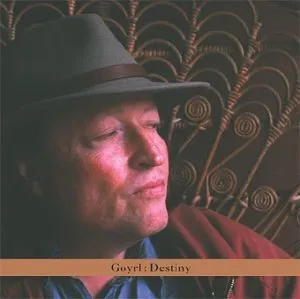
Goyrl: Destiny
Wolf Krakowski
Yiddish Folksong
Blues
Reggae
2001
1
/5
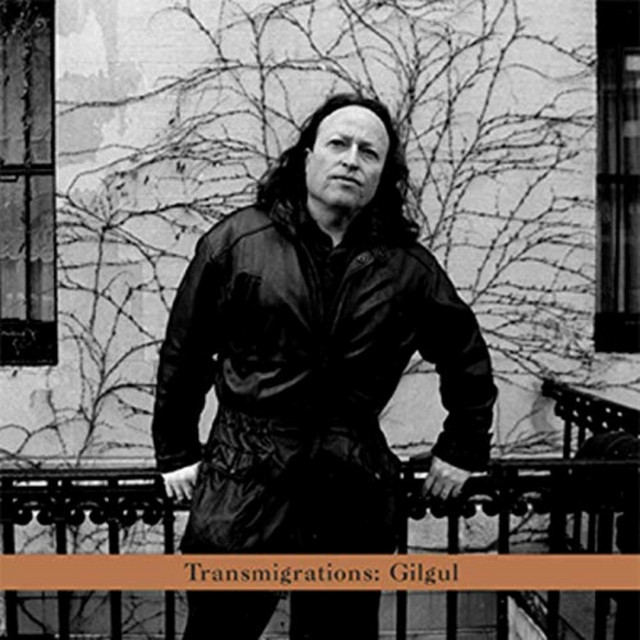
Transmigrations: Gilgul
Wolf Krakowski
Yiddish Folksong
Avant-Garde
Similar artists
1
/5
Various Artists
Afro-Funk
Alternative Rock
Ambient
4
/5
Los Piojos
Rock Barrial
Argentine Rock
Rock
2
/5
Loren Connors
Avant-Garde
Drone
Loner Folk
5
/5
Pritam
Bollywood
Filmi
Pop
5
/5
Pitbull
Hip Hop
Electro Hop
Pop Rap
5
/5
Radiohead
Alternative Rock
Art Rock
Melancholia
5
/5
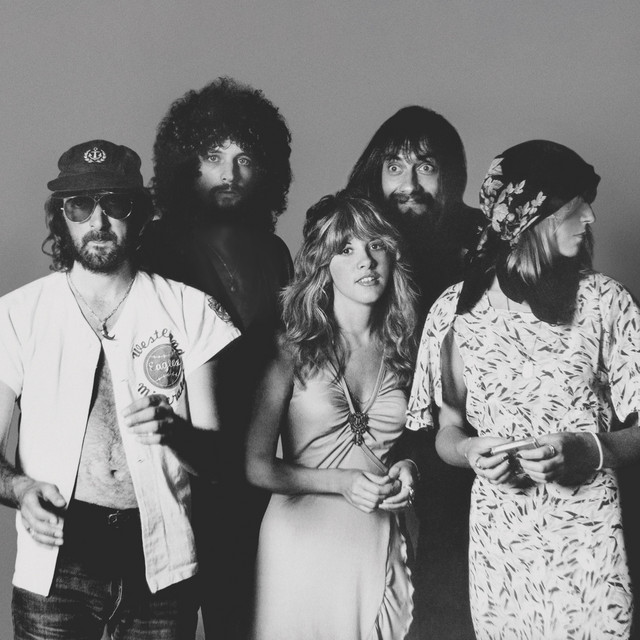
Fleetwood Mac
Rock
Soft Rock
Blues Rock
5
/5
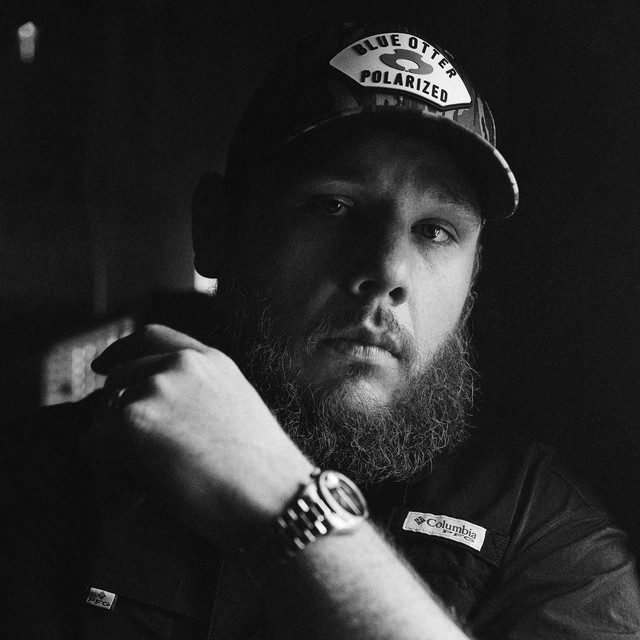
Luke Combs
Country
Contemporary Country
Black Americana
5
/5
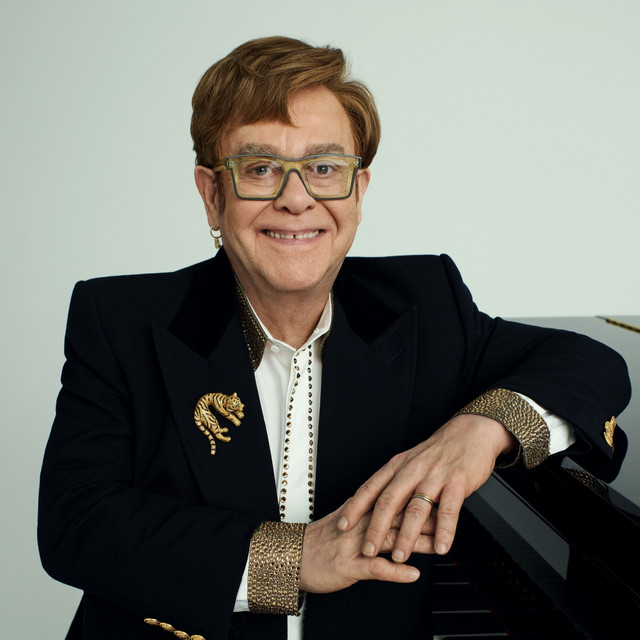
Elton John
Adult Contemporary
Ectofolk
Piano Rock
5
/5
Hozier
Modern Rock
Bedroom R&b
Chill Pop
Download our mobile app
Get the Melodigging app and start digging for new genres on the go
Download on the App Store
Get it on Google Play
© 2026 Melodigging
Give feedback
Legal
Melodding was created as a tribute to
Every Noise at Once
, which inspired us to help curious minds keep digging into music's ever-evolving genres.