Genres
Artists
Albums
Make Music
Sign in
Sign in
Artists
Classic Ragtime
Artists
Classic Ragtime
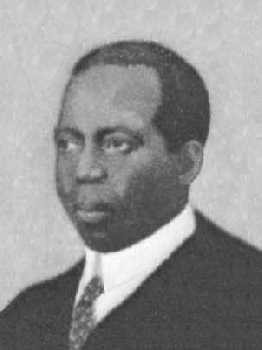
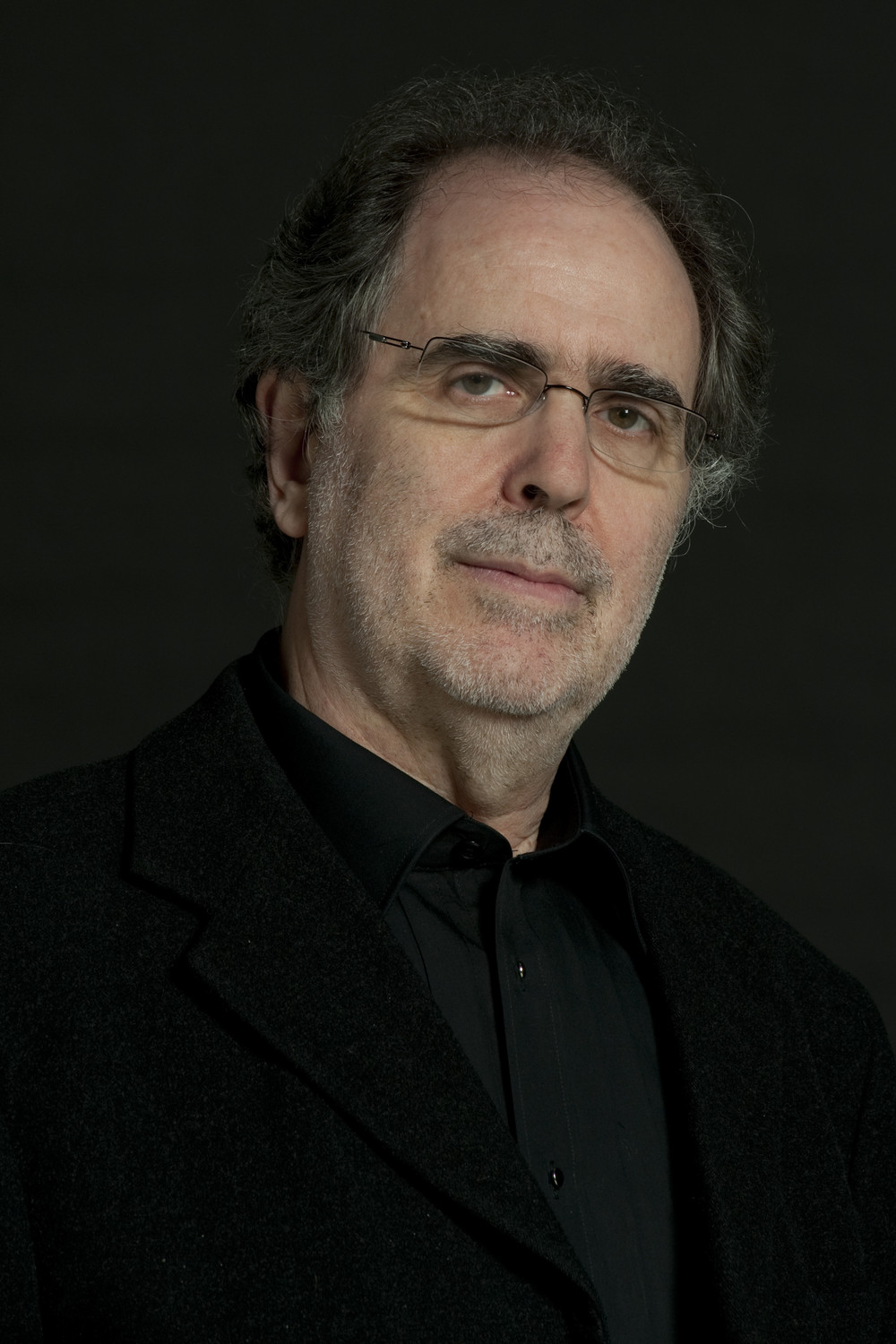
William Bolcom
2015–2017
·
2 albums
Listen
2
/5
Genres
Contemporary Classical
Contemporary classical is the broad field of Western art music created after World War II. It embraces an array of aesthetics—from serialism and indeterminacy to minimalism, spectralism, electroacoustic practices, and post‑tonal lyricism—while retaining a concern for notated composition and timbral innovation. Unlike the unified styles of earlier eras, contemporary classical is pluralistic. Composers freely mix acoustic and electronic sound, expand instrumental techniques, adopt non‑Western tuning and rhythm, and explore new forms, from process-based structures to open and graphic scores. The result is a music that can be rigorously complex or radically simple, technologically experimental or intimately acoustic, yet consistently focused on extending how musical time, timbre, and form can be shaped.
Discover
Listen
Classic Ragtime
Classic ragtime is a composed, syncopated style of American popular piano music that crystallized in the late 1890s and flourished through the 1910s. It pairs a steady, march-like left hand (bass note plus chord—“oom–pah”) with a highly syncopated right-hand melody that "rags" the beat. Unlike later jazz, classic ragtime is not primarily improvised; it was disseminated as notated sheet music and intended to be played at a moderate, even tempo without swing. Most rags follow a multi-strain march form (often AABBACCDD), with 16-bar sections and a trio that commonly modulates to the subdominant. Its harmonic language centers on diatonic progressions colored by secondary dominants, chromatic approach tones, and occasional diminished passing chords. The style is rooted in African American musical aesthetics and social dance (e.g., cakewalk), while drawing structural cues from European marches and ballroom dances. Though quintessentially a solo piano idiom, classic ragtime was also arranged for small ensembles and bands.
Discover
Listen
Ragtime
Ragtime is an African American–rooted piano style that flourished from the 1890s to the 1910s, characterized by lively syncopation in the right hand against a steady, march-like “oom‑pah” accompaniment in the left hand. Typically written in 2/4 or 4/4 time and notated with straight (unswung) eighth notes, classic rags unfold in multiple 16‑bar strains, often in the form AABBACCDD. The music draws on cakewalk rhythms, marching-band forms, and popular song, and it became a sensation through sheet music, piano rolls, and parlor performance. Scott Joplin, known as the “King of Ragtime,” helped codify the genre’s refined, compositional approach, calling for moderate tempos and a clear, singing melody. Beyond solo piano, ragtime was arranged for small ensembles and orchestras, found a home in vaudeville and dance halls, and laid essential groundwork for early jazz, stride piano, and much of 20th‑century American popular music.
Discover
Listen
Albums
2017
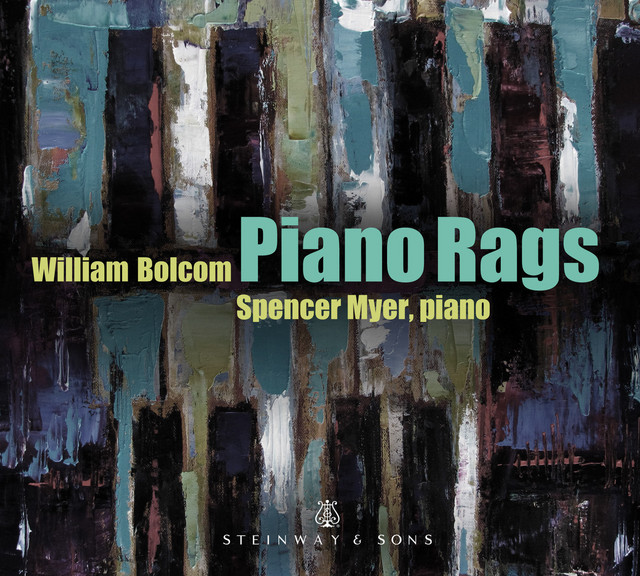
William Bolcom: Piano Rags
William Bolcom, Spencer Myer
Classic Ragtime
2015
Joplin: Euphonic Sounds
Scott Joplin, William Bolcom
Classic Ragtime
Similar artists
Hide discovered
3
/5
Scott Joplin
Classic Ragtime
Ragtime
African-American Classical
2
/5
Jelly Roll Morton
New Orleans Blues
Ragtime
Dixieland
2
/5
Alessandro Simonetto
Classical Piano
Impressionism
Ragtime
2
/5
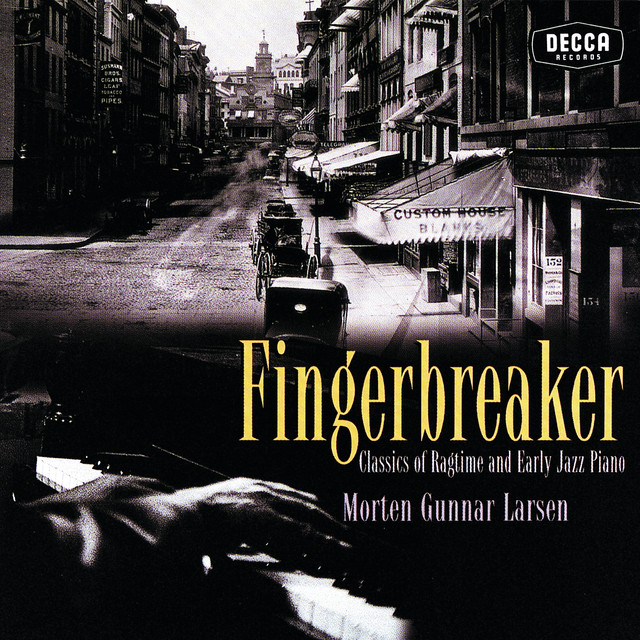
Morten Gunnar Larsen
Classical Piano
Ragtime
African-American Classical
2
/5
Joshua Rifkin
Ragtime
Baroque
Classic Ragtime
2
/5
Benjamin Loeb
Ragtime
Classic Ragtime
1
/5
Willie "The Lion" Smith
Stride
Boogie-Woogie
Jazz
1
/5
Richard Dowling
Ragtime
American Modern Classical
Classic Ragtime
1
/5
Joseph F. Lamb
Ragtime
African-American Classical
Classic Ragtime
1
/5
Adam Swanson
Ragtime
Classic Ragtime
Ragtime Song
Download our mobile app
Get the Melodigging app and start digging for new genres on the go
Download on the App Store
Get it on Google Play
© 2026 Melodigging
Give feedback
About & FAQ
Legal
Melodding was created as a tribute to
Every Noise at Once
, which inspired us to help curious minds keep digging into music's ever-evolving genres.