Genres
Artists
Albums
Make Music
Sign in
Sign in
Artists
Barrelhouse Piano
Artists
Barrelhouse Piano
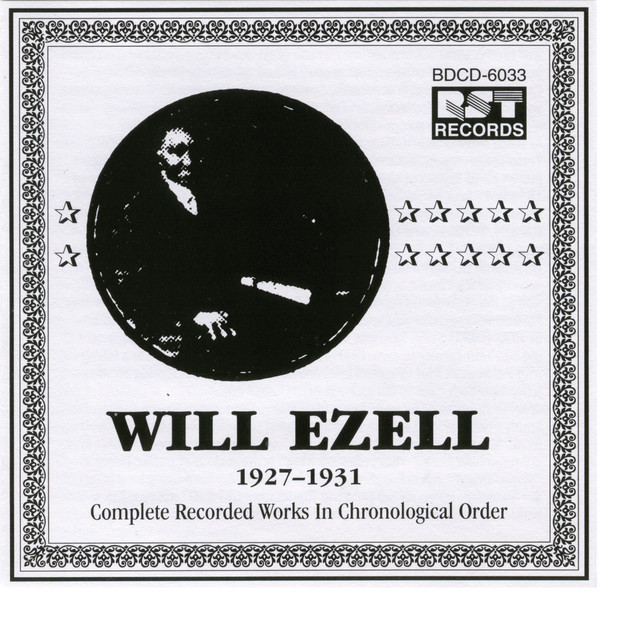
Will Ezell
1992
·
1 album
Listen
Genres
Jazz
Jazz is an improvisation-centered music tradition that emerged from African American communities in the early 20th century. It blends blues feeling, ragtime syncopation, European harmonic practice, and brass band instrumentation into a flexible, conversational art. Defining features include swing rhythm (a triplet-based pulse), call-and-response phrasing, blue notes, and extended harmonies built on 7ths, 9ths, 11ths, and 13ths. Jazz is as much a way of making music—spontaneous interaction, variation, and personal sound—as it is a set of forms and tunes. Across its history, jazz has continually hybridized, from New Orleans ensembles and big-band swing to bebop, cool and hard bop, modal and free jazz, fusion, and contemporary cross-genre experiments. Its influence permeates global popular and art music.
Discover
Listen
Piano Blues
Piano blues is a blues tradition centered on solo piano performance, where the instrument carries both rhythm-section drive and melodic lead. It fuses ragtime’s syncopation, early jazz phrasing, and the 12‑bar blues form into a percussive, highly expressive style. Hallmarks include steady left‑hand patterns (walking tenths, stride figures, broken octaves, and boogie ostinatos) supporting right‑hand riffs built from the blues scale, blue notes, crushed grace notes, tremolos, and call‑and‑response motifs. It flourished in saloons, rent parties, theaters, and recording studios, giving rise to regional approaches like Chicago’s understated, swinging shuffle and New Orleans’ rolling, rhumba‑tinged feel. Closely related to barrelhouse and boogie‑woogie, piano blues underpins much of later American popular music, feeding directly into jump blues, early R&B, rock and roll, and rockabilly.
Discover
Listen
Barrelhouse Piano
Barrelhouse piano is a raucous, percussive style of early American piano blues associated with rough-and-ready "barrelhouses"—cheap saloons and dance spots that served liquor straight from the barrel. To cut through noisy rooms and often out‑of‑tune instruments, players struck hard, kept time with a stomping left hand, and used a freewheeling, improvisatory right hand. The approach favored drive and grit over refinement. Technically, the left hand lays down a pounding, train‑like beat (walking figures, repeated basses, and chordal stomps) while the right hand spins syncopated melodies and riffs; many performers eschewed pedal use entirely to keep the attack crisp and loud. The style emerged alongside ragtime but leaned far more toward blues feel and groove, and it became an acknowledged precursor to boogie‑woogie and later dance‑oriented blues.
Discover
Listen
Ragtime
Ragtime is an African American–rooted piano style that flourished from the 1890s to the 1910s, characterized by lively syncopation in the right hand against a steady, march-like “oom‑pah” accompaniment in the left hand. Typically written in 2/4 or 4/4 time and notated with straight (unswung) eighth notes, classic rags unfold in multiple 16‑bar strains, often in the form AABBACCDD. The music draws on cakewalk rhythms, marching-band forms, and popular song, and it became a sensation through sheet music, piano rolls, and parlor performance. Scott Joplin, known as the “King of Ragtime,” helped codify the genre’s refined, compositional approach, calling for moderate tempos and a clear, singing melody. Beyond solo piano, ragtime was arranged for small ensembles and orchestras, found a home in vaudeville and dance halls, and laid essential groundwork for early jazz, stride piano, and much of 20th‑century American popular music.
Discover
Listen
Boogie-Woogie
Boogie-woogie is a highly rhythmic, piano-centered branch of the blues distinguished by its driving “eight-to-the-bar” left-hand ostinato and improvised right-hand riffs. While it shares the 12‑bar blues framework and blue-note vocabulary, it places an unusually strong emphasis on groove, forward motion, and danceability. Typically performed at brisk tempos, the style features a rolling, repeated bass pattern in broken octaves (or a walking single-note line) that locks into a shuffle or 12/8 swing feel. Over this foundation, the right hand plays syncopated licks, triplet figures, crushed grace notes, tremolos, and call‑and‑response motifs, often quoting and varying short, catchy riffs. The result is a propulsive, celebratory sound designed for social dancing and energetic performance.
Discover
Listen
Albums
1992
Will Ezell (1927-1931)
Will Ezell
Barrelhouse Piano
Similar artists
2
/5
Pete Johnson
Boogie-Woogie
Boogie
Piano Blues
1
/5
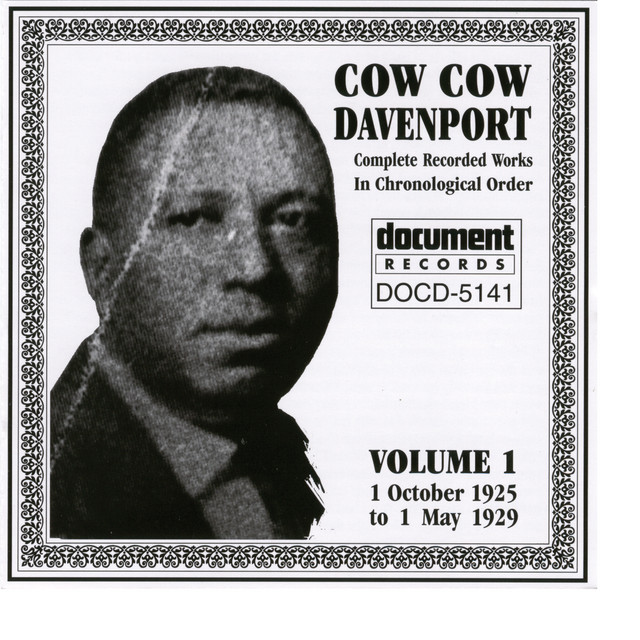
Charles "Cow Cow" Davenport
Barrelhouse Piano
Blues
Boogie
Charlie Spand
Barrelhouse Piano
Blues
Boogie-Woogie
1
/5
Various Artists
Soundtrack
Afro-Funk
Alternative Rock
3
/5
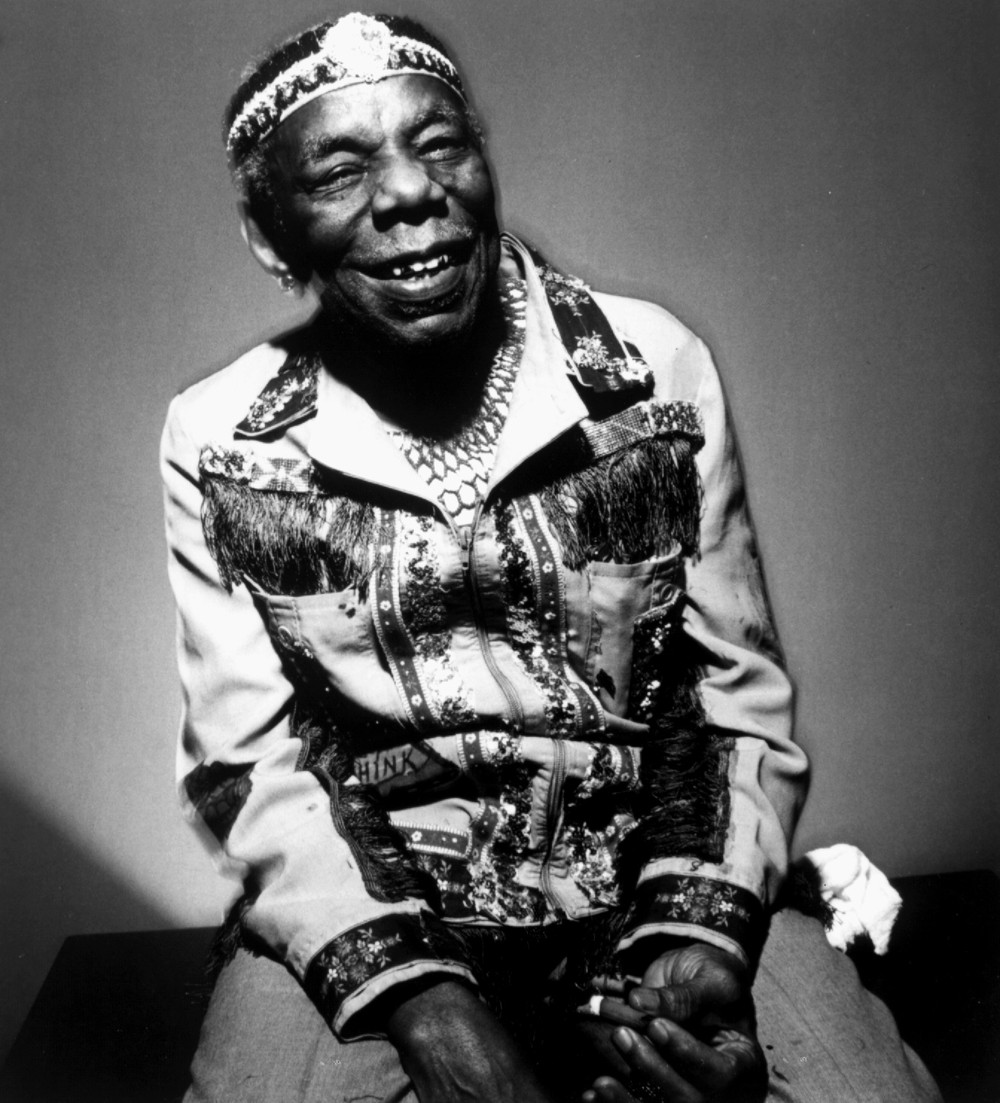
Champion Jack Dupree
New Orleans Blues
Blues
Boogie-Woogie
2
/5
Johnny Dodds
Jazz
Ragtime
Swing
2
/5
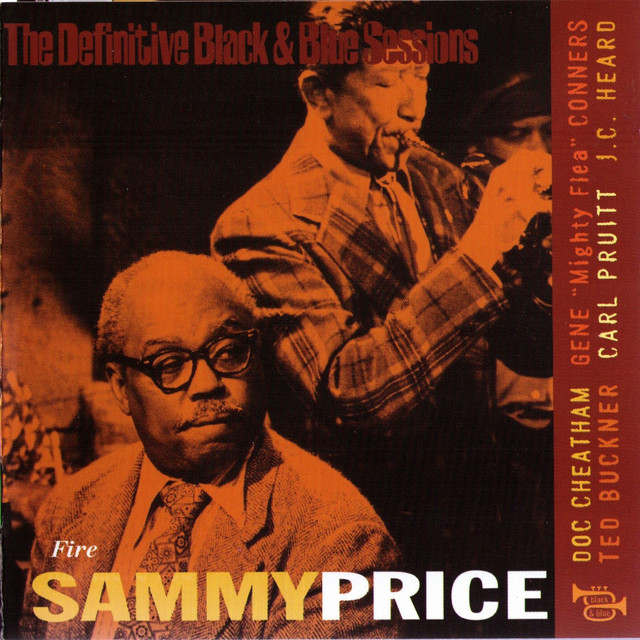
Sammy Price
Boogie-Woogie
Swing
Barrelhouse Piano
1
/5
Blind John Davis
Blues
Boogie-Woogie
Country Blues
Walter Roland
Barrelhouse Piano
Blues
Boogie-Woogie
4
/5
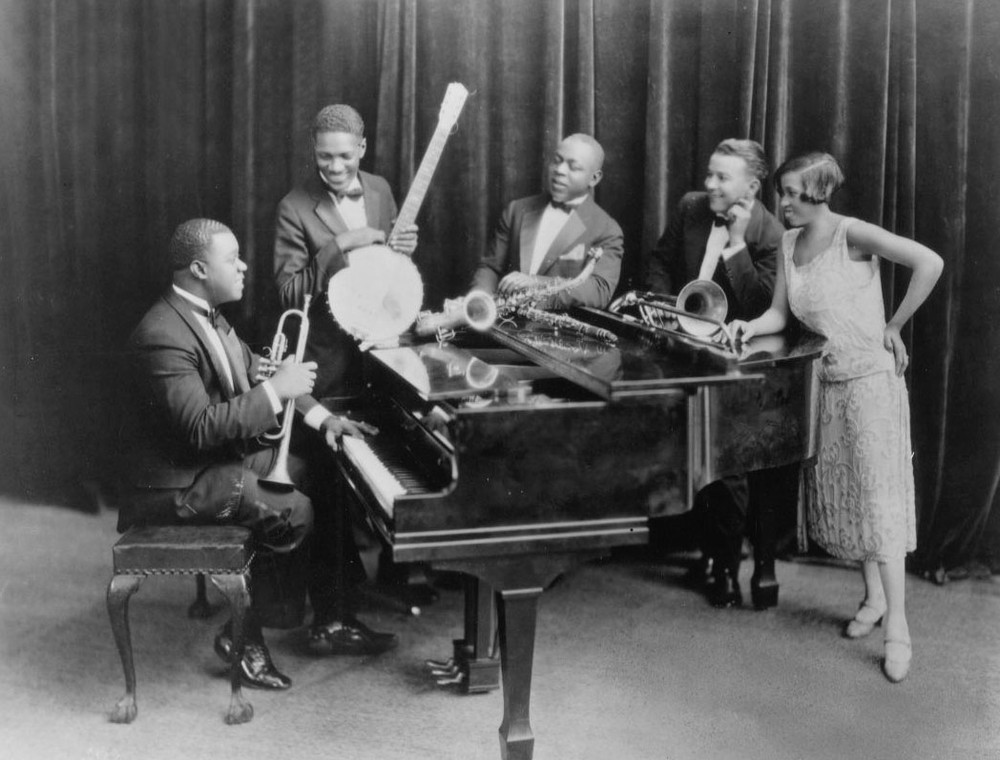
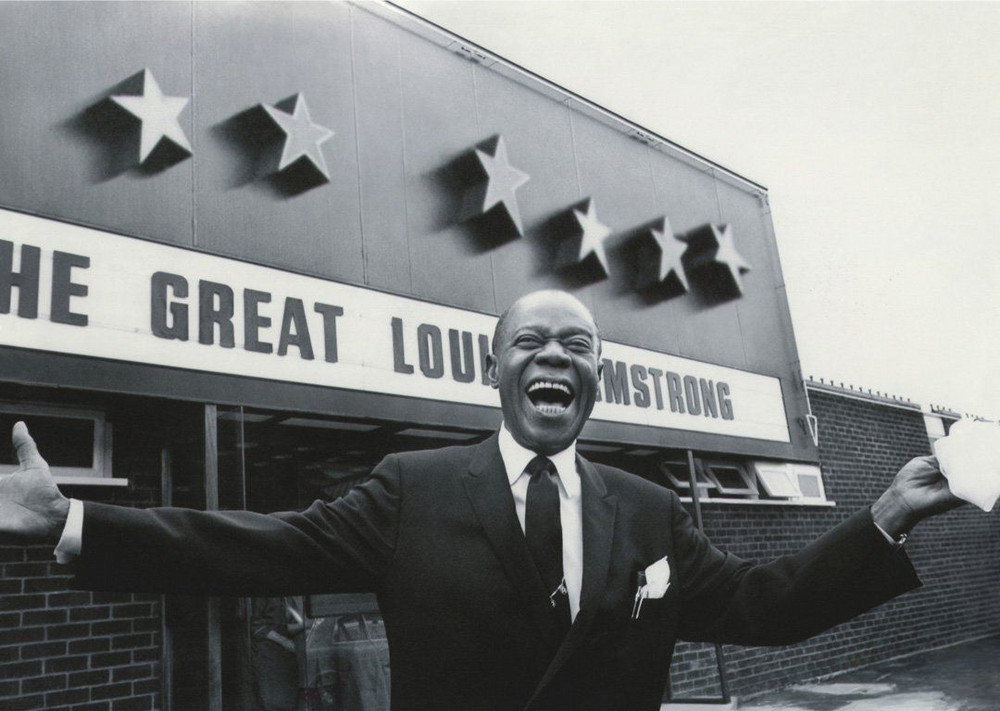
Louis Armstrong
Dixieland
Harlem Renaissance
Jazz Trumpet
Download our mobile app
Get the Melodigging app and start digging for new genres on the go
Download on the App Store
Get it on Google Play
© 2026 Melodigging
Give feedback
Legal
Melodding was created as a tribute to
Every Noise at Once
, which inspired us to help curious minds keep digging into music's ever-evolving genres.