Genres
Artists
Albums
Make Music
Sign in
Sign in
Artists
Chamber Music
Artists
Chamber Music
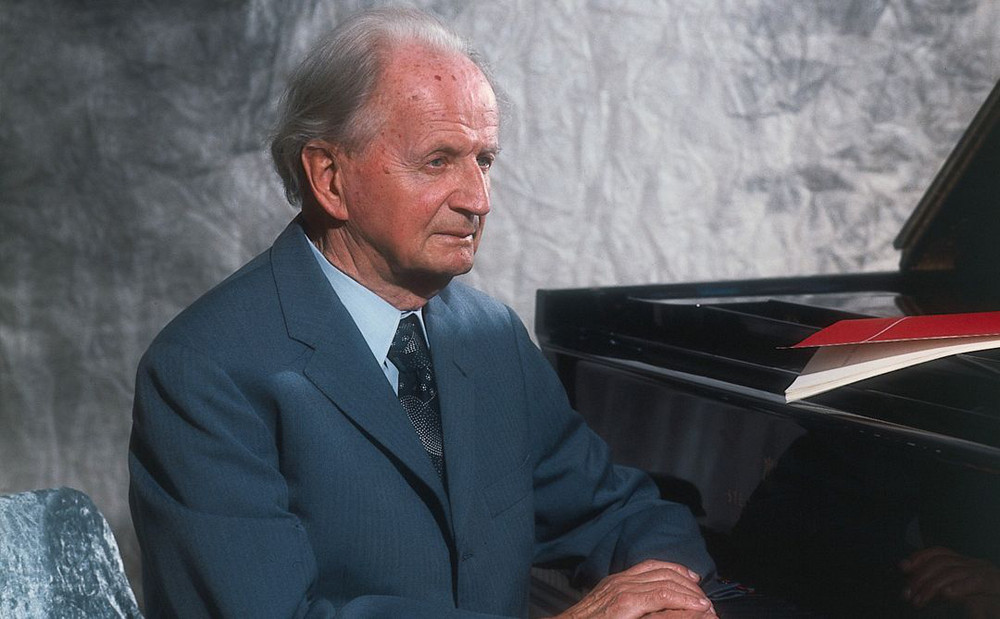
Wilhelm Kempff
2006–2012
·
2 albums
Listen
2
/5
Genres
Classical Piano
Classical piano is the tradition of composing and performing music for the acoustic piano within the Western classical lineage. It emphasizes formal clarity, tonal harmony, contrapuntal writing, and expressive nuance across the full compass of the instrument. Its core repertoire ranges from Classical-era sonatas and variations to Romantic character pieces, études, dances, and 20th-century impressionistic and modernist works. Pianists exploit dynamics, articulation, pedaling, and touch to shape phrases, imitate orchestral textures, and project both intimate lyricism and large-scale drama.
Discover
Listen
Chamber Music
Chamber music is a tradition of composed music for small ensembles—typically one player per part—intended for intimate spaces such as courts, salons, and private rooms rather than large public halls. Its aesthetic emphasizes clarity of texture, conversational interplay among parts, and balance without a conductor. Hallmark formations include the string quartet, piano trio, wind quintet, string quintet, and various mixed ensembles. Multi‑movement cycles (often in sonata form) and finely wrought counterpoint are common, ranging from Baroque trio sonatas to Classical string quartets and modern works with expanded timbres and techniques. Because of its scale and transparency, chamber music has long been a proving ground for compositional craft and ensemble musicianship, shaping the core of Western art music from the Baroque through the present.
Discover
Listen
Classical Performance
Classical performance refers to the interpretive tradition of presenting Western classical repertoire in concert and studio settings. Rather than defining a compositional style, it describes how ensembles and soloists realize written scores through technique, tone, phrasing, and stylistic choices across eras from Baroque to contemporary. It centers on fidelity to the score and historically informed practice, while allowing space for interpretive nuance such as tempo flexibility, articulation, and dynamic shading. Typical forces include soloists, chamber groups, choirs, and orchestras performing in acoustically resonant venues or purpose-built studios, captured by production teams specialized in naturalistic sound.
Discover
Listen
Fantasia
Fantasia (or fantasy/fantasie) is a classical composition type defined by an improvisatory character, flexible form, and the free development of one or more motives. Unlike strict dance forms or fugues, a fantasia typically privileges invention, dramatic contrast, and rhapsodic flow over predetermined structures. Emerging in the Renaissance with vihuela, lute, viol consort, and keyboard repertories, the fantasia evolved through the Baroque (notably on harpsichord and organ) and was later adopted by Classical and Romantic composers for piano and orchestra. Across eras, common threads include sectional design, sudden textural changes, imitative counterpoint, and exploration of harmony from modal to chromatic languages.
Discover
Listen
Classical
Classical music is the notated art-music tradition of Europe and its global descendants, characterized by durable forms, carefully codified harmony and counterpoint, and a literate score-based practice. The term “classical” can refer broadly to the entire Western art-music lineage from the Medieval era to today, not just the Classical period (c. 1750s–1820s). It privileges long-form structures (such as symphonies, sonatas, concertos, masses, and operas), functional or modal harmony, thematic development, and timbral nuance across ensembles ranging from solo instruments to full orchestras and choirs. Across centuries, the style evolved from chant and modal polyphony to tonal harmony, and later to post-tonal idioms, while maintaining a shared emphasis on written notation, performance practice, and craft.
Discover
Listen
Western Classical
Western classical is the notated art-music tradition that developed in Europe from medieval Christian chant into the large-scale secular and sacred forms of the Baroque, Classical, Romantic, and modern eras. It is characterized by staff notation, evolving systems of modality and tonality, and forms such as symphony, sonata, concerto, mass, opera, and chamber music. Across its history, Western classical established an extensive theory of harmony and counterpoint, refined orchestration across strings, winds, brass, and percussion, and cultivated performance practices from a cappella chant to full symphonic and operatic forces. Its repertoire, pedagogy, and institutions (conservatories, orchestras, opera houses) made it a global reference point for compositional craft and instrumental technique.
Discover
Listen
Albums
2012
1
/5
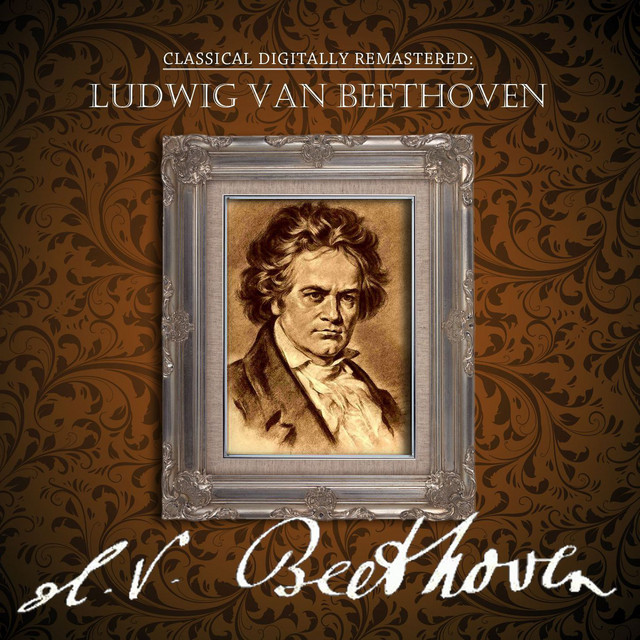
Classical Digitally Remastered: Ludwig van Beethoven
Wilhelm Kempff
Classical Performance
2006
1
/5
Klaviersonaten KV 331 & 310; Fantasien KV 397 & 475
Wolfgang Amadeus Mozart / Wilhelm Kempff
Fantasia
Similar artists
4
/5
Wolfgang Amadeus Mozart
Classical
Requiem
Classical Period
3
/5
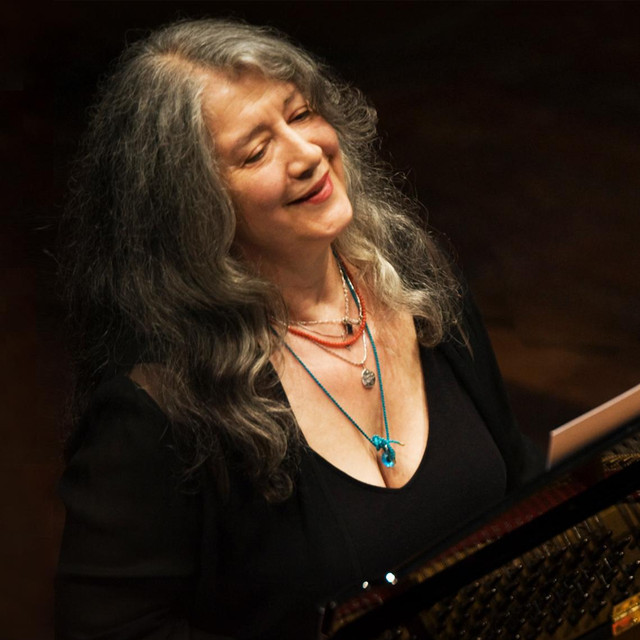
Martha Argerich
Classical
Classical Performance
Chamber Music
4
/5
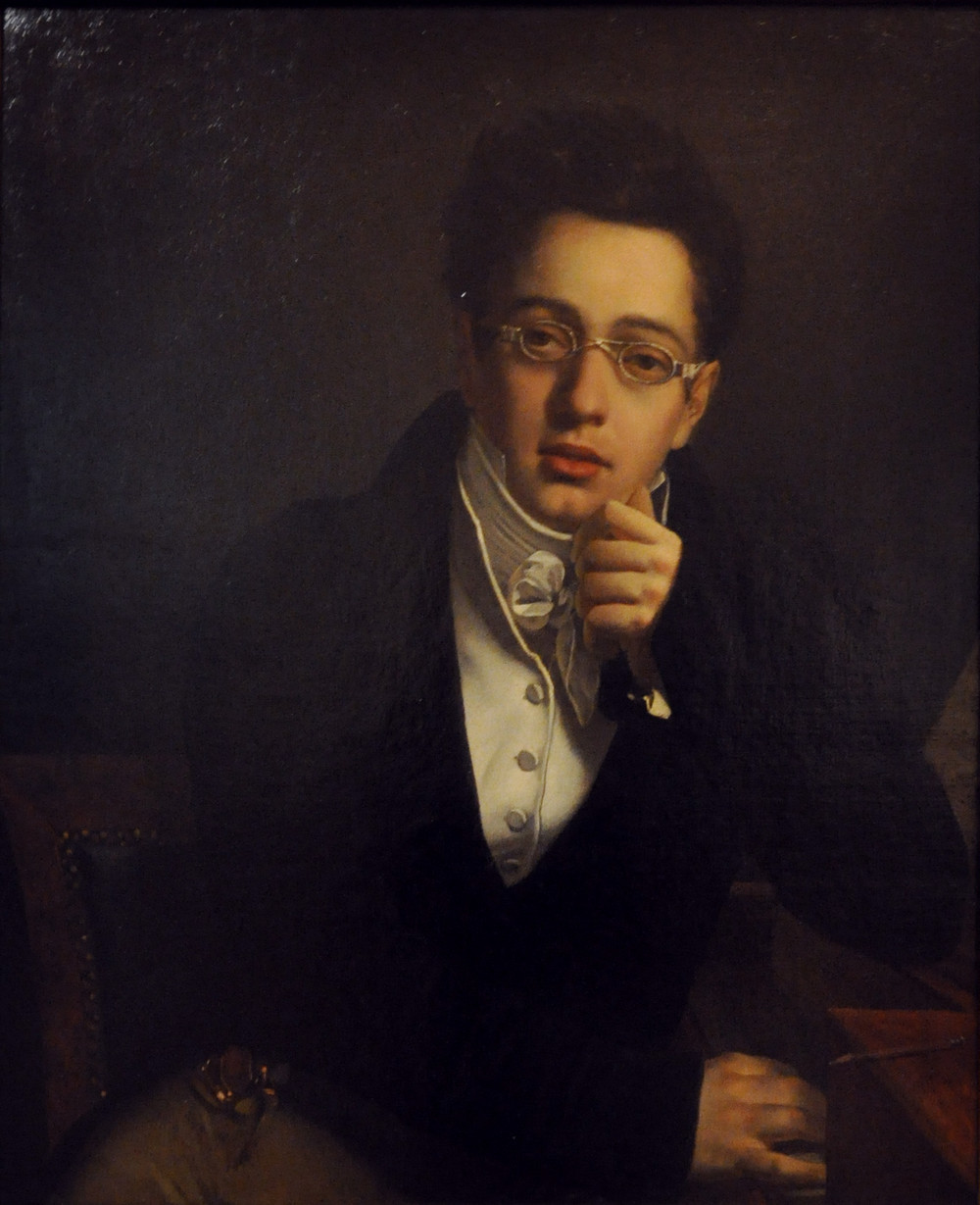
Franz Schubert
Impromptu
Lied
Art Song
4
/5
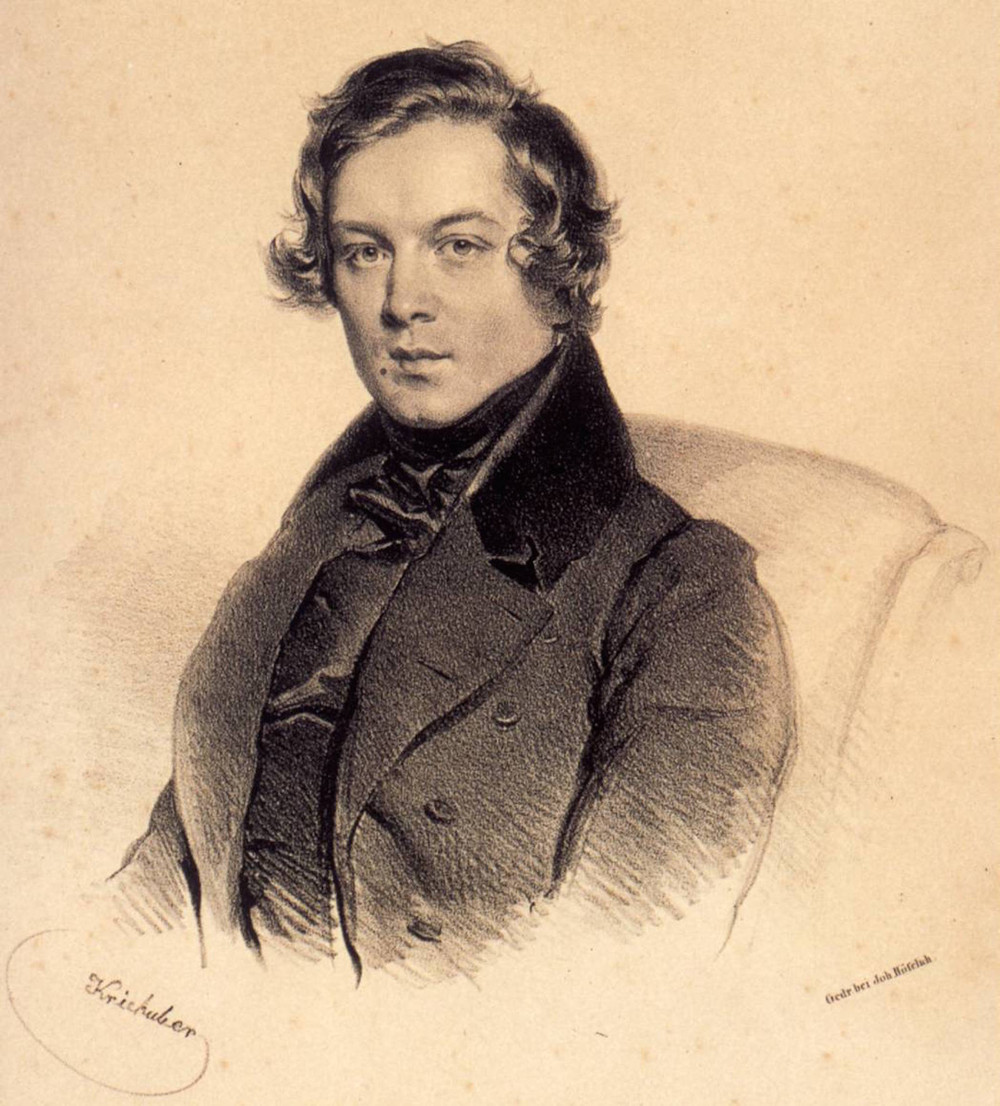
Robert Schumann
Classical
Character Piece
Chamber Music
3
/5
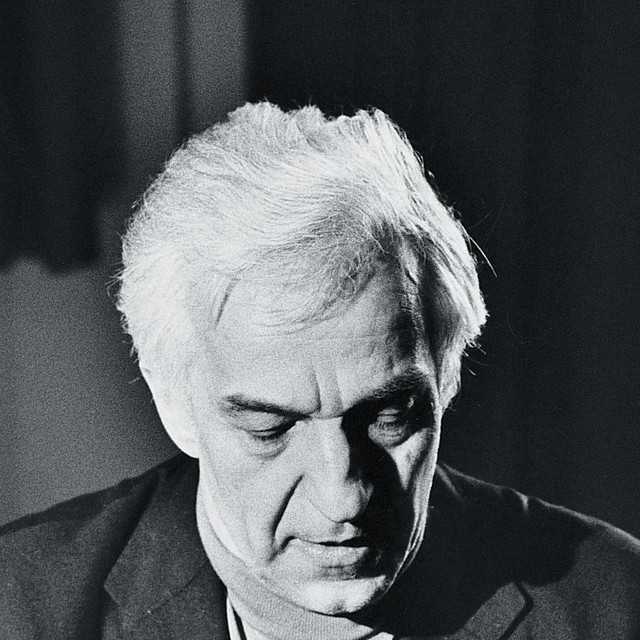
Vladimir Ashkenazy
Chamber Music
Classical
Classical Performance
3
/5
Maria João Pires
Chamber Music
Classical Performance
Classical
1
/5
Various Artists
Afro-Funk
Alternative Rock
Ambient
3
/5
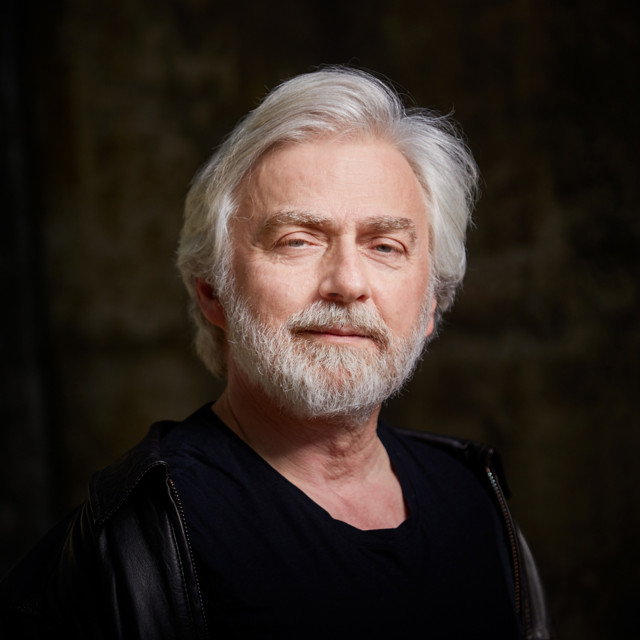
Krystian Zimerman
Classical
Concerto
Classical Performance
4
/5
Johann Sebastian Bach
Baroque
Classical
Baroque Suite
4
/5
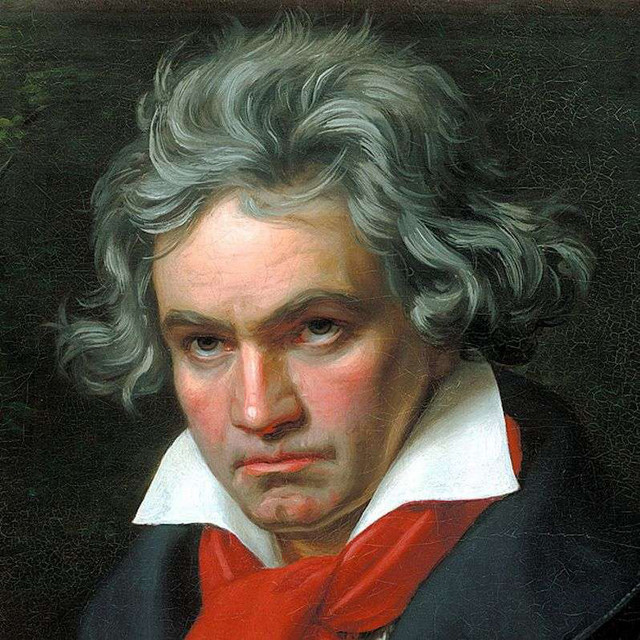
Ludwig van Beethoven
Classical
Classical Period
Romantic Classical
Download our mobile app
Get the Melodigging app and start digging for new genres on the go
Download on the App Store
Get it on Google Play
© 2026 Melodigging
Give feedback
Legal
Melodding was created as a tribute to
Every Noise at Once
, which inspired us to help curious minds keep digging into music's ever-evolving genres.