Genres
Artists
Albums
Make Music
Sign in
Sign in
Artists
Outsider
Artists
Outsider
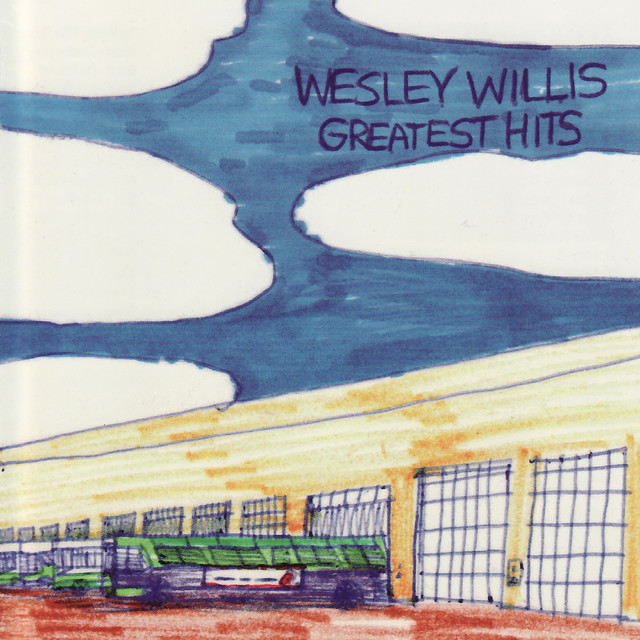
Wesley Willis
2000
·
1 album
Listen
2
/5
Genres
Soundclown
Soundclown is an internet-born remix and mashup style that thrives on comedic juxtaposition, bait‑and‑switch reveals, and hyper-referential sample collage. It blends pop hits, game and cartoon music, ad jingles, meme sounds, and viral speech into quick-cut audio gags. The genre developed across YouTube and SoundCloud, favoring shock humor, nostalgia, and absurdity over traditional song form. Hallmarks include sudden key/tempo whiplash, exaggerated pitch-shifts, ear‑rending “earrape” peaks, and punchline drops that transform a familiar source into something hilariously incongruent. Because it is fundamentally platform-native, soundclown is as much a memetic editing culture as a musical style. Its tracks often function like sonic shitposts: fast, punchy, and built for instant recognition and shareability.
Discover
Listen
Midi Music
MIDI music is a style centered on composing and distributing music as Standard MIDI Files (.mid), using General MIDI (GM) instrument maps and channel conventions rather than recorded audio. Characterized by the hallmark timbres of GM-era synth modules and sound cards (e.g., Sound Canvas pianos, synth brass, slap bass, orchestral hits, and the Channel 10 drum kit), it embraces the sequenced, quantized feel of early PC games, DOS/Windows multimedia, and 1990s web pages that auto-played background MIDIs. Expressivity is driven by velocity, pitch bend, modulation, and controller messages, not microphone capture. Distinct from chiptune and tracker music, which target specific sound chips or module formats, MIDI music is portable across devices and soundfonts, producing a recognizable yet device-dependent aesthetic that evokes retro computing, early internet culture, and game nostalgia.
Discover
Listen
Alternative
Alternative is an umbrella term for non-mainstream popular music that grew out of independent and college-radio scenes. It emphasizes artistic autonomy, eclectic influences, and a willingness to subvert commercial formulas. Sonically, alternative often blends the raw immediacy of punk with the mood and texture of post-punk and new wave, adding elements from folk, noise, garage, and experimental rock. While guitars, bass, and drums are typical, production ranges from lo-fi to stadium-ready, and lyrics tend toward introspection, social critique, or surreal storytelling. Over time, “alternative” became both a cultural stance and a market category, spawning numerous substyles (alternative rock, alternative hip hop, alternative pop, etc.) and moving from underground circuits to mainstream prominence in the 1990s.
Discover
Listen
Outsider
Outsider music is an umbrella term for idiosyncratic recordings made by creators who operate outside the norms of the commercial music industry and academic training. Rather than a single sound, it describes a sensibility: raw, deeply personal, and frequently unconcerned with conventional technique, pitch, meter, or song form. Artists labeled “outsider” often self‑record at home, release music privately, or perform in nontraditional spaces. Their work may feature unusual tunings, naive or obsessive lyrics, one‑person band setups, tape hiss and room noise, and structures that feel improvised or dreamlike. While the results can be challenging, the appeal lies in the unfiltered voice and the sense of direct, human expression that bypasses stylistic polish. Critic Irwin Chusid popularized the term in the 2000s, but the impulse predates it by decades, drawing on DIY, vanity-press, song‑poem, and local scene traditions across rock, folk, pop, blues, gospel, and experimental music.
Discover
Listen
Rock
Rock is a broad family of popular music centered on amplified instruments, a strong backbeat, and song forms that foreground riffs, choruses, and anthemic hooks. Emerging from mid‑20th‑century American styles like rhythm & blues, country, and gospel-inflected rock and roll, rock quickly expanded in scope—absorbing folk, blues, and psychedelic ideas—while shaping global youth culture. Core sonic markers include electric guitar (often overdriven), electric bass, drum kit emphasizing beats 2 and 4, and emotive lead vocals. Rock songs commonly use verse–chorus structures, blues-derived harmony, and memorable melodic motifs, ranging from intimate ballads to high‑energy, stadium‑sized performances.
Discover
Listen
Rock And Roll
Rock and roll is a high-energy, dance-oriented popular music style that emerged in the United States in the early-to-mid 1950s. It fuses the 12‑bar blues and boogie‑woogie with the backbeat and instrumentation of rhythm & blues, the twang and storytelling of country, and the fervor of gospel. Its hallmark sound centers on a strong backbeat (accented on beats 2 and 4), driving rhythm sections, electric guitar riffs, prominent piano or saxophone leads, and catchy, chorus-forward songwriting. Typical harmonies revolve around I–IV–V progressions, often in 12-bar form, with swung or shuffle feels and punchy turnarounds. Culturally, rock and roll catalyzed a youth movement linked to dancing, teen identity, and social change. It bridged racial audiences by popularizing Black American musical traditions for mainstream listeners, and it laid the foundation for subsequent rock styles and much of modern pop.
Discover
Listen
Electronic
Electronic is a broad umbrella genre defined by the primary use of electronically generated or electronically processed sound. It encompasses music made with synthesizers, drum machines, samplers, computers, and studio/tape techniques, as well as electroacoustic manipulation of recorded or synthetic sources. The genre ranges from academic and experimental traditions to popular and dance-oriented forms. While its sonic palette is rooted in electricity and circuitry, its aesthetics span minimal and textural explorations, structured song forms, and beat-driven club permutations. Electronic emphasizes sound design, timbre, and studio-as-instrument practices as much as melody and harmony.
Discover
Listen
Show all 7 genres
Albums
2000
2
/5
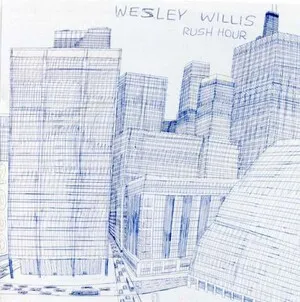
Rush Hour
Wesley Willis
Midi Music
Electronic
Rock
Similar artists
1
/5
Various Artists
Afro-Funk
Alternative Rock
Ambient
2
/5
Gary Wilson
Synth Funk
Outsider
Electronic
4
/5
Elvis Presley
Rock And Roll
Rockabilly
Pop
4
/5
Lindsey Stirling
Bow Pop
Pop Violin
Pop
3
/5
Junkie XL
Big Beat
Electronic
Breakbeat
3
/5
DJ Koze
Microhouse
Future Garage
Wonky Techno
3
/5
Joanna Wang
Mandopop
Chinese Indie
Chinese Viral Pop
3
/5
Achim Reichel
Krautrock
Neue Deutsche Welle
Rock
2
/5
The Residents
Experimental
Minimal Wave
Post-Punk
2
/5
James Ferraro
Hypnagogic Pop
Drone
Utopian Virtual
Download our mobile app
Get the Melodigging app and start digging for new genres on the go
Download on the App Store
Get it on Google Play
© 2026 Melodigging
Give feedback
Legal
Melodding was created as a tribute to
Every Noise at Once
, which inspired us to help curious minds keep digging into music's ever-evolving genres.