Genres
Artists
Albums
Make Music
Sign in
Sign in
Artists
Deep Space Rock
Artists
Deep Space Rock
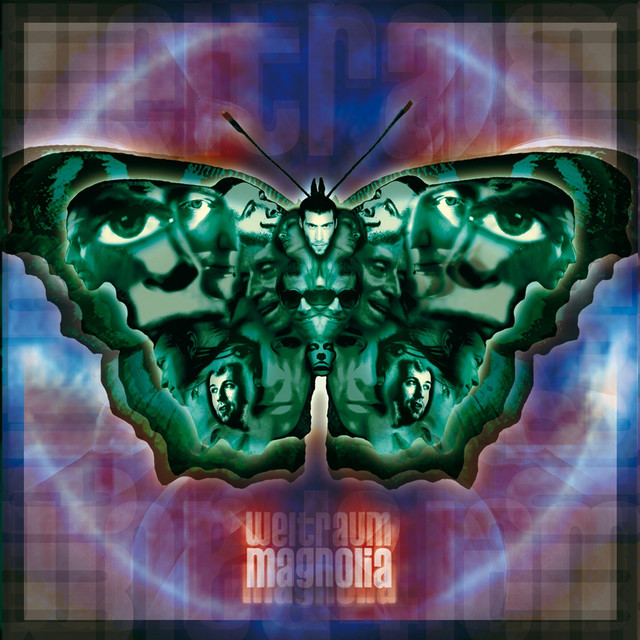
Weltraum
2011
·
1 album
Listen
Genres
Stoner Rock
Stoner rock is a heavy, riff‑centric style that blends the weight and doom of early heavy metal with the groove and expansive jams of late‑60s/70s psychedelic and acid rock. It is marked by fuzz‑drenched, down‑tuned guitars, thick bass tones, and relaxed but powerful mid‑tempo grooves. Songs often emphasize hypnotic, repetitive riffs; extended instrumental passages; and a warm, vintage analog sound. Vocals tend to be laid‑back or gritty rather than operatic, and lyrical themes commonly explore the desert, space, altered states, mythology, and countercultural imagery. The overall vibe is earthy and immersive—equal parts head‑nodding groove, psychedelic haze, and Sabbath‑born heaviness.
Discover
Listen
Deep Space Rock
Deep space rock is an expansive, atmospheric branch of space rock that emphasizes long-form structures, weightless textures, and a sense of cosmic scale. Guitars are drenched in delay and reverb (often with fuzz for lift-offs), synthesizers provide drifting pads and cosmic bleeps, and rhythm sections lock into hypnotic, steady patterns that evoke forward motion through the void. The style sits at the crossroads of classic space rock, krautrock’s motorik pulse, progressive rock’s dynamics, shoegaze’s textural wash, and ambient music’s headroom, creating immersive, cinematic journeys rather than song-centered vignettes.
Discover
Listen
Free Improvisation
Free improvisation is a practice of spontaneous music-making that avoids fixed idioms, stylistic templates, and pre-agreed structures. Musicians prioritize listening, interaction, and the exploration of sound itself—timbre, texture, dynamics, and silence—over conventional melody, harmony, or pulse. Guitarist Derek Bailey popularized the notion of "non-idiomatic improvisation," describing a music that deliberately resists falling into recognizable genre habits. While often overlapping with free jazz and contemporary classical experimentalism, free improvisation is not confined to either. It welcomes any instrument or sound source—acoustic, electronic, or everyday objects—and frequently uses extended techniques, feedback, and unconventional performance gestures. Performances can range from whisper-quiet, pointillistic interplay to ferocious, high-energy noise, with the ensemble shaping form in real time through attention and constraint.
Discover
Listen
Krautrock
Krautrock is an experimental form of rock that emerged in late-1960s West Germany, characterized by hypnotic repetition, long-form structures, and a forward-looking embrace of electronics and studio experimentation. It typically features a steady, driving 4/4 “motorik” beat, circular bass ostinatos, sparse harmonic movement, and textural layering that draws from minimalism, free improvisation, and avant-garde composition. Rather than virtuosic solos, the emphasis is on collective groove, trance-inducing momentum, and timbral exploration. The sound ranges from raw, percussive jams to spacious, cosmic electronics, often eschewing conventional Anglo-American blues forms in favor of a distinctly European modernist aesthetic.
Discover
Listen
Psychedelic Rock
Psychedelic rock is a style of rock music that seeks to evoke, simulate, and expand altered states of consciousness through sound. It typically features timbral experimentation (fuzz, wah, tape delay, phasing), drones, modal or raga-influenced harmony, extended improvisation, studio-as-instrument production, and surreal, mystical, or mind-expanding lyrics. Emerging from mid-1960s counterculture, it fused garage-band energy with folk, blues, and non-Western musical ideas—especially Indian classical ragas—while embracing new studio technologies and concert light shows. Both a live and a studio art, psychedelic rock ranges from jangly, kaleidoscopic pop to heavy, hypnotic jams and cosmic soundscapes.
Discover
Listen
Space Rock
Space rock is a psychedelic branch of rock characterized by long-form, hypnotic grooves, swirling guitars awash in delay and reverb, and prominent analog synthesizers that evoke cosmic or interstellar imagery. The music often emphasizes texture and atmosphere over conventional song structures, creating expansive soundscapes that feel weightless and otherworldly. Emerging in late-1960s Britain from the overlap of psychedelic rock, early progressive rock, and experimental electronics, space rock frequently employs motorik-leaning rhythms, modal or drone-based harmony, and science-fiction themes. Extended improvisations, phased and fuzz-drenched timbres, and tape or echo effects are common, encouraging a sense of forward drift and cosmic exploration.
Discover
Listen
Albums
2011
1
/5
Magnolia
Weltraum
Deep Space Rock
Similar artists
1
/5
Various Artists
Soundtrack
Afro-Funk
Alternative Rock
3
/5
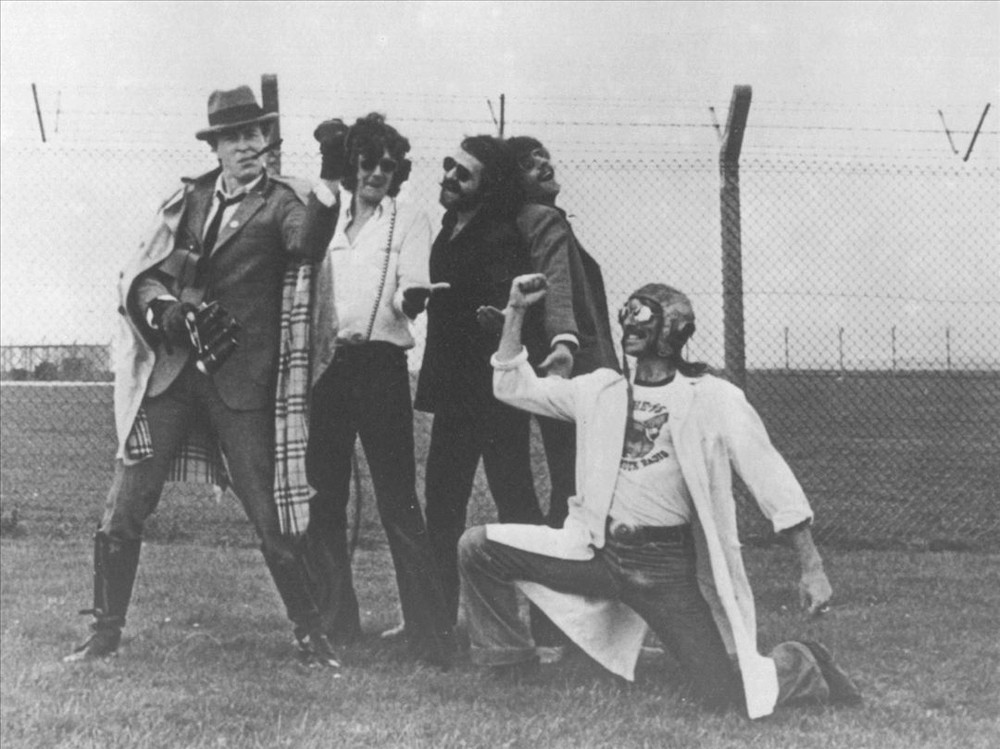
Hawkwind
Canterbury Scene
Space Rock
Rock
1
/5
Hawklords
Deep Space Rock
Art Rock
Krautrock
1
/5
The Heads
Psychedelic Rock
Rock
Stoner Rock
1
/5
Carlton Melton
Deep Space Rock
Psychedelic Rock
Drone
1
/5
Farflung
Deep Space Rock
Neo-Psychedelia
Sludge Metal
1
/5
Hawkwind Zoo
Acid Rock
Deep Space Rock
Krautrock
1
/5
The Oscillation
Drone
Psychedelic Rock
Rock
3
/5
Goat
Psychedelic Doom
Psychedelic Rock
Neo-Psychedelia
3
/5
SLIFT
Space Rock
Sludge Metal
Stoner Metal
Download our mobile app
Get the Melodigging app and start digging for new genres on the go
Download on the App Store
Get it on Google Play
© 2026 Melodigging
Give feedback
Legal
Melodding was created as a tribute to
Every Noise at Once
, which inspired us to help curious minds keep digging into music's ever-evolving genres.