Genres
Artists
Albums
Make Music
Sign in
Sign in
Artists
Deep Space Rock
Artists
Deep Space Rock
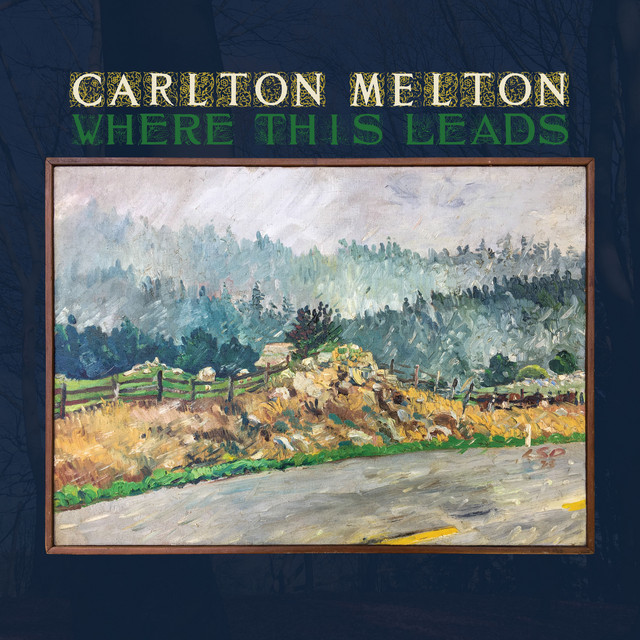
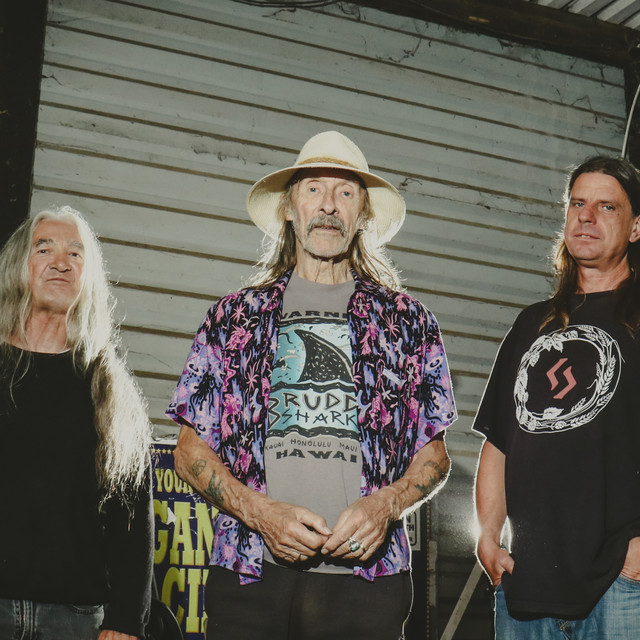
Carlton Melton
2018
·
1 album
Listen
1
/5
Genres
Stoner Rock
Stoner rock is a heavy, riff‑centric style that blends the weight and doom of early heavy metal with the groove and expansive jams of late‑60s/70s psychedelic and acid rock. It is marked by fuzz‑drenched, down‑tuned guitars, thick bass tones, and relaxed but powerful mid‑tempo grooves. Songs often emphasize hypnotic, repetitive riffs; extended instrumental passages; and a warm, vintage analog sound. Vocals tend to be laid‑back or gritty rather than operatic, and lyrical themes commonly explore the desert, space, altered states, mythology, and countercultural imagery. The overall vibe is earthy and immersive—equal parts head‑nodding groove, psychedelic haze, and Sabbath‑born heaviness.
Discover
Listen
Deep Space Rock
Deep space rock is an expansive, atmospheric branch of space rock that emphasizes long-form structures, weightless textures, and a sense of cosmic scale. Guitars are drenched in delay and reverb (often with fuzz for lift-offs), synthesizers provide drifting pads and cosmic bleeps, and rhythm sections lock into hypnotic, steady patterns that evoke forward motion through the void. The style sits at the crossroads of classic space rock, krautrock’s motorik pulse, progressive rock’s dynamics, shoegaze’s textural wash, and ambient music’s headroom, creating immersive, cinematic journeys rather than song-centered vignettes.
Discover
Listen
Neo-Psychedelia
Neo-psychedelia is a late-20th-century revival and reinvention of 1960s psychedelic music aesthetics, filtered through post-punk, indie, and experimental sensibilities. It emphasizes hypnotic textures, droning guitars, heavy use of effects (reverb, delay, phasing), analogue organs/synths, and dreamlike or surreal lyricism. Rhythms may draw from motorik and other steady, trance-inducing grooves, while harmony often favors modal colors and repetitive vamps. The style ranges from jangly, melodic songs to dense, feedback-laden soundscapes, and has been highly influential on dream pop, shoegaze, Britpop-adjacent scenes, and modern psych rock.
Discover
Listen
Psychedelic Rock
Psychedelic rock is a style of rock music that seeks to evoke, simulate, and expand altered states of consciousness through sound. It typically features timbral experimentation (fuzz, wah, tape delay, phasing), drones, modal or raga-influenced harmony, extended improvisation, studio-as-instrument production, and surreal, mystical, or mind-expanding lyrics. Emerging from mid-1960s counterculture, it fused garage-band energy with folk, blues, and non-Western musical ideas—especially Indian classical ragas—while embracing new studio technologies and concert light shows. Both a live and a studio art, psychedelic rock ranges from jangly, kaleidoscopic pop to heavy, hypnotic jams and cosmic soundscapes.
Discover
Listen
Drone
Drone is a minimalist music genre defined by sustained tones, long durations, and extremely gradual change. Harmony is often static or centered on a single fundamental with subtle overtone shifts, while rhythm tends toward stasis or very slow pulses. Sound sources range from acoustic instruments (e.g., strings, organ, bagpipes, shruti box, tambura) to electronics (sine waves, oscillators, feedback, tape loops, and later digital synthesis and processing). Many composers favor just intonation or other alternative tuning systems to emphasize beating patterns, psychoacoustic effects, and the internal life of sound. Although drone as a sonic principle is ancient and global, the modern experimental genre cohered in the 1960s through the New York minimalists and related avant‑garde circles, then spread into ambient, experimental, and heavy music scenes. The focus is less on melody and more on timbre, resonance, and the phenomenology of listening.
Discover
Listen
Krautrock
Krautrock is an experimental form of rock that emerged in late-1960s West Germany, characterized by hypnotic repetition, long-form structures, and a forward-looking embrace of electronics and studio experimentation. It typically features a steady, driving 4/4 “motorik” beat, circular bass ostinatos, sparse harmonic movement, and textural layering that draws from minimalism, free improvisation, and avant-garde composition. Rather than virtuosic solos, the emphasis is on collective groove, trance-inducing momentum, and timbral exploration. The sound ranges from raw, percussive jams to spacious, cosmic electronics, often eschewing conventional Anglo-American blues forms in favor of a distinctly European modernist aesthetic.
Discover
Listen
Space Rock
Space rock is a psychedelic branch of rock characterized by long-form, hypnotic grooves, swirling guitars awash in delay and reverb, and prominent analog synthesizers that evoke cosmic or interstellar imagery. The music often emphasizes texture and atmosphere over conventional song structures, creating expansive soundscapes that feel weightless and otherworldly. Emerging in late-1960s Britain from the overlap of psychedelic rock, early progressive rock, and experimental electronics, space rock frequently employs motorik-leaning rhythms, modal or drone-based harmony, and science-fiction themes. Extended improvisations, phased and fuzz-drenched timbres, and tape or echo effects are common, encouraging a sense of forward drift and cosmic exploration.
Discover
Listen
Jam Band
Jam band is a rock-centered style defined by extended improvisation, fluid song structures, and live performance as the core creative medium. It blends elements of psychedelic rock, blues, jazz, country rock, folk rock, funk, and bluegrass, favoring modal grooves and open-ended forms over radio-length arrangements. Sets commonly feature segues between songs, dynamic builds and releases, and thematic development in real time—turning concerts into unique, unrepeatable experiences. Audience culture (taping, trading, and multi-night runs) and a festival ecosystem are integral to the genre’s identity, making the community as central as the repertoire.
Discover
Listen
Psychedelic
Psychedelic is an umbrella term for music that seeks to evoke, emulate, or accompany altered states of consciousness through sound, arrangement, and studio technique. It emphasizes timbral color, drones, modal harmony, surreal or mystical lyrics, and immersive production, often using tape manipulation, extended effects, and non‑Western instruments (notably from Indian classical traditions). The result ranges from delicate, dreamlike textures to dense, kaleidoscopic soundscapes intended to expand perception and dissolve conventional song form.
Discover
Listen
Rock
Rock is a broad family of popular music centered on amplified instruments, a strong backbeat, and song forms that foreground riffs, choruses, and anthemic hooks. Emerging from mid‑20th‑century American styles like rhythm & blues, country, and gospel-inflected rock and roll, rock quickly expanded in scope—absorbing folk, blues, and psychedelic ideas—while shaping global youth culture. Core sonic markers include electric guitar (often overdriven), electric bass, drum kit emphasizing beats 2 and 4, and emotive lead vocals. Rock songs commonly use verse–chorus structures, blues-derived harmony, and memorable melodic motifs, ranging from intimate ballads to high‑energy, stadium‑sized performances.
Discover
Listen
Instrumental
Instrumental is music created and performed without sung lyrics, placing the expressive weight on melody, rhythm, harmony, and timbre produced by instruments. As an umbrella practice it appears in many cultures, but its modern identity cohered in Baroque-era Europe when purely instrumental forms such as the sonata, concerto, and dance suites began to flourish. Since then, instrumental thinking—developing motives, structuring form without text, and showcasing timbral contrast—has informed everything from orchestral music and solo piano repertoire to post-rock, film scores, and beat-driven electronic styles. Instrumental works can be intimate (solo or chamber) or expansive (full orchestra), narrative (programmatic) or abstract (absolute music). The absence of lyrics invites listeners to project imagery and emotion, making the style a natural fit for cinema, games, and contemplative listening.
Discover
Listen
Show all 11 genres
Albums
2018
1
/5
Mind Minerals
Carlton Melton
Deep Space Rock
Psychedelic Rock
Rock
Similar artists
1
/5
The Oscillation
Deep Space Rock
Krautrock
Neo-Psychedelia
1
/5
The Heads
Deep Space Rock
Stoner Rock
Rock
3
/5
Kikagaku Moyo
Krautrock
Psychedelic Rock
Rock
3
/5
Thee Oh Sees
Garage Rock
Garage Psych
Rock
3
/5
Goat
Psychedelic Doom
Psychedelic Rock
Neo-Psychedelia
1
/5
Loop
Dream Pop
Drone
Indie Shoegaze
1
/5
Eternal Tapestry
Drone
Krautrock
Neo-Psychedelia
1
/5
SubArachnoid Space
Drone
Krautrock
Neo-Psychedelia
1
/5
Various Artists
Afro-Funk
Alternative Rock
Ambient
3
/5
Hawkwind
Canterbury Scene
Space Rock
Hard Rock
Download our mobile app
Get the Melodigging app and start digging for new genres on the go
Download on the App Store
Get it on Google Play
© 2026 Melodigging
Give feedback
Legal
Melodding was created as a tribute to
Every Noise at Once
, which inspired us to help curious minds keep digging into music's ever-evolving genres.