Genres
Artists
Albums
Make Music
Sign in
Sign in
Artists
G-Funk
Artists
G-Funk
Wanz
Listen
4
/5
Genres
Indie Pop Rap
Indie pop rap blends the melodic hooks and DIY aesthetic of indie pop with conversational, often introspective rap delivery. The production favors warm, guitar- or synth-led beats, understated drums, and lo‑fi textures over bombastic trap maximalism. Lyrically, it leans personal and relatable—relationships, coming of age, mental health, and day-to-day vignettes—delivered in a half-sung, half-rapped style. The sound was shaped by bedroom producers and the streaming era, where low-stakes, catchy songs with intimate vocals thrive on playlists and social media.
Discover
Listen
Pop Edm
Pop EDM (often written as pop-EDM) is a crossover style that fuses the song-centric writing, hooks, and structure of mainstream pop with the sound design, drops, and production techniques of modern electronic dance music. It typically features verse–pre‑chorus–chorus forms, radio-friendly toplines, and polished vocals, but replaces a traditional instrumental chorus with an EDM-style drop built from synth leads, vocal chops, or rhythmic bass. Tempos commonly range from 100–128 BPM, with harmonic language that favors diatonic, feel‑good progressions and bright, euphoric timbres. Commercially oriented and festival‑compatible, pop EDM is designed to work on both radio/streaming and the dancefloor, prioritizing memorable hooks, high-impact drops, and a glossy, sidechained mix.
Discover
Listen
The Wave
The Wave is a loosely defined cluster of American post-hardcore/emo bands that surged in the early 2010s as emo-pop’s mainstream moment faded. The name was a tongue‑in‑cheek scene tag that stuck in press coverage, but it points to a real overlap in sound, ethos, and touring networks. Musically, The Wave fuses the urgency of 1990s post‑hardcore and screamo with confessional, literate lyric writing associated with emo. Expect shouted or half‑sung/half‑spoken vocals, dynamic quiet‑loud builds, intricate but driving drums, and guitar textures that shift between glassy clean arpeggios and overdriven, emotive climaxes. The songs often emphasize catharsis, narrative detail, and community-minded DIY presentation.
Discover
Listen
Beats
Beats is a loose, producer-driven category for rhythm-forward instrumentals built around hip‑hop drum patterns without necessarily being rap songs or featuring vocals. It functions as an umbrella for stock, "type," and backing tracks used by rappers, singers, streamers, and content creators, spanning boom‑bap swing to trap hi‑hat grids and R&B‑leaning grooves. On streaming platforms it often appears as standalone instrumentals packaged by tempo, mood, or artist style (e.g., “trap type beat,” “R&B instrumental,” “club beat”), prioritizing portability and utility over artist identity. While rooted in hip‑hop production aesthetics—kicks, snares, 808s, chopped samples—Beats blends downtempo, electronic, and contemporary R&B sensibilities, aiming for clarity, loopability, and immediate vibe.
Discover
Listen
Post-Teen Pop
Post-teen pop is a strand of mainstream and alternative-leaning pop that emerges when teen-pop artists and their audiences age into early adulthood. The sound keeps the immediacy and melody of teen pop, but deepens the subject matter and broadens the production palette with alt-pop, electropop, R&B, and indie sensibilities. Songs typically feature glossy but tastefully restrained production, hook-forward toplines, and lyrics about independence, relationships with more nuance, and self-definition after adolescence. Compared with teen pop, tempos are slightly wider in range, beats can be moodier or more minimal, and synth textures and guitar or R&B inflections are more common.
Discover
Listen
Fake
“Fake” is an informal, streaming-era genre tag used for sound‑alike covers, karaoke takes, tribute recordings, and generic instrumental remakes that closely mimic current or classic hits. Rather than foregrounding the original songwriter’s concept, these recordings prioritize recognizability, search optimization, and fast turnaround. Session singers and studio players reproduce the hook, tempo, and arrangement with minimal reinterpretation; track and artist names often echo the original title or lyrical catchphrase to capture search traffic.
Discover
Listen
Big Room House
Big room house is a festival-focused strain of EDM built for massive sound systems and outdoor main stages. It typically runs around 126–132 BPM (most commonly 128), uses four-on-the-floor kick patterns, and features huge, simple lead riffs designed to be instantly memorable to large crowds. A defining trait is the contrast between cinematic, reverb-washed breakdowns and ultra-dry, percussive drops driven by a powerful kick, sub, and a few bold supersaw or horn-like synth stabs. Arrangements lean on dramatic builds with snare rolls, risers, and crowd-hyping vocal chops, culminating in drops that emphasize impact over harmonic complexity.
Discover
Listen
Bossbeat
Bossbeat is an internet‑born, high‑octane branch of EDM tailored to evoke the intensity of a video‑game “boss fight.” Producers fuse modern dubstep and trap sound design with melodic, leitmotif‑driven writing borrowed from video game music and film scoring, aiming for cinematic build‑ups and explosive, riff‑like drops. Characteristic features include minor‑key motifs, fast and syncopated percussion, halftime switch‑ups, aggressive bass design (growls, reeses, metallic FM), and hybrid orchestral layers (brass stabs, choirs, epic drums). The result is music that feels both dance‑floor ready and narratively dramatic—perfect for action montages, game content, and creator culture.
Discover
Listen
Modern Uplift
Modern uplift is a streaming‑era microgenre label for contemporary, radio‑friendly pop/rock that emphasizes optimistic, motivational songwriting and anthemic, sing‑along choruses. It sits at the intersection of post‑grunge sheen and arena‑rock scale, updated with modern pop production touches. Compared with darker alternative strains, modern uplift favors major‑key progressions, mid‑tempo grooves, layered guitars and keys, and polished mixes designed to translate from headphones to large venues. Its lineage runs through 1990s–2000s post‑grunge’s radio‑ready polish and 1970s–1980s arena rock’s big, melodic hooks, reframed in the 2010s by streaming and playlist culture that grouped kindred artists under fine‑grained microgenre tags.
Discover
Listen
Motivation
Motivation is a functional, cross-genre style designed to inspire action, confidence, and perseverance. It blends modern pop and EDM energy with cinematic/orchestral builds and post-rock textures to create an uplifting, triumphant arc. Arrangements typically move from a sparse, contemplative opening (piano, pads, delayed guitars) into steadily layered drums, rhythmic ostinatos, and wide, anthemic choruses. Major keys, bright synths, claps, stomps, and chantable hooks are common, while harmonic progressions favor familiar, optimistic cycles (e.g., I–V–vi–IV) that signal resolve and forward motion. Originally tied to production and library music for promos, sports, tech launches, and YouTube storytelling, Motivation has become a recognizable aesthetic across advertising, fitness culture, and personal development media.
Discover
Listen
Pop Urbaine
Pop urbaine is a French mainstream pop style that blends contemporary R&B, hip hop, Afrobeats, dancehall, zouk, raï, and reggaeton with chart‑friendly songwriting. It emphasizes melodic hooks, mid‑tempo grooves, and sleek vocal production (often with Auto‑Tune) while foregrounding everyday, romantic, and nightlife themes in colloquial French. Rhythmically it favors syncopated Afro‑Caribbean patterns, sparse but bouncy 808 drums, and light guitar or synth plucks, creating a buoyant, danceable feel without the aggressiveness of club music. Vocals typically alternate between sung refrains and rap‑influenced verses, with catchy refrains designed for streaming and social media virality. The genre became a defining sound of French popular culture in the late 2010s, driven by a new generation of Francophone artists with diasporic roots who globalized French pop while keeping its language and local slang at the center.
Discover
Listen
Bytebeat
Bytebeat is a minimalist form of algorithmic music in which very short computer programs (often a single arithmetic expression) generate raw PCM audio directly. It typically uses 8-bit integer math and a running time counter t to produce harsh, glitchy, melody-like patterns, rhythms, and textures through bitwise operations, shifts, modular arithmetic, and simple integer multiplications. The aesthetic sits between chiptune timbres and noise art: crunchy aliasing, stepping waveforms, and emergent structure arise from extremely compact code. First popularized online in 2011, bytebeat is as much a programming puzzle as it is a musical style, celebrated for revealing how complex musical behaviors can emerge from ultra-simple rules.
Discover
Listen
Chicago Bop
Chicago bop is a buoyant, dance-driven offshoot of Chicago drill that emerged in the early 2010s. Where drill is dark and menacing, bop flips the script with upbeat tempos, bright synth melodies, and heavy Auto-Tune, encouraging party atmospheres and dance challenges. The style typically blends trap drum programming (808 kicks, fast hi-hat rolls, crisp claps) with sugary, bell-like or plucked synth leads and playful sing-rap flows. Lyrics lean toward fun, flexing, neighborhood slang, and dance instructions rather than street narratives, and the music is closely tied to the local “bop” dance movement that went viral on social media.
Discover
Listen
Lo Star
Lo star is a streaming-era umbrella tag used to group under-the-radar, low-profile artists who sit on the fringes of indie, alternative, DIY pop, and related scenes. Rather than denoting a single, tightly defined musical vocabulary, it marks a discovery space of self-produced or small-label projects with modest audiences, genre-fluid aesthetics, and a distinctly DIY approach to recording and release. Expect intimate vocals, inexpensive or home-studio production, hybrid acoustic/electronic textures, and songwriting that favors personal storytelling and immediacy over polish. Because it functions as a curatorial category for emerging or niche acts, the sonic palette spans indie rock and folk-pop to bedroom pop and lo-fi electronic, unified by scale, ethos, and distribution more than by strict musical rules.
Discover
Listen
Pov: Indie
"pov: indie" is a social-media-native microstyle built around short, cinematic indie-pop/indie-rock snippets designed to accompany a first-person (POV) narrative. Instead of being defined by a single new musical technique, it is defined by context: the music is chosen or written to feel like the soundtrack to a specific moment (a crush, a late-night walk, moving to a new city, seasonal nostalgia). Sonically it typically uses bright but soft guitars or synths, intimate vocals, simple memorable hooks, and production that reads clearly on phone speakers. The emotional tone is often wistful, tender, and “coming-of-age,” with lyrics that can be understood quickly in a 10–30 second clip.
Discover
Listen
Sky Room
Sky room is a streaming-era microgenre of airy, pastel-hued alt‑pop and indie R&B that sits between bedroom pop and chill electronic music. It emphasizes soft, close-miked vocals, spacious reverbs, light trap‑influenced percussion, and gentle synth or clean guitar textures. The overall sound is weightless and daydreamy—designed as much for background listening as for late‑night introspection. Lyrically, sky room leans toward intimate, confessional themes—quiet anxieties, tender romance, and coming‑of‑age self-reflection—conveyed with minimalist phrasing and catchy, understated hooks.
Discover
Listen
G-Funk
G-funk (short for "gangsta-funk") is a West Coast hip hop style that blends gangsta rap lyricism with the smooth, melodic grooves of 1970s funk, especially the Parliament-Funkadelic (P-Funk) tradition. It is characterized by slow-to-mid tempos, warm and heavy basslines, lush chords, prominent high-pitched synth leads (often Moog-style whistles), talkbox/vocoder hooks, and relaxed, behind-the-beat drum programming. The sound feels laid-back and summery even when the subject matter is gritty, pairing street narratives with feel-good, bass-driven bounce. G-funk defined the early-to-mid 1990s Los Angeles sound—popularized by Dr. Dre, Snoop Dogg, Warren G, and Nate Dogg—and became one of the most commercially successful and widely recognizable flavors of hip hop.
Discover
Listen
West Coast Hip Hop
West Coast hip hop is a regional style of hip hop that arose on the U.S. West Coast, especially in Los Angeles and the San Francisco Bay Area. It is known for its heavy funk-influenced grooves, prominent synthesizer leads, deep bass, and a laid-back but confident delivery. While the early scene mixed electro and old-school rap aesthetics, the late 1980s ushered in hard-edged street narratives associated with gangsta rap. In the early 1990s, Dr. Dre and peers popularized G-funk, a sleek, bass-heavy update that sampled and reinterpreted P-Funk. Later waves—from Bay Area mobb music and hyphy to Los Angeles “jerkin’” and ratchet—continued the region’s emphasis on catchy hooks, swagger, and club- and car-ready beats. Lyrically, West Coast hip hop ranges from party anthems and cruising music to vivid depictions of street life, social realities, and personal introspection, all delivered with distinctive regional slang and cadence.
Discover
Listen
Show all 18 genres
Similar artists
5
/5
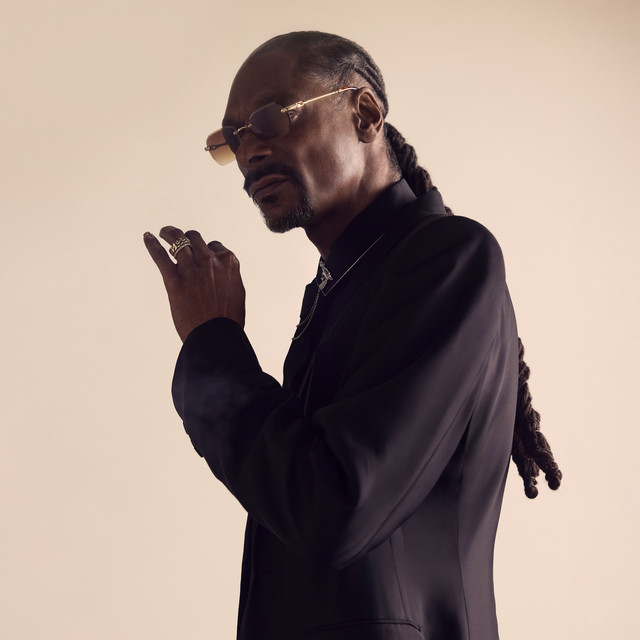
Snoop Dogg
G-Funk
Gangsta Rap
Hip Hop
5
/5
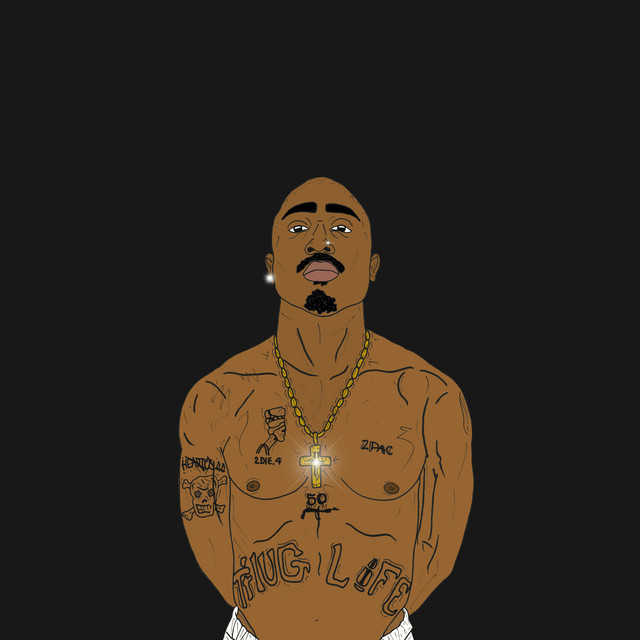
2Pac
G-Funk
Hip Hop
Gangsta Rap
5
/5
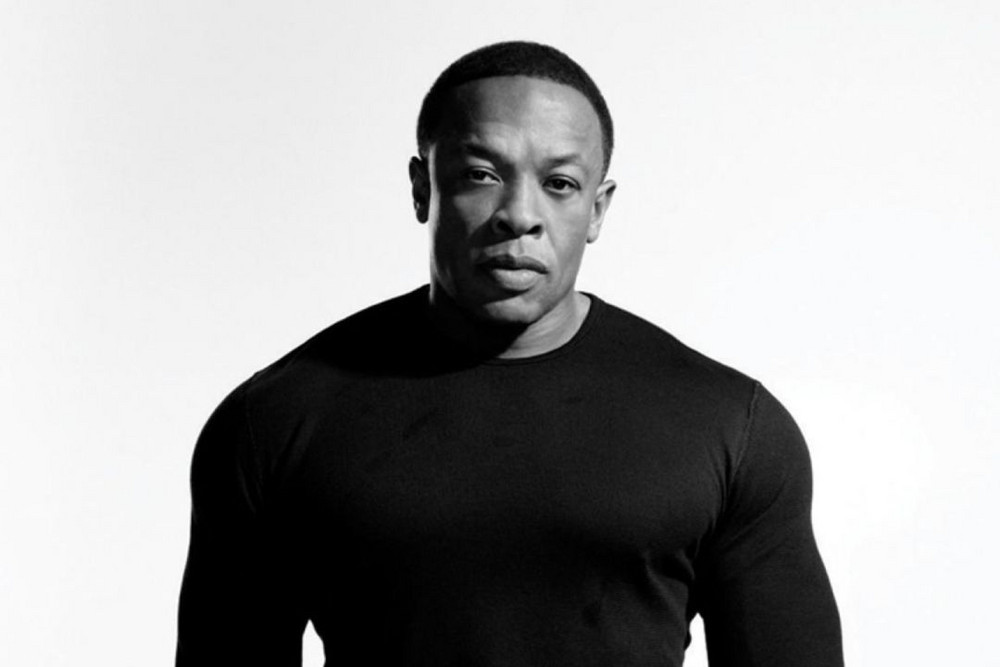
Dr. Dre
G-Funk
Hip Hop
Gangsta Rap
4
/5
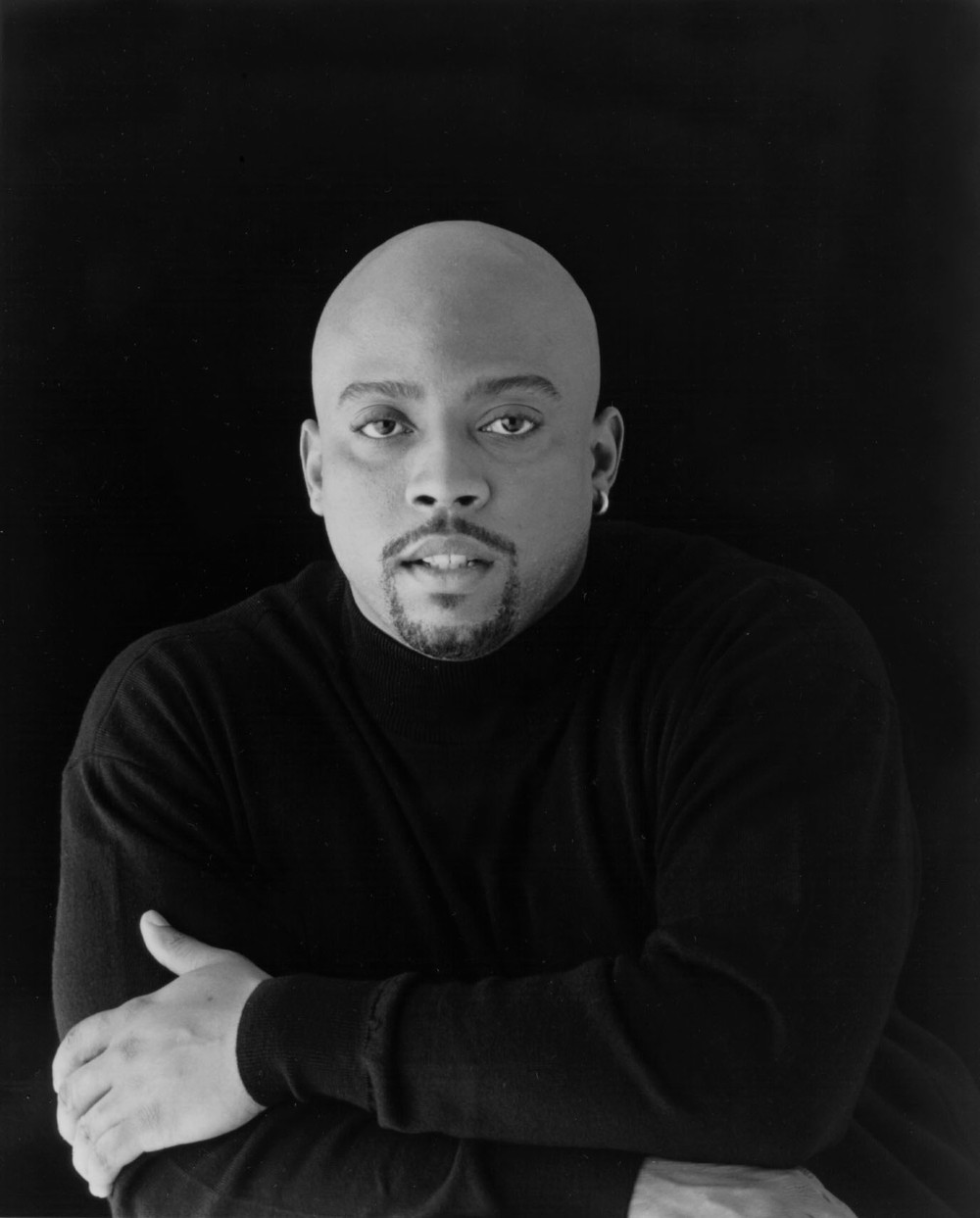
Nate Dogg
G-Funk
West Coast Hip Hop
Old School Hip Hop
4
/5
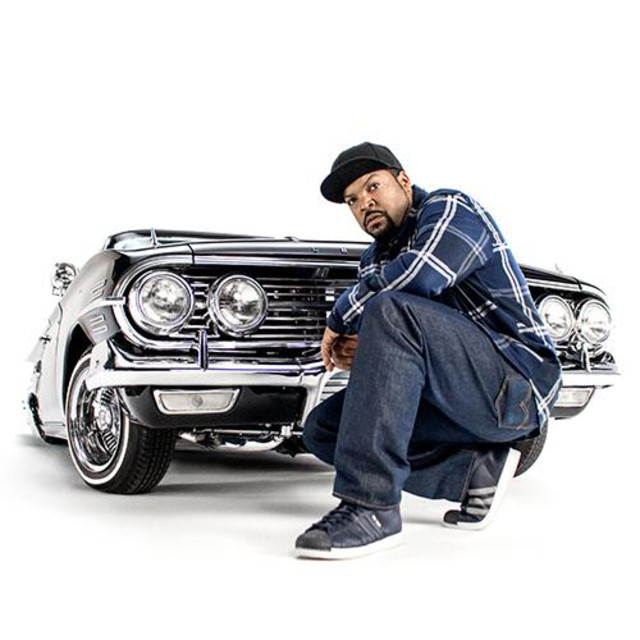
Ice Cube
G-Funk
Gangsta Rap
Hip Hop
4
/5
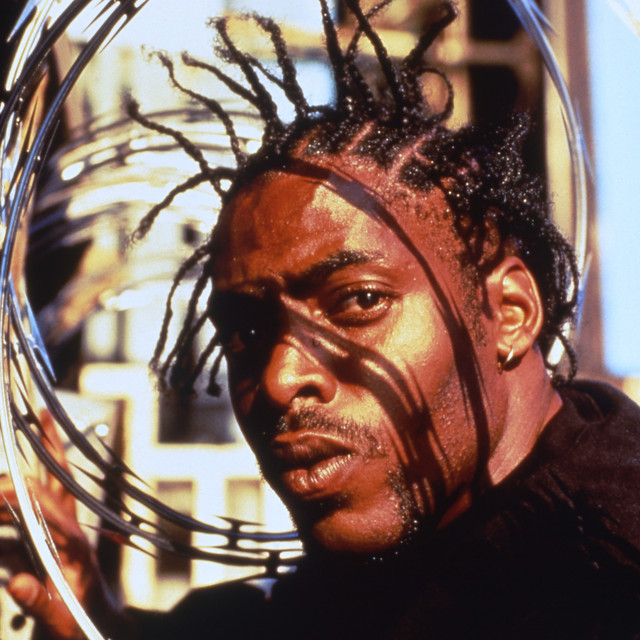
Coolio
Aussie Drill
Chill Pop
Covertronica
4
/5
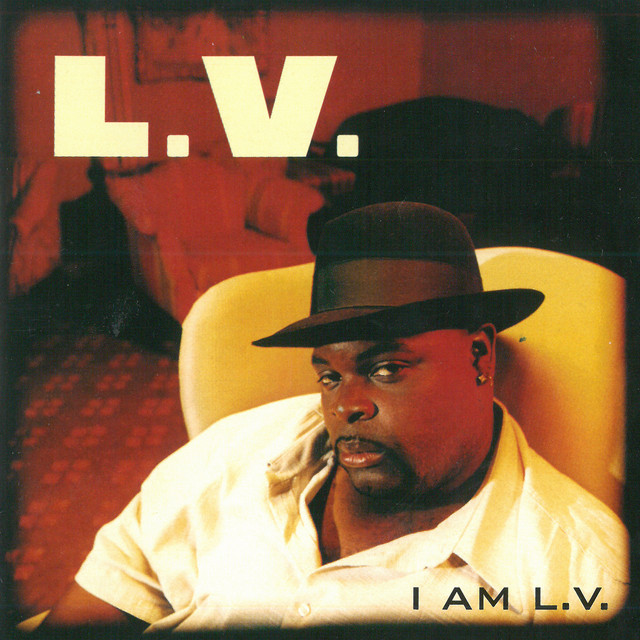
L.V.
Aussie Drill
Chill Pop
G-Funk
4
/5
Xzibit
Hardcore Hip Hop
G-Funk
Gangsta Rap
3
/5
Daz Dillinger
G-Funk
West Coast Hip Hop
Gangsta Rap
1
/5
Various Artists
Afro-Funk
Alternative Rock
Ambient
Download our mobile app
Get the Melodigging app and start digging for new genres on the go
Download on the App Store
Get it on Google Play
© 2026 Melodigging
Give feedback
Legal
Melodding was created as a tribute to
Every Noise at Once
, which inspired us to help curious minds keep digging into music's ever-evolving genres.