Genres
Artists
Albums
Make Music
Sign in
Sign in
Artists
Milonga
Artists
Milonga
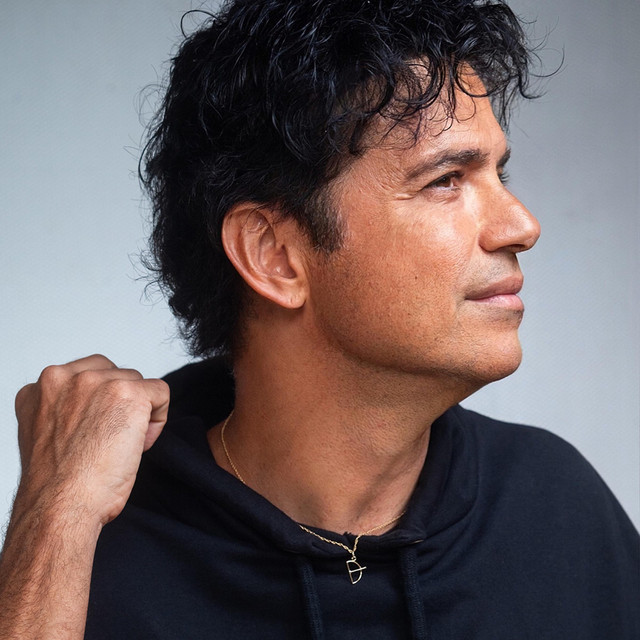
Vitor Ramil
1997–2010
·
2 albums
Listen
2
/5
Genres
Nova Mpb
Nova MPB ("new Música Popular Brasileira") is a contemporary wave of Brazilian popular music that renews the classic MPB ethos with indie, electronic, neo‑soul, and modern pop production. Artists in this scene preserve the melodic richness, poetic lyricism, and rhythmic DNA of bossa nova and samba while embracing lo‑fi textures, synth pads, and intimate, close‑mic vocals. Compared to classic MPB, nova MPB tends to be more minimalist and bedroom‑studio friendly, favoring warm, analog‑leaning timbres and restrained grooves. Lyrics often blend romantic and introspective themes with snapshots of urban life, identity, and the everyday, delivered in Portuguese with a natural, conversational flow.
Discover
Listen
Mpb
MPB (Música Popular Brasileira) is a broad Brazilian popular music movement that crystallized in the mid-1960s after bossa nova. It blends samba and other regional rhythms with jazz harmony, singer‑songwriter craft, and elements of contemporary pop and rock. The style is marked by sophisticated melodies, extended harmonies, inventive arrangements, and lyrically rich songs that often use poetry and metaphor. Many classic MPB works balance intimacy (voice and violão/nylon‑string guitar) with lush studio orchestration, drawing from samba‑canção, choro, baião, and frevo while engaging modern influences. Historically, MPB provided a platform for social commentary during Brazil’s military dictatorship, with artists employing allegory to navigate censorship. It remains a living tradition that continually renews itself through new generations (“nova MPB”).
Discover
Listen
Música Gaúcha
Música gaúcha is the traditional and popular music associated with the gaúcho culture of Rio Grande do Sul, in southern Brazil. It draws on the shared Pampa heritage with neighboring Argentina and Uruguay, blending dance rhythms such as vaneira/vanerão, xote (schottische), milonga, chamamé, bugio, and fandango. The style foregrounds accordion (gaita-ponto/accordion) and guitar, with simple, dance-led harmonies and strong, memorable melodies. Lyrics celebrate rural life, horseback culture, chimarrão (mate), the open plains, regional identity, and nostalgia for the campo, often using local vocabulary and occasional Spanishisms. While rooted in folk tradition, música gaúcha has developed a vigorous professional scene with dance bands, festival circuits, and virtuoso instrumentalists, making it both a living heritage and a contemporary, dance-floor-ready genre.
Discover
Listen
Southern Brazilian Music
Southern Brazilian music is an umbrella for the folk and dance traditions from Brazil’s southern states (Rio Grande do Sul, Santa Catarina, and Paraná), especially the gaúcho/nativista repertoire found in bailes and CTGs (Centros de Tradições Gaúchas). It blends borderland idioms such as milonga, chamamé, vaneira/vanerão, xote, rancheira, bugio, and chamarrita with European immigrant dances (polka, schottische) and the Hispanic-Rioplatense lineage (tango/milonga, payada), typically led by accordion (gaita-ponto) and guitar. Characterized by strong dance grooves in 2/4, catchy accordion melodies, and lyrics celebrating the pampas, horse culture, and everyday rural life, it ranges from reflective ballads (milonga) to energetic dance numbers (vanerão and vaneira) performed by conjuntos de baile and festival acts.
Discover
Listen
Rioplatense Music
Rioplatense music refers to the musical traditions that emerged around the Río de la Plata basin—centered on Buenos Aires (Argentina) and Montevideo (Uruguay). It blends Afro-Uruguayan rhythms, gaucho song forms, and a wide palette of European immigrant dances and salon styles into a distinctive urban sound. At its core are tango, milonga, and candombe, whose characteristic syncopations, bittersweet melodies, and expressive performance practices (rubato, arrastre, canyengue swing) embody the region’s cosmopolitan yet local identity. Typical ensembles feature bandoneón, violin, piano, double bass, and guitar, while rhythmic foundations often trace back to the Cuban habanera and Afro-Uruguayan drum patterns. Lyrics frequently use lunfardo (local slang) and dwell on love, longing, night life, migration, and urban nostalgia.
Discover
Listen
Milonga
Milonga is a Río de la Plata song genre that took shape in the late 19th century among gaucho singers (payadores) in Argentina and Uruguay, with a parallel presence in Brazil’s southern state of Rio Grande do Sul. It is widely regarded as a direct precursor to tango. Characterized by a generally slow, loping rhythm in duple meter (2/4 or 4/4), milonga is most often performed with voice and a single criolla (nylon‑string) guitar using bass‑line “bordoneo,” light syncopation, and habanera‑like cells. Texts typically use décima (espinela) stanzas and reflect rural life, love, solitude, and the vastness of the pampas. Note: Here “milonga” refers to the song/folk style (often called milonga campera), not the later, faster urban dance form of tango known as “milonga.”
Discover
Listen
Albums
2010
2
/5
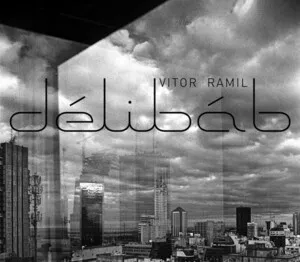
Délibáb
Vitor Ramil
Milonga
Música Gaúcha
Southern Brazilian Music
1997
1
/5
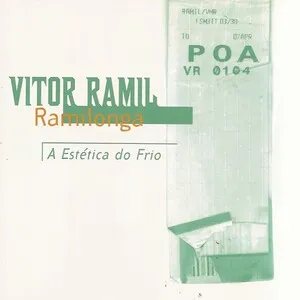
Ramilonga: A estética do frio
Vitor Ramil
Música Gaúcha
Southern Brazilian Music
Milonga
Similar artists
3
/5
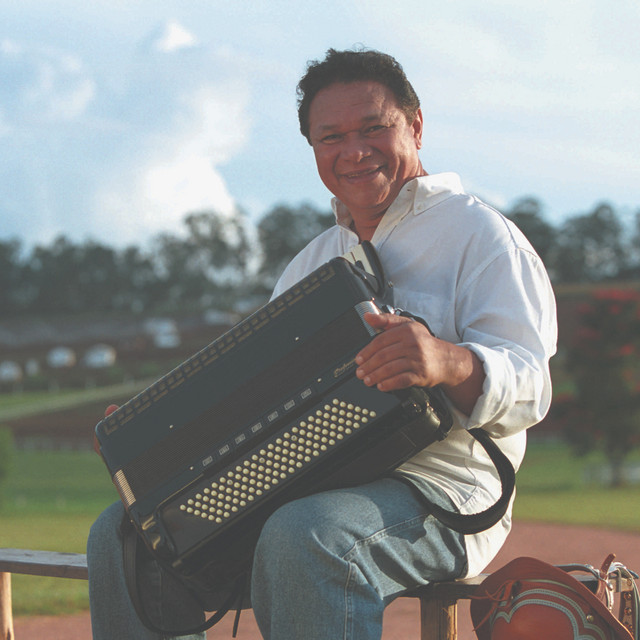
Dominguinhos
Forró
Baião
Mpb
2
/5
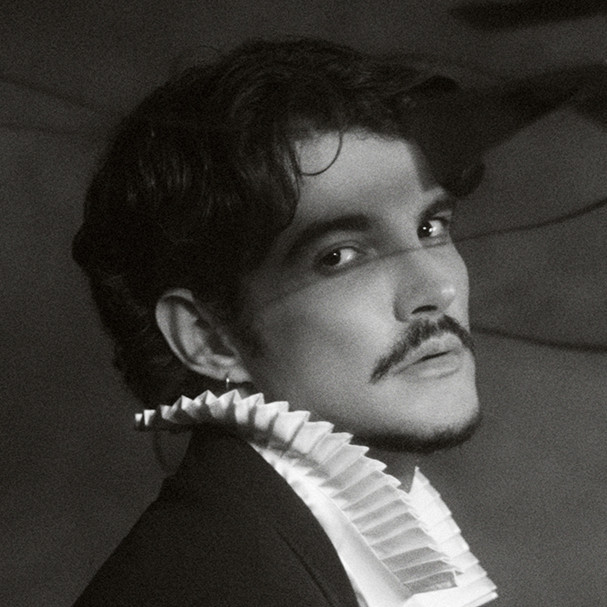
Dante Ramon Ledesma
Chamamé
Milonga
Música Gaúcha
4
/5
ANAVITÓRIA
Brazilian Pop
Mpb
Nova Mpb
4
/5
Jão
Brazilian Pop
Mpb
Nova Mpb
4
/5
Jorge Vercillo
Nova Mpb
Mpb
Trap Carioca
4
/5
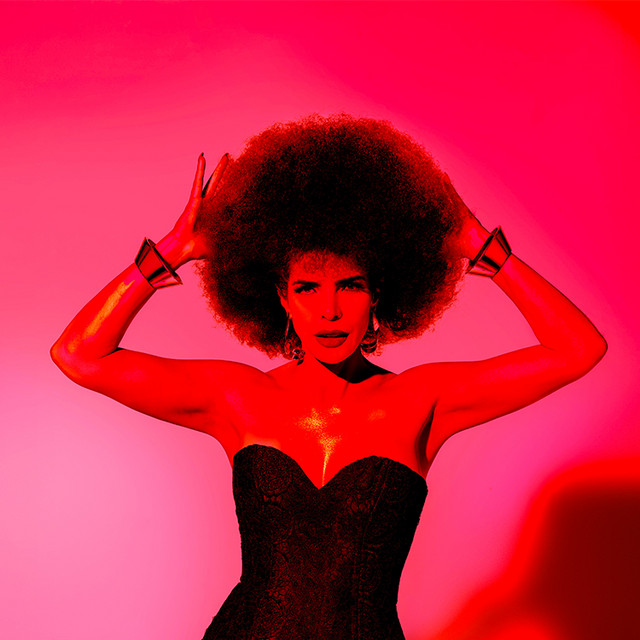
Vanessa Da Mata
Mpb
Samba
Nova Mpb
4
/5
Mari Froes
Nova Mpb
Mpb
Brazilian Trap
4
/5
Lagum
Nova Mpb
Brazilian Pop
Mpb
4
/5
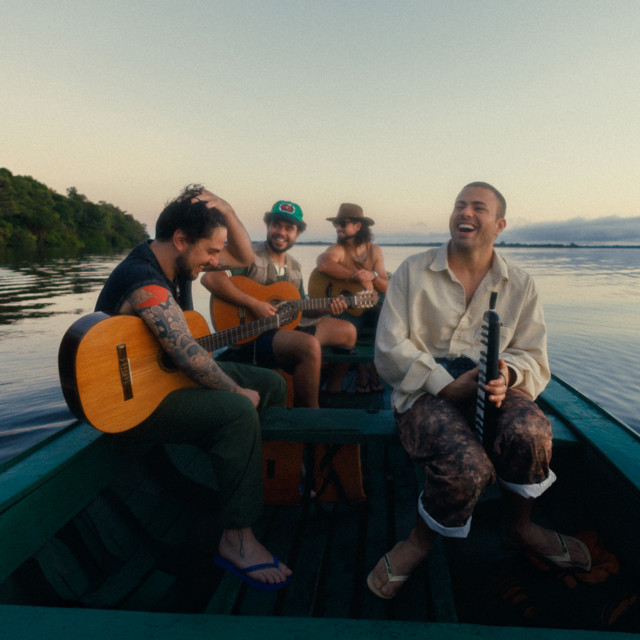
Gilsons
Mpb
Nova Mpb
Latin Afrobeat
4
/5
Melim
Nova Mpb
Brazilian Pop
Brazilian Trap
Download our mobile app
Get the Melodigging app and start digging for new genres on the go
Download on the App Store
Get it on Google Play
© 2026 Melodigging
Give feedback
Legal
Melodding was created as a tribute to
Every Noise at Once
, which inspired us to help curious minds keep digging into music's ever-evolving genres.