Genres
Artists
Albums
Make Music
Sign in
Sign in
Artists
Jazz Fusion
Artists
Jazz Fusion
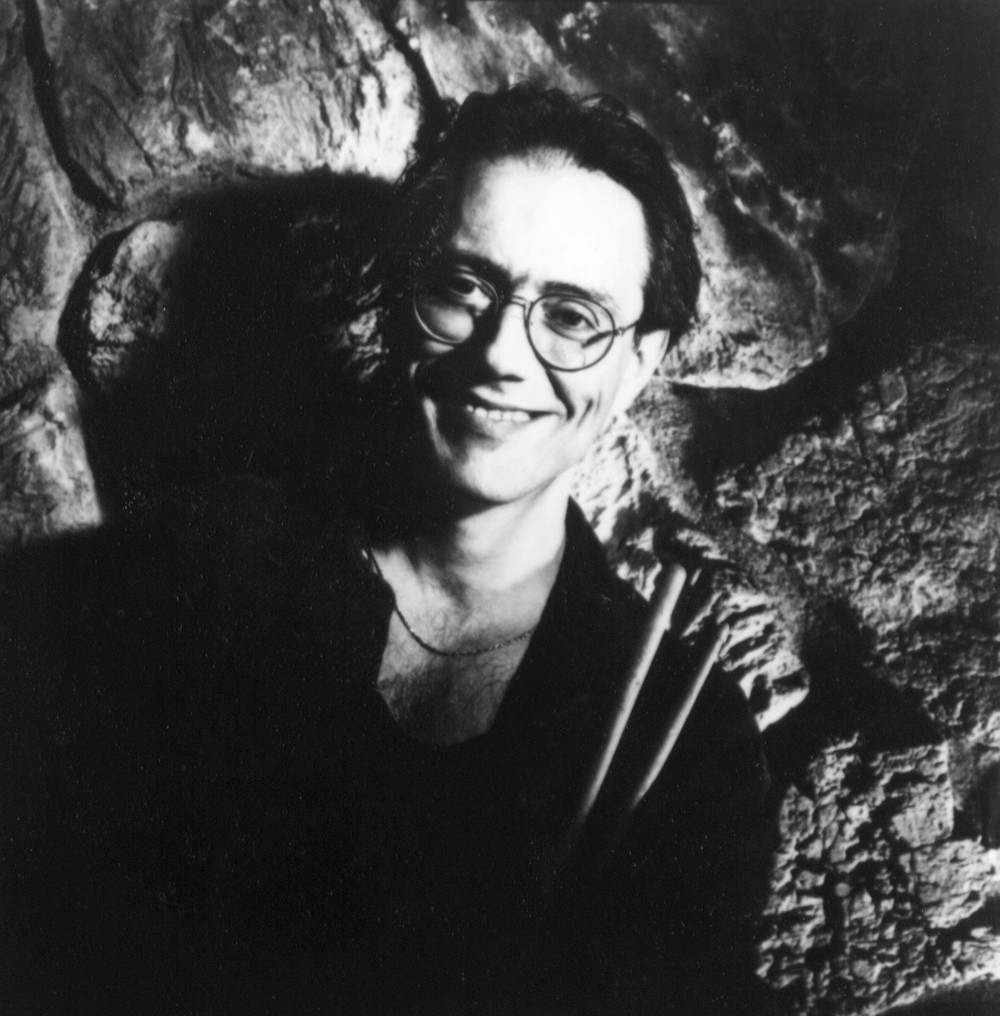
Vinnie Colaiuta
2002
·
1 album
Listen
2
/5
Genres
Jazz Fusion
Jazz fusion (often simply called "fusion") blends the improvisational language and harmonic richness of jazz with the amplified instruments, grooves, and song forms of rock, funk, and R&B. It typically features electric guitars, electric bass or fretless bass, Rhodes electric piano, clavinet, analog and digital synthesizers, and a drum kit playing backbeat- and syncopation-heavy patterns. Hallmarks include extended chords and modal harmony, complex and shifting meters, brisk unison lines, virtuosic improvisation, and a production aesthetic that embraces effects processing and studio craft. The style ranges from fiery, aggressive workouts to polished, atmospheric textures, often within the same piece. Emerging in the late 1960s and flourishing through the 1970s, jazz fusion became a bridge between jazz audiences and rock/funk listeners, shaping later styles such as jazz-funk, smooth jazz, nu jazz, and parts of progressive and technical rock/metal.
Discover
Listen
Funk
Funk is a rhythm-forward African American popular music style that centers on groove, syncopation, and interlocking parts. Rather than emphasizing complex chord progressions, funk builds tight, repetitive vamps that highlight the rhythm section and create an irresistible dance feel. The genre is marked by syncopated drum patterns, melodic yet percussive bass lines, choppy guitar "chanks," punchy horn stabs, call‑and‑response vocals, and a strong backbeat. Funk’s stripped-down harmony, prominent use of the one (accenting the downbeat), and polyrhythmic layering draw deeply from soul, rhythm and blues, jazz, gospel, and African rhythmic traditions. From James Brown’s late-1960s innovations through the expansive P-Funk universe and the slicker sounds of the 1970s and 1980s, funk has continually evolved while seeding countless other genres, from disco and hip hop to house and modern R&B.
Discover
Listen
Pop
Pop is a broad, hook-driven style of popular music designed for wide appeal. It emphasizes memorable melodies, concise song structures, polished vocals, and production intended for radio, charts, and mass media. While pop continually absorbs elements from other styles, its core remains singable choruses, accessible harmonies, and rhythmic clarity. Typical forms include verse–pre-chorus–chorus, frequent use of bridges and middle-eights, and ear-catching intros and outros. Pop is not defined by a single instrumentation. It flexibly incorporates acoustic and electric instruments, drum machines, synthesizers, and increasingly digital production techniques, always in service of the song and the hook.
Discover
Listen
Rock
Rock is a broad family of popular music centered on amplified instruments, a strong backbeat, and song forms that foreground riffs, choruses, and anthemic hooks. Emerging from mid‑20th‑century American styles like rhythm & blues, country, and gospel-inflected rock and roll, rock quickly expanded in scope—absorbing folk, blues, and psychedelic ideas—while shaping global youth culture. Core sonic markers include electric guitar (often overdriven), electric bass, drum kit emphasizing beats 2 and 4, and emotive lead vocals. Rock songs commonly use verse–chorus structures, blues-derived harmony, and memorable melodic motifs, ranging from intimate ballads to high‑energy, stadium‑sized performances.
Discover
Listen
Jazz Drums
Jazz drums refers to the art and practice of playing the drum set in jazz, where the drummer shapes time, texture, and dynamics for improvising ensembles. It is characterized by a swinging ride-cymbal pulse (the “spang‑a‑lang” pattern), syncopated “comping” on snare and bass drum, light hi‑hat on beats 2 and 4, and extensive use of brushes. Jazz drummers prioritize touch, nuance, and interaction—coloring the music with cymbal tones, cross‑stick, ghost notes, and dynamic swells while responding in real time to soloists. From early New Orleans ensembles to bebop, modal, free, and fusion contexts, jazz drums evolved into a virtuosic, conversational role: moving the time to the ride cymbal (Kenny Clarke), expanding independence and melodic phrasing (Max Roach), and introducing polyrhythms, metric modulation, and global rhythmic vocabularies.
Discover
Listen
Jazz
Jazz is an improvisation-centered music tradition that emerged from African American communities in the early 20th century. It blends blues feeling, ragtime syncopation, European harmonic practice, and brass band instrumentation into a flexible, conversational art. Defining features include swing rhythm (a triplet-based pulse), call-and-response phrasing, blue notes, and extended harmonies built on 7ths, 9ths, 11ths, and 13ths. Jazz is as much a way of making music—spontaneous interaction, variation, and personal sound—as it is a set of forms and tunes. Across its history, jazz has continually hybridized, from New Orleans ensembles and big-band swing to bebop, cool and hard bop, modal and free jazz, fusion, and contemporary cross-genre experiments. Its influence permeates global popular and art music.
Discover
Listen
Albums
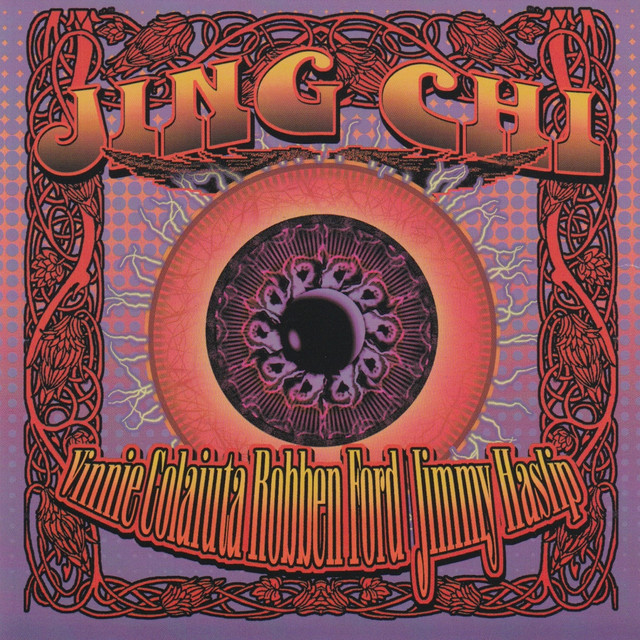
2002
Jing Chi
Vinnie Colaiuta, Robben Ford, Jimmy Haslip
Jazz Drums
Similar artists
3
/5
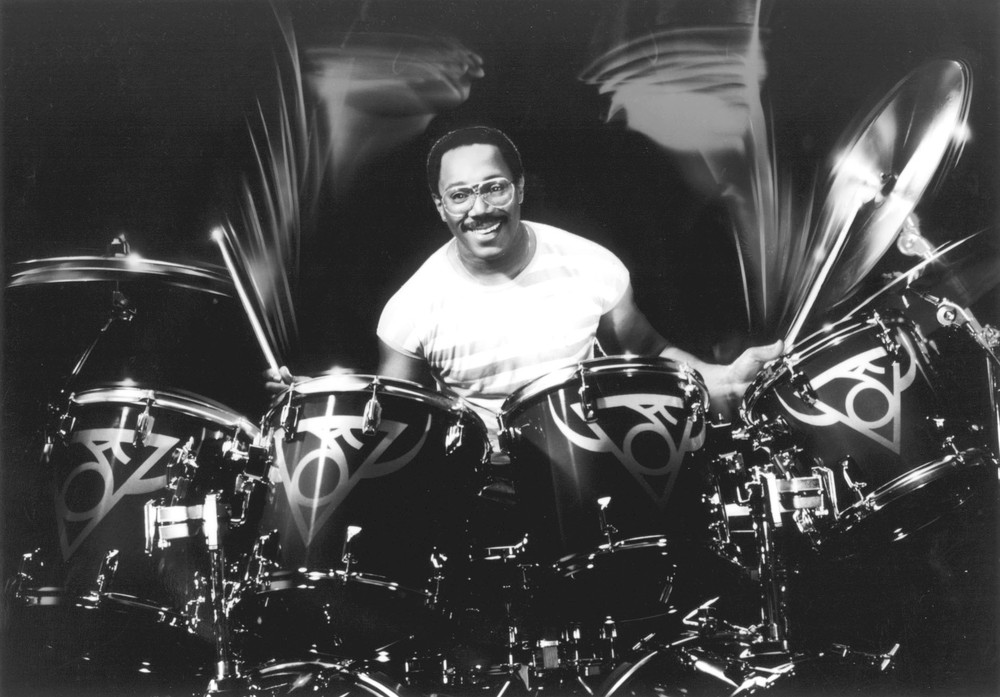
Billy Cobham
Jazz Fusion
Jazz Rock
Jazz
3
/5
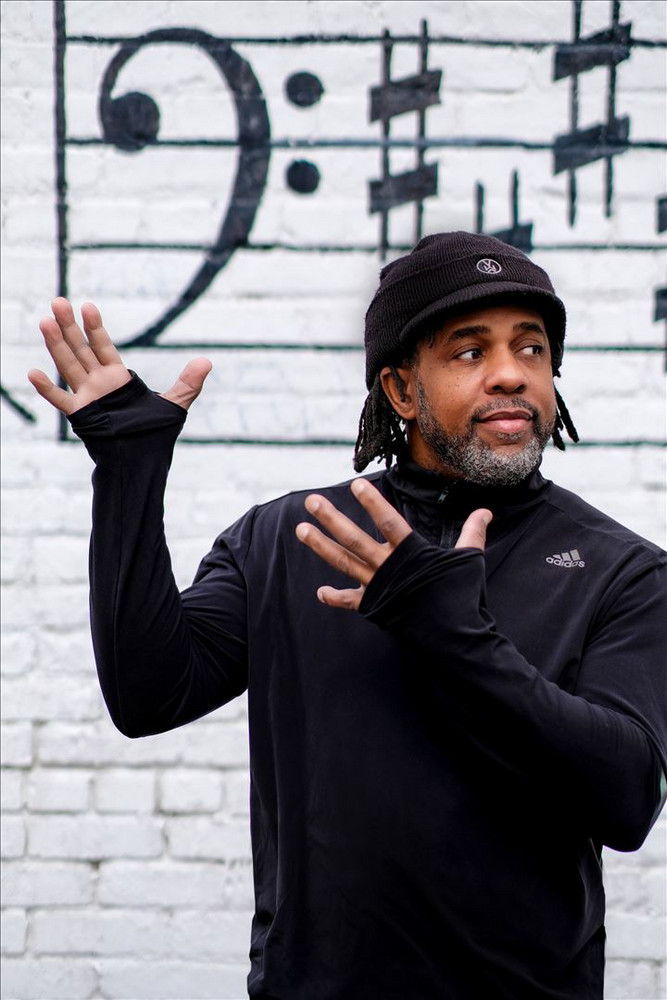
Victor Wooten
Jazz
Jazz Fusion
Jazz-Funk
4
/5
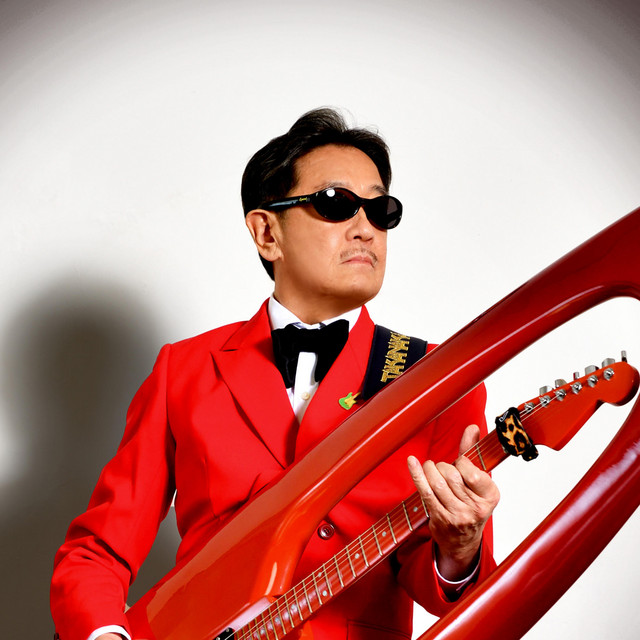
Masayoshi Takanaka
Jazz Fusion
Jazz-Funk
City Pop
1
/5
Various Artists
Soundtrack
Afro-Funk
Alternative Rock
3
/5
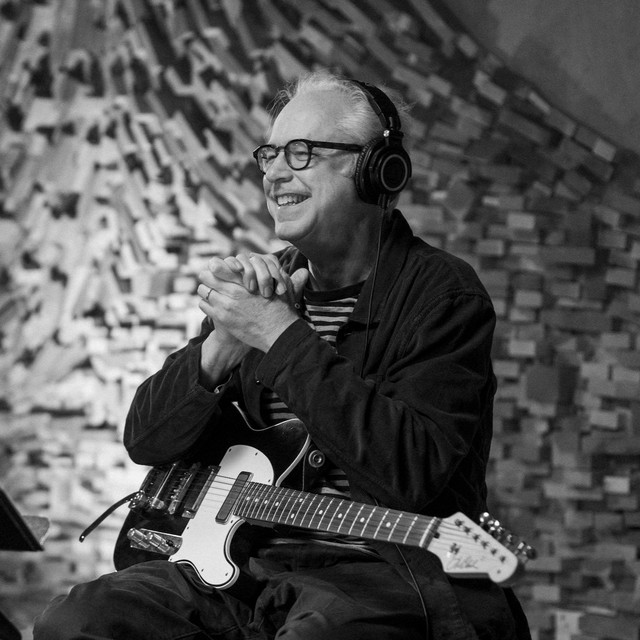
Bill Frisell
Jazz
Free Jazz
Folk
3
/5
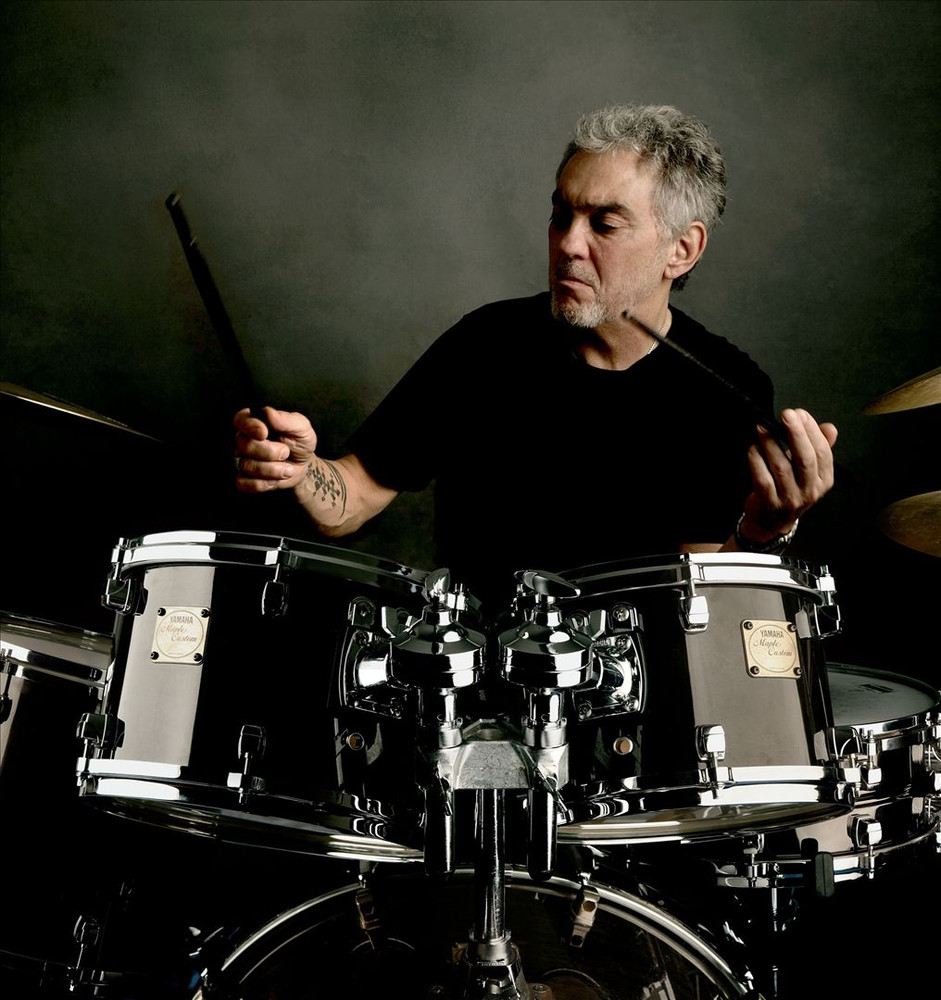
Steve Gadd
Jazz
Jazz Fusion
Jazz-Funk
3
/5
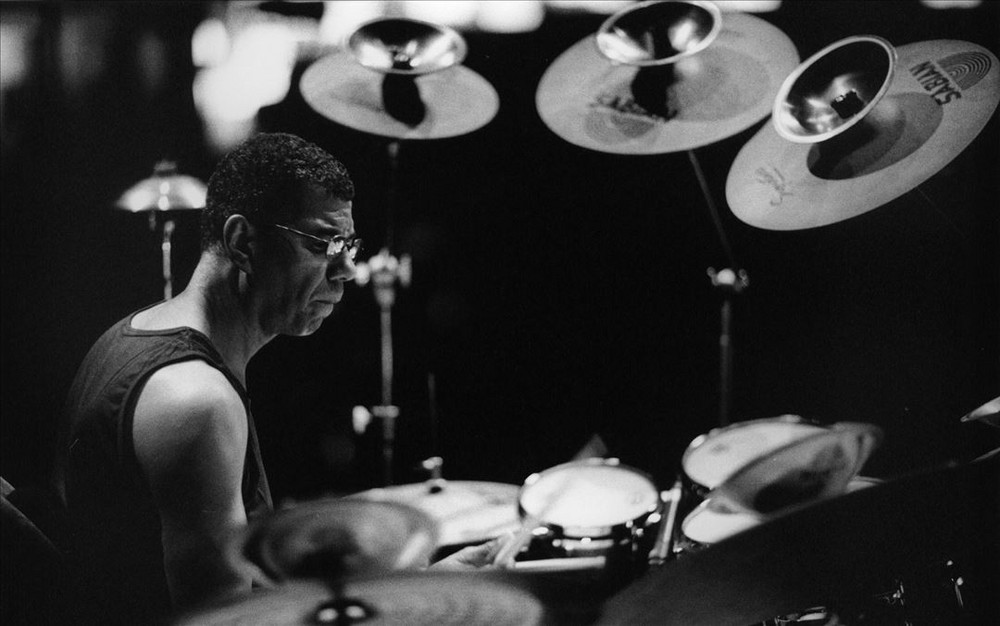
Jack DeJohnette
Jazz
Post-Bop
Ecm Style Jazz
3
/5
Jon Christensen
Jazz
Jazz Fusion
Jazz Drums
2
/5
Peter Erskine
Jazz
Jazz Fusion
Jazz Drums
2
/5
Alan Pasqua
Jazz
Jazz Fusion
Jazz Drums
Download our mobile app
Get the Melodigging app and start digging for new genres on the go
Download on the App Store
Get it on Google Play
© 2026 Melodigging
Give feedback
Legal
Melodding was created as a tribute to
Every Noise at Once
, which inspired us to help curious minds keep digging into music's ever-evolving genres.