Genres
Artists
Albums
Make Music
Sign in
Sign in
Artists
Microtonal
Artists
Microtonal
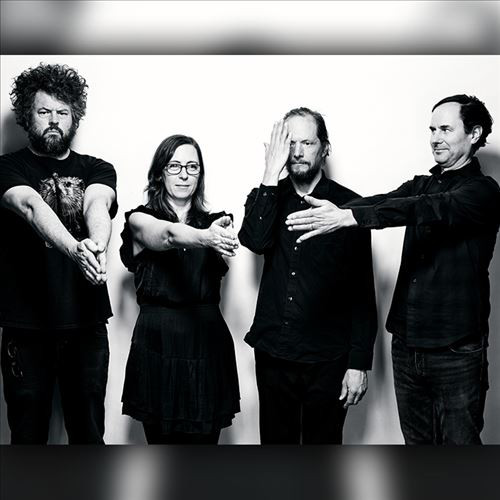
uSSSy
2013
·
1 album
Listen
Genres
Math Rock
Math rock is a subgenre of indie and experimental rock defined by complex, irregular rhythms, sudden dynamic shifts, and angular, interlocking guitar lines. It frequently employs odd and mixed meters (such as 5/4, 7/8, 11/8), polyrhythms, start–stop figures, and intricate syncopation. Guitars often favor clean or lightly overdriven tones, tapping, and harmonically adventurous voicings over traditional power-chord riffing. Vocals, if present, are usually sparse, textural, or rhythmically coordinated with the ensemble rather than the primary focal point. Aesthetically, math rock draws from the precision and structural ambition of progressive rock, the urgency of post-hardcore, and the textural curiosity of indie and noise rock, resulting in music that feels both cerebral and visceral.
Discover
Listen
Noise Rock
Noise rock is a subgenre of rock that deliberately embraces distortion, feedback, dissonance, and abrasive textures as primary musical materials rather than mere effects. It prioritizes timbre, volume, and sonic density over conventional melody and harmony, often using nonstandard tunings, prepared or detuned guitars, and extended techniques to generate harsh overtones and sheets of sound. Rhythm sections tend to be driving and repetitive, anchoring the chaos with motorik pulses, lurching grooves, or pummeling, minimal patterns. Vocals range from spoken and murmured to shouted and cathartic, with lyrics that skew cryptic, confrontational, or surreal. Aesthetically, noise rock traces a line from punk’s anti-virtuosity and DIY ethos through no wave’s iconoclasm and the avant-garde’s interest in sound-as-sound, yielding music that can be physically intense, psychologically unsettling, and artistically exploratory.
Discover
Listen
Microtonal
Microtonal music is any music that uses pitch intervals smaller than the 12-tone equal-tempered semitone or uses alternative tunings that divide the octave into a different number of steps. Rather than being bound to 12 equal notes per octave, microtonal composers and performers work with just intonation (pure, whole-number ratios), equal divisions of the octave such as 19-EDO, 24-EDO, 31-EDO, or 53-EDO, and non-octave or non-equal systems. While many non-Western traditions historically employ intervals that do not fit 12‑TET (e.g., Arabic maqām, Turkish makam, Persian dastgāh, Indian raga, and Indonesian gamelan), the term “microtonal” in a modern sense usually refers to the deliberate exploration of these and other tunings in contemporary composition, experimental classical, rock/metal, and electronic music. The focus is on expanding consonance/dissonance palettes, unlocking new chordal colors, and discovering novel melodic gestures that 12‑TET obscures.
Discover
Listen
Albums
2013
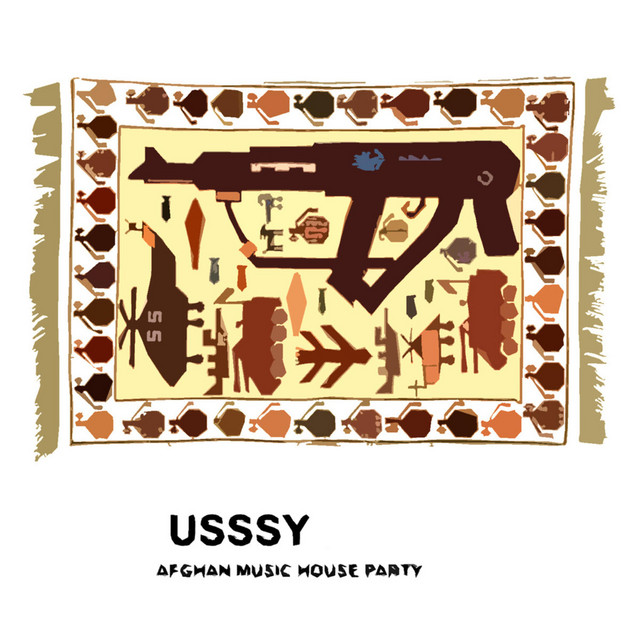
Afghan Music Home Party
Usssy
Microtonal
Similar artists
1
/5
The Mercury Tree
Microtonal
Math Rock
Progressive Metal
2
/5
Horse Lords
Totalism
Experimental
Krautrock
4
/5
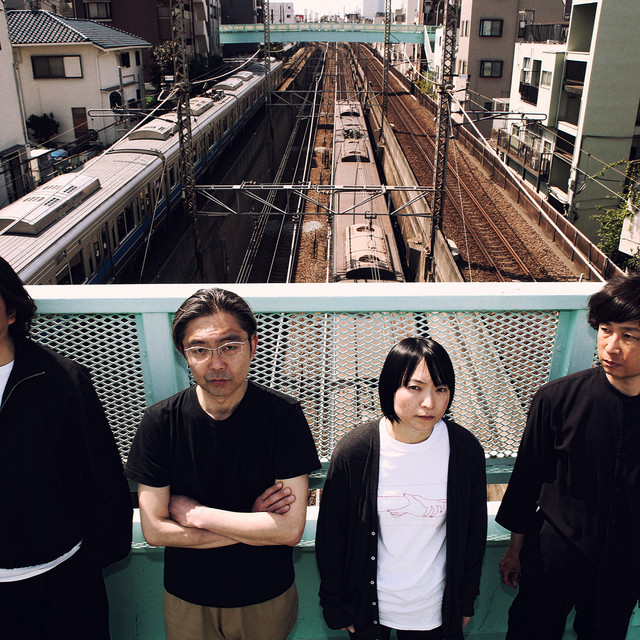
MASS OF THE FERMENTING DREGS
J-Rock
Math Rock
Shibuya-Kei
3
/5
Angine de Poitrine
Experimental Rock
Math Rock
Art Rock
3
/5
Parannoul
Korean Shoegaze
Shoegaze
Emo
3
/5
black midi
Math Rock
Experimental Rock
Noise Rock
3
/5
Unwound
Post-Hardcore
Noise Rock
Emocore
3
/5
Slint
Math Rock
Post-Hardcore
Post-Rock
3
/5
Number Girl
Post-Hardcore
J-Rock
Japanese Indie
2
/5
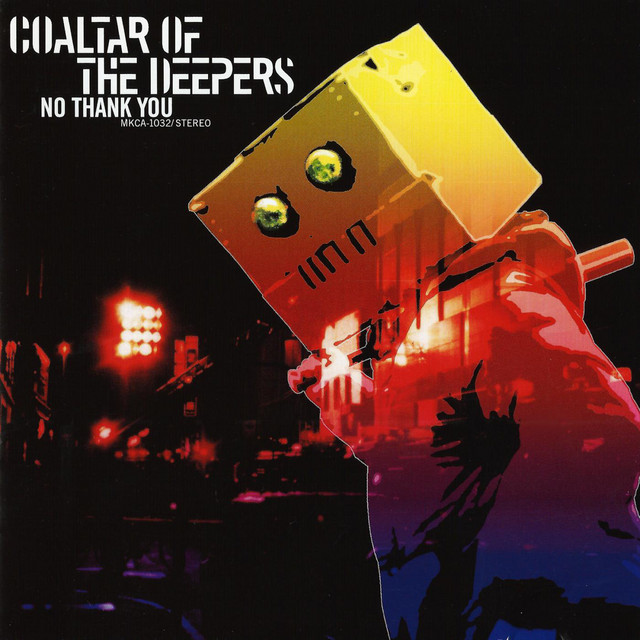
Coaltar Of The Deepers
Shoegaze
Alternative Rock
Dream Pop
Download our mobile app
Get the Melodigging app and start digging for new genres on the go
Download on the App Store
Get it on Google Play
© 2026 Melodigging
Give feedback
Legal
Melodding was created as a tribute to
Every Noise at Once
, which inspired us to help curious minds keep digging into music's ever-evolving genres.