Genres
Artists
Albums
Make Music
Sign in
Sign in
Artists
Choral
Artists
Choral
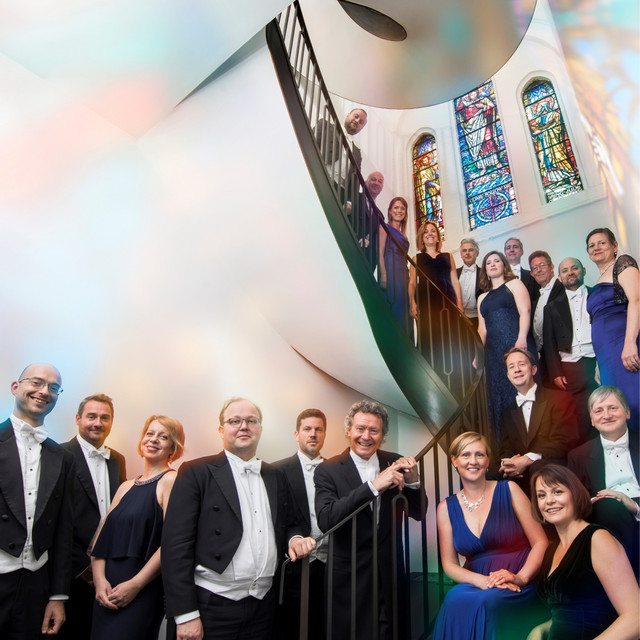
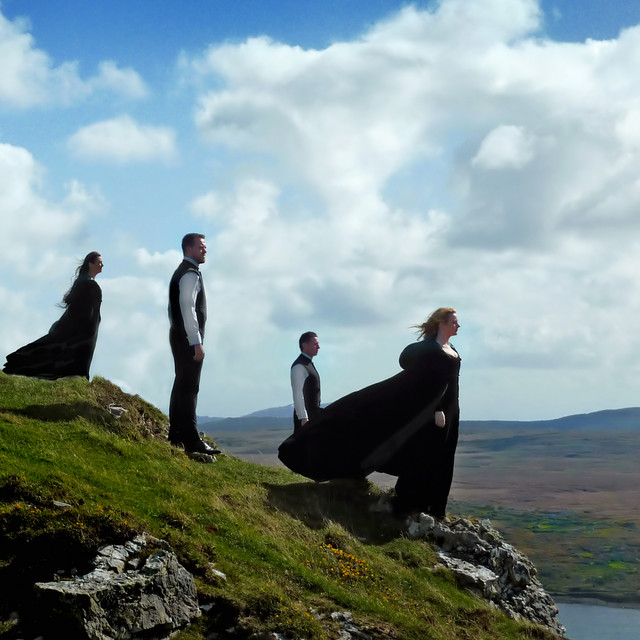
Trio Mediæval
2001–2010
·
4 albums
Listen
2
/5
Genres
Early Music
Early music is a modern performance movement devoted to the repertoire of the Medieval, Renaissance, and early Baroque eras (roughly before c. 1750), approached with historically informed performance (HIP) practices. It emphasizes period instruments (or faithful replicas), historical tunings and temperaments, original notations and sources, and performance conventions documented in treatises of the time. The sound world ranges from monophonic chant and modal organum, to intricate Renaissance polyphony, to the emergence of basso continuo and dramatic affect in the early Baroque. Rather than being a single historical style, early music is a contemporary practice of reviving diverse pre‑Classical musics with scholarly rigor and artistic vitality.
Discover
Listen
Classical Performance
Classical performance refers to the interpretive tradition of presenting Western classical repertoire in concert and studio settings. Rather than defining a compositional style, it describes how ensembles and soloists realize written scores through technique, tone, phrasing, and stylistic choices across eras from Baroque to contemporary. It centers on fidelity to the score and historically informed practice, while allowing space for interpretive nuance such as tempo flexibility, articulation, and dynamic shading. Typical forces include soloists, chamber groups, choirs, and orchestras performing in acoustically resonant venues or purpose-built studios, captured by production teams specialized in naturalistic sound.
Discover
Listen
Norwegian Folk Music
Norwegian folk music is a regional tradition centered on the Hardanger fiddle (Hardingfele), kveding (traditional solo song), and a family of couple- and solo-dances such as springar, gangar, halling, and pols. It uses modal melodies (often Dorian and Mixolydian), drones, and distinctive asymmetric triple meters in which the three beats are of unequal length. Characteristic instruments include the Hardanger fiddle with sympathetic strings and scordatura tunings, standard fiddle, langeleik (zither), seljefløyte (willow flute), wooden lur, bukkehorn (goat horn), munnharpe (jaw harp), and later accordion. Vocal genres range from short, epigrammatic stev to medieval ballads and free, ornamented kveding styles. Ornamentation, double-stops, drones, and dance-driven bowing patterns are core to the sound. The repertoire is organized into slåtter (tunes) linked to particular dances and regions, carrying strong local identities (bygdedans). While deeply rooted in rural tradition, it has continually evolved through collectors, revivals, and collaborations with jazz, classical, and contemporary folk scenes.
Discover
Listen
Classical
Classical music is the notated art-music tradition of Europe and its global descendants, characterized by durable forms, carefully codified harmony and counterpoint, and a literate score-based practice. The term “classical” can refer broadly to the entire Western art-music lineage from the Medieval era to today, not just the Classical period (c. 1750s–1820s). It privileges long-form structures (such as symphonies, sonatas, concertos, masses, and operas), functional or modal harmony, thematic development, and timbral nuance across ensembles ranging from solo instruments to full orchestras and choirs. Across centuries, the style evolved from chant and modal polyphony to tonal harmony, and later to post-tonal idioms, while maintaining a shared emphasis on written notation, performance practice, and craft.
Discover
Listen
Gregorian Chant
Gregorian chant is the central Western tradition of plainchant: a monophonic, unaccompanied sacred song in Latin (and occasionally Greek) used in the Roman Catholic liturgy. It employs free rhythm guided by the prosody of the text rather than by strict meter, and is sung in unison by clerics or scholas. Its melodies are organized by the system of eight church modes, with characteristic finalis (final), tenor/reciting tones, and melodic formulas. Repertoires include the Proper and Ordinary of the Mass (e.g., Introit, Gradual, Alleluia, Offertory, Communion, Kyrie, Gloria, Credo, Sanctus, Agnus Dei) and the Divine Office (e.g., Antiphons, Responsories, Hymns, Psalms). Although legend credits Pope Gregory I, modern scholarship sees Gregorian chant as a Carolingian synthesis of Old Roman and Gallican chants, standardized across Frankish realms and later the broader Latin West.
Discover
Listen
Medieval
Medieval music refers to the diverse sacred and secular musical practices of Europe between the fall of the Western Roman Empire and the dawn of the Renaissance. It spans more than eight centuries, from early monophonic chant to the first notated polyphony. Core features include the use of church modes rather than major/minor, extensive reliance on vocal music (Latin sacred chant as well as vernacular song), and the progressive development from unmeasured chant to rhythmic modal notation and, later, mensural notation. Texture evolves from monophony (plainchant, troubadour songs) to organum, conductus, and the motet, culminating in complex isorhythmic works by the late 13th–14th centuries. Secular traditions—troubadours and trouvères in France, Minnesänger in German lands, and the Iberian Cantigas—coexisted with and influenced sacred practice. Instruments such as the vielle, harp, psaltery, recorder, shawm, hurdy-gurdy, and portative organ often doubled or accompanied voices, though much music remained purely vocal.
Discover
Listen
Choral
Choral refers to music written for and performed by a choir—an ensemble of voices organized into sections such as soprano, alto, tenor, and bass (SATB), or same-voice groupings (SSA, TTBB). It encompasses both sacred and secular repertoire and may be sung a cappella or with accompaniment by organ, piano, or full orchestra. Stylistically, choral music ranges from chant-like monophony to intricate polyphony and rich homophonic textures. Texts are drawn from liturgy, scripture, poetry, and vernacular sources, and are set in many languages. Performance contexts include church services, concert halls, and community events, making choral one of the most socially embedded and widely practiced forms of ensemble music. Across history, choral music has served as a laboratory for vocal counterpoint, word painting, and text-driven form, while functioning as a cultural bridge among religious rites, national traditions, and contemporary concert practice.
Discover
Listen
Show all 7 genres
Albums
2010
1
/5
Norske Ballader: 30 Ballader Om Drap Og Elskov, Skjemt Og Lengsel Blant Riddere, Jomfruer, Kjemper O
Trio Mediæval
Classical Performance
2010
1
/5
Norske Ballader: 30 Ballader Om Drap Og Elskov, Skjemt Og Lengsel Blant Riddere, Jomfruer, Kjemper O
Trio Mediæval
Classical Performance
2007
2
/5
Folk Songs
Trio Mediaeval
Norwegian Folk Music
2001
1
/5
Words of the Angel
Trio Mediaeval
Gregorian Chant
Similar artists
3
/5
The Sixteen
Choral
Classical Performance
Gregorian Chant
3
/5
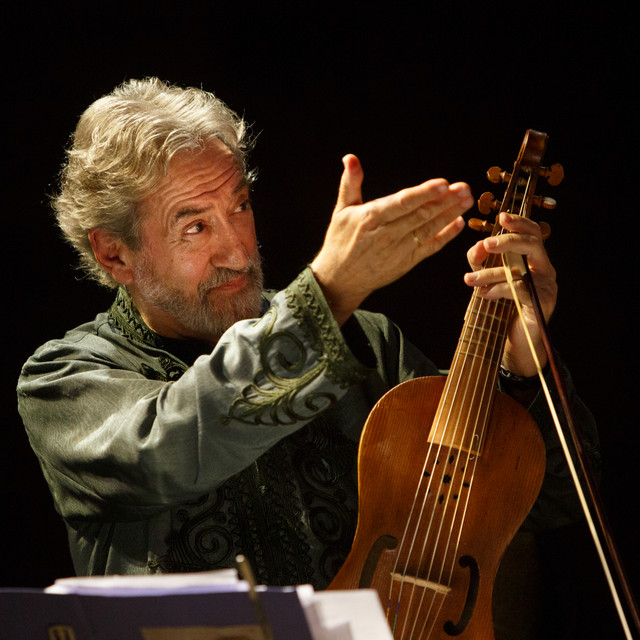
Jordi Savall
Renaissance
Baroque
Classical
3
/5
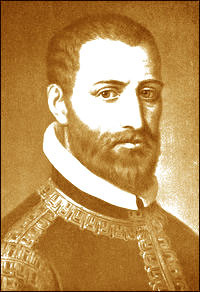
Giovanni Pierluigi da Palestrina
Renaissance
Classical
Choral
3
/5
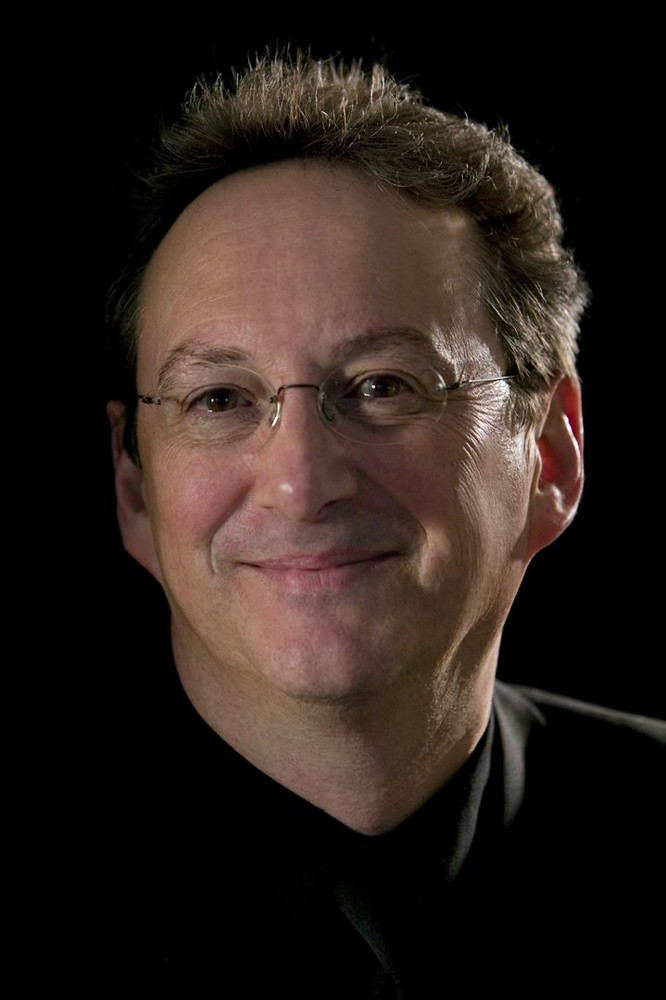
Peter Phillips
Choral
Renaissance
Requiem
3
/5
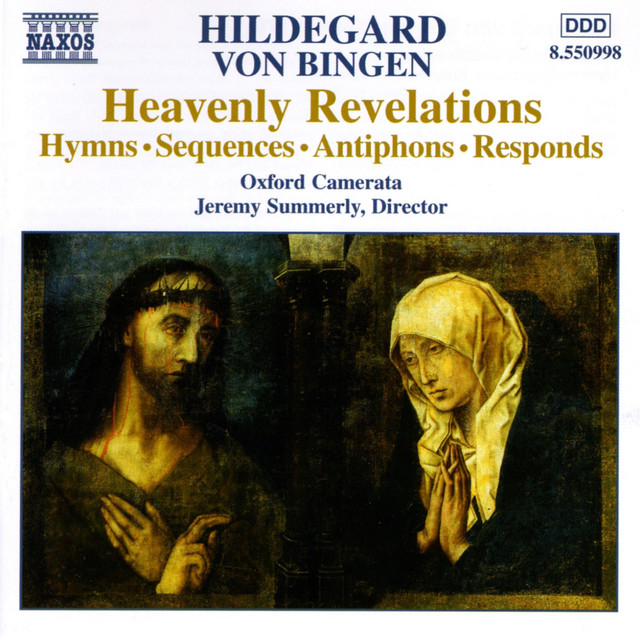
Oxford Camerata
Gregorian Chant
Medieval
Classical
3
/5
Harry Christophers
Choral
Classical Performance
Gregorian Chant
3
/5
The Tallis Scholars
Choral
Renaissance
Requiem
3
/5
Paul Hillier
Choral
Minimalism
Classical
3
/5
Anúna
Celtic
Choral
Gregorian Chant
3
/5
Jeremy Summerly
Gregorian Chant
Medieval
Classical
Download our mobile app
Get the Melodigging app and start digging for new genres on the go
Download on the App Store
Get it on Google Play
© 2026 Melodigging
Give feedback
Legal
Melodding was created as a tribute to
Every Noise at Once
, which inspired us to help curious minds keep digging into music's ever-evolving genres.