Genres
Artists
Albums
Make Music
Sign in
Sign in
Artists
Latin Shoegaze
Artists
Latin Shoegaze
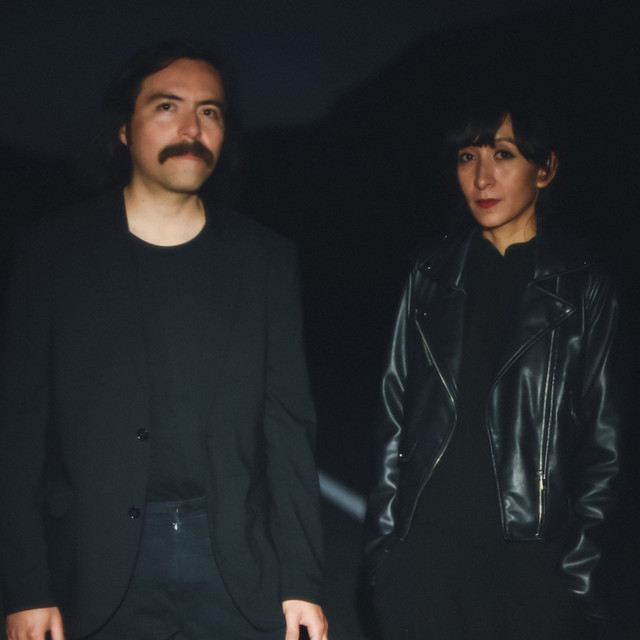
Triángulo de Amor Bizarro
Listen
3
/5
Genres
Latin Shoegaze
Latin shoegaze blends the hazy guitar textures, blurred vocals, and immersive atmospheres of classic shoegaze with Latin American and Iberian indie sensibilities. It typically features walls of reverb- and delay-drenched guitars, dreamy or breathy singing in Spanish or Portuguese, and subtle rhythmic inflections drawn from local rock scenes. Compared with its UK/US predecessors, Latin shoegaze often leans a bit brighter and more melodic, while retaining the genre’s signature wash of sound and introspective mood. As a scene, it coalesced around DIY indie circuits and festivals in Mexico, Chile, Argentina, Peru, Brazil, Spain, and beyond, thriving on Bandcamp-era discovery and cross-border collaboration.
Discover
Listen
Diy Emo
DIY emo is a grassroots, home-recorded and community-driven branch of contemporary emo that blends twinkly Midwest-emo guitar work, confessional lyricism, and pop-punk urgency with a distinctly lo‑fi, self-produced aesthetic. It foregrounds the ethics of the do‑it‑yourself underground: basement shows, tape or Bandcamp releases, collective touring, and a preference for intimacy over polish. Sonically, it leans on clean, chiming guitars, melodic basslines, dynamic drumming, and unvarnished vocals that veer from soft-spoken to cathartic sing-alongs. Rather than chasing radio gloss, DIY emo embraces rawness and vulnerability—often capturing the feel of a crowded living room show—while channeling themes of friendship, mental health, hometowns, and the bittersweet transitions of early adulthood.
Discover
Listen
Indie Rock
Indie rock is a subgenre of rock and a branch of alternative rock that coalesced in the early–mid 1980s around independent labels and DIY practices in the United Kingdom, the United States, and New Zealand. Defined less by a single sound than by an ethos, indie rock favors non‑mainstream approaches, self‑recording and small‑label distribution, and an interest in pop‑informed melody and eclectic experimentation. Hallmarks include jangly or fuzzed guitars, intimate or deadpan vocals, off‑kilter song structures, and production that often preserves a raw, “authentic” feel rather than glossy studio polish.
Discover
Listen
Post-Punk
Post-punk is a broadly experimental strain of rock that emerged in the late 1970s as artists sought to push beyond the speed, simplicity, and orthodoxy of first-wave punk. It typically features angular, bass-forward grooves; jagged or minimal guitar lines; stark, spacious production; and an openness to dub, funk, electronic, and avant-garde ideas. Lyrics often examine alienation, urban decay, politics, and the inner life with artful or abstract delivery. A studio-as-instrument approach, emphasis on rhythm section interplay, and an appetite for non-rock textures (tape effects, drum machines, found sound, synths) distinguish the style. The result can be danceable yet tense, cerebral yet visceral, and emotionally restrained yet intensely expressive.
Discover
Listen
Similar artists
2
/5
Buenos Vampiros
Latin Shoegaze
Dream Pop
Indie Rock
4
/5
Soda Stereo
Rock
Argentine Rock
Latin Rock
3
/5
Los Planetas
Rock Andaluz
Indie Rock
Latin Shoegaze
2
/5
Lupe De Lupe
Latin Shoegaze
Indie Rock
Lo-Fi
2
/5
Sad Madona
Coldwave
Dark Wave
Gothic Rock
2
/5
terraplana
Dream Pop
Latin Shoegaze
Shoegaze
2
/5
Guerra Fría
Latin Shoegaze
Post-Punk
Modern Darkwave
2
/5
Fin del Mundo
Latin Shoegaze
Alternative Rock
Emo
2
/5
Sakatumba
Latin Shoegaze
Post-Punk
2
/5
Lorelle Meets The Obsolete
Latin Shoegaze
Shimmer Psych
Indie Rock
Download our mobile app
Get the Melodigging app and start digging for new genres on the go
Download on the App Store
Get it on Google Play
© 2026 Melodigging
Give feedback
Legal
Melodding was created as a tribute to
Every Noise at Once
, which inspired us to help curious minds keep digging into music's ever-evolving genres.