Genres
Artists
Albums
Make Music
Sign in
Sign in
Artists
Afrobeat
Artists
Afrobeat
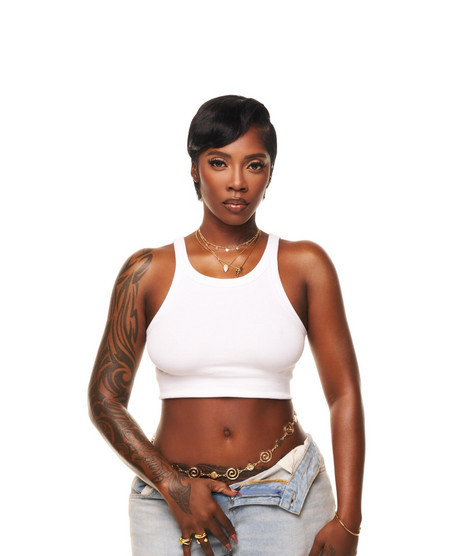
Tiwa Savage
Listen
4
/5
Genres
Afro Adura
Afro Adura is a contemporary Nigerian micro-genre of Afrobeats that centers prayerful, motivational, and spiritually reflective lyrics—“adura” means “prayer” in Yoruba—over modern Afro-pop and Amapiano-influenced rhythms. It blends the groove-first sensibility of Afrobeats with Fuji/Jùjú choral textures, gospel-inspired call-and-response, and street-pop vocal delivery. Typical productions feature warm log-drum swells, syncopated percussion, lush pads or churchy organs, and emotive hooks that often invoke faith, hustle, gratitude, and hope. The result is a style that feels both devotional and danceable: intimate storytelling and aspirational mantras carried by club-ready drums and Yoruba/Pidgin-English hooks.
Discover
Listen
Afropiano
Afropiano is a contemporary fusion that marries the songwriting, vocal phrasing, and rhythmic sensibilities of West African Afrobeats with the deep, percussive textures of South Africa’s Amapiano. It retains Amapiano’s signature log drum bass, shaker-led swing, and soulful pads, while adopting Afrobeats’ catchy hooks, call-and-response choruses, and concise, radio-friendly structures. The result is a warm, dance-floor-oriented sound with mid-tempo grooves, plush jazz/house harmonies, and lyrics that often blend English, Nigerian Pidgin, and local languages.
Discover
Listen
Sexy Drill
Sexy drill is a contemporary offshoot of drill that blends the genre’s signature sliding 808s, icy textures, and syncopated hi-hats with flirtatious, romantic, and often explicitly sensual lyrics. Where traditional drill leans into menace and street reportage, sexy drill softens the edges with melodic hooks, R&B-inflected toplines, and playful, self-assured delivery. The result is a club-ready, fashion-forward sound that keeps the rhythmic bite of UK/NY drill but swaps violent imagery for confident seduction and intimate narratives. Production typically sits around 138–145 BPM with gliding bass, chopped vocal stabs, airy pads, and bright percussive details. Vocals may alternate between rapped verses and sung refrains, frequently enhanced by tasteful Auto-Tune and ad‑libs that heighten the sultry mood.
Discover
Listen
Afrobeats
Afrobeats (plural) is a contemporary West African pop umbrella that blends indigenous Nigerian and Ghanaian rhythms with global Black music—especially dancehall, hip hop, R&B, and highlife. Typical tracks sit in the mid‑tempo 95–115 BPM range and feature syncopated, polyrhythmic drum programming (shakers, rimshots, congas, talking drum), rubbery sub‑bass lines, bright synths, and guitar licks that recall highlife. Vocals are melodic and hook‑driven, often delivered in a fluid mix of English, Nigerian Pidgin, Yoruba, Twi, or other local languages, with call‑and‑response refrains tailored for dance floors. Distinct from Fela Kuti’s Afrobeat (singular), Afrobeats prioritizes songcraft, club‑ready grooves, and pop structures. It travels easily across diasporas, seamlessly absorbing UK club influences and Caribbean cadence while maintaining unmistakably West African rhythmic DNA.
Discover
Listen
Afroswing
Afroswing (often called Afro-bashment) is a UK-born fusion that blends the syncopation and feel-good bounce of afrobeats and dancehall with the cadence and street sensibility of UK rap and grime. It typically sits at a mid‑tempo groove, features warm 808 bass, sparse plucked or mallet-like melodies, and highly singable hooks. Vocals usually mix melodic rap with light Auto-Tune, weaving UK slang, Jamaican patois, and West African pidgin/vernacular into conversational, charismatic lyrics about nightlife, romance, hustle, and identity. The overall mood is bright, accessible, and rhythmically infectious, designed as much for radio and playlists as for clubs.
Discover
Listen
Basshall
Basshall is a club-focused fusion of modern dancehall riddims with the sound design and drops of bass-heavy EDM. It keeps the dembow-derived, off‑beat swing of Jamaican dancehall while layering sub‑driven 808s, aggressive synths, and festival‑ready builds and drops borrowed from trap, electro house, and UK bass. Typical tempos sit around 95–110 BPM (or 130–140 BPM with a halftime feel). Vocals often draw on Jamaican patois toasting or catchy pop hooks, and arrangements alternate between groove-led verses and explosive, sound‑system drops. Emerging from European (especially Dutch) club culture and the global‑bass scene, Basshall spreads dancehall’s energy into big‑room contexts without losing its Caribbean rhythmic DNA.
Discover
Listen
Latin Afrobeat
Latin Afrobeat is a contemporary fusion style that welds the polyrhythmic engine of West African Afrobeat with Latin American and Caribbean grooves. It often marries Afrobeat’s interlocking drum kit, shekere, and highlife‑style guitars with salsa/cumbia percussion sections, montuno piano figures, and bold horn arrangements. The result is a dance‑forward, big‑ensemble sound: long vamps, call‑and‑response vocals (frequently in Spanish or Portuguese), syncopated bass ostinati, and brass stabs—recorded with a warm, live, analog aesthetic. While it honors Fela Kuti’s Afrobeat blueprint, it colors that framework with Afro‑Cuban jazz harmony, salsa horn voicings, and coastal Colombia/Brazilian percussion idioms.
Discover
Listen
Latin Afrobeats
Latin Afrobeats is a hybrid of West African Afrobeats and Latin urban pop in which Spanish (and sometimes Portuguese) lyrics ride syncopated, polyrhythmic grooves. It marries Afrobeats’ swung shakers, off‑beat hi‑hats, guitar licks, and buoyant bass with dembow and dancehall drum patterns common to reggaeton and Latin pop. The result is a bright, dance‑forward style with catchy toplines, call‑and‑response hooks, and concise song forms tailored to streaming. Production tends to be minimal yet percussive, with Afro‑percussion (shekere, conga/bongo colors), plucked guitars or synth plucks, and warm sub‑bass supporting melodies that often draw on pentatonic or natural minor scales. Themes revolve around romance, partying, and feel‑good celebration, making the music equally at home in clubs and playlists.
Discover
Listen
Azonto
Azonto is a contemporary Ghanaian dance-music style built for parties, street performances, and viral choreography. Emerging in the early 2010s, it matches swaggering, humorous dance moves with catchy call-and-response hooks and MC-led verses. Musically, Azonto sits on a bright, syncopated 4/4 groove—often between 105–130 BPM—with crisp handclaps, off‑beat hi‑hats, bouncing kick patterns, and short melodic riffs from synths, bell/mallet tones, or plucks. Harmony is usually minimal (two to four repeating chords), keeping the spotlight on rhythm, energy, and vocal interplay. Lyrics blend Twi, Ga, and Ghanaian Pidgin with English, and celebrate fashion, flirtation, everyday jokes, and local slang. The genre rose with dance challenges and YouTube-era virality, helping push West African pop into UK and global club culture. Signature tracks include Sarkodie & E.L.’s “U Go Kill Me,” Fuse ODG’s “Azonto” and “Antenna,” Castro’s “Azonto Fiesta,” and Gasmilla’s “Aboodatoi.”
Discover
Listen
Urban Kiz
Urban Kiz is a contemporary, club-oriented offshoot of kizomba that took shape in Europe—especially in Paris—in the early-to-mid 2010s. It adapts the sensual, close-connection feel of kizomba to straighter, trap- and R&B-influenced beats with pronounced bass lines, crisp hi‑hats, and engineered breaks that suit the stop‑and‑go aesthetics of Urban Kiz social dancing. Musically, it favors 4/4 grooves around 88–102 BPM, less of the lilting/zouk swing found in classic kizomba, and more linear phrasing with dramatic drops, filters, and space for micro-pauses. Vocals (often in Portuguese, French, Cape Verdean Creole, or English) may be original toplines, sampled phrases, or R&B‑style hooks layered over sleek electronic production. Producers frequently label releases or remixes specifically for "Urban Kiz" floors, reinforcing the genre’s identity within the partner‑dance scene.
Discover
Listen
Bashment Soca
Bashment soca is a Barbadian-born variant of soca that fuses the high-energy party Spirit of Crop Over with the grit and vocal delivery of Jamaican dancehall. Compared with power soca’s fast tempos, bashment soca typically runs slower and heavier, leaning on booming sub‑bass, minimal chord movement, and infectious, chantable hooks. The style foregrounds Bajan dialect, cheeky wordplay, and call‑and‑response crowd interaction. Tracks are often built on shared riddims, encouraging multiple vocal takes, remixes, and sound‑system style performances. The result is a raw, street‑level party music tailor‑made for “wuk up” dancing and road marches.
Discover
Listen
Funk Evangelico
Funk evangélico is a Brazilian Christian take on funk carioca that keeps the style’s hard-hitting, dance‑floor energy while replacing secular or explicit themes with evangelical Christian messages. Built on the classic tamborzão beat, booming sub‑bass, and call‑and‑response hooks, it uses the language of the baile to preach testimony, “vitória,” and spiritual warfare. The result is music that feels at once street‑level and devotional—meant for dancing, collective chanting, and faith‑based outreach in the same neighborhoods where funk originally flourished.
Discover
Listen
Uk Americana
UK Americana is the British take on Americana’s blend of country, folk, blues, and roots rock, filtered through a distinctly UK songwriting sensibility. It keeps the genre’s hallmarks—acoustic-forward arrangements, road-worn storytelling, and organic, live-in-the-room production—while drawing on the British folk tradition’s modal colors, fingerstyle guitar, and understated vocal delivery. In practice, UK Americana favors close vocal harmonies, pedal steel or fiddle ornamentation, and rhythm sections that swing gently between train beats, shuffles, and waltzes. Lyrically it often exchanges American place-names and frontier mythos for British imagery—motorways, coastlines, terraced streets, and pub corners—creating songs that feel rooted, reflective, and quietly anthemic.
Discover
Listen
Big Room House
Big room house is a festival-focused strain of EDM built for massive sound systems and outdoor main stages. It typically runs around 126–132 BPM (most commonly 128), uses four-on-the-floor kick patterns, and features huge, simple lead riffs designed to be instantly memorable to large crowds. A defining trait is the contrast between cinematic, reverb-washed breakdowns and ultra-dry, percussive drops driven by a powerful kick, sub, and a few bold supersaw or horn-like synth stabs. Arrangements lean on dramatic builds with snare rolls, risers, and crowd-hyping vocal chops, culminating in drops that emphasize impact over harmonic complexity.
Discover
Listen
Afro R&b
Afro R&B blends the melodic intimacy and harmonic richness of contemporary R&B with the polyrhythmic bounce, guitar licks, and percussive textures of West African pop forms (Afrobeats/afropop and highlife). The result is a smooth, groove-forward style that feels both tender and danceable, favoring spacious production, airy pads, and syncopated drums that leave room for expressive vocals. Core features include mid-tempo grooves (roughly 90–110 BPM), swung and syncopated percussion (shekere, rimshots, light congas), palm-wine/highlife-inspired guitar lines, and soulful toplines often sung in a mix of English, Nigerian Pidgin, and local languages (e.g., Yoruba). Lyrically, Afro R&B leans into romance, vulnerability, and everyday intimacy while embracing a contemporary, metropolitan sensibility.
Discover
Listen
Azontobeats
Azontobeats is a high-energy Ghanaian club sound built to power the Azonto dance craze of the early 2010s. It blends the melodic sensibility of highlife and the rap-forward urgency of hiplife with contemporary Afrobeats pop gloss, dancehall swagger, and UK club rhythms. Typically sitting around 118–128 BPM, the style features punchy, dance-focused drum programming, bright synth hooks, and recurring call-and-response chants in Ghanaian languages (especially Twi and Ga) and Ghanaian Pidgin English. Percussion draws on kpanlogo-inspired bell and drum patterns, while arrangements prioritize catchy toplines and hooky, instruction-style lyrics that cue dance moves. More than just a beat, Azontobeats became a cultural wave that helped push Ghana’s sound onto global dance floors, laying a pathway for later diasporic Afrobeats and UK Afroswing crossovers.
Discover
Listen
Gqom
Gqom is a minimalist, hard-edged club music from Durban, South Africa, built around pounding kicks, syncopated toms, and sparse, looped vocal chants. It favors tension and release over melodic development, using stark, percussive motifs and dramatic breakdowns to create a hypnotic, physically compelling groove. Typically sitting around 120–130 BPM, gqom departs from straight four-on-the-floor house patterns, embracing broken-beat structures, off-grid fills, and sudden dropouts. The sound palette leans dark and industrial—heavy sub-bass, metallic hits, claps, whistles, crowd shouts, and found sounds—while harmony is minimal or absent, keeping the focus on rhythm and texture.
Discover
Listen
Sgija
Sgija (often pronounced “skee-gah”) is a percussion‑forward, stripped‑back strain of South Africa’s amapiano. Where many amapiano cuts foreground jazzy keys and plush harmonies, sgija pares the palette down to clattering shakers, rimshots and log‑drum bass figures that push a hypnotic, head‑nodding groove. DJs and producers use sparse chord stabs, ghostly pads and long tension‑building sections; vocals, when present, are usually chants, ad‑libs or crowd calls rather than full toplines. The result is darker, drum‑centric dance music that still rolls at amapiano’s mid‑tempo swagger, engineered for late‑night dancefloors and extended DJ blends.
Discover
Listen
Afropop
Afropop is a modern, pan‑African pop style that blends West and Central African rhythmic traditions with global pop, R&B, hip hop, dancehall, and electronic production. It favors catchy toplines, call‑and‑response hooks, bright guitar licks inspired by highlife and soukous, and mid‑tempo grooves designed for dancing. Songs are often multilingual, moving fluidly between English or French and local languages or pidgins, while lyrics center on romance, joy, aspiration, and celebration. Production commonly uses syncopated percussion, warm sub‑bass, plucky synths or marimbas, and clean, melodic vocals (often with tasteful Auto‑Tune), resulting in an upbeat, accessible sound with unmistakably African groove and feel.
Discover
Listen
Hiplife
Hiplife is a Ghanaian fusion of classic highlife rhythms and melodies with hip hop’s rapped delivery, drum programming, and sampling aesthetics. Built around mid‑tempo grooves, hiplife typically marries syncopated, guitar-led highlife riffs and horn stabs with hip hop drum patterns, dancehall energy, and catchy R&B‑style hooks. Artists rap predominantly in Ghanaian languages (Twi, Ga, Ewe) and Ghanaian Pidgin English, foregrounding local idioms, humor, social commentary, and storytelling. The result is a vibrant, dance‑forward urban pop sound that remains unmistakably Ghanaian while being fully conversant with global rap and Caribbean diasporic styles.
Discover
Listen
Afrobeat
Afrobeat is a horn-driven, polyrhythmic, and politically charged style that emerged in Nigeria, spearheaded by bandleader Fela Kuti and drummer Tony Allen. It fuses West African highlife and juju with American funk, jazz, and soul to create extended, hypnotic grooves. Typical tracks revolve around interlocking guitar and keyboard ostinatos, elastic bass vamps, dense percussion (shekere, congas, agogô, cowbell), and tightly arranged horn riffs that punctuate the beat. Vocals often use call-and-response and socially conscious lyrics, delivered in English, Nigerian Pidgin, or Yoruba. Harmonically sparse but rhythmically intricate, Afrobeat prioritizes feel: long, evolving arrangements, richly syncopated drum patterns, and sectional dynamics that spotlight solos and collective interplay.
Discover
Listen
Show all 21 genres
Similar artists
4
/5
Mr Eazi
Ghanaian Hip Hop
Dancehall
Hiplife
3
/5
Stonebwoy
Afrobeat
Afrobeats
Afropop
4
/5
Zlatan
Afro Adura
Azonto
Afro Drill
4
/5
Davido
Ghanaian Hip Hop
Hiplife
Azontobeats
4
/5
Olamide
Afrobeat
Afrobeats
Afropop
4
/5
Kizz Daniel
Azontobeats
Hiplife
Azonto
4
/5
Ruger
Afro Soul
Afrobeat
Afropop
4
/5
Adekunle Gold
Azontobeats
Afro Soul
Afroswing
4
/5
Mayorkun
Hiplife
Azonto
Afrobeat
4
/5
Joeboy
Afroswing
Hiplife
Nigerian Pop
Download our mobile app
Get the Melodigging app and start digging for new genres on the go
Download on the App Store
Get it on Google Play
© 2026 Melodigging
Give feedback
Legal
Melodding was created as a tribute to
Every Noise at Once
, which inspired us to help curious minds keep digging into music's ever-evolving genres.