Genres
Artists
Albums
Make Music
Sign in
Sign in
Artists
Neo Honky Tonk
Artists
Neo Honky Tonk
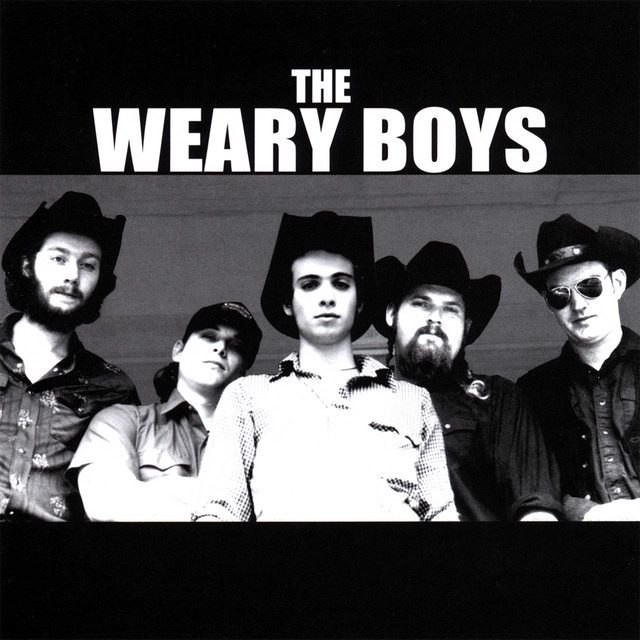
The Weary Boys
2001–2003
·
2 albums
Listen
1
/5
Genres
Southern Americana
Southern Americana is a regional strain of Americana rooted in the musical vernacular of the U.S. South. It blends songwriting-first aesthetics with the organic textures of country, folk, and blues, and the swagger of Southern rock. Typical recordings feature warm, lived‑in tones: Telecasters and acoustic guitars alongside pedal steel, Hammond organ, fiddle, mandolin, and harmony vocals. Lyrically it is grounded in place—small towns, highways, kudzu, pine line horizons—and in the South’s complicated histories of faith, work, love, and loss. The groove ranges from back‑porch shuffles and waltzes to swampy, slow‑burn rhythms, keeping the focus on stories and melody rather than studio gloss.
Discover
Listen
Neo Honky Tonk
Neo honky tonk is a contemporary revival of classic, barroom-centered country music that puts twanging Telecasters, pedal steel, fiddle, and two-step dance rhythms back at the center of the sound. It embraces the grit, humor, and heartbreak of mid‑century honky tonk while updating the songwriting voice and production for modern audiences. Musically, it favors shuffles, train beats, and waltzes; guitar and steel trade concise, melodic fills; and vocals carry a plainspoken, slightly nasal twang. Lyrically, it returns to timeless themes—love gone wrong, long highways, working‑class resilience, and neon‑lit nights—often with wry detail and an unvarnished, live‑in‑the‑room feel. Where mainstream country tilted toward pop polish, neo honky tonk doubles down on the dancefloor and the barroom.
Discover
Listen
Americana
Americana is a contemporary umbrella term for U.S. roots music that blends folk, country, blues, bluegrass, gospel, and roots rock into a songwriter-centered, largely acoustic-leaning sound. Hallmarks include story-driven lyrics; warm, organic production; and traditional instrumentation such as acoustic guitar, mandolin, banjo, fiddle, harmonica, pedal steel, upright or electric bass, and restrained drums. Rhythms often draw on the train beat, shuffles, two-step, waltz time, and relaxed backbeats. Harmonically it favors diatonic progressions (I–IV–V, I–vi–IV–V), modal tinges (Mixolydian), and close vocal harmonies. Rather than a rigid style, Americana functions as a bridge among related roots traditions, emphasizing authenticity, regional imagery, and narrative songwriting over genre flashiness.
Discover
Listen
Southern Gothic
Southern gothic (as a music style) blends American roots idioms—country, folk, blues, gospel, and Southern rock—with the macabre, moral ambiguity, and decaying grandeur associated with the Southern Gothic literary tradition. Its sound is typically dark-hued and intimate: minor-key harmonies, modal drones, and slow-to-mid tempos underpin storytelling about sin and salvation, haunted landscapes, family secrets, and folk religion. Arrangements often feature acoustic guitar, banjo, fiddle, upright bass, pump organ or harmonium, lap/pedal steel, sparse percussion, and baritone or hushed vocals drenched in room reverb. Production tends toward earthy and atmospheric—tape-like saturation, creaking room ambience, and subtle field sounds (cicadas, church bells, train rumbles) that evoke the American South’s heat, humidity, and history.
Discover
Listen
Bluegrass
Bluegrass is a style of American roots music that coalesced in the Appalachian region in the 1940s around Bill Monroe and his Blue Grass Boys. It is defined by all‑acoustic instrumentation (typically fiddle, mandolin, 5‑string banjo, guitar, and upright bass, with dobro often added), virtuosic ensemble interplay, and a distinctive “high lonesome” lead vocal timbre supported by tight three‑part harmonies. Musically, bluegrass fuses African American blues and jazz phrasing with Anglo‑Celtic ballads and dance tunes. Hallmarks include driving tempos, syncopated 3‑finger banjo rolls (popularized by Earl Scruggs), off‑beat mandolin “chop” backbeats, boom‑chuck guitar rhythm, two‑beat bass, and alternating instrumental “breaks.” Repertoires mix breakdowns and fiddle tunes with narrative ballads, gospel numbers, and contemporary songwriter material.
Discover
Listen
Country
Country is a roots-based popular music from the rural American South that blends Anglo-Celtic ballad traditions with African American blues, gospel, and string-band dance music. It is characterized by narrative songwriting, plainspoken vocals with regional twang, and a palette of acoustic and electric instruments such as acoustic guitar, fiddle, banjo, pedal steel, and telecaster guitar. Rhythmically it favors two-step feels, train beats, shuffles, and waltzes, while harmony is largely diatonic (I–IV–V) with occasional country chromaticism and secondary dominants. Across a century, country has evolved through substyles like honky-tonk, the Nashville and Bakersfield sounds, outlaw country, neotraditionalist revivals, pop-country, and country-rap hybrids, but it consistently prioritizes storytelling about everyday life, love, work, faith, place, and identity.
Discover
Listen
Albums
2003
2
/5
Good Times
The Weary Boys
Neo Honky Tonk
Bluegrass
Country
2001
1
/5
The Weary Boys
The Weary Boys
Neo Honky Tonk
Similar artists
4
/5
Colter Wall
Americana
Bluegrass
Gothic Country
3
/5
Gillian Welch
Americana
Folk
Country Folk
2
/5
Pete Bernhard
Neo Honky Tonk
Bluegrass
Southern Gothic
3
/5
The Devil Makes Three
Bluegrass
Folk
Folk Punk
3
/5
Lost Dog Street Band
Folk Punk
Bluegrass
Americana
3
/5
Crooked Still
Bluegrass Gospel
Bluegrass
Folk
2
/5
Whiskey Shivers
Bluegrass
Deathgrass
Americana
4
/5
Tyler Childers
Bluegrass
Country
Outlaw Country
4
/5
Sturgill Simpson
Country
Newgrass
Bluegrass
4
/5
Billy Strings
Bluegrass
Jamgrass
Newgrass
Download our mobile app
Get the Melodigging app and start digging for new genres on the go
Download on the App Store
Get it on Google Play
© 2026 Melodigging
Give feedback
Legal
Melodding was created as a tribute to
Every Noise at Once
, which inspired us to help curious minds keep digging into music's ever-evolving genres.