Your digging level
Description
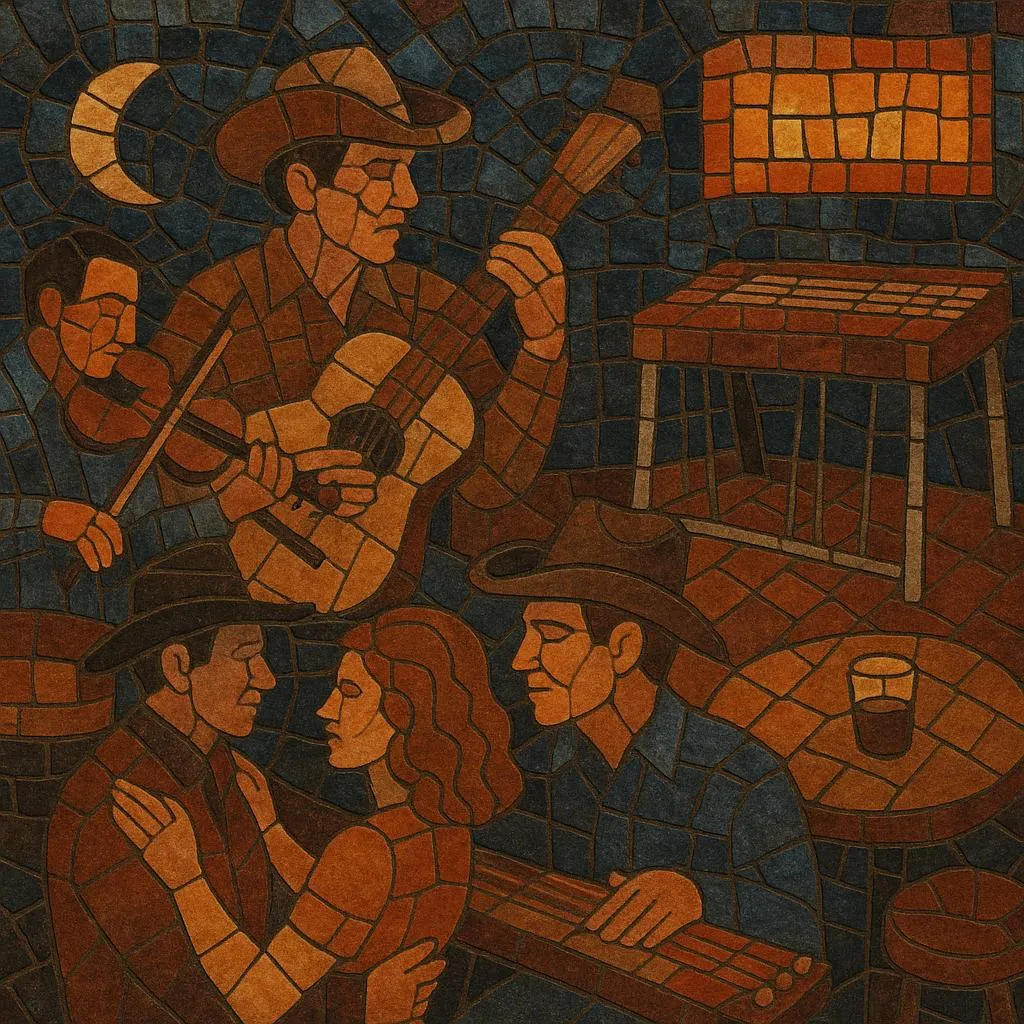
Neo honky tonk is a contemporary revival of classic, barroom-centered country music that puts twanging Telecasters, pedal steel, fiddle, and two-step dance rhythms back at the center of the sound. It embraces the grit, humor, and heartbreak of mid‑century honky tonk while updating the songwriting voice and production for modern audiences.
Musically, it favors shuffles, train beats, and waltzes; guitar and steel trade concise, melodic fills; and vocals carry a plainspoken, slightly nasal twang. Lyrically, it returns to timeless themes—love gone wrong, long highways, working‑class resilience, and neon‑lit nights—often with wry detail and an unvarnished, live‑in‑the‑room feel. Where mainstream country tilted toward pop polish, neo honky tonk doubles down on the dancefloor and the barroom.
History
Classic honky tonk emerged in postwar America, defined by small combos built for noisy bars: electric guitar, steel, fiddle, doghouse or electric bass, and a tight rhythm section. Parallel currents like the Bakersfield sound and western swing gave honky tonk extra punch and danceability, while rockabilly and later outlaw country kept a lean, guitar‑forward edge alive.
After the lush 1970s, a neotraditional current in country (favoring fiddles, steel, and hard 4/4 shuffles) re‑centered barroom forms on the radio. By the mid‑1990s, a cohort of independent and roots‑minded artists began explicitly reviving honky tonk aesthetics: dry, present mixes; walking or two‑beat bass; Tele twang; and songs meant for two‑stepping rather than crossover charts.
Indie labels, Texas dancehalls, and Americana festivals nurtured a consistent scene. Artists wrote new material in the idiom rather than relying on covers, sharpening lyrical perspectives about modern working life, touring economies, and contemporary small‑town realities. Live bands foregrounded instrumental interchange—short steel and guitar rides, fiddle breaks, and call‑and‑response fills that echoed the 1950s bar band template.
Streaming, vinyl reissues, and a resurgent dance culture helped codify “neo honky tonk” as a recognizable tag. Parallel movements like Ameripolitan validated honky tonk alongside western swing and rockabilly, while younger writers folded in sharp, authorial Americana storytelling without blunting the genre’s dance‑first pulse. Today the sound thrives in regional circuits (Texas, the Southeast, California) and international pockets, sustained by venues that prioritize two‑step floors and by artists who record live, minimal‑overdub sessions.
Expect shuffles, train beats, and waltzes; melodic steel and Telecaster turnarounds; and concise arrangements built for dancers. Production stays dry and intimate: slapback on vocal or lead guitar, brushed or rim‑shot drums that leave space for steel and fiddle, and lyrics that aim for everyday plainspokenness over pop bombast.


Top albums