Genres
Artists
Albums
Make Music
Sign in
Sign in
Artists
D-Beat
Artists
D-Beat
The Varukers
1983–2007
·
8 albums
Listen
2
/5
Genres
Diy Emo
DIY emo is a grassroots, home-recorded and community-driven branch of contemporary emo that blends twinkly Midwest-emo guitar work, confessional lyricism, and pop-punk urgency with a distinctly lo‑fi, self-produced aesthetic. It foregrounds the ethics of the do‑it‑yourself underground: basement shows, tape or Bandcamp releases, collective touring, and a preference for intimacy over polish. Sonically, it leans on clean, chiming guitars, melodic basslines, dynamic drumming, and unvarnished vocals that veer from soft-spoken to cathartic sing-alongs. Rather than chasing radio gloss, DIY emo embraces rawness and vulnerability—often capturing the feel of a crowded living room show—while channeling themes of friendship, mental health, hometowns, and the bittersweet transitions of early adulthood.
Discover
Listen
D-Beat
D-beat is a raw, fast, and politically charged subgenre of hardcore punk named after the signature drum pattern popularized by the British band Discharge. The style emphasizes a relentless, galloping 4/4 beat, overdriven guitars, gritty bass, and shouted vocals. Songs are typically short (1–3 minutes), mid-to-fast tempo (often 160–220 BPM), and built around simple, minor-key power-chord riffs. Lyrics are direct and confrontational, focusing on anti-war, anti-authoritarian, and social-collapse themes. Production values are intentionally rough, prioritizing impact and urgency over polish. Aesthetically, D-beat overlaps with UK82 street punk and anarcho-punk, and it laid key groundwork for crust punk and later extreme punk-metal hybrids. Global scenes flourished especially in Sweden and Japan, where the style became synonymous with a noisier, more abrasive “raw punk” sound.
Discover
Listen
Uk82
UK82 is a fast, hard-edged wave of British punk that coalesced around 1980–1982, named after The Exploited’s song “UK 82.” It tightened the raw immediacy of ’77 punk with higher tempos, barked vocals, gang-shout choruses, and a tougher rhythmic drive that often leaned on the emerging D‑beat. Lyrically it is blunt, street-level, and confrontational—anti-war, anti-authority, and expressive of working-class anger in Thatcher-era Britain. The sound is abrasive but direct: overdriven power‑chord guitars, pick-driven bass, 4/4 drums, and short, chantable hooks designed for live impact.
Discover
Listen
Anarcho-Punk
Anarcho-punk is a politically charged strand of punk that explicitly promotes anarchist and anti-authoritarian ideas. Emerging in the late 1970s United Kingdom, it fused the speed and abrasion of punk with an uncompromising DIY ethic, collective organization, and a culture of zines, benefit gigs, and independent labels. Musically, anarcho-punk leans on raw guitars, driving 4/4 rhythms, shouted or chant-like vocals, and concise song forms, but it often incorporates spoken-word, noise, sound collage, and experimental interludes to underscore its messages. Lyrically, it addresses anti-war and anti-nuclear activism, animal liberation, environmentalism, anti-capitalism, feminism, and social justice. Its stark black-and-white stencil aesthetic—iconic in sleeves, patches, and posters—became as recognizable as its sound.
Discover
Listen
Hardcore Punk
Hardcore punk is a faster, louder, and more abrasive offshoot of late-1970s punk rock. Songs are typically short (often under two minutes), propelled by rapid tempos, aggressive down‑stroked guitar riffs, and shouted or barked vocals. The style prioritizes raw energy over technical ornamentation: power‑chord harmony, minimal guitar solos, and tightly locked rhythm sections dominate. Lyrically, hardcore punk is intensely direct—often political, anti‑authoritarian, and socially critical—reflecting a DIY ethic that values independent labels, self‑organized shows, and community‑run spaces. The genre coalesced in U.S. scenes such as Los Angeles, Washington, D.C., New York, and Boston, and soon spread internationally. Its velocity, attitude, and grassroots infrastructure profoundly shaped underground music and paved the way for numerous metal, punk, and alternative subgenres.
Discover
Listen
Punk
Punk is a fast, abrasive, and minimalist form of rock music built around short songs, stripped-down instrumentation, and confrontational, anti-establishment lyrics. It emphasizes DIY ethics, raw energy, and immediacy over virtuosity, often featuring distorted guitars, shouted or sneered vocals, and simple, catchy melodies. Typical songs run 1–3 minutes, sit around 140–200 BPM, use power chords and basic progressions (often I–IV–V), and favor live, unpolished production. Beyond sound, punk is a cultural movement encompassing zines, independent labels, political activism, and a fashion vocabulary of ripped clothes, leather, and safety pins.
Discover
Listen
Albums
2007
1
/5
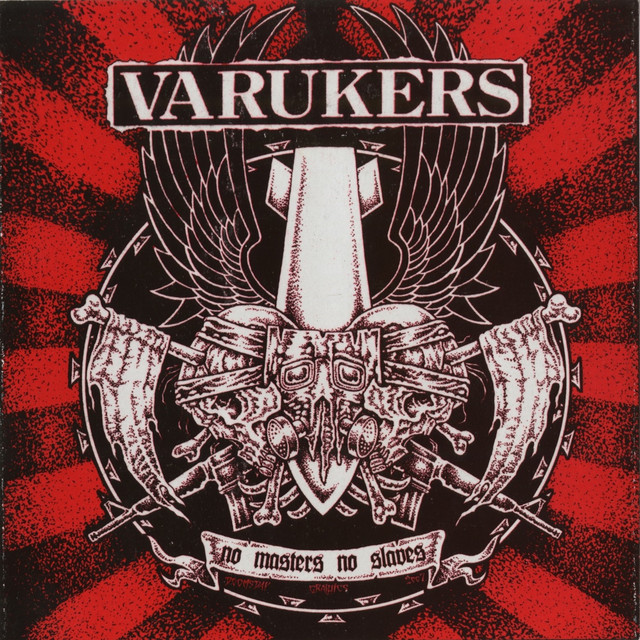
No Masters No Slaves
The Varukers
D-Beat
Uk82
Anarcho-Punk
2000
1
/5
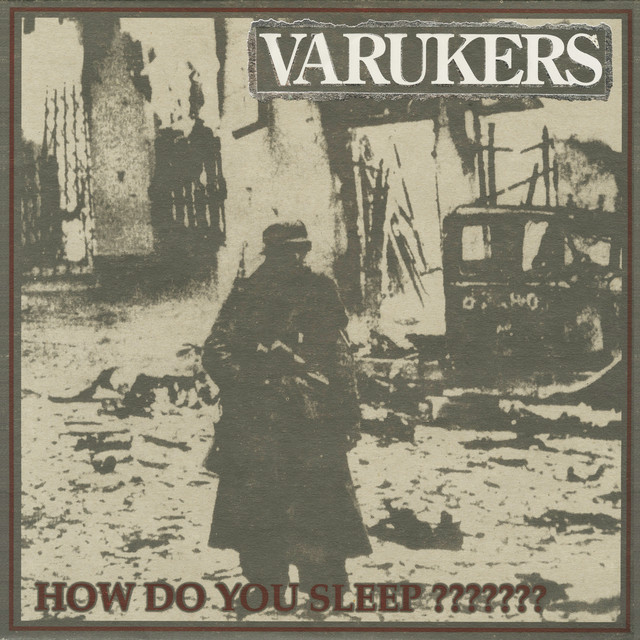
How Do You Sleep???????
The Varukers
D-Beat
1998
1
/5
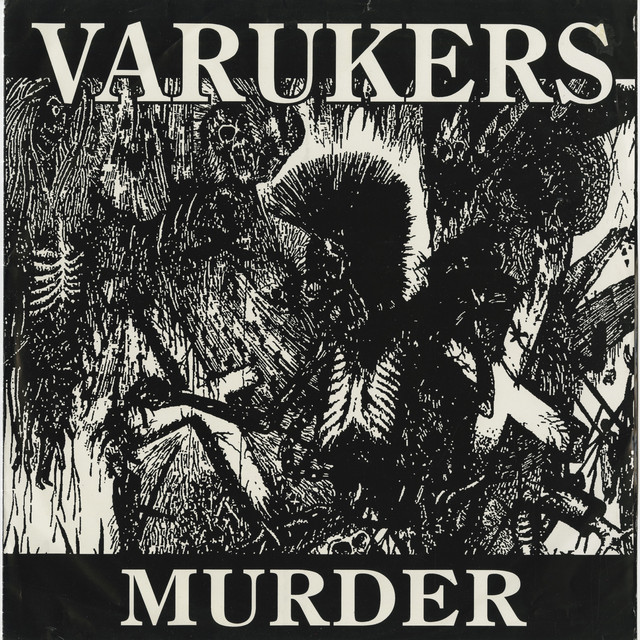
Murder
The Varukers
D-Beat
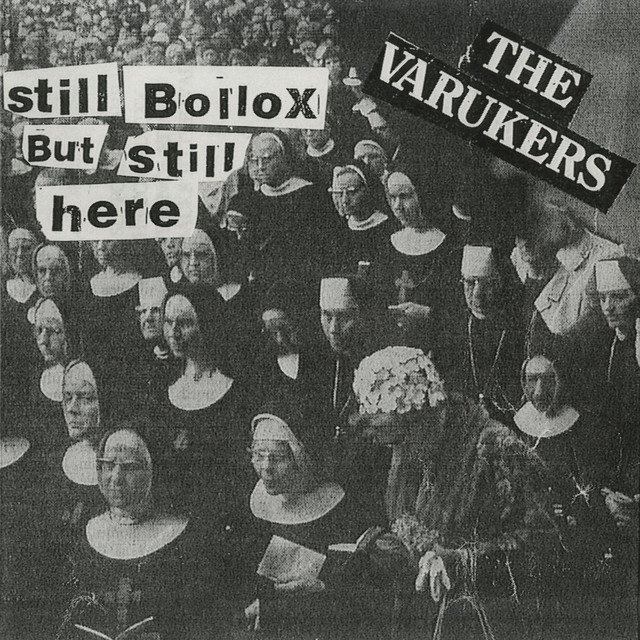
1995
1
/5
Still Bollox but Still Here
The Varukers
D-Beat
1985
1
/5
One Struggle, One Fight
The Varukers
Uk82
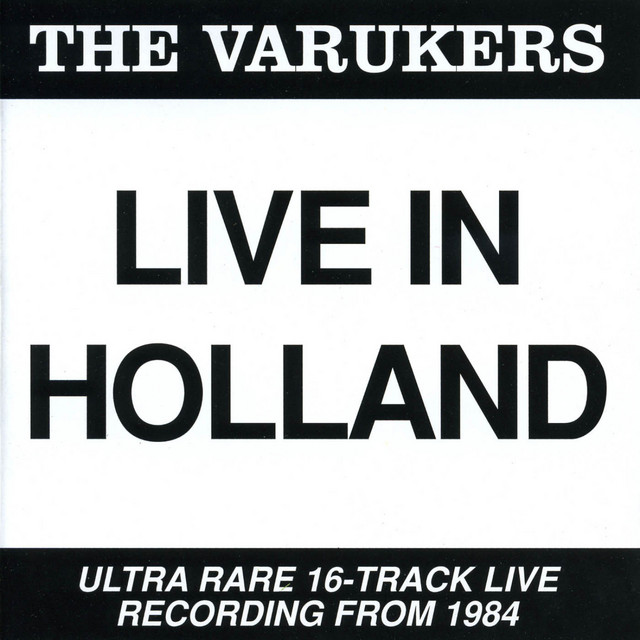
1984
1
/5
Live In Holland
The Varukers
D-Beat
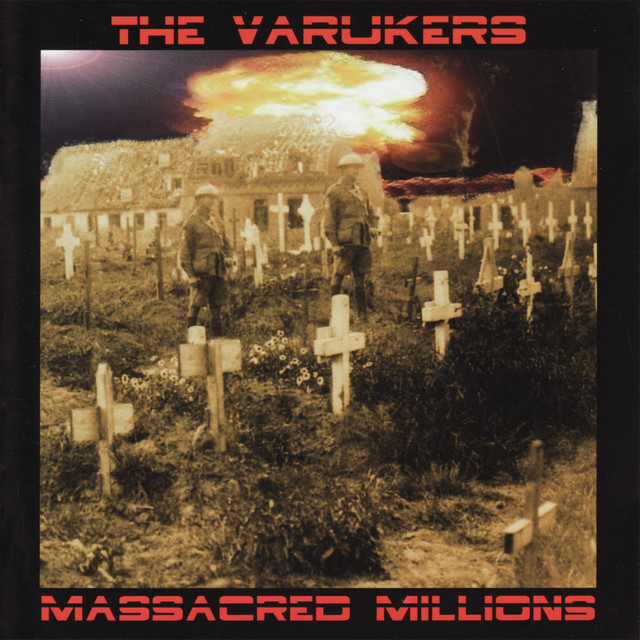
1984
2
/5
Massacred Millions
The Varukers
D-Beat
1983
2
/5
Bloodsuckers
The Varukers
Uk82
D-Beat
Similar artists
2
/5
Anti Cimex
D-Beat
Crust Punk
Anarcho-Punk
3
/5
Subhumans
Uk82
Anarcho-Punk
Crust Punk
2
/5
Conflict
Anarcho-Punk
Punk
Uk82
2
/5
Chaos UK
Uk82
Punk
Anarcho-Punk
1
/5
Various Artists
Afro-Funk
Alternative Rock
Ambient
2
/5
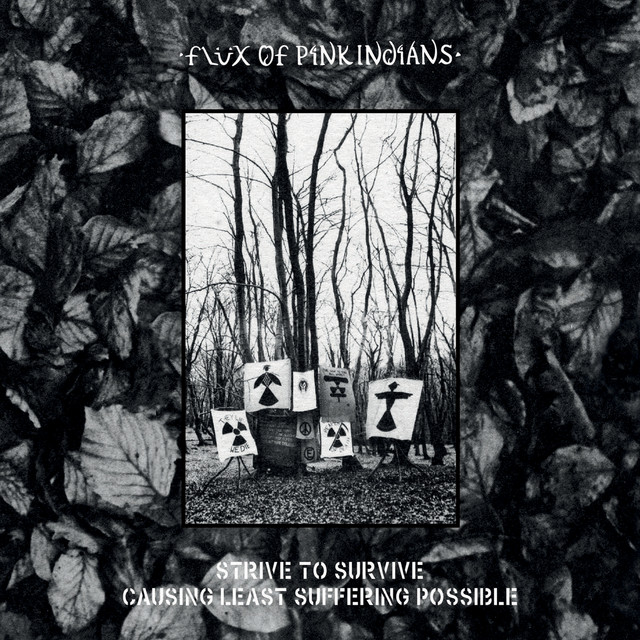
Flux of Pink Indians
Anarcho-Punk
Crust Punk
Hardcore Punk
2
/5
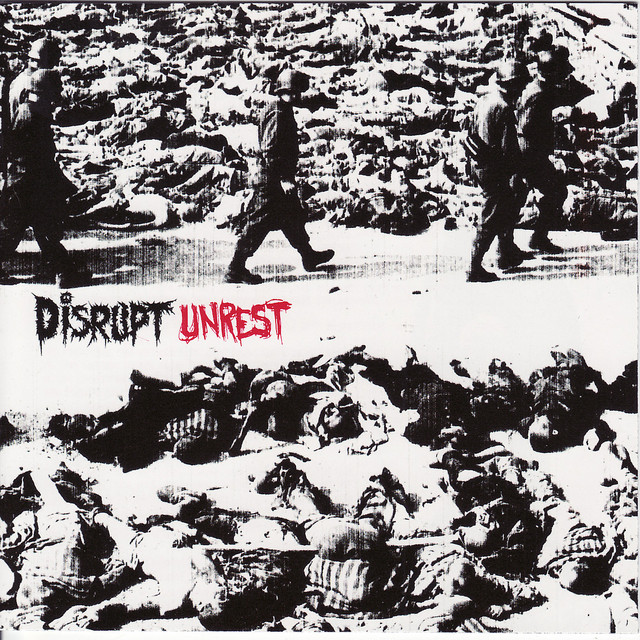
disrupt
Crust Punk
Grindcore
Anarcho-Punk
1
/5
Icons Of Filth
Hardcore Punk
Punk
Uk82
2
/5
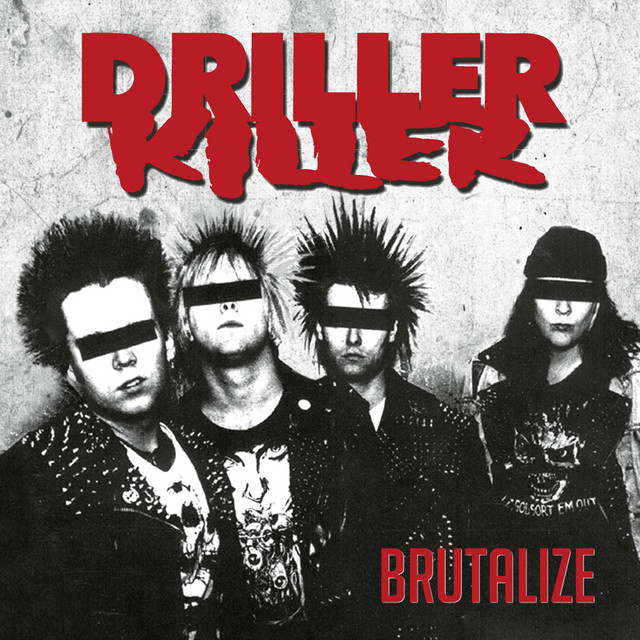
Driller Killer
Stenchcore
Grindcore
Hardcore Punk
2
/5
Bootlicker
Chain Punk
Egg Punk
Hardcore
Download our mobile app
Get the Melodigging app and start digging for new genres on the go
Download on the App Store
Get it on Google Play
© 2026 Melodigging
Give feedback
Legal
Melodding was created as a tribute to
Every Noise at Once
, which inspired us to help curious minds keep digging into music's ever-evolving genres.