Genres
Artists
Albums
Make Music
Sign in
Sign in
Artists
2 Tone
Artists
2 Tone
The Selecter
1980–2017
·
4 albums
Listen
2
/5
Genres
Chill Pop
Chill pop is a contemporary pop micro‑genre that blends radio‑friendly songwriting with the mellow textures of chillout and lo‑fi aesthetics. It favors soft vocals, smooth synths, clean guitar plucks, understated bass, and relaxed, mid‑tempo grooves. Instead of big, bombastic hooks, chill pop tends toward intimate, conversational melodies and minimal, airy arrangements. Production often borrows from bedroom pop and alternative R&B—subtle trap hi‑hats, warm saturation, roomy reverbs, and gentle side‑chain compression—to create a breezy, pastel sound palette well suited to playlists and late‑night listening. Lyrically, chill pop is introspective and relatable: romance, longing, gentle optimism, and coming‑of‑age themes delivered in a plain‑spoken, whisper‑close tone. The result sits between indie pop’s understated cool and mainstream pop’s catchy structures, optimized for the streaming era’s mood‑driven consumption.
Discover
Listen
Ska Punk
Ska punk is a high-energy fusion of Jamaican ska and British/US punk rock. It pairs the off‑beat, upstroke "skank" guitar, walking or bouncy bass lines, and bright horn stabs of ska with punk’s faster tempos, distorted power chords, and shout‑along hooks. Typical songs pivot between laid‑back, syncopated ska grooves and explosive double‑time punk choruses, often featuring gang vocals, call‑and‑response refrains, and mosh‑friendly breakdowns. Lyrically it ranges from wry humor and everyday storytelling to sharp social commentary, all delivered with an upbeat, dance‑floor focus.
Discover
Listen
Alternative Rock
Alternative rock is a broad umbrella for guitar-based rock that emerged from the independent and college-radio scenes as a counterpoint to mainstream, commercial rock. It blends the energy and ethos of punk with the textural and songwriting experiments of post-punk, new wave, jangle pop, and noise rock, often foregrounding introspective or socially aware lyrics. Across its many strains—from the melodic minimalism of college rock to the loud-quiet-loud dynamics of grunge and the artful experimentation of Radiohead-era modernism—alternative rock prioritizes authenticity, sonic individuality, and a do-it-yourself approach. Its sound ranges from chiming, chorus-laden clean guitars to abrasive distortion and feedback, supported by straightforward rock rhythms or off-kilter grooves, and production that can be either raw and live-sounding or polished yet unconventional.
Discover
Listen
2 Tone
2 Tone (often styled Two Tone) is a late-1970s British fusion of first-wave Jamaican ska and rocksteady with the urgency of punk rock and the pop sensibility of new wave. It is fast, tightly arranged, and danceable, featuring off‑beat guitar "skank" upstrokes, melodic basslines, crisp backbeat drumming, stabbing horn riffs, and bright organ/keyboard textures. The genre is notable for its anti-racist stance and multiracial line-ups, with lyrics addressing social issues such as unemployment, urban decay, violence, and youth alienation in late-1970s/early-1980s Britain. Its visual identity—black-and-white checkerboard patterns, sharp suits, pork pie hats, and the iconic Walt Jabsco logo—symbolized racial unity and became a hallmark of the movement. Musically, 2 Tone keeps the rhythmic buoyancy of ska while tightening song structures and lifting tempos, often using minor keys and brisk grooves that balance exuberant energy with a tense, street‑level edge.
Discover
Listen
New Wave
New wave is a broad, pop-oriented umbrella for styles that emerged in the mid-to-late 1970s as a sleeker, more melodic outgrowth of punk culture. Initially, the term varied by region: in the United States it was first used by critics and labels (famously Sire Records’ “Don’t Call It Punk” campaign in 1977) to rebrand punk-associated artists with more radio-friendly aesthetics; in the United Kingdom it encompassed a wider constellation of fresh, stylish post-punk-era sounds. Over time, “new wave” became a catch‑all for hooky guitar pop, synth-driven songs, danceable rhythms, and modernist production sensibilities. Sonically, it blends tight, upbeat rhythms (often disco- and reggae-informed), clean chorus/flanger guitars, prominent synthesizers, and concise, hook-led songwriting. Its visual identity—sharp suits, futurist imagery, and fashion-forward presentation—was integral, aligning with the rise of music television and emphasizing art-school wit, irony, and modern urban themes.
Discover
Listen
Punk
Punk is a fast, abrasive, and minimalist form of rock music built around short songs, stripped-down instrumentation, and confrontational, anti-establishment lyrics. It emphasizes DIY ethics, raw energy, and immediacy over virtuosity, often featuring distorted guitars, shouted or sneered vocals, and simple, catchy melodies. Typical songs run 1–3 minutes, sit around 140–200 BPM, use power chords and basic progressions (often I–IV–V), and favor live, unpolished production. Beyond sound, punk is a cultural movement encompassing zines, independent labels, political activism, and a fashion vocabulary of ripped clothes, leather, and safety pins.
Discover
Listen
Rocksteady
Rocksteady is a Jamaican popular music style that emerged in the mid‑1960s as a slowed‑down, more soulful successor to ska and the direct precursor to reggae. It retains ska’s off‑beat guitar/piano "skank" but lowers the tempo, brings the bass to the foreground, and favors expressive vocal harmonies. Typically recorded by small studio bands with guitar, electric bass, drums, piano/organ, and occasional horns, rocksteady emphasizes melodic, inventive basslines, tight rhythm guitar, rimshot/side‑stick drums, and sparse horn figures. Lyrically it ranges from tender love songs and yearning ballads to rude‑boy narratives and social commentary. Its concise arrangements and groove‑driven feel make it both danceable and emotionally resonant.
Discover
Listen
Ska
Ska is a Jamaican popular music style characterized by a brisk 4/4 groove, off‑beat guitar or piano upstrokes (the “skank”), walking bass lines, and punchy horn riffs. Emerging in late‑1950s Kingston dancehalls, ska fused local mento and calypso with American rhythm & blues and jazz, creating a lively sound that celebrated independence‑era optimism and street culture. Across time, ska evolved through distinct waves: the original Jamaican ska of the early 1960s, the racially integrated and politically aware 2 Tone movement in late‑1970s Britain, and the third‑wave explosion in the 1990s that blended ska with punk energy around the world.
Discover
Listen
Rock
Rock is a broad family of popular music centered on amplified instruments, a strong backbeat, and song forms that foreground riffs, choruses, and anthemic hooks. Emerging from mid‑20th‑century American styles like rhythm & blues, country, and gospel-inflected rock and roll, rock quickly expanded in scope—absorbing folk, blues, and psychedelic ideas—while shaping global youth culture. Core sonic markers include electric guitar (often overdriven), electric bass, drum kit emphasizing beats 2 and 4, and emotive lead vocals. Rock songs commonly use verse–chorus structures, blues-derived harmony, and memorable melodic motifs, ranging from intimate ballads to high‑energy, stadium‑sized performances.
Discover
Listen
Show all 9 genres
Albums
2017
2
/5
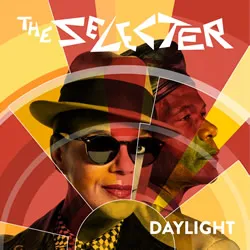
Daylight
The Selecter
2 Tone
2015
1
/5
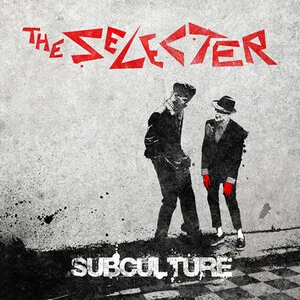
Subculture
The Selecter
2 Tone
1981
1
/5
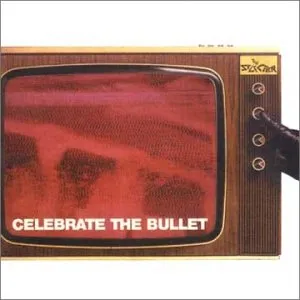
Celebrate the Bullet
The Selecter
2 Tone
1980
1
/5
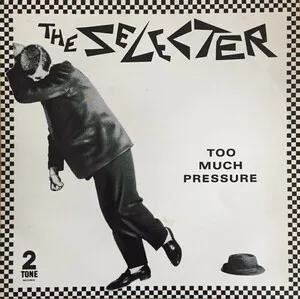
Too Much Pressure
The Selecter
2 Tone
Ska
Rock
Similar artists
3
/5
The Specials
Ska
2 Tone
Chill Pop
3
/5
Bad Manners
Ska
2 Tone
Rock
2
/5
Rhoda Dakar
Rocksteady
Ska
Ska Punk
4
/5
Madness
Ska
2 Tone
New Wave
3
/5
The Skatalites
Jamaican Ska
Dub
Ska
3
/5
Skalariak
Ska Jazz
Latin Ska
Ska
2
/5
The Busters
Euroska
Ska
Reggae
3
/5
The Beat
Mod Revival
Ska
New Wave
3
/5
Desmond Dekker
Rocksteady
Jamaican Ska
Ska
2
/5
Common Rider
Crack Rock Steady
Punk
Ska
Download our mobile app
Get the Melodigging app and start digging for new genres on the go
Download on the App Store
Get it on Google Play
© 2026 Melodigging
Give feedback
Legal
Melodding was created as a tribute to
Every Noise at Once
, which inspired us to help curious minds keep digging into music's ever-evolving genres.