Genres
Artists
Albums
Make Music
Sign in
Sign in
Artists
Chill Pop
Artists
Chill Pop
The Rasmus
Listen
4
/5
Genres
Chill Pop
Chill pop is a contemporary pop micro‑genre that blends radio‑friendly songwriting with the mellow textures of chillout and lo‑fi aesthetics. It favors soft vocals, smooth synths, clean guitar plucks, understated bass, and relaxed, mid‑tempo grooves. Instead of big, bombastic hooks, chill pop tends toward intimate, conversational melodies and minimal, airy arrangements. Production often borrows from bedroom pop and alternative R&B—subtle trap hi‑hats, warm saturation, roomy reverbs, and gentle side‑chain compression—to create a breezy, pastel sound palette well suited to playlists and late‑night listening. Lyrically, chill pop is introspective and relatable: romance, longing, gentle optimism, and coming‑of‑age themes delivered in a plain‑spoken, whisper‑close tone. The result sits between indie pop’s understated cool and mainstream pop’s catchy structures, optimized for the streaming era’s mood‑driven consumption.
Discover
Listen
Covertronica
Covertronica is a microgenre centered on electronically produced cover versions of well‑known songs. Artists retain the recognizability of the original melodies and hooks, but reimagine them with contemporary electronic palettes—glossy synths, side‑chained pads, drum machines, 808s, and modern pop/EDM production. The style thrives on clever reharmonization (e.g., minor/major flips), tempo shifts, and textural redesign, often translating rock, soul, or classic pop into sleek electropop/indietronica frameworks. Vocals are typically polished and upfront, with stacked harmonies, tight autotune as a color (when desired), and arrangement tricks such as filtered intros, half‑time drops, and breakdowns that mirror club and synth‑pop dynamics. Because the repertoire comes from existing songs, covertronica is as much about curatorial taste and arrangement craft as it is about sound design, making it a meeting point between DJ culture’s recontextualization and the singer‑producer era of the internet.
Discover
Listen
Digital Horror
Digital horror is a contemporary horror aesthetic that focuses on dread emerging from networked technologies, software, and always‑on media. Narratives and sound worlds revolve around screens, social platforms, livestreams, malware, deepfakes, and the uncanny presence of algorithmic systems. In music and sound design, the style translates this fear of the digital into glitching textures, corrupted audio artifacts, synthetic drones, and the weaponization of familiar interface sounds (alerts, keyboards, notification pings). It often blends dark ambient, industrial noise, and hauntological sampling to suggest threats that live inside code, clouds, and data centers—consistent with the wider definition that emphasizes anxiety and supernatural menace arising from the Internet and modern media.
Discover
Listen
Nu-Metalcore
Nu‑metalcore (often nicknamed "nu‑core") blends the bounce, hip‑hop inflections, and downtuned groove of late‑1990s nu metal with the breakdown‑heavy aggression and precise syncopation of 2000s metalcore. Expect sharply gated, low‑tuned riffs, halftime drops, and elastic grooves that swing between punchy chugs and percussive, djent‑like accents. Vocals typically jump from harsh screams and pitched‑down growls to rap‑leaning cadences and hooky, melodic choruses. Electronic textures—turntable cuts, glitch edits, sub‑drops, and 808 layers—are common, supporting a glossy yet crushing modern production aesthetic. Lyrically, the style carries nu metal’s confessional angst and social frustration while adopting metalcore’s cathartic intensity and mosh‑centric energy. The result is a contemporary, club‑ready heaviness that feels both nostalgic and forward‑looking.
Discover
Listen
Bossbeat
Bossbeat is an internet‑born, high‑octane branch of EDM tailored to evoke the intensity of a video‑game “boss fight.” Producers fuse modern dubstep and trap sound design with melodic, leitmotif‑driven writing borrowed from video game music and film scoring, aiming for cinematic build‑ups and explosive, riff‑like drops. Characteristic features include minor‑key motifs, fast and syncopated percussion, halftime switch‑ups, aggressive bass design (growls, reeses, metallic FM), and hybrid orchestral layers (brass stabs, choirs, epic drums). The result is music that feels both dance‑floor ready and narratively dramatic—perfect for action montages, game content, and creator culture.
Discover
Listen
Modern Goth
Modern goth is a contemporary evolution of the original goth and darkwave aesthetics, blending post-punk basslines, reverb-drenched guitars, and analog synth textures with current production practices. It favors minor-key harmonies, baritone or breathy vocals, and skeletal drum-machine patterns that evoke a cinematic, nocturnal mood. Compared with 1980s forebears, modern goth leans more heavily on synthesizers, EBM-adjacent grooves, and minimalist arrangements, often shaped by DIY, modular, and bedroom-production workflows. The result is a sound that is dancefloor-friendly yet introspective, simultaneously cold, romantic, and starkly modern.
Discover
Listen
Channel Pop
Channel pop is a digital-era strain of mainstream pop shaped by video and creator platforms—especially YouTube and later TikTok and Instagram—where artists build audiences through frequent uploads on their own “channels.” Musically it favors intimate, highly polished but close-mic’d vocals, acoustic guitar or piano-led arrangements, restrained beats, and succinct, playlist-friendly structures. Many releases are cover-first (reimagining recent chart hits) with a steady flow of glossy singles, session-style performances, and creator collaborations that gradually blend into original material. Titles, artwork, and release cadence are optimized for search and recommendation algorithms, yielding a sound that is simultaneously personal and platform-aware.
Discover
Listen
Chill Dream Pop
Chill dream pop is a soft-focus, slow-tempo branch of dream pop that emphasizes hushed vocals, languid grooves, and a hazy, nocturnal atmosphere. It blends reverb-drenched guitars and shimmering synth pads with understated drum programming to create an intimate, weightless feel. Compared with classic dream pop, the “chill” variant leans further into minimalism and smooth, lo-fi textures, borrowing from chillwave and bedroom pop. Lyrics often center on memory, dusk-lit romance, and liminal spaces, delivered in a breathy, close-mic tone that sits inside lush ambient reverbs and delays.
Discover
Listen
Escape Room
Escape room is a data-driven label popularized by Spotify to cluster artists who blur lines between alternative R&B, experimental pop, left-field hip hop, and cutting‑edge club/electronic production. Rather than a strict set of musical rules, it signals a sound defined by textural minimalism, sub‑heavy and off‑kilter rhythms, intimate vocal delivery (often breathy or ASMR-adjacent), and a strong emphasis on sound design and negative space. Songs frequently juxtapose glossy melodies with abrasive or deconstructed percussive layers, creating a stylish, future‑leaning mood that resists easy categorization. The name is unrelated to physical puzzle rooms; instead, it marks music that “escapes” legacy genre boxes while remaining pop‑adjacent and internet‑native in aesthetics and distribution.
Discover
Listen
Funk Metal
Funk metal is a high-energy fusion that marries the syncopated grooves and slap-driven bass of funk with the distorted riffs, power, and aggression of heavy metal and hard rock. Characterized by percussive guitar work (often using wah/envelope filtering and muted strums), tight, syncopated drum patterns, and virtuosic, popping/slapping electric bass, the style favors rhythmic interplay and punchy dynamics over dense harmonic movement. Vocals range from soulful singing to shouted chants or half-rapped cadences, with lyrics that can be humorous, satirical, or socially observant. The result is music that is both danceable and heavy, inviting mosh-pit intensity while retaining the elastic, body-moving feel of funk.
Discover
Listen
Alternative Rock
Alternative rock is a broad umbrella for guitar-based rock that emerged from the independent and college-radio scenes as a counterpoint to mainstream, commercial rock. It blends the energy and ethos of punk with the textural and songwriting experiments of post-punk, new wave, jangle pop, and noise rock, often foregrounding introspective or socially aware lyrics. Across its many strains—from the melodic minimalism of college rock to the loud-quiet-loud dynamics of grunge and the artful experimentation of Radiohead-era modernism—alternative rock prioritizes authenticity, sonic individuality, and a do-it-yourself approach. Its sound ranges from chiming, chorus-laden clean guitars to abrasive distortion and feedback, supported by straightforward rock rhythms or off-kilter grooves, and production that can be either raw and live-sounding or polished yet unconventional.
Discover
Listen
Gothic Rock
Gothic rock is a dark, atmospheric branch of post-punk that emphasizes brooding moods, melodic basslines, baritone or icy vocal deliveries, and guitar textures drenched in chorus, delay, and reverb. Its lyrics often explore themes of romanticism, existential dread, night, mysticism, and decay, drawing on Gothic literature and cinema as much as rock tradition. Sonically, it blends the stark rhythms and minimalism of post-punk with the theatricality of glam and the textural experimentation of art and psychedelic rock. Drum machines or tightly metronomic drumming underpin prominent, melodic bass figures, while guitars shimmer or scrape with chorus/flanger effects. The result is danceable yet somber music that feels both dramatic and introspective.
Discover
Listen
Finnish Rock
Finnish rock (often called “suomirock”) is a broad umbrella for rock music made in Finland, notable for its melodic guitar work, singable choruses, and a lyrical bent that mixes everyday realism, irony, and Nordic melancholy. It grew out of 1960s beat, rock and roll, and rautalanka (a local, twangy instrumental rock), then absorbed punk and new wave energy in the late 1970s, and hard rock and glam sheen in the 1980s. Many of its flagship acts chose to sing in Finnish, establishing a distinctive identity separate from Anglo-American rock. Across decades, the sound ranges from high-octane boogie and rockabilly inflections (Hurriganes) to glam-infused hard rock (Hanoi Rocks), anthemic mainstream rock (Eppu Normaali, Popeda), and more alternative or art-minded currents (Sielun Veljet, CMX).
Discover
Listen
Funk Rock
Funk rock is a hybrid style that fuses the syncopated grooves, percussive rhythm guitar, and deep pocket of funk with the distorted riffs, power, and song forms of rock. Typical tracks feature tight, 16th‑note rhythmic interplay between bass, drums, and rhythm guitar, while lead guitars and vocals deliver rock’s edge and attitude. The harmony often stays close to dominant 7th (Mixolydian) colors and blues vocabulary, keeping the groove front and center. The style ranges from psychedelic and P‑Funk‑inflected experiments of the late 1960s and 1970s to the punchy alternative and crossover sounds of the 1980s and 1990s, and it continues to inform dance‑oriented rock and genre‑blending bands today.
Discover
Listen
Pop Rock
Pop rock blends the hook-focused immediacy of pop with the instrumentation and drive of rock. It prioritizes catchy melodies, concise song structures, and polished production while retaining guitars, bass, and drums as core elements. Typical pop rock tracks use verse–pre-chorus–chorus forms, strong vocal harmonies, and memorable riffs. The sound ranges from jangly and bright to mildly overdriven and arena-ready, aiming for radio-friendly appeal without abandoning rock’s rhythmic punch.
Discover
Listen
Rock
Rock is a broad family of popular music centered on amplified instruments, a strong backbeat, and song forms that foreground riffs, choruses, and anthemic hooks. Emerging from mid‑20th‑century American styles like rhythm & blues, country, and gospel-inflected rock and roll, rock quickly expanded in scope—absorbing folk, blues, and psychedelic ideas—while shaping global youth culture. Core sonic markers include electric guitar (often overdriven), electric bass, drum kit emphasizing beats 2 and 4, and emotive lead vocals. Rock songs commonly use verse–chorus structures, blues-derived harmony, and memorable melodic motifs, ranging from intimate ballads to high‑energy, stadium‑sized performances.
Discover
Listen
Show all 16 genres
Similar artists
4
/5
Hoobastank
Funk Metal
Chill Pop
Covertronica
4
/5
HIM
Gothic Metal
Gothic Rock
Finnish Rock
3
/5
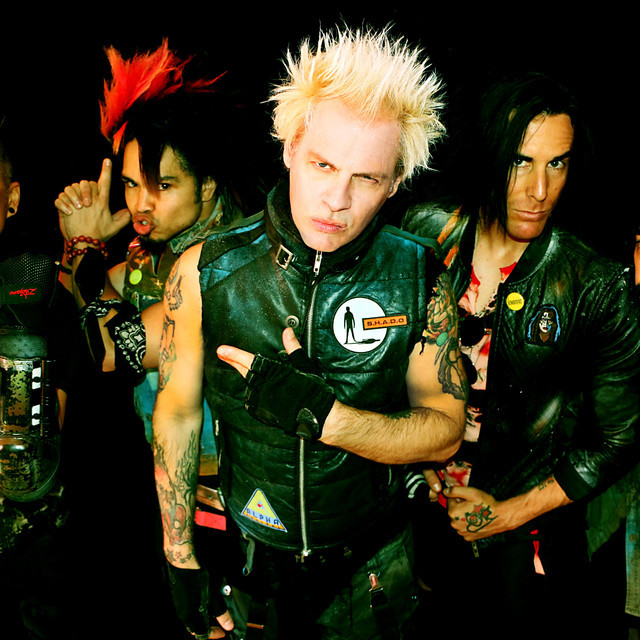
Powerman 5000
Alternative Metal
Digital Horror
Industrial
5
/5
Lana Del Rey
Art Pop
Pop
Alternative Pop
5
/5
David Guetta
Dance
Electronic
House
5
/5
Ed Sheeran
Soft Pop
Pop
Folk Pop
5
/5
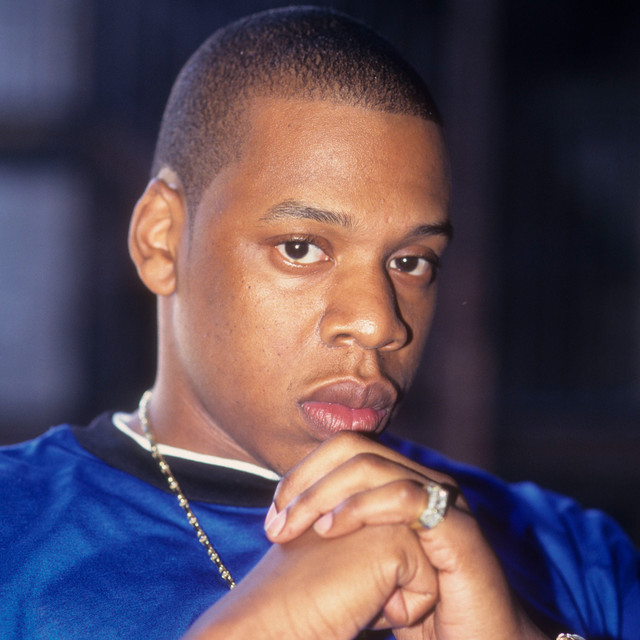
JAŸ-Z
East Coast Hip Hop
Hip Hop
Hardcore Hip Hop
5
/5
Lil Peep
Emo Rap
Cloud Rap
Hip Hop
5
/5
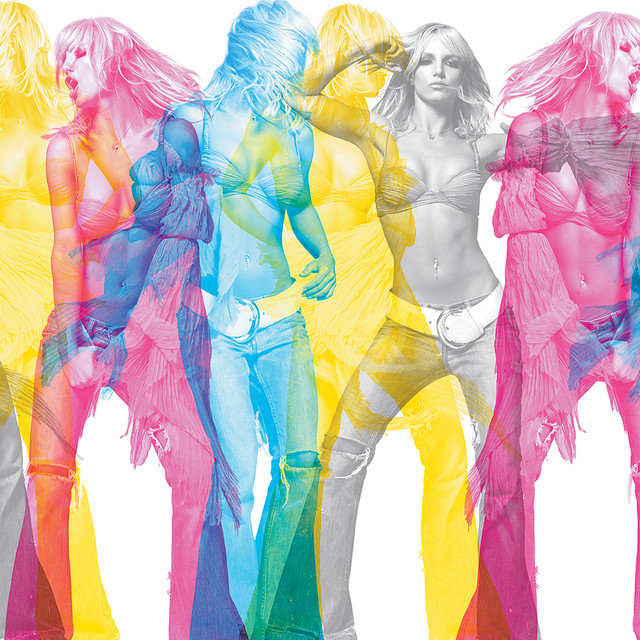
Britney Spears
Pop
Dance-Pop
Electronic
5
/5
Twenty One Pilots
Modern Rock
Rock
Indie Pop
Download our mobile app
Get the Melodigging app and start digging for new genres on the go
Download on the App Store
Get it on Google Play
© 2026 Melodigging
Give feedback
Legal
Melodding was created as a tribute to
Every Noise at Once
, which inspired us to help curious minds keep digging into music's ever-evolving genres.