Genres
Artists
Albums
Make Music
Sign in
Sign in
Artists
C86
Artists
C86
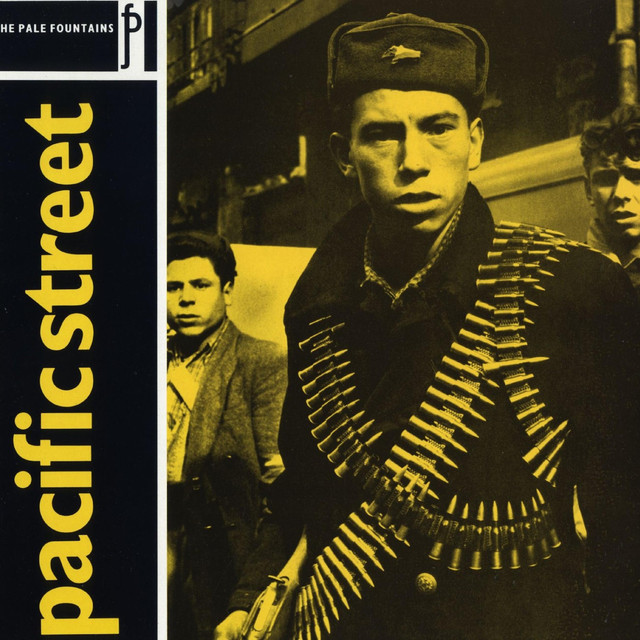
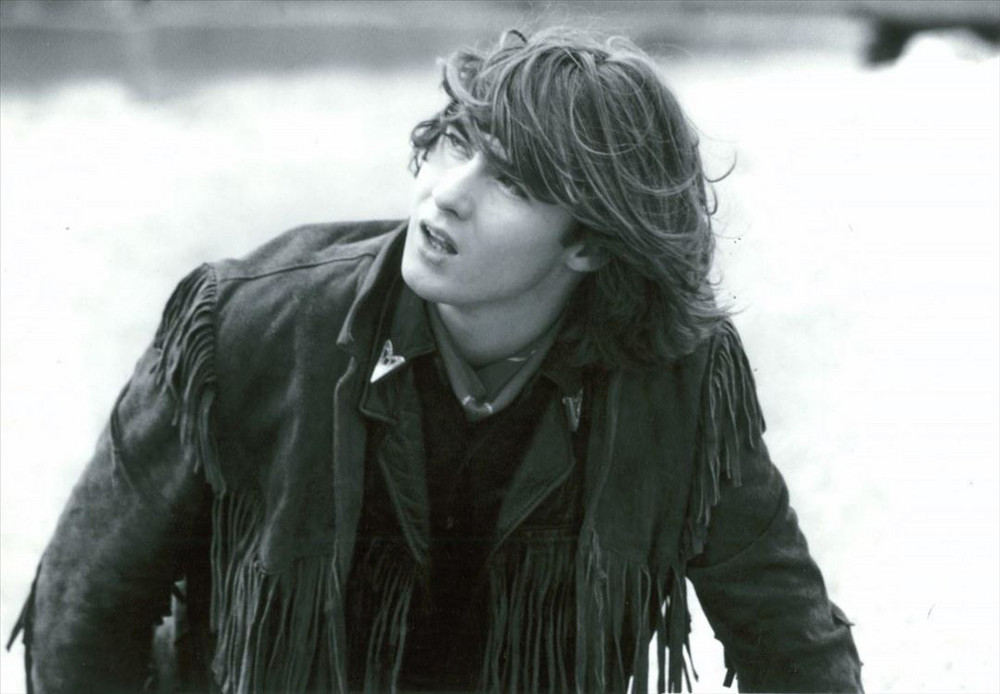
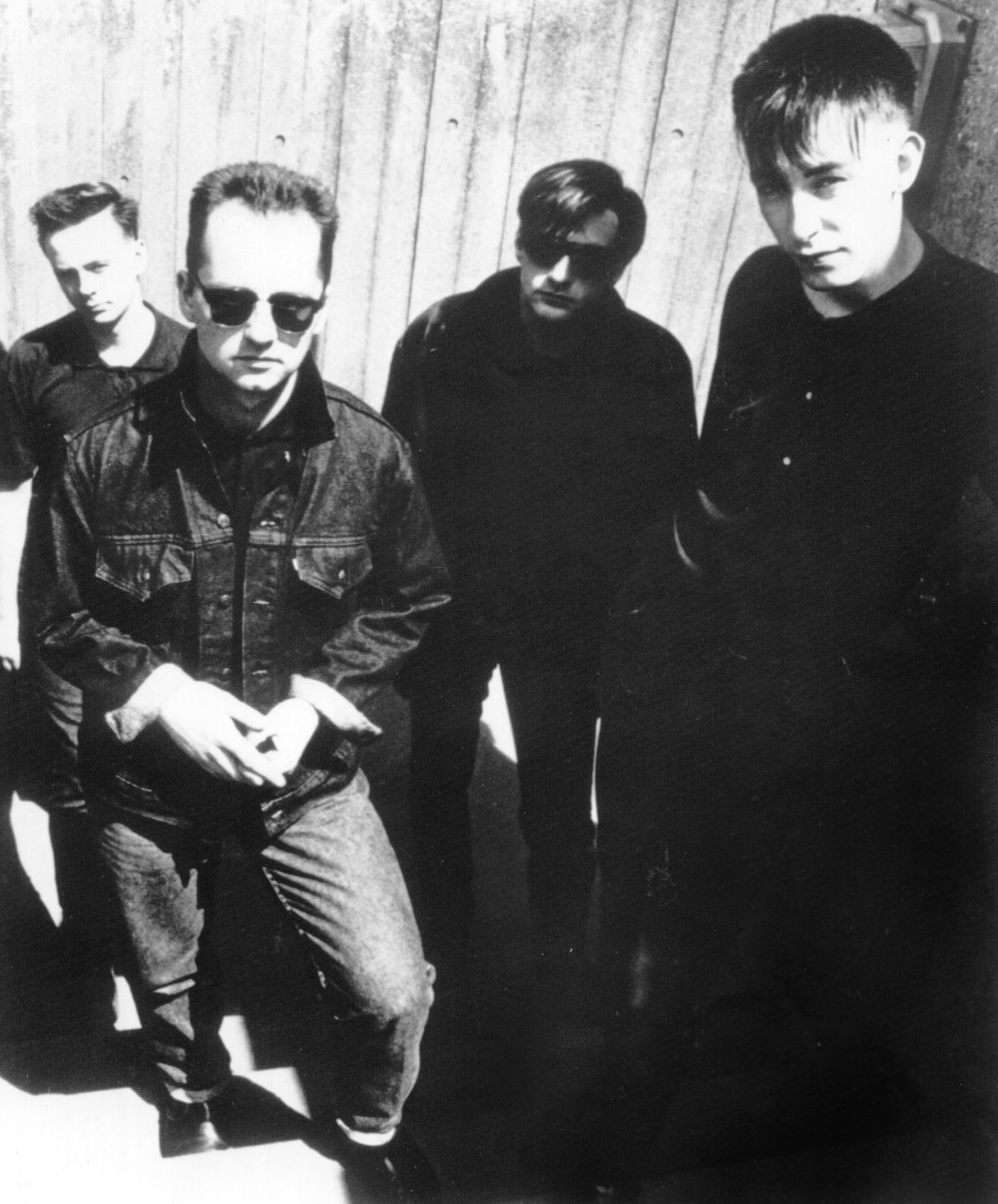
The Pale Fountains
1985
·
1 album
Listen
2
/5
Genres
Melancholia
Melancholia is an internet-era microgenre centered on soft-focus, sorrow-tinged pop and indie songs that foreground intimacy, space, and emotional candor. Tracks are typically slow to mid‑tempo, sung in a close, almost confessional register, and framed by sparse, reverb‑soaked textures. Sonically it lives between dream pop, bedroom pop, and slowcore: shimmering guitars or wistful synth pads drift over understated beats; piano, acoustic guitar, and low‑key electronic drums carry muted, pulsing grooves. Harmonies often favor minor keys, suspended chords, and gentle extensions (7ths/9ths) that heighten a bittersweet glow. Lyrically, melancholia lingers on solitude, late‑night self‑reflection, breakups, and fragile hope. The genre coalesced through streaming playlists and social media, where its hush, negative space, and diaristic tone translate into a cohesive, instantly recognizable mood.
Discover
Listen
C86
C86 is a British indie-pop movement named after the 1986 cassette compilation issued by the NME. It crystallized a jangly, DIY guitar-pop sound that blended the energy and independence of punk with 1960s melodicism and a fanzine-driven underground culture. Musically it is characterized by bright, trebly rhythm guitars, simple but hooky chord sequences, brisk tempos, and earnest, often boy/girl lead vocals. Production tends to be raw or homespun, with a charmingly unpolished feel that highlights immediacy over perfection. Lyrically, C86 favors wit, romance, awkwardness, and everyday detail—sometimes sweet, sometimes sardonic—delivered with an infectious, handclap-and-tambourine bounce. Beyond sound, C86 stands for an ethos: independent labels and shops, Peel Sessions, zines, and grassroots gigs. It provided a template for later waves of twee pop, noise pop, and lo‑fi indie scenes across the UK and far beyond.
Discover
Listen
Jangle Pop
Jangle pop is a guitar-centered style of pop and rock defined by bright, chiming tones—often from a 12‑string electric (famously the Rickenbacker)—playing arpeggiated or open‑chord figures with minimal distortion. The sound emphasizes treble clarity, shimmering sustain, and tight compression, creating a sparkling texture that carries melodic hooks. Rhythm sections are typically crisp and supportive rather than aggressive, with steady mid‑tempo grooves and melodic bass counter‑lines. Vocals tend to be tuneful and understated, frequently with close harmonies. Lyrically, jangle pop pairs catchy, concise songwriting with wistful, romantic, and nostalgic themes. The style draws on 1960s guitar pop and folk rock traditions while channeling the DIY ethos of 1980s indie scenes.
Discover
Listen
Neo-Acoustic
Neo-acoustic (often nicknamed "neo-aco" in Japan) is a gentle, guitar-forward strain of indie pop that emphasizes clean acoustic textures, jangly strums, and intimate, soft-spoken vocals. It trades the brashness of rock for nuanced chord color, light percussion, and melodic bass lines. The style draws heavily on British indie and the C86/twee movement, while folding in bossa nova’s relaxed syncopation and jazz-influenced chords. In Japan, the term came to denote a distinct indie sensibility—bookish, urbane, and romantic—that later fed into Shibuya-kei and various bedroom-pop and lo-fi currents. Typical arrangements favor acoustic guitars, brushy drums, tambourine or hand percussion, subtle keyboards, and occasional strings or winds. Lyrics tend toward everyday romance, small-town or city nostalgia, and quietly reflective storytelling.
Discover
Listen
New Wave
New wave is a broad, pop-oriented umbrella for styles that emerged in the mid-to-late 1970s as a sleeker, more melodic outgrowth of punk culture. Initially, the term varied by region: in the United States it was first used by critics and labels (famously Sire Records’ “Don’t Call It Punk” campaign in 1977) to rebrand punk-associated artists with more radio-friendly aesthetics; in the United Kingdom it encompassed a wider constellation of fresh, stylish post-punk-era sounds. Over time, “new wave” became a catch‑all for hooky guitar pop, synth-driven songs, danceable rhythms, and modernist production sensibilities. Sonically, it blends tight, upbeat rhythms (often disco- and reggae-informed), clean chorus/flanger guitars, prominent synthesizers, and concise, hook-led songwriting. Its visual identity—sharp suits, futurist imagery, and fashion-forward presentation—was integral, aligning with the rise of music television and emphasizing art-school wit, irony, and modern urban themes.
Discover
Listen
Albums
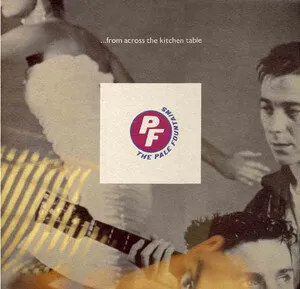
1985
2
/5
...From Across the Kitchen Table
The Pale Fountains
Neo-Acoustic
Similar artists
1
/5
Various Artists
Afro-Funk
Alternative Rock
Ambient
3
/5
Aztec Camera
Indian Indie
Jangle Pop
Melancholia
2
/5
The Mighty Lemon Drops
C86
Jangle Pop
Neo-Psychedelia
2
/5
The Wild Swans
C86
Jangle Pop
New Wave
4
/5
The Cardigans
Lilith
Rock
Chill Pop
3
/5
The Go-Betweens
Dunedin Sound
Jangle Pop
C86
2
/5
Orange Juice
Jangle Pop
New Wave
Post-Punk
2
/5
Marine Girls
C86
Jangle Pop
Post-Punk
3
/5
Prefab Sprout
Sophisti-Pop
Electronic
Melancholia
1
/5
The Lilac Time
Melancholia
Neo-Acoustic
C86
Download our mobile app
Get the Melodigging app and start digging for new genres on the go
Download on the App Store
Get it on Google Play
© 2026 Melodigging
Give feedback
Legal
Melodding was created as a tribute to
Every Noise at Once
, which inspired us to help curious minds keep digging into music's ever-evolving genres.