Genres
Artists
Albums
Make Music
Sign in
Sign in
Artists
Baroque
Artists
Baroque
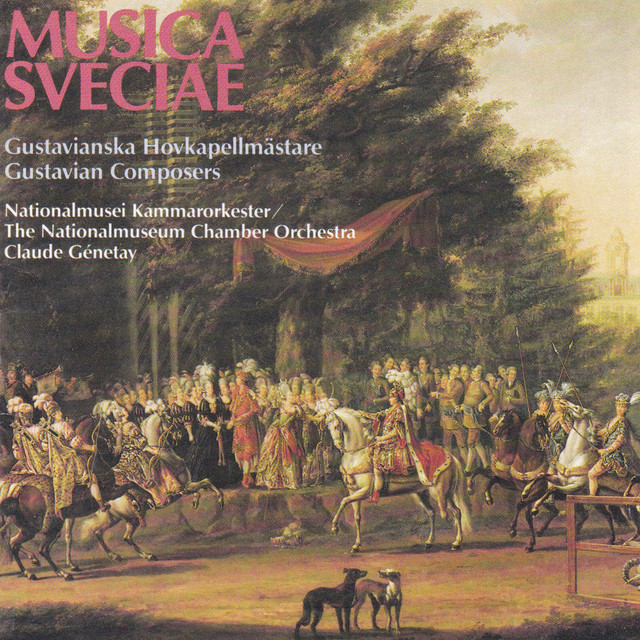
The National Museum Chamber Orchestra
1989
·
1 album
Listen
1
/5
Genres
Galante Music
Galante music (style galant) was a light, elegant, and fashionable musical style that flourished in upper‑class European society roughly between the 1720s and 1770s. It reacted against the dense counterpoint and rhetorical gravitas of late Baroque music by favoring clear, melody‑led textures, regular phrase structures (often 2+2 or 4+4 antecedent–consequent), graceful ornamentation, and straightforward tonal harmony with strong cadential punctuation. Accompaniments commonly feature simple patterns (e.g., broken chords, Alberti‑like figuration) over a light continuo or early keyboard style. The overall effect is charming, conversational, and poised rather than monumental. Historically and stylistically, the galant idiom provided a crucial bridge toward the empfindsamer Stil (sensitive style) and the broader pre‑classical and early Classical aesthetics, helping prepare the ground for Classical forms such as the symphony, string quartet, and sonata.
Discover
Listen
Baroque
Baroque is a period and style of Western art music spanning roughly 1600–1750. It is characterized by the birth of functional tonality, the widespread use of basso continuo (figured bass), and a love of contrast—between soloist and ensemble, loud and soft, and different timbres. Hallmark genres and forms of the era include opera, cantata, oratorio, concerto (especially the concerto grosso), dance suite, sonata, and fugue. Textures range from expressive monody to intricate counterpoint, and melodies are richly ornamented with trills, mordents, and appoggiaturas. Baroque music flourished in churches, courts, and theaters across Europe, with regional styles (Italian, French, German, English) shaping distinctive approaches to rhythm, dance, harmony, and ornamentation.
Discover
Listen
Orchestral
Orchestral music refers to compositions written for an orchestra—a large ensemble typically built around a string section (violins, violas, cellos, double basses), complemented by woodwinds, brass, percussion, and often harp, keyboard, or other auxiliary instruments. A conductor coordinates the ensemble, shaping balance, phrasing, and expression. The style emphasizes coloristic timbre combinations, dynamic range from the softest pianissimo to explosive tuttis, and textures that can shift seamlessly between transparent chamber-like writing and monumental masses of sound. Orchestral writing underpins concert genres such as symphonies, overtures, and tone poems, as well as opera, ballet, and modern film and game scores. While orchestral writing evolved across centuries, its core craft centers on melody, counterpoint, harmony, register, and orchestration—the art of assigning musical ideas to instruments to achieve clarity, contrast, and narrative impact.
Discover
Listen
Albums
1989
Gustavianska Hovkapellmästare
The National Museum Chamber Orchestra
Galante Music
Similar artists
Hide discovered
4
/5
Johann Sebastian Bach
Baroque
Classical
Baroque Suite
4
/5
Academy of St. Martin in the Fields
Baroque
Classical
Concerto
4
/5
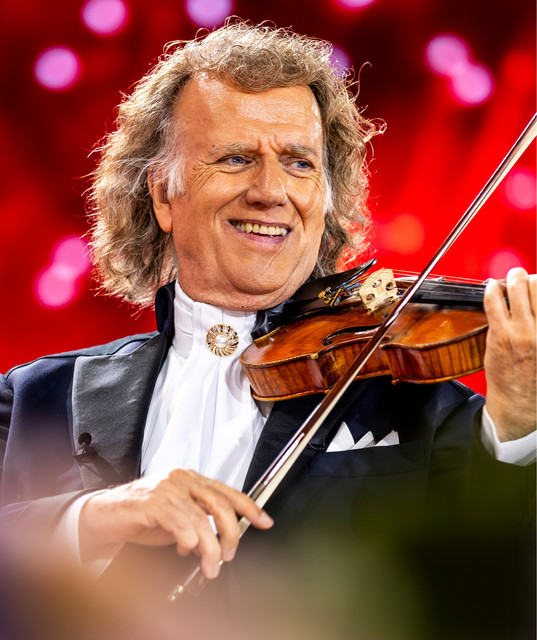
André Rieu
Classical
Easy Listening
Waltz
4
/5
London Philharmonic Orchestra
Classical
Opera
Orchestral
4
/5
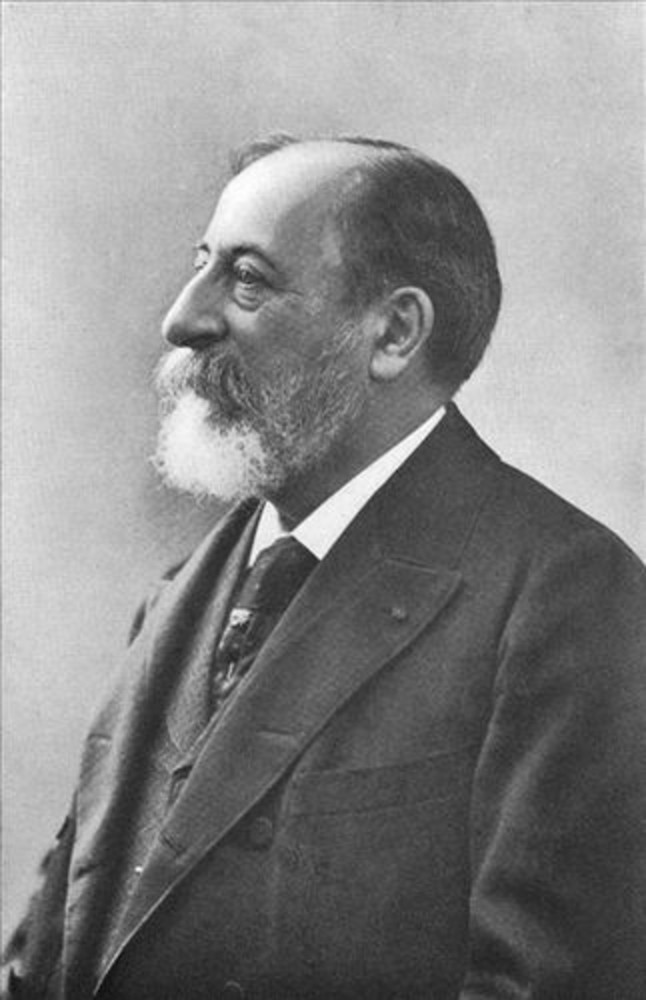
Camille Saint-Saëns
Classical
Concerto
Orchestral
4
/5
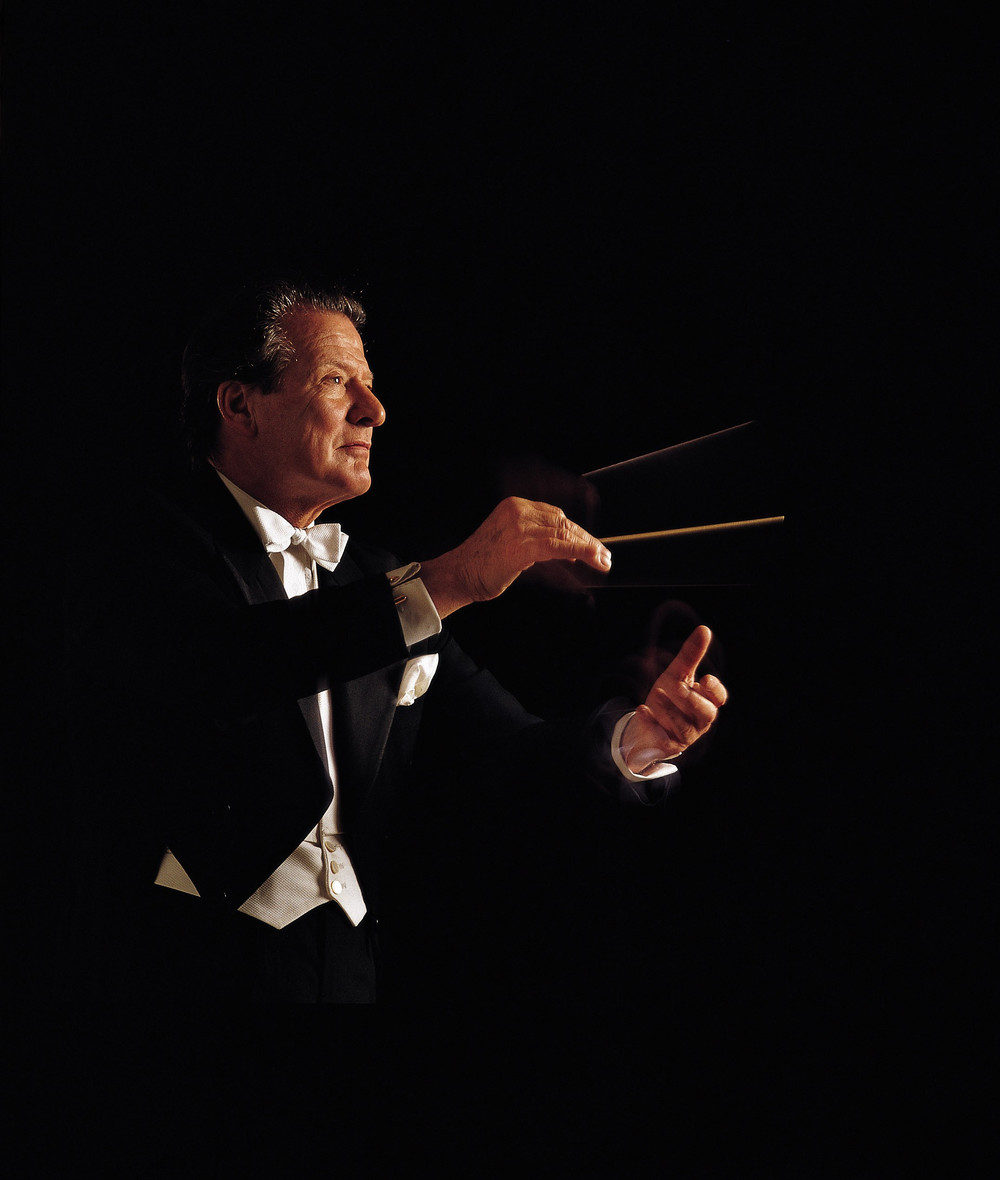
Sir Neville Marriner
Classical
Baroque
Orchestral
4
/5
Claudio Abbado
Classical
Concerto
Opera
4
/5
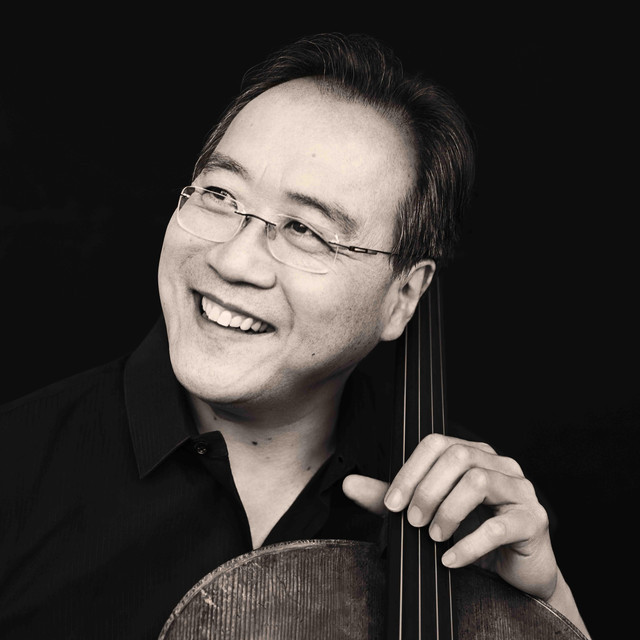
Yo-Yo Ma
Classical
Baroque
Chamber Music
4
/5
Daniel Barenboim
Classical
Concerto
Opera
4
/5
Edvard Grieg
Classical
Orchestral
Chamber Music
Download our mobile app
Get the Melodigging app and start digging for new genres on the go
Download on the App Store
Get it on Google Play
© 2026 Melodigging
Give feedback
About & FAQ
Legal
Melodding was created as a tribute to
Every Noise at Once
, which inspired us to help curious minds keep digging into music's ever-evolving genres.