Genres
Artists
Albums
Make Music
Sign in
Sign in
Artists
Punk
Artists
Punk
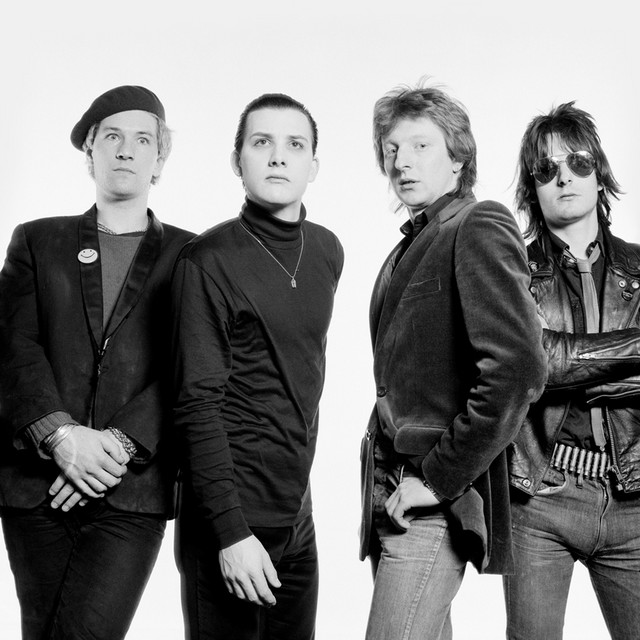
The Mob
2009
·
1 album
Listen
1
/5
Genres
Deathrock
Deathrock is a dark, theatrical offshoot of punk that emerged in the early 1980s, characterized by ominous atmospheres, tom-heavy “tribal” drumming, chorus-soaked basslines, and reverb-drenched guitar. It blends the immediacy and DIY aggressiveness of punk rock with the bleak textures and minor-key melodicism of post-punk and early gothic rock, often drawing visual inspiration from horror cinema and macabre cabaret. Vocals range from plaintive and haunted to snarling and declamatory, while lyrics explore themes of death, alienation, ritual, and romantic morbidity. The production favors raw edges, spring/plate reverbs, and room ambience over polish.
Discover
Listen
Positive Punk
Positive punk is a short‑lived early‑1980s UK label used by music press to describe a new, more visionary strain of post‑punk that carried punk’s energy into darker, theatrical and romantic directions. Musically it fused punk rock’s urgency with post‑punk’s atmosphere: tom‑heavy tribal drumming, octave‑driven bass lines, flanged/chorused guitars drenched in reverb, and baritone or declamatory vocals. Lyrically it swapped nihilism for a "constructive" or transformative stance—embracing personal liberation, mysticism, and DIY community alongside social critique. In fashion and presentation it anticipated what would soon be called goth: black attire, crimped hair, dramatic makeup, militaristic or Victorian thrift‑store aesthetics, and intense, ritual‑like live performances.
Discover
Listen
Punk
Punk is a fast, abrasive, and minimalist form of rock music built around short songs, stripped-down instrumentation, and confrontational, anti-establishment lyrics. It emphasizes DIY ethics, raw energy, and immediacy over virtuosity, often featuring distorted guitars, shouted or sneered vocals, and simple, catchy melodies. Typical songs run 1–3 minutes, sit around 140–200 BPM, use power chords and basic progressions (often I–IV–V), and favor live, unpolished production. Beyond sound, punk is a cultural movement encompassing zines, independent labels, political activism, and a fashion vocabulary of ripped clothes, leather, and safety pins.
Discover
Listen
Gothic Rock
Gothic rock is a dark, atmospheric branch of post-punk that emphasizes brooding moods, melodic basslines, baritone or icy vocal deliveries, and guitar textures drenched in chorus, delay, and reverb. Its lyrics often explore themes of romanticism, existential dread, night, mysticism, and decay, drawing on Gothic literature and cinema as much as rock tradition. Sonically, it blends the stark rhythms and minimalism of post-punk with the theatricality of glam and the textural experimentation of art and psychedelic rock. Drum machines or tightly metronomic drumming underpin prominent, melodic bass figures, while guitars shimmer or scrape with chorus/flanger effects. The result is danceable yet somber music that feels both dramatic and introspective.
Discover
Listen
Hardcore Punk
Hardcore punk is a faster, louder, and more abrasive offshoot of late-1970s punk rock. Songs are typically short (often under two minutes), propelled by rapid tempos, aggressive down‑stroked guitar riffs, and shouted or barked vocals. The style prioritizes raw energy over technical ornamentation: power‑chord harmony, minimal guitar solos, and tightly locked rhythm sections dominate. Lyrically, hardcore punk is intensely direct—often political, anti‑authoritarian, and socially critical—reflecting a DIY ethic that values independent labels, self‑organized shows, and community‑run spaces. The genre coalesced in U.S. scenes such as Los Angeles, Washington, D.C., New York, and Boston, and soon spread internationally. Its velocity, attitude, and grassroots infrastructure profoundly shaped underground music and paved the way for numerous metal, punk, and alternative subgenres.
Discover
Listen
Post-Punk
Post-punk is a broadly experimental strain of rock that emerged in the late 1970s as artists sought to push beyond the speed, simplicity, and orthodoxy of first-wave punk. It typically features angular, bass-forward grooves; jagged or minimal guitar lines; stark, spacious production; and an openness to dub, funk, electronic, and avant-garde ideas. Lyrics often examine alienation, urban decay, politics, and the inner life with artful or abstract delivery. A studio-as-instrument approach, emphasis on rhythm section interplay, and an appetite for non-rock textures (tape effects, drum machines, found sound, synths) distinguish the style. The result can be danceable yet tense, cerebral yet visceral, and emotionally restrained yet intensely expressive.
Discover
Listen
Anarcho-Punk
Anarcho-punk is a politically charged strand of punk that explicitly promotes anarchist and anti-authoritarian ideas. Emerging in the late 1970s United Kingdom, it fused the speed and abrasion of punk with an uncompromising DIY ethic, collective organization, and a culture of zines, benefit gigs, and independent labels. Musically, anarcho-punk leans on raw guitars, driving 4/4 rhythms, shouted or chant-like vocals, and concise song forms, but it often incorporates spoken-word, noise, sound collage, and experimental interludes to underscore its messages. Lyrically, it addresses anti-war and anti-nuclear activism, animal liberation, environmentalism, anti-capitalism, feminism, and social justice. Its stark black-and-white stencil aesthetic—iconic in sleeves, patches, and posters—became as recognizable as its sound.
Discover
Listen
Rock
Rock is a broad family of popular music centered on amplified instruments, a strong backbeat, and song forms that foreground riffs, choruses, and anthemic hooks. Emerging from mid‑20th‑century American styles like rhythm & blues, country, and gospel-inflected rock and roll, rock quickly expanded in scope—absorbing folk, blues, and psychedelic ideas—while shaping global youth culture. Core sonic markers include electric guitar (often overdriven), electric bass, drum kit emphasizing beats 2 and 4, and emotive lead vocals. Rock songs commonly use verse–chorus structures, blues-derived harmony, and memorable melodic motifs, ranging from intimate ballads to high‑energy, stadium‑sized performances.
Discover
Listen
Show all 8 genres
Albums
2009
2
/5
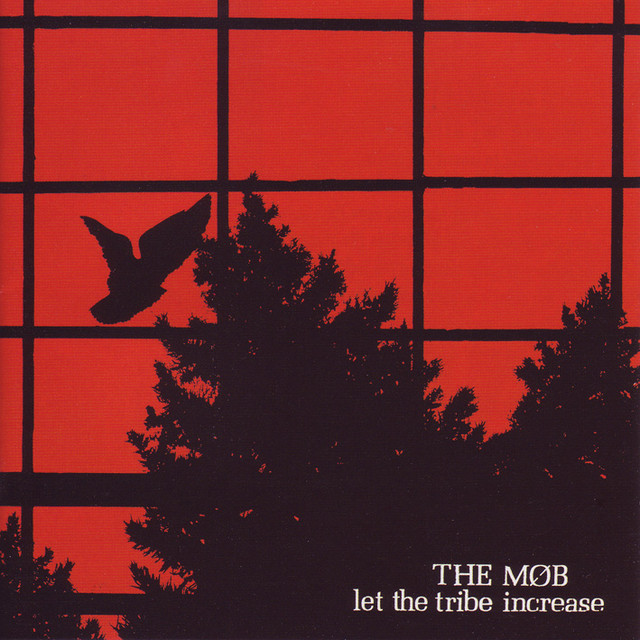
Let the Tribe Increase
The Mob
Positive Punk
Anarcho-Punk
Punk
Similar artists
3
/5
The Damned
Horror Punk
Proto-Punk
Punk
4
/5
AFI
Horror Punk
Skate Punk
Punk
2
/5
Rudimentary Peni
Anarcho-Punk
Crust Punk
Deathrock
2
/5
SYNDROME 81
Coldwave
Deathrock
Hardcore Punk
4
/5
Siouxsie and the Banshees
Gothic Rock
Post-Punk
Deathrock
3
/5
The Chameleons
Gothic Rock
Post-Punk
Deathrock
2
/5
Horror Vacui
Deathrock
Post-Punk
Modern Goth
2
/5
Siekiera
Coldwave
Dark Wave
Deathrock
2
/5
Poison Ruïn
Deathrock
Coldwave
Egg Punk
2
/5
Fliehende Stürme
Coldwave
Dark Wave
Deathrock
Download our mobile app
Get the Melodigging app and start digging for new genres on the go
Download on the App Store
Get it on Google Play
© 2026 Melodigging
Give feedback
Legal
Melodding was created as a tribute to
Every Noise at Once
, which inspired us to help curious minds keep digging into music's ever-evolving genres.