Genres
Artists
Albums
Make Music
Sign in
Sign in
Artists
Coldwave
Artists
Coldwave
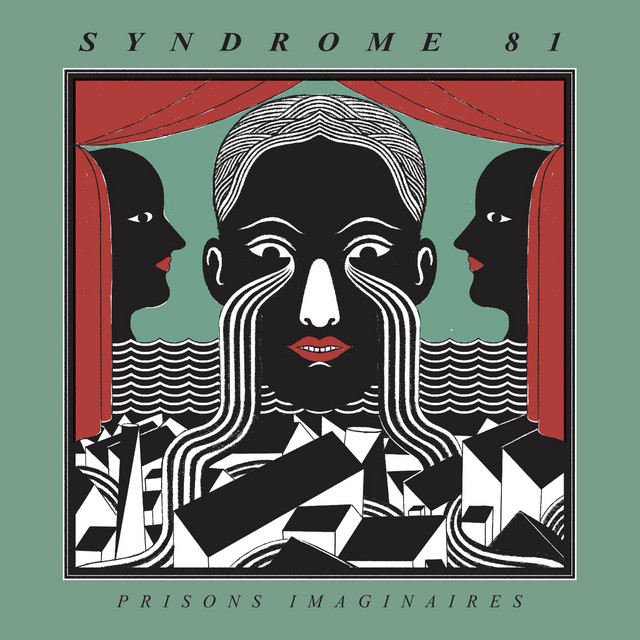
SYNDROME 81
2022
·
1 album
Listen
2
/5
Genres
Deathrock
Deathrock is a dark, theatrical offshoot of punk that emerged in the early 1980s, characterized by ominous atmospheres, tom-heavy “tribal” drumming, chorus-soaked basslines, and reverb-drenched guitar. It blends the immediacy and DIY aggressiveness of punk rock with the bleak textures and minor-key melodicism of post-punk and early gothic rock, often drawing visual inspiration from horror cinema and macabre cabaret. Vocals range from plaintive and haunted to snarling and declamatory, while lyrics explore themes of death, alienation, ritual, and romantic morbidity. The production favors raw edges, spring/plate reverbs, and room ambience over polish.
Discover
Listen
Coldwave
Coldwave is a European post-punk offshoot characterized by icy, minimalist arrangements, prominent basslines, sparse drum machines, and a detached vocal delivery. Emerging first in France (and neighboring Belgium) in the late 1970s and peaking through the mid-1980s, it blends punk’s austerity with the synthetic textures of early analog keyboards and stark, minor-key guitar figures. The mood is melancholic and introspective—often sung in French or English—favoring rigid rhythms, chorus-drenched guitars, and compact songwriting that foregrounds atmosphere over virtuosity. Its "cold" aesthetic refers as much to the emotional temperature of the music as to the gray-toned production: dry snares, steely bass, and reverb used not for lushness but for distance.
Discover
Listen
Hardcore Punk
Hardcore punk is a faster, louder, and more abrasive offshoot of late-1970s punk rock. Songs are typically short (often under two minutes), propelled by rapid tempos, aggressive down‑stroked guitar riffs, and shouted or barked vocals. The style prioritizes raw energy over technical ornamentation: power‑chord harmony, minimal guitar solos, and tightly locked rhythm sections dominate. Lyrically, hardcore punk is intensely direct—often political, anti‑authoritarian, and socially critical—reflecting a DIY ethic that values independent labels, self‑organized shows, and community‑run spaces. The genre coalesced in U.S. scenes such as Los Angeles, Washington, D.C., New York, and Boston, and soon spread internationally. Its velocity, attitude, and grassroots infrastructure profoundly shaped underground music and paved the way for numerous metal, punk, and alternative subgenres.
Discover
Listen
Post-Punk
Post-punk is a broadly experimental strain of rock that emerged in the late 1970s as artists sought to push beyond the speed, simplicity, and orthodoxy of first-wave punk. It typically features angular, bass-forward grooves; jagged or minimal guitar lines; stark, spacious production; and an openness to dub, funk, electronic, and avant-garde ideas. Lyrics often examine alienation, urban decay, politics, and the inner life with artful or abstract delivery. A studio-as-instrument approach, emphasis on rhythm section interplay, and an appetite for non-rock textures (tape effects, drum machines, found sound, synths) distinguish the style. The result can be danceable yet tense, cerebral yet visceral, and emotionally restrained yet intensely expressive.
Discover
Listen
Punk
Punk is a fast, abrasive, and minimalist form of rock music built around short songs, stripped-down instrumentation, and confrontational, anti-establishment lyrics. It emphasizes DIY ethics, raw energy, and immediacy over virtuosity, often featuring distorted guitars, shouted or sneered vocals, and simple, catchy melodies. Typical songs run 1–3 minutes, sit around 140–200 BPM, use power chords and basic progressions (often I–IV–V), and favor live, unpolished production. Beyond sound, punk is a cultural movement encompassing zines, independent labels, political activism, and a fashion vocabulary of ripped clothes, leather, and safety pins.
Discover
Listen
Oi
Oi is a raw, working‑class strain of British punk rock characterized by chant‑along choruses, mid‑to‑fast tempos, and direct, street‑level lyrics. Emerging at the turn of the 1980s, it sought to reconnect punk with its original audience—punks, skinheads, and football supporters—by emphasizing community, solidarity, and everyday struggles over art‑school pretensions. Musically, Oi favors power‑chord riffs, simple song structures, gang vocals, and anthemic hooks that translate easily to live singalongs.
Discover
Listen
Albums
2022
2
/5
Prisons imaginaires
Syndrome 81
Oi
Similar artists
2
/5
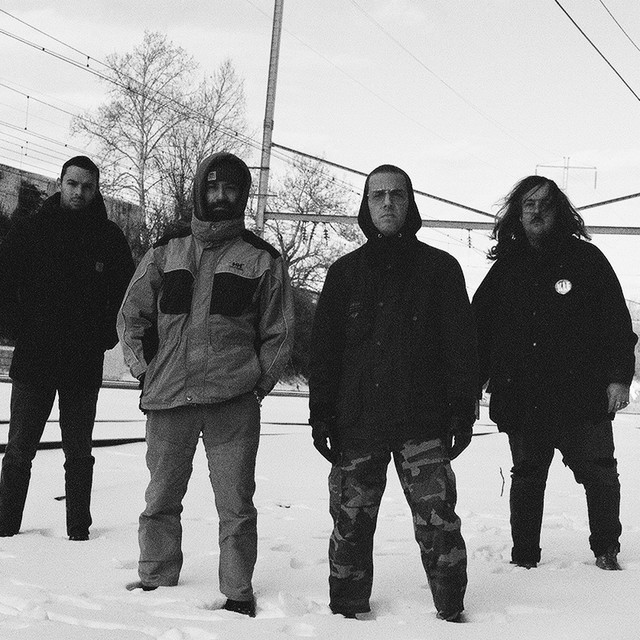
Poison Ruïn
Deathrock
Coldwave
Egg Punk
1
/5
The Mob
Punk
Deathrock
Gothic Rock
4
/5
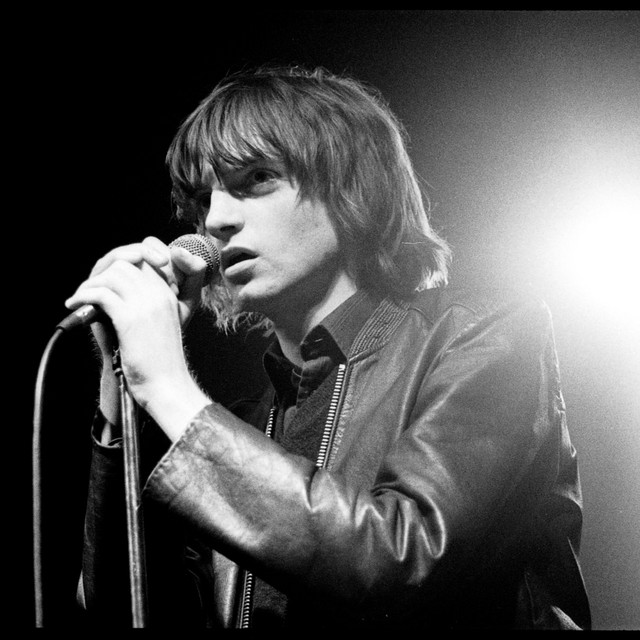
Siouxsie and the Banshees
Gothic Rock
Post-Punk
Deathrock
3
/5
The Fall
Post-Punk
New Wave
Rock
3
/5
The Chameleons
Gothic Rock
Post-Punk
Deathrock
2
/5
Horror Vacui
Deathrock
Post-Punk
Modern Goth
2
/5
Siekiera
Coldwave
Dark Wave
Deathrock
2
/5
Abwärts
Neue Deutsche Welle
Coldwave
Deathrock
2
/5
Fliehende Stürme
Coldwave
Dark Wave
Deathrock
1
/5
Morwan
Coldwave
Post-Punk
Dark Wave
Download our mobile app
Get the Melodigging app and start digging for new genres on the go
Download on the App Store
Get it on Google Play
© 2026 Melodigging
Give feedback
Legal
Melodding was created as a tribute to
Every Noise at Once
, which inspired us to help curious minds keep digging into music's ever-evolving genres.