Genres
Artists
Albums
Make Music
Sign in
Sign in
Artists
Horror Punk
Artists
Horror Punk
AFI
1999–2025
·
10 albums
Listen
4
/5
Genres
Pumpcore
Pumpcore is a hyper-energetic, gym-oriented microgenre that blends blown-out bass, sped-up hooks, and hard-hitting drops tailored for workout intensity and short-form video edits. It borrows from trap (and EDM-trap), phonk’s gritty timbres, hardstyle’s festival-scale builds, and nightcore-style acceleration, then pushes everything through aggressive saturation and sidechain “pump” to create a relentless, motivational surge. Tracks typically revolve around a memorable vocal or lead riff that has been time-stretched, pitch-shifted, and looped to maximize adrenaline and impact.
Discover
Listen
Emo Revival
Emo revival is a 2010s resurgence of the melodic, introspective strain of 1990s and early-2000s emo, updated with indie-rock and math-rock sensibilities. It emphasizes twinkly, interlocking clean guitars, confessional and diaristic lyrics, dynamic quiet‑loud arrangements, and a DIY ethos rooted in house shows, small labels, and online communities. Compared with 2000s mainstream emo-pop, the revival leans closer to Midwest emo and indie aesthetics—often cleaner in tone, more rhythmically intricate, and less polished, while remaining hooky and emotionally direct.
Discover
Listen
Modern Indie Folk
Modern indie folk is a 2010s-era evolution of indie folk that blends intimate, acoustic songwriting with contemporary production aesthetics. It keeps the core of folk—storytelling, fingerpicked guitars, and close-miked vocals—but expands the palette with ambient textures, chamber-style strings, subtle electronics, cinematic reverb, and spacious, headphone-first mixes. The result is a sound that feels both handcrafted and atmospheric: confessional lyrics carried by hushed deliveries, layered harmonies, and warm analog or tape-like saturation, often moving between 4/4 and swaying 6/8/12/8 meters. At its center are themes of memory, nature, relationships, and quiet self-reckoning, expressed through vivid imagery and minimalist arrangements that bloom into emotive crescendos.
Discover
Listen
Neo Metal
Neo metal is a contemporary, hybrid branch of heavy music that fuses modern metal riffing and breakdown power with glossy, pop-aware songwriting and electronic production. It borrows the bounce and hip‑hop sensibility of late‑1990s/early‑2000s nu metal, the precision of metalcore and djent, and the synthetic textures of EDM, trap, and industrial. Hallmarks include down‑tuned 7–8‑string guitars, half‑time, groove‑led drums, sub‑heavy 808s, and an emotive vocal palette that shifts between screams, rap‑cadenced phrasing, and soaring pop choruses. Studio craft is central: sound design, side‑chained synths, layered vocals, and punchy, wide masters aim for festival‑scale impact while remaining radio/playlist friendly.
Discover
Listen
Modern Melodic Hardcore
Modern melodic hardcore is a contemporary evolution of hardcore punk that foregrounds tuneful, emotive guitar lines and memorable vocal hooks without sacrificing speed, urgency, or bite. It typically pairs fast, driving rhythms (often in the 160–210 BPM range) and shouted–sung vocals with bright octave riffs, ringing chords, and dynamic shifts between explosive passages and reflective, melodic breaks. Compared with earlier waves, the modern form embraces cleaner production, bigger choruses, and influences from emo, post-hardcore, and power-pop—producing songs that are both cathartic and catchy.
Discover
Listen
Post-Post-Hardcore
Post-post-hardcore is a polished, third-wave offshoot of post-hardcore that crystallized in the 2010s. It fuses the genre’s emotive, dynamic vocals and tension-release structures with modern pop hooks, electronic programming, and metalcore heft. Compared with classic post-hardcore, it favors glossy production, radio-leaning choruses, and hybridized textures—think syncopated djent-lite riffs under bright synths, EDM-style risers and drops, half-time breakdowns, and call-and-response vocals (screamed versus soaring cleans). The result is an accessible yet intense sound that thrives in the internet era of playlists, YouTube covers, and scene cross-pollination.
Discover
Listen
Post-Screamo
Post-screamo is a modern, studio-savvy offshoot of screamo that blends the genre’s emotive harsh vocals with sleek, pop-leaning hooks and polished, post-hardcore/metalcore instrumentation. Compared with classic screamo, it favors dynamic “scream-and-sing” song forms, EDM/electronic textures, and breakdowns with djent-tinged guitar tones. Clean choruses, cinematic builds, and glossy production sit alongside cathartic screams, creating a style that is equal parts heavy release and radio-ready melodicism.
Discover
Listen
Classify
Classify is a streaming-era microgenre that blends light classical technique with contemporary pop repertoire, typically presented as unobtrusive instrumental covers. It prioritizes soft dynamics, gentle tempos, and intimate recording to create a calm, elegant backdrop suitable for studying, working, or events. Most arrangements are for solo piano, string quartet, cello/piano duos, or small chamber ensembles. Harmonies remain diatonic and consonant, melodies are clearly voiced, and textures favor arpeggios, ostinati, and sustained legato lines. The overall aesthetic borrows from modern classical and new age moods while retaining the familiarity of pop song forms.
Discover
Listen
Soundclown
Soundclown is an internet-born remix and mashup style that thrives on comedic juxtaposition, bait‑and‑switch reveals, and hyper-referential sample collage. It blends pop hits, game and cartoon music, ad jingles, meme sounds, and viral speech into quick-cut audio gags. The genre developed across YouTube and SoundCloud, favoring shock humor, nostalgia, and absurdity over traditional song form. Hallmarks include sudden key/tempo whiplash, exaggerated pitch-shifts, ear‑rending “earrape” peaks, and punchline drops that transform a familiar source into something hilariously incongruent. Because it is fundamentally platform-native, soundclown is as much a memetic editing culture as a musical style. Its tracks often function like sonic shitposts: fast, punchy, and built for instant recognition and shareability.
Discover
Listen
Emo Pop
Emo pop blends the confessional lyricism and emotional intensity of emo with the bright hooks, concise song forms, and polished production of mainstream pop and pop-punk. The style typically features up-tempo drums, chimey or lightly overdriven guitars, and anthemic choruses built around earworm melodies and glossy vocal harmonies. Lyrical themes revolve around vulnerability, relationships, growing pains, and self-doubt, delivered in an earnest, often dramatic vocal style. Production tends to be clean and radio-ready, with dynamic contrasts between restrained verses and explosive, cathartic choruses.
Discover
Listen
Skate Punk
Skate punk is a fast, energetic subgenre of punk closely tied to 1980s Southern California skate culture. It favors rapid tempos, tight downstroked power-chord guitars, punchy bass played with a pick, and driving, skank- or d‑beat‑adjacent drum patterns. Vocals range from nasal, melodic leads to gang shouts, with big, shout-along choruses. Lyrically, skate punk mixes anti-authoritarian commentary with personal and youthful themes—friendship, boredom, suburban malaise, and of course skateboarding. Melodic sophistication distinguishes it from rawer hardcore, while its speed and intensity keep it edgier than most pop punk. Labels like Epitaph and Fat Wreck Chords helped define the sound’s crisp, high-BPM assault with tight harmonies and hook-laden riffs.
Discover
Listen
Emo
Emo is a rock subgenre that emerged from the mid-1980s Washington, D.C. hardcore punk scene as “emotional hardcore” (often shortened to emocore). It retains punk’s urgency but foregrounds confessional, vulnerable lyrics and dramatic dynamic shifts. Across its eras, emo has encompassed several distinct sounds: the intense, cathartic D.C. style; the melodic, guitar‑intricate “Midwest emo” of the 1990s; and the 2000s mainstream wave that blended emo’s lyrical candor with pop‑punk hooks (often called “emo pop”). Common musical traits include intertwining clean and overdriven guitars, intricate arpeggios and counter‑melodies, elastic song structures, and vocals that range from intimate murmurs to raw, impassioned shouts.
Discover
Listen
Alternative Rock
Alternative rock is a broad umbrella for guitar-based rock that emerged from the independent and college-radio scenes as a counterpoint to mainstream, commercial rock. It blends the energy and ethos of punk with the textural and songwriting experiments of post-punk, new wave, jangle pop, and noise rock, often foregrounding introspective or socially aware lyrics. Across its many strains—from the melodic minimalism of college rock to the loud-quiet-loud dynamics of grunge and the artful experimentation of Radiohead-era modernism—alternative rock prioritizes authenticity, sonic individuality, and a do-it-yourself approach. Its sound ranges from chiming, chorus-laden clean guitars to abrasive distortion and feedback, supported by straightforward rock rhythms or off-kilter grooves, and production that can be either raw and live-sounding or polished yet unconventional.
Discover
Listen
Melodic Hardcore
Melodic hardcore is a subgenre of hardcore punk that fuses the speed, urgency, and ethics of hardcore with tuneful guitar writing and anthemic vocal lines. It retains the genre’s high-energy drumming, shouted delivery, and communal “gang vocals,” but foregrounds memorable melodies, octave leads, and minor-key harmonies. Compared to pop punk, melodic hardcore is generally harsher in tone, faster in tempo, and more lyrically introspective, often addressing personal struggle, perseverance, community, and social conscience. It sits between classic hardcore’s rawness and post-hardcore’s dynamics, offering emotionally charged songs that still hit with punk immediacy.
Discover
Listen
Alternative Pop Rock
Alternative pop rock blends the melodic immediacy and hook-driven structures of pop with the guitar-centric textures, attitude, and lyrical introspection of alternative and indie rock. Typically chorus-forward and radio-friendly, it favors clean, bright production, rhythmic guitars, synth coloration, and emotionally resonant vocal toplines. Compared with straight pop rock, it retains more of alt-rock’s edge and eclecticism, yet simplifies arrangements for accessibility. Lyrical themes often revolve around self-reflection, relationships, coming-of-age, and modern life, delivered in a conversational, earnest tone.
Discover
Listen
Dark Wave
Dark wave is a moody, melancholic offshoot of post-punk and new wave that emphasizes minor-key harmonies, somber timbres, and introspective or romantic lyrical themes. It blends the icy textures of early synthesizers and drum machines with reverb-laden guitars and melodic, driving basslines. The style typically features baritone or ethereal vocals, atmospheric production with heavy use of chorus, delay, and reverb, and tempos that range from slow and brooding to mid-tempo and danceable. Dark wave spans both guitar-oriented and synth-forward approaches, and often overlaps with related movements such as coldwave, minimal wave, and ethereal wave.
Discover
Listen
Deathrock
Deathrock is a dark, theatrical offshoot of punk that emerged in the early 1980s, characterized by ominous atmospheres, tom-heavy “tribal” drumming, chorus-soaked basslines, and reverb-drenched guitar. It blends the immediacy and DIY aggressiveness of punk rock with the bleak textures and minor-key melodicism of post-punk and early gothic rock, often drawing visual inspiration from horror cinema and macabre cabaret. Vocals range from plaintive and haunted to snarling and declamatory, while lyrics explore themes of death, alienation, ritual, and romantic morbidity. The production favors raw edges, spring/plate reverbs, and room ambience over polish.
Discover
Listen
Horror Punk
Horror punk is a subgenre of punk rock that fuses fast, aggressive punk energy with macabre imagery, campy B‑movie storytelling, and catchy, melodic hooks. Songs often feature minor-key riffs, gang vocals, and choruses designed for crowd sing-alongs, creating a balance between menace and fun. The style draws heavily on classic rock ’n’ roll and doo‑wop melodicism filtered through the rawness of 1970s punk. Lyrics reference monsters, graveyards, slashers, and supernatural themes, usually delivered with theatrical flair rather than genuine nihilism, making the mood dark yet playful.
Discover
Listen
Punk
Punk is a fast, abrasive, and minimalist form of rock music built around short songs, stripped-down instrumentation, and confrontational, anti-establishment lyrics. It emphasizes DIY ethics, raw energy, and immediacy over virtuosity, often featuring distorted guitars, shouted or sneered vocals, and simple, catchy melodies. Typical songs run 1–3 minutes, sit around 140–200 BPM, use power chords and basic progressions (often I–IV–V), and favor live, unpolished production. Beyond sound, punk is a cultural movement encompassing zines, independent labels, political activism, and a fashion vocabulary of ripped clothes, leather, and safety pins.
Discover
Listen
Hardcore Punk
Hardcore punk is a faster, louder, and more abrasive offshoot of late-1970s punk rock. Songs are typically short (often under two minutes), propelled by rapid tempos, aggressive down‑stroked guitar riffs, and shouted or barked vocals. The style prioritizes raw energy over technical ornamentation: power‑chord harmony, minimal guitar solos, and tightly locked rhythm sections dominate. Lyrically, hardcore punk is intensely direct—often political, anti‑authoritarian, and socially critical—reflecting a DIY ethic that values independent labels, self‑organized shows, and community‑run spaces. The genre coalesced in U.S. scenes such as Los Angeles, Washington, D.C., New York, and Boston, and soon spread internationally. Its velocity, attitude, and grassroots infrastructure profoundly shaped underground music and paved the way for numerous metal, punk, and alternative subgenres.
Discover
Listen
Pop Punk
Pop punk blends the speed and attitude of punk rock with the melody, hooks, and songcraft of pop. It features bright, concise songs driven by crunchy power-chord guitars, punchy drums, and catchy vocal lines that often favor gang shouts and harmonies. Lyrically, pop punk tends to focus on adolescence, relationships, boredom, suburbia, and self-deprecating humor, delivered with a mix of earnestness and wit. Production ranges from raw and DIY to radio-ready polish, but the core is always immediacy: big choruses, tight structures, and energetic performances.
Discover
Listen
Post-Punk
Post-punk is a broadly experimental strain of rock that emerged in the late 1970s as artists sought to push beyond the speed, simplicity, and orthodoxy of first-wave punk. It typically features angular, bass-forward grooves; jagged or minimal guitar lines; stark, spacious production; and an openness to dub, funk, electronic, and avant-garde ideas. Lyrics often examine alienation, urban decay, politics, and the inner life with artful or abstract delivery. A studio-as-instrument approach, emphasis on rhythm section interplay, and an appetite for non-rock textures (tape effects, drum machines, found sound, synths) distinguish the style. The result can be danceable yet tense, cerebral yet visceral, and emotionally restrained yet intensely expressive.
Discover
Listen
Punk Rock
Punk rock is a fast, raw, and stripped‑down form of rock music that foregrounds energy, attitude, and the DIY ethic over technical polish. Songs are short (often 90–180 seconds), in 4/4, and driven by down‑stroked power‑chord guitars, eighth‑note bass, and relentless backbeat drumming. Vocals are shouted or sneered rather than crooned, and lyrics are direct, often political, anti‑establishment, or wryly humorous. Production is intentionally unvarnished, prioritizing immediacy and live feel over studio perfection. Beyond sound, punk rock is a culture and practice: independent labels, fanzines, all‑ages venues, self‑organized tours, and a participatory scene that values inclusivity, affordability, and self‑reliance.
Discover
Listen
Rock
Rock is a broad family of popular music centered on amplified instruments, a strong backbeat, and song forms that foreground riffs, choruses, and anthemic hooks. Emerging from mid‑20th‑century American styles like rhythm & blues, country, and gospel-inflected rock and roll, rock quickly expanded in scope—absorbing folk, blues, and psychedelic ideas—while shaping global youth culture. Core sonic markers include electric guitar (often overdriven), electric bass, drum kit emphasizing beats 2 and 4, and emotive lead vocals. Rock songs commonly use verse–chorus structures, blues-derived harmony, and memorable melodic motifs, ranging from intimate ballads to high‑energy, stadium‑sized performances.
Discover
Listen
Show all 24 genres
Albums
2025
2
/5
Silver Bleeds the Black Sun...
AFI
Horror Punk
2025
3
/5
Silver Bleeds the Black Sun...
AFI
Horror Punk
Skate Punk
Dark Wave
2025
1
/5
Ash Speck in a Green Eye
AFI
Horror Punk
2025
2
/5
Holy Visions
AFI
Horror Punk
Skate Punk
2025
2
/5
Behind the Clock
AFI
Horror Punk
Skate Punk
2006
4
/5
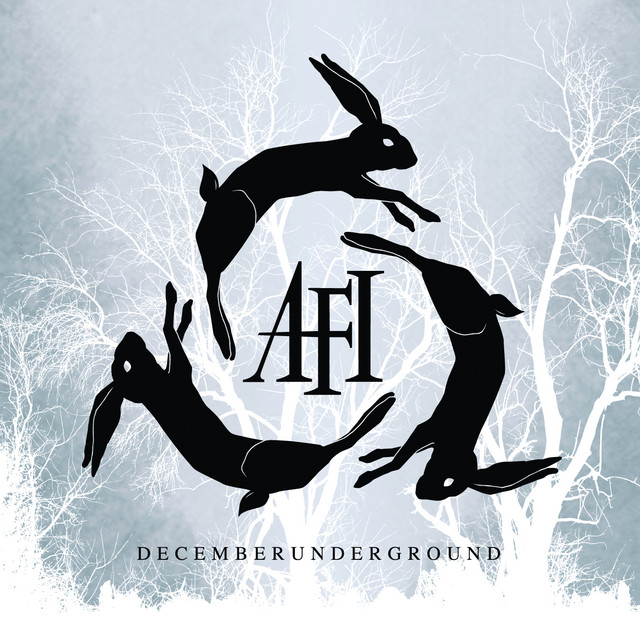
DECEMBERUNDERGROUND
AFI
Horror Punk
Alternative Rock
Emo
2003
4
/5
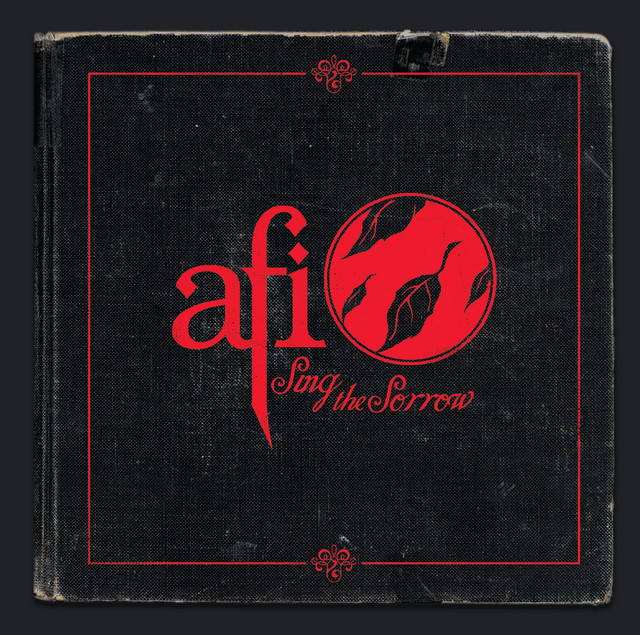
Sing the Sorrow
AFI
Horror Punk
Emo Pop
Alternative Pop Rock
2000
3
/5
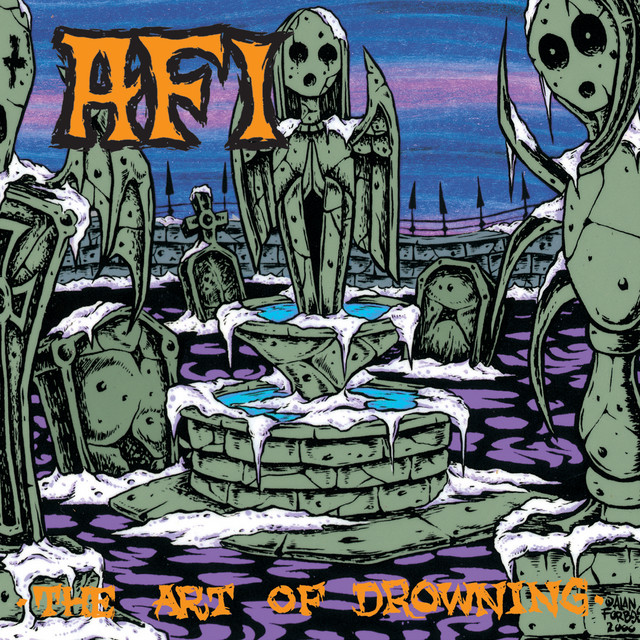
The Art of Drowning
AFI
Melodic Hardcore
Horror Punk
Hardcore Punk
1999
3
/5
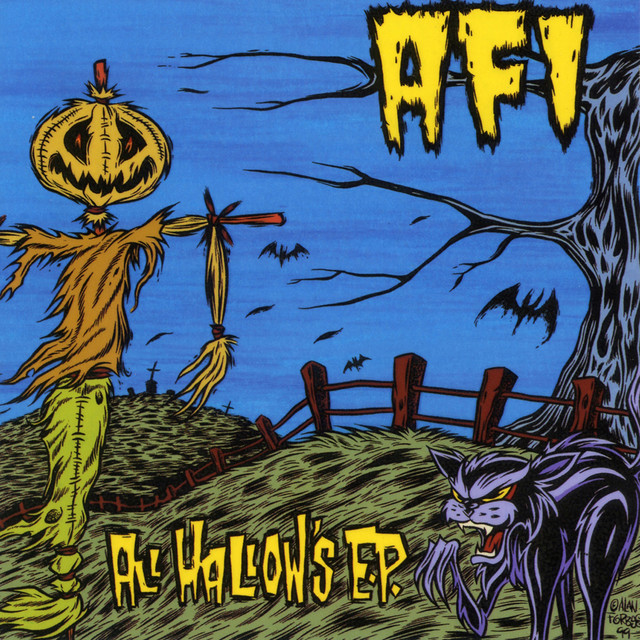
All Hallows EP
AFI
Horror Punk
1999
3
/5
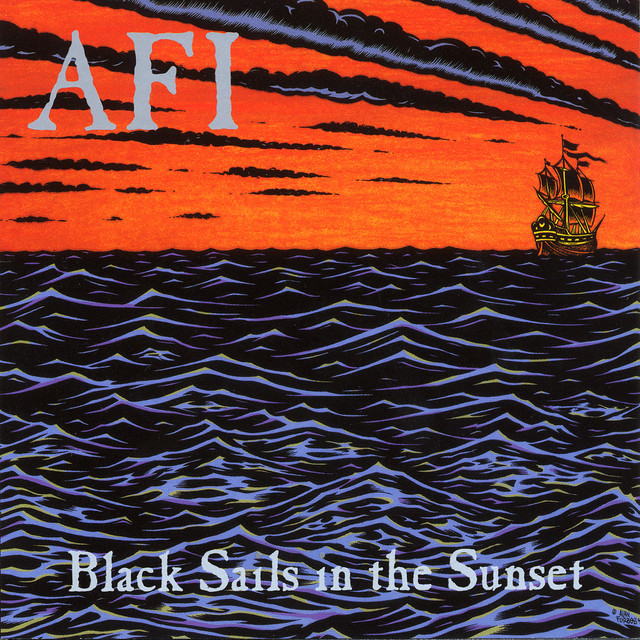
Black Sails in the Sunset
AFI
Melodic Hardcore
Horror Punk
Similar artists
4
/5
Misfits
Horror Punk
New Jersey Punk
Psychobilly
5
/5
blink-182
Pop Punk
Punk
Skate Punk
3
/5
Teenage Bottlerocket
Horror Punk
Orgcore
Punk
1
/5
Various Artists
Afro-Funk
Alternative Rock
Ambient
3
/5
T.S.O.L.
Crossover Thrash
Hardcore Punk
Horror Punk
3
/5
Hot Water Music
Emocore
Punk
Melodic Hardcore
4
/5
Neck Deep
Punk
Emo Pop
Pop Punk
2
/5
Gray Matter
Punk
Hardcore Punk
Post-Hardcore
2
/5
Lifetime
Melodic Hardcore
Hardcore Punk
New Brunswick Basement Scene
3
/5
Korol i Shut
Horror Punk
Punk
Rock
Download our mobile app
Get the Melodigging app and start digging for new genres on the go
Download on the App Store
Get it on Google Play
© 2026 Melodigging
Give feedback
Legal
Melodding was created as a tribute to
Every Noise at Once
, which inspired us to help curious minds keep digging into music's ever-evolving genres.