Genres
Artists
Albums
Make Music
Sign in
Sign in
Artists
Jangle Pop
Artists
Jangle Pop
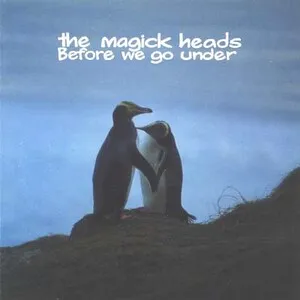
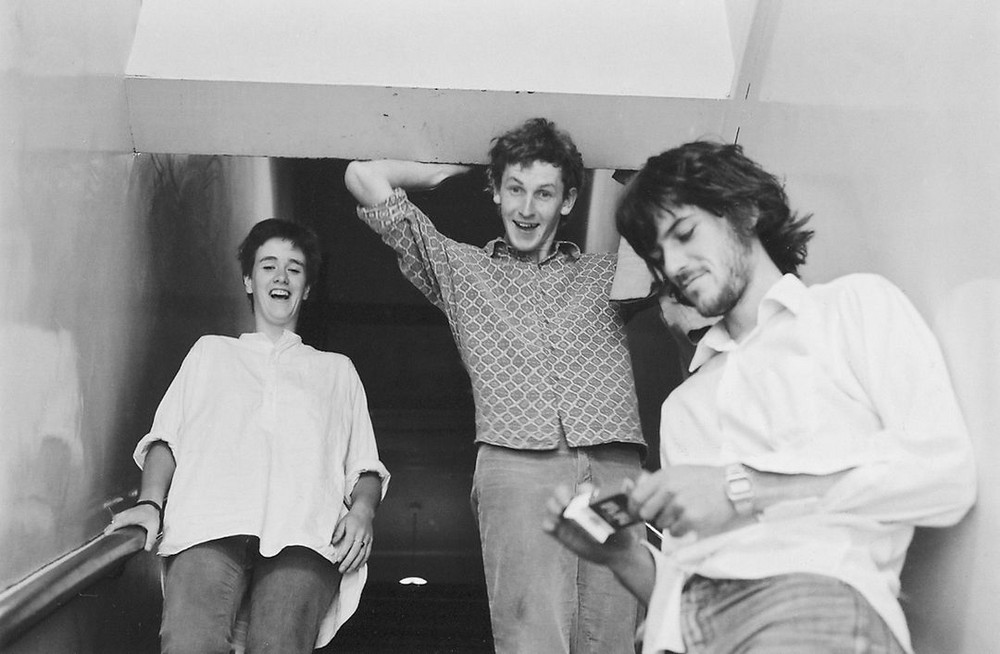
The Magick Heads
1995
·
1 album
Listen
1
/5
Genres
Dolewave
Dolewave is a strand of Australian indie rock known for jangly, clean guitars, laconic and conversational vocals, and lyrics that linger on the small details of everyday suburban life. The songs often feel unhurried and unvarnished, balancing bittersweet nostalgia with wry humor. Production tends toward the DIY and lo‑fi: room sounds, modest mic techniques, and minimal studio polish underscore the music’s unpretentious character. Harmonies are simple but catchy—major keys, suspended chords, and ringing arpeggios—while tempos hover at a relaxed mid‑pace. The term "dolewave" began as a tongue‑in‑cheek label referencing Australia’s social welfare (“the dole”) and the music’s slacker, home‑recorded ethos. Despite the loaded nickname, the style has come to signify a specific Melbourne‑centred guitar pop sensibility steeped in jangle‑pop, the Dunedin sound, and slacker rock.
Discover
Listen
Jangle Pop
Jangle pop is a guitar-centered style of pop and rock defined by bright, chiming tones—often from a 12‑string electric (famously the Rickenbacker)—playing arpeggiated or open‑chord figures with minimal distortion. The sound emphasizes treble clarity, shimmering sustain, and tight compression, creating a sparkling texture that carries melodic hooks. Rhythm sections are typically crisp and supportive rather than aggressive, with steady mid‑tempo grooves and melodic bass counter‑lines. Vocals tend to be tuneful and understated, frequently with close harmonies. Lyrically, jangle pop pairs catchy, concise songwriting with wistful, romantic, and nostalgic themes. The style draws on 1960s guitar pop and folk rock traditions while channeling the DIY ethos of 1980s indie scenes.
Discover
Listen
Dunedin Sound
The Dunedin sound is a jangly, DIY strain of indie pop and post‑punk that emerged in the early 1980s around the university city of Dunedin, New Zealand. Characterized by chiming, reverb‑kissed guitars, melodic basslines, and propulsive but minimalist drumming, it balances a nervous post‑punk edge with wistful, tuneful songwriting. Recorded largely on shoestring budgets for Flying Nun Records, the music often embraces lo‑fi aesthetics: natural room ambience, slight tape saturation, and a raw, live band feel. Lyrics tend to be literate, bittersweet, and evocative of small‑town life, nature, and interior states, giving the songs an intimate, homespun charm that belies their enduring pop craft.
Discover
Listen
Power Pop
Power pop is a guitar-driven style that distills the melodic immediacy of 1960s British Invasion pop into concise, high-energy rock songs. It emphasizes big hooks, ringing guitars (often Rickenbacker-style jangle), tight vocal harmonies, and punchy, economical arrangements that typically run around three minutes. Lyrically, it leans toward youthful longing, romance, and bittersweet nostalgia, delivered with bright major-key progressions, chiming arpeggios, and sing-along choruses. Though Pete Townshend used the term in the late 1960s, the genre cohered in the early 1970s with bands like Badfinger, Big Star, and the Raspberries, and it has resurfaced repeatedly in waves through new wave, indie, and modern pop-punk contexts.
Discover
Listen
Albums
1995
1
/5
Before We Go Under
The Magick Heads
Dunedin Sound
Similar artists
2
/5
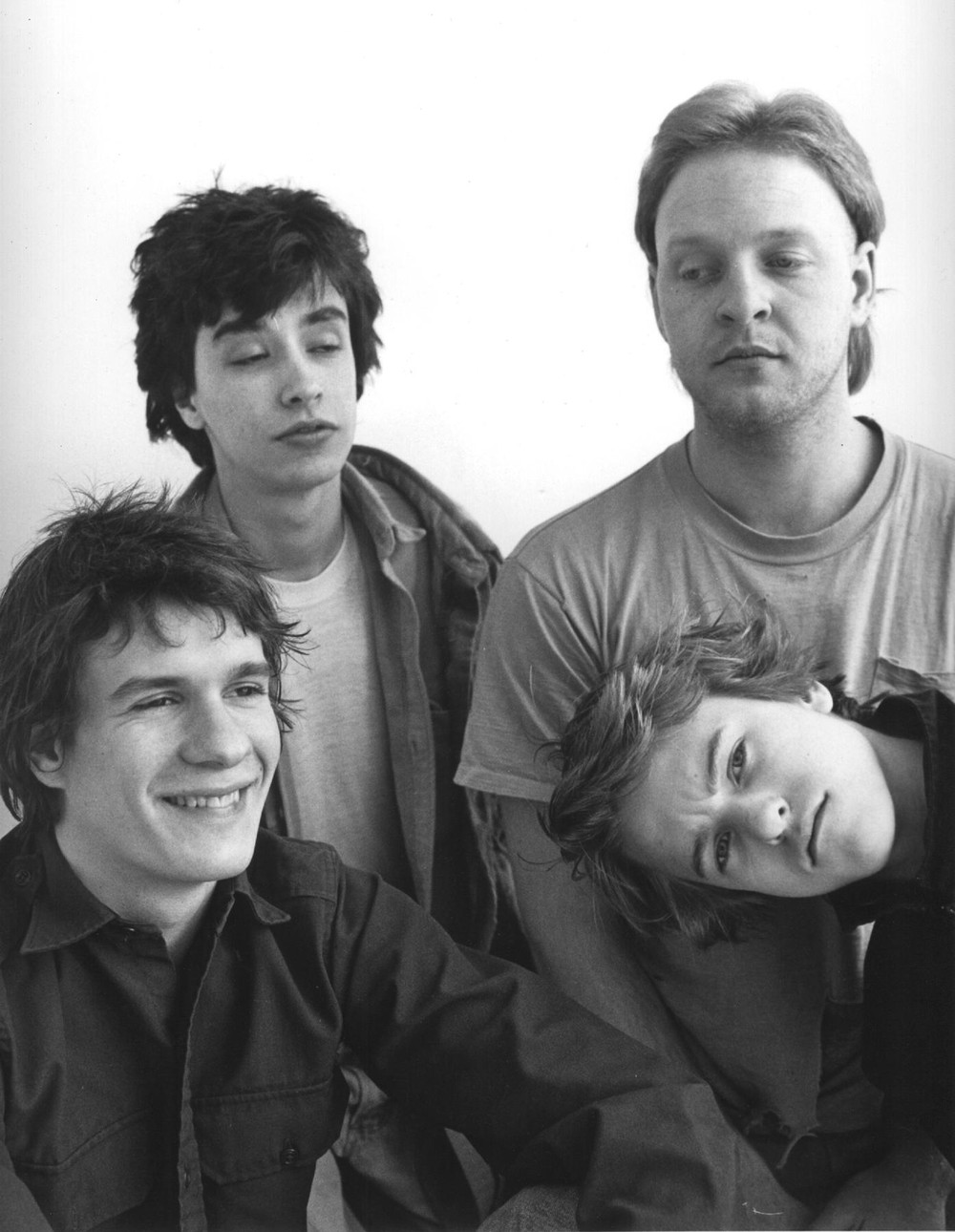
The Feelies
Jangle Pop
Post-Punk
Dunedin Sound
2
/5
The Bats
Dunedin Sound
Jangle Pop
Power Pop
1
/5
The Verlaines
Dunedin Sound
Indie Rock
Rock
3
/5
Susanna Hoffs
Chill Pop
Jangle Pop
Power Pop
3
/5
The Replacements
Power Pop
Jangle Pop
Indie Shoegaze
3
/5
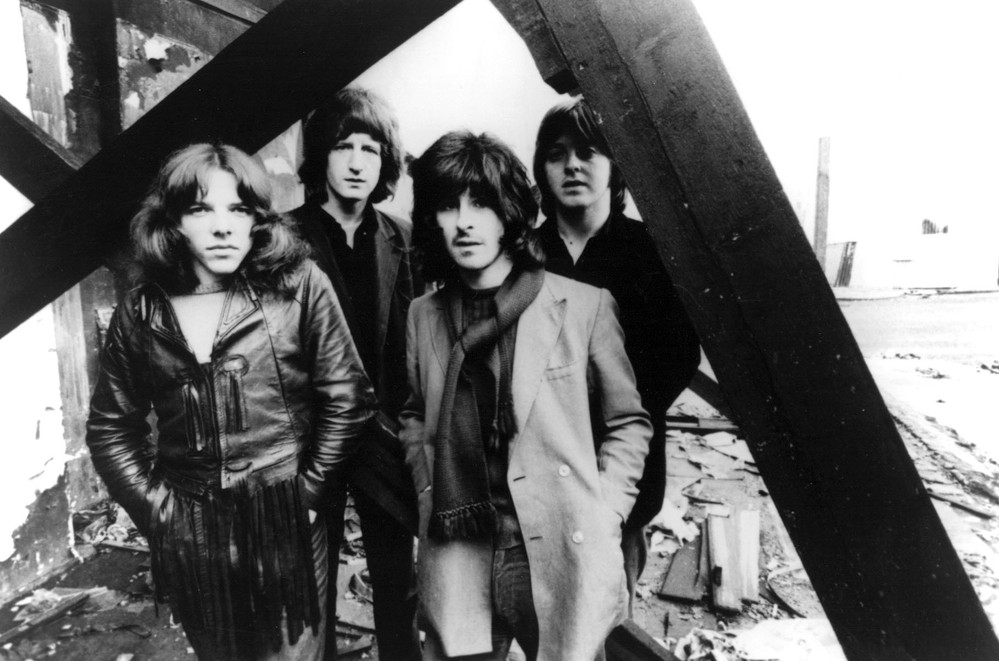
Badfinger
Chill Pop
Indie Shoegaze
Jangle Pop
3
/5
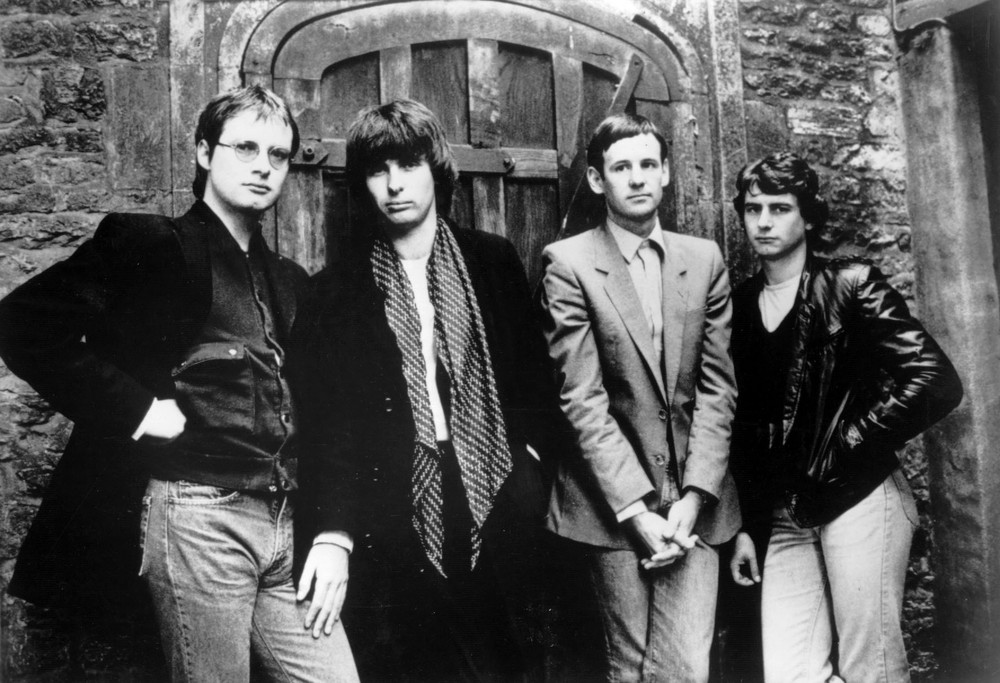
XTC
New Wave
Post-Punk
Rock
3
/5
Raspberries
Jangle Pop
Power Pop
Lo Star
3
/5
Teenage Fanclub
Jangle Pop
Power Pop
Britpop
3
/5
Big Star
Power Pop
Baroque Pop
Jangle Pop
Download our mobile app
Get the Melodigging app and start digging for new genres on the go
Download on the App Store
Get it on Google Play
© 2026 Melodigging
Give feedback
Legal
Melodding was created as a tribute to
Every Noise at Once
, which inspired us to help curious minds keep digging into music's ever-evolving genres.