Genres
Artists
Albums
Make Music
Sign in
Sign in
Artists
Acid Rock
Artists
Acid Rock
The Holy Modal Rounders
1999
·
5 albums
Listen
1
/5
Genres
Freak Folk
Freak folk is a 2000s revival and mutation of psychedelic and traditional folk that embraces eccentric vocals, surreal lyrics, and homespun, experimental arrangements. It blends fingerpicked acoustics and hand percussion with harps, harmoniums, toy instruments, and found sounds, often recorded in lo‑fi, intimate settings. Aesthetically, it is earthy yet otherworldly: pastoral melodies, drones, and modal harmonies coexist with whimsical, childlike timbres and mystical imagery. The scene is closely associated with the New Weird America movement, valuing communal creativity, DIY production, and a porous boundary between folk tradition and avant‑garde exploration.
Discover
Listen
Anti-Folk
Anti-folk is a subversive, DIY-minded offshoot of folk that blends the confessional songwriting of the 1960s coffeehouse scene with the irreverence, speed, and attitude of punk. It favors raw, often lo-fi production, simple chord progressions, direct melodies, and sardonic, self-aware lyrics that skewer both mainstream pop and earnest folk orthodoxy. Performances typically feel intimate and unvarnished, privileging personality, humor, and immediacy over polish. The scene coalesced around New York City’s Lower East Side/East Village in the 1980s and 1990s, later inspiring companion scenes in the UK and Europe. Anti-folk’s tone ranges from playful and comedic to biting and political, but it consistently celebrates individuality, candor, and a hand-made aesthetic.
Discover
Listen
Acid Rock
Acid rock is a heavier, louder, and more improvisation-driven branch of psychedelic rock that emerged in the mid-to-late 1960s. It is characterized by extended guitar solos, distorted and feedback-laden textures, modal or drone-based harmony, and a strong emphasis on trance-inducing grooves. The style was closely tied to the counterculture and LSD-fueled happenings of the era, particularly on the U.S. West Coast. Musically, it blends blues-rock’s grit, garage rock’s raw energy, folk-rock’s modal harmonies, and raga-influenced drones, then amplifies everything—volume, duration, and intensity—into hypnotic, often explosive performances.
Discover
Listen
Greenwich Village Scene
The Greenwich Village scene refers to the acoustic folk- and blues-centered singer‑songwriter movement that coalesced in the coffeehouses, clubs, and streets of Greenwich Village in New York City during the late 1950s and especially the early to mid‑1960s. Rather than a single strict musical genre, it was a fertile urban hub where traditional American folk, country blues, and topical songwriting converged. Artists favored intimate, lyric‑driven songs performed with acoustic guitar, unadorned vocals, and occasional harmonica, emphasizing storytelling, social commentary, and a direct connection with audiences. The scene’s clubs—Gerde’s Folk City, the Gaslight Café, Café Wha?, and Café Au Go Go—nurtured emerging writers who transformed folk traditions into contemporary protest, confessional, and narrative songs, laying the groundwork for the modern singer‑songwriter and the rise of folk rock.
Discover
Listen
Cajun
Cajun is the dance-driven traditional music of the Francophone Cajuns of south Louisiana, characterized by driving two-steps, lonesome waltzes, and heartfelt, often nasal-tinged vocals sung in Cajun French and English. Its core sound blends button accordion and fiddle, propelled by guitar, bass, and the metallic pulse of the triangle (tit-fer). Built for social dancing in packed halls, the music emphasizes strong melodic hooks, call-and-response refrains, and sturdy rhythms. Repertoires include up-tempo two-steps in duple meter and lyrical waltzes in triple meter, with instrumental breaks that showcase the accordion’s bellows phrasing and the fiddle’s double-stops and slides. Over time, Cajun incorporated elements from country, blues, and swing while retaining a distinct regional identity.
Discover
Listen
Cajun Music
Cajun music is the traditional dance and song tradition of the French-speaking Cajuns of southwest Louisiana. It is typically driven by diatonic button accordion and fiddle, supported by guitar, triangle (tit-fer), and, in modern bands, bass, drums, and steel guitar. The repertoire centers on lively two-steps in 4/4 and tender waltzes in 3/4, with melodies that lean on major and mixolydian modes, blue notes, and fiddle double-stops. Vocals—often in Cajun French—carry themes of love, loss, home, and community, delivered with a nasal, emotive timbre. The overall feel is simultaneously earthy, communal, and irresistibly danceable.
Discover
Listen
Old-Time
Old-time is a North American string-band tradition rooted in the rural South and Appalachia, where fiddles and banjos lead dance tunes, ballads, and breakdowns. It emphasizes a steady, trance-like groove for social dancing, ensemble playing over solos, and strong melodic riffs supported by drones and rhythmic ostinati. The sound blends British Isles balladry and fiddle repertory with African American banjo technique and rhythmic sensibilities. Tunes are commonly modal (Dorian, Mixolydian, Aeolian), arranged in two repeated strains (AABB), and played for extended durations to serve square and contra dancing. Vocals, when present, are often old ballads or topical songs delivered with a plain, direct style.
Discover
Listen
Appalachian Folk
Appalachian folk is a traditional music of the Appalachian Mountains in the eastern United States, shaped by Scots-Irish and English balladry, African American musical practices (especially the banjo and work songs), and sacred singing traditions. It centers on narrative ballads, dance tunes (reels, breakdowns, waltzes), and hymns, typically performed with fiddle, clawhammer banjo, voice, guitar, Appalachian dulcimer, and sometimes autoharp or mandolin. Melodies often use modal scales (Dorian, Mixolydian, Aeolian) and pentatonic figures, with strong rhythmic drive for square dances and flatfooting, as well as unaccompanied or sparsely accompanied ballads. The style is both communal and intimate—suitable for porches, kitchen gatherings, church singings, and dance halls—and it has been a major foundation for later American roots genres like old-time, bluegrass, country, and Americana.
Discover
Listen
Show all 8 genres
Albums
1999
2
/5
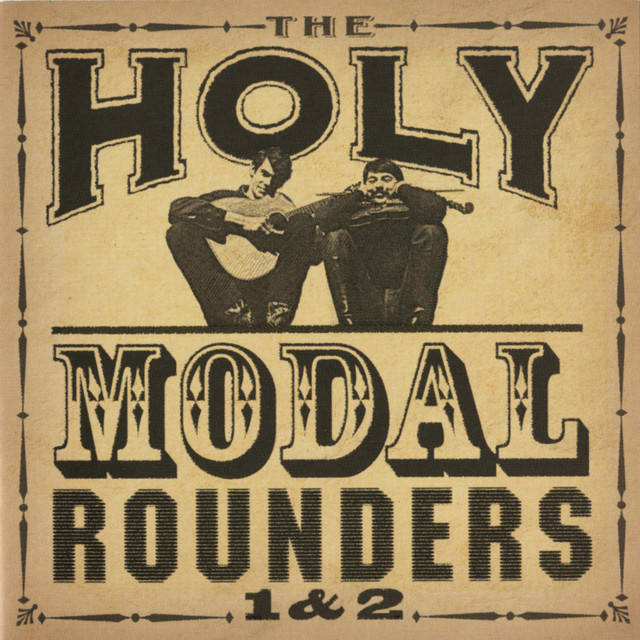
The Holy Modal Rounders
The Holy Modal Rounders
Old-Time
Appalachian Folk
Greenwich Village Scene
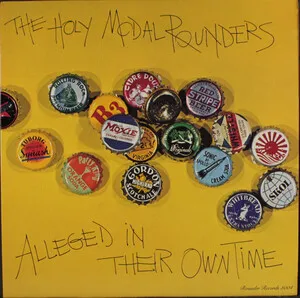
Alleged in Their Own Time
The Holy Modal Rounders
Cajun
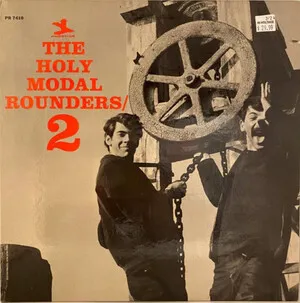
The Holy Modal Rounders 2
The Holy Modal Rounders
Appalachian Folk
The Holy Modal Rounders 2
The Holy Modal Rounders
Old-Time
Alleged in Their Own Time
The Holy Modal Rounders
Cajun Music
Similar artists
1
/5
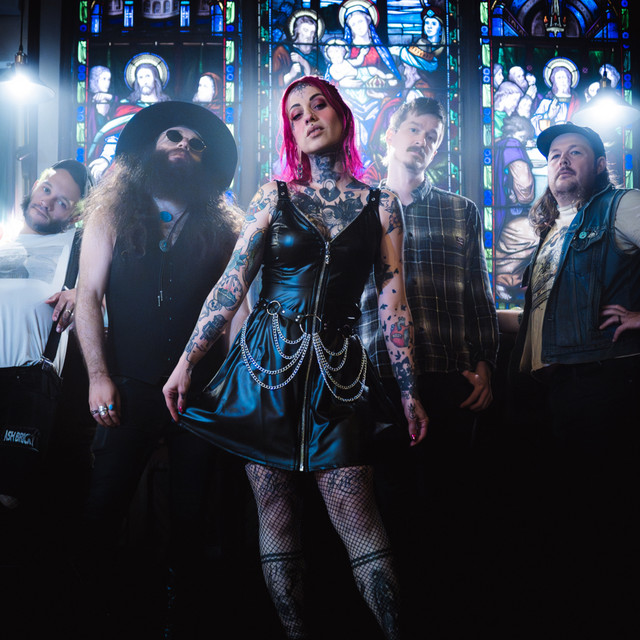
Various Artists
Afro-Funk
Alternative Rock
Ambient
3
/5
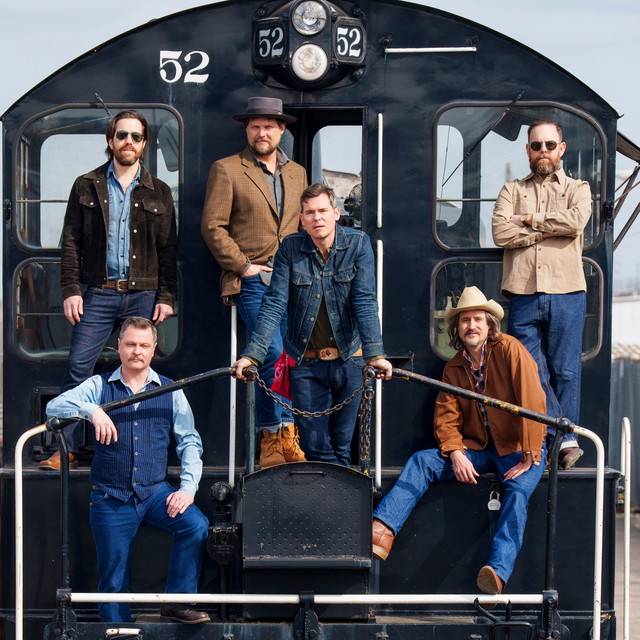
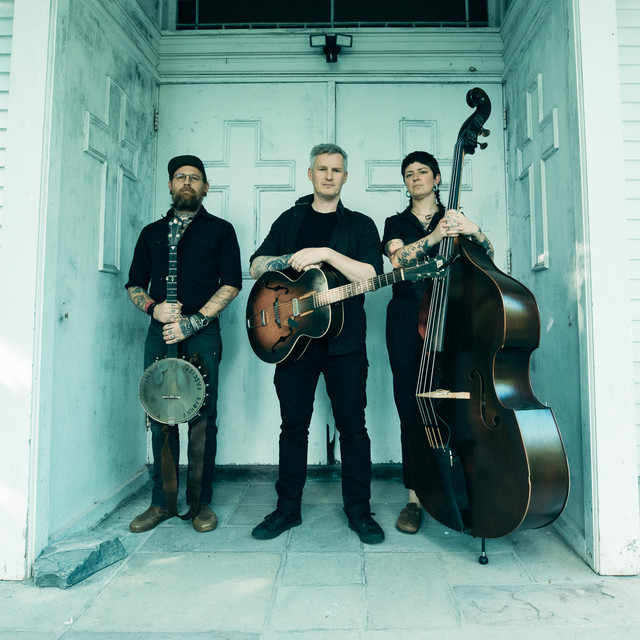
The Bridge City Sinners
Folk Punk
Anti-Folk
Bluegrass
3
/5
Old Crow Medicine Show
Bluegrass
Folk
Old-Time
3
/5
The Devil Makes Three
Bluegrass
Folk
Folk Punk
2
/5
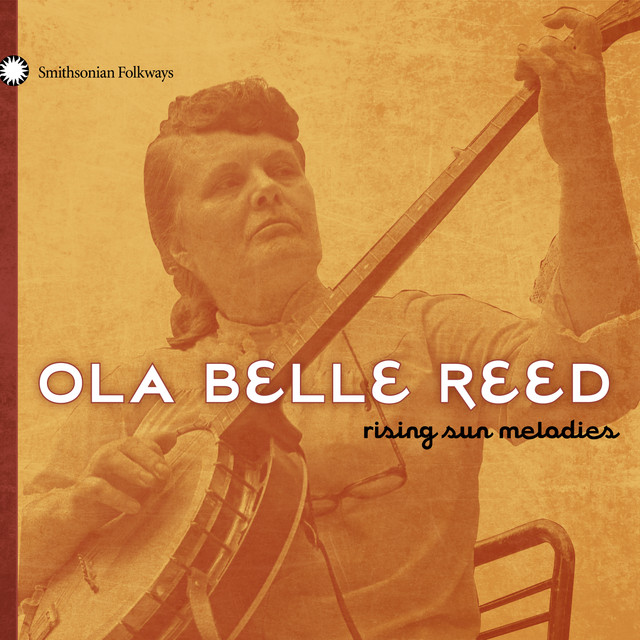
Ola Belle Reed
Appalachian Folk
Bluegrass
Folk
2
/5
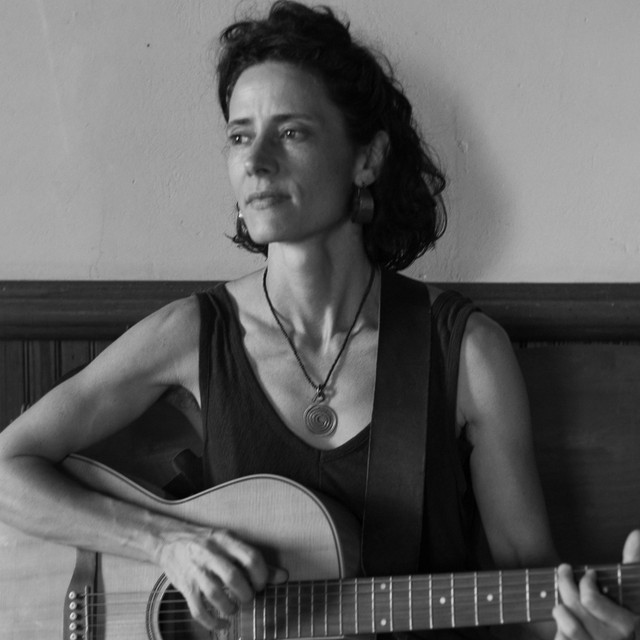
Diane Cluck
Anti-Folk
Freak Folk
New Weird America
2
/5
Dock Boggs
Appalachian Folk
Old-Time
Bluegrass
2
/5
Hazel Dickens
Appalachian Folk
Bluegrass
Old-Time
2
/5
Roscoe Holcomb
Appalachian Folk
Bluegrass
Folk
2
/5
Clarence Ashley
Appalachian Folk
Bluegrass
Country Blues
Download our mobile app
Get the Melodigging app and start digging for new genres on the go
Download on the App Store
Get it on Google Play
© 2026 Melodigging
Give feedback
Legal
Melodding was created as a tribute to
Every Noise at Once
, which inspired us to help curious minds keep digging into music's ever-evolving genres.