Genres
Artists
Albums
Make Music
Sign in
Sign in
Artists
Freakbeat
Artists
Freakbeat
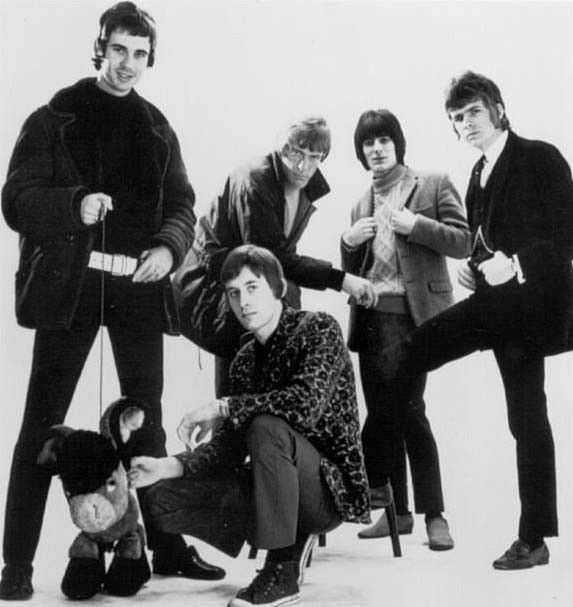
The Easybeats
1966–2009
·
7 albums
Listen
3
/5
Genres
Chill Pop
Chill pop is a contemporary pop micro‑genre that blends radio‑friendly songwriting with the mellow textures of chillout and lo‑fi aesthetics. It favors soft vocals, smooth synths, clean guitar plucks, understated bass, and relaxed, mid‑tempo grooves. Instead of big, bombastic hooks, chill pop tends toward intimate, conversational melodies and minimal, airy arrangements. Production often borrows from bedroom pop and alternative R&B—subtle trap hi‑hats, warm saturation, roomy reverbs, and gentle side‑chain compression—to create a breezy, pastel sound palette well suited to playlists and late‑night listening. Lyrically, chill pop is introspective and relatable: romance, longing, gentle optimism, and coming‑of‑age themes delivered in a plain‑spoken, whisper‑close tone. The result sits between indie pop’s understated cool and mainstream pop’s catchy structures, optimized for the streaming era’s mood‑driven consumption.
Discover
Listen
Freakbeat
Freakbeat is a hard-edged strain of mid-1960s British beat and R&B that pushes toward proto-psychedelia and early hard rock. It is characterized by aggressive, fuzz-drenched guitars, feedback stabs, rapid-fire drum breaks, and punchy, hook-driven choruses. Typically recorded as high-energy singles for the mod scene, freakbeat songs are concise (often two to three minutes), loud, and rhythm-forward, with blues-based riffs, shouted or urgent vocals, and dramatic dynamic stops and starts. The sound bridges early British R&B/beat groups and the heavier, more experimental rock that followed, embodying a raw, kinetic intensity ideal for dancefloors and club stages.
Discover
Listen
Mod
Mod is a British music style rooted in the early-to-mid 1960s modernist youth culture that prized sharp fashion, nightlife, and danceable American R&B and soul. Musically, it blends tight, hook-forward songwriting with brisk tempos, crisp guitar work, prominent backbeats, and frequent use of Hammond organ and occasional horn stabs. Typical mod records are concise and energetic, drawing on blues and R&B progressions but framed with pop sensibility and vocal harmonies. The sound sits between beat music and early rock, with a soulful edge and a strong emphasis on dancing and style. While the original wave crested in the mid-1960s, the approach later reappeared in the late-1970s mod revival and has continued to inform power pop and Britpop aesthetics.
Discover
Listen
Proto-Punk
Proto-punk is a catch-all term for the raw, stripped-down rock that immediately preceded and inspired punk rock. It favors abrasive guitar tones, primitive drumming, short song forms, shouted or deadpan vocals, and lyrics steeped in alienation, anti-establishment anger, and street-level realism. Emerging from 1960s garage rock, avant-leaning art rock, and hard-edged rhythm & blues, proto-punk connected the chaos of early rock and roll with the urgency of the 1970s punk explosion. Its sound ranges from the Detroit ferocity of The Stooges and MC5 to the arty minimalism and noise experiments of The Velvet Underground.
Discover
Listen
Beat Music
Beat music (often called Merseybeat when centered on Liverpool) is a British style of early-to-mid 1960s guitar pop built on a strong, danceable backbeat, close vocal harmonies, and concise, hook-driven songwriting. It blends the rhythmic drive of American rock and roll and rhythm and blues with skiffle’s DIY energy and doo‑wop’s harmonies, typically delivered by two electric guitars, electric bass, and drums, with frequent handclaps and tambourine. Songs are short, catchy, and youthful in theme, favoring major keys, I–IV–V progressions, and memorable choruses that foreground melody over instrumental virtuosity.
Discover
Listen
Swamp Pop
Swamp pop is a romantic, dance‑hall oriented style from south Louisiana and southeast Texas that blends Cajun and Creole sensibilities with New Orleans rhythm & blues, early rock and roll, country balladry, and doo‑wop harmony. Typically built on slow 12/8 or triplet feels, it features plaintive vocals, bittersweet melodies, and lush, echo‑laden production. Saxophone and piano lines intertwine with electric guitar, bass, and drums, while accordions or fiddles sometimes color the texture, reflecting local Cajun/Creole roots. Lyrically it leans toward teenage heartbreak, longing, and late‑night nostalgia. The sound is both tender and danceable: slow‑dance ballads sit alongside shuffles and two‑steps that filled Gulf Coast roadhouses and parish dances.
Discover
Listen
Rock
Rock is a broad family of popular music centered on amplified instruments, a strong backbeat, and song forms that foreground riffs, choruses, and anthemic hooks. Emerging from mid‑20th‑century American styles like rhythm & blues, country, and gospel-inflected rock and roll, rock quickly expanded in scope—absorbing folk, blues, and psychedelic ideas—while shaping global youth culture. Core sonic markers include electric guitar (often overdriven), electric bass, drum kit emphasizing beats 2 and 4, and emotive lead vocals. Rock songs commonly use verse–chorus structures, blues-derived harmony, and memorable melodic motifs, ranging from intimate ballads to high‑energy, stadium‑sized performances.
Discover
Listen
Rock And Roll
Rock and roll is a high-energy, dance-oriented popular music style that emerged in the United States in the early-to-mid 1950s. It fuses the 12‑bar blues and boogie‑woogie with the backbeat and instrumentation of rhythm & blues, the twang and storytelling of country, and the fervor of gospel. Its hallmark sound centers on a strong backbeat (accented on beats 2 and 4), driving rhythm sections, electric guitar riffs, prominent piano or saxophone leads, and catchy, chorus-forward songwriting. Typical harmonies revolve around I–IV–V progressions, often in 12-bar form, with swung or shuffle feels and punchy turnarounds. Culturally, rock and roll catalyzed a youth movement linked to dancing, teen identity, and social change. It bridged racial audiences by popularizing Black American musical traditions for mainstream listeners, and it laid the foundation for subsequent rock styles and much of modern pop.
Discover
Listen
Show all 8 genres
Albums
2009
3
/5
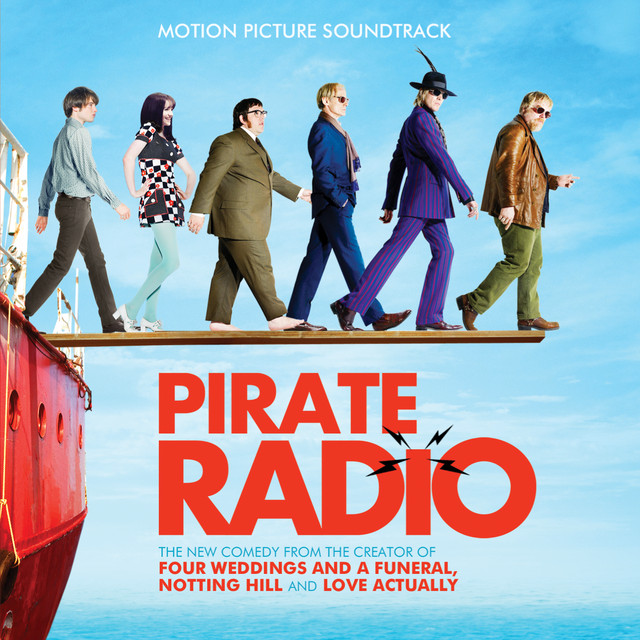
Pirate Radio
The Easybeats
Swamp Pop
Freakbeat
2004
1
/5
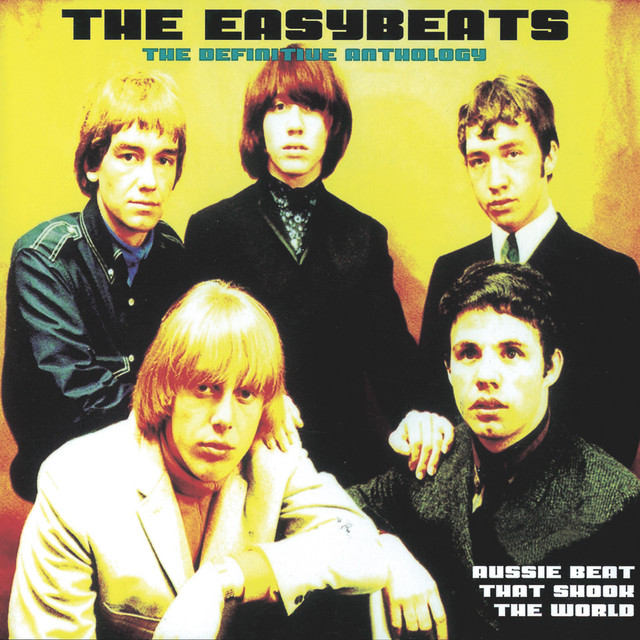
The Definitive Anthology
The Easybeats
Freakbeat
2003
2
/5
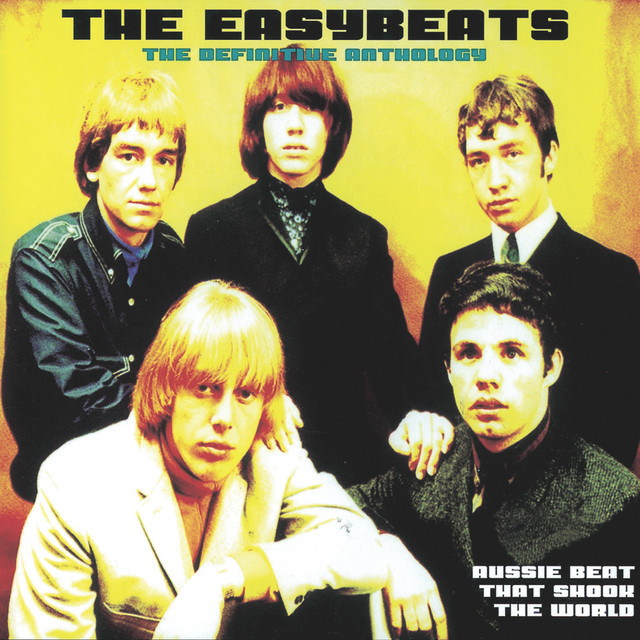
The Definitive Anthology
The Easybeats
Freakbeat
1968
1
/5
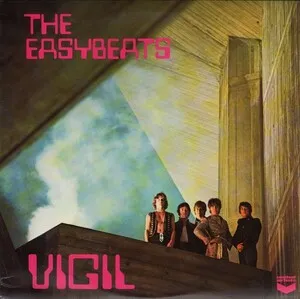
Vigil
The Easybeats
Freakbeat
Mod
1967
1
/5
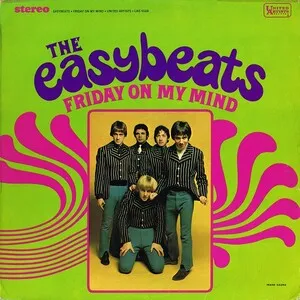
Friday on My Mind
The Easybeats
Freakbeat
1966
1
/5
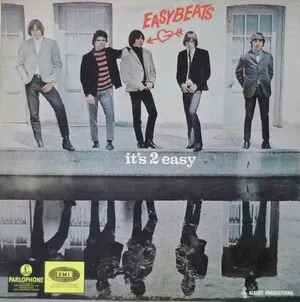
It's 2 Easy
The Easybeats
Freakbeat
Mod
1966
1
/5
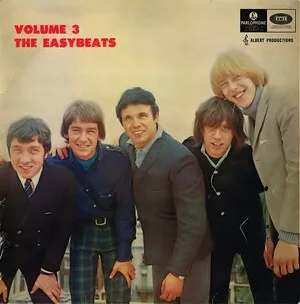
Volume 3
The Easybeats
Freakbeat
Similar artists
2
/5
The Creation
Freakbeat
Garage Rock
Proto-Punk
4
/5
The Who
Hard Rock
Classic Rock
Rock
4
/5
The Kinks
Baroque Pop
Proto-Punk
Pop Rock
3
/5
Small Faces
Proto-Punk
Mod
Acid Rock
3
/5
Them
British Rhythm & Blues
Chill Pop
Proto-Punk
2
/5
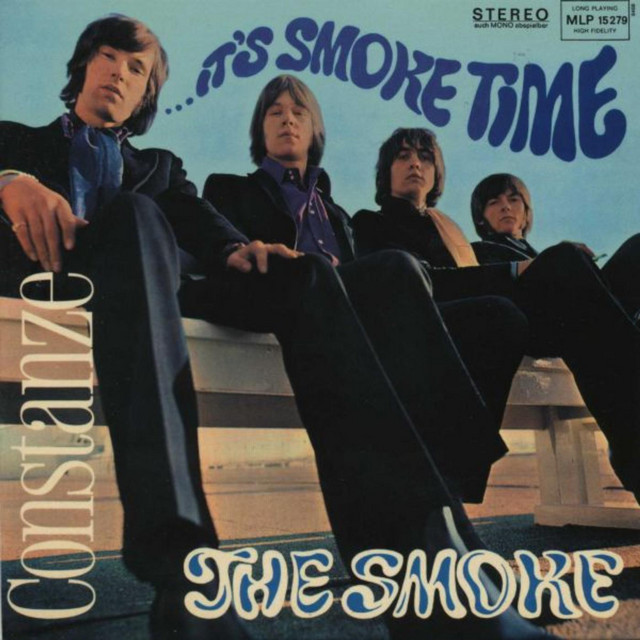
The Smoke
Acid Rock
Baroque Pop
Garage Rock
2
/5
The Move
Freakbeat
Baroque Pop
Glam Rock
2
/5
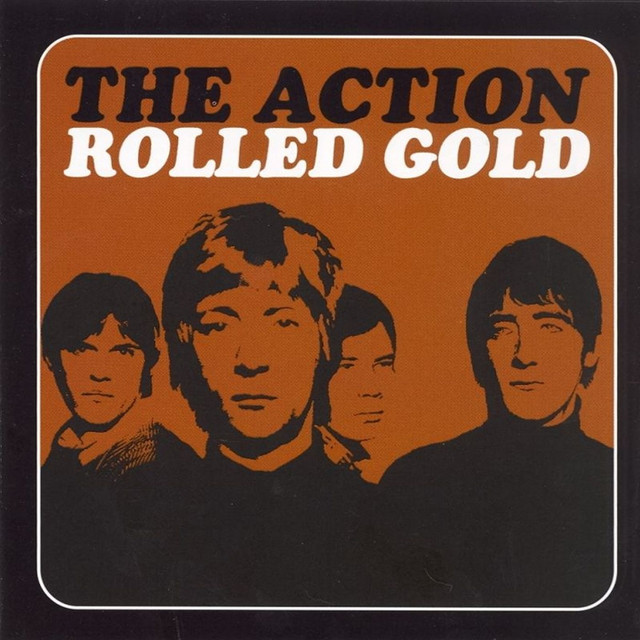
The Action
Freakbeat
Mod Revival
Acid Rock
1
/5
The Birds
Freakbeat
Garage Rock
Northern Soul
3
/5
The Jam
Mod Revival
Mod
New Wave
Download our mobile app
Get the Melodigging app and start digging for new genres on the go
Download on the App Store
Get it on Google Play
© 2026 Melodigging
Give feedback
Legal
Melodding was created as a tribute to
Every Noise at Once
, which inspired us to help curious minds keep digging into music's ever-evolving genres.