Genres
Artists
Albums
Make Music
Sign in
Sign in
Artists
British Rhythm & Blues
Artists
British Rhythm & Blues
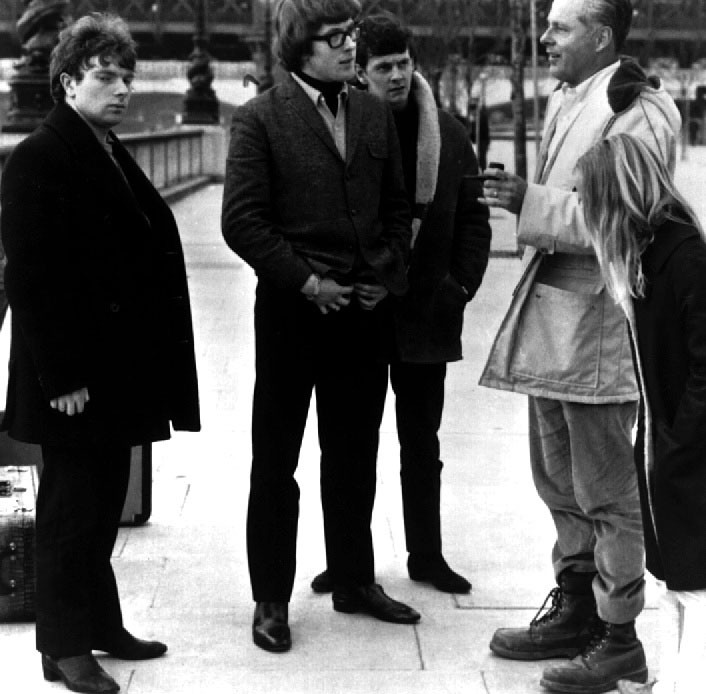
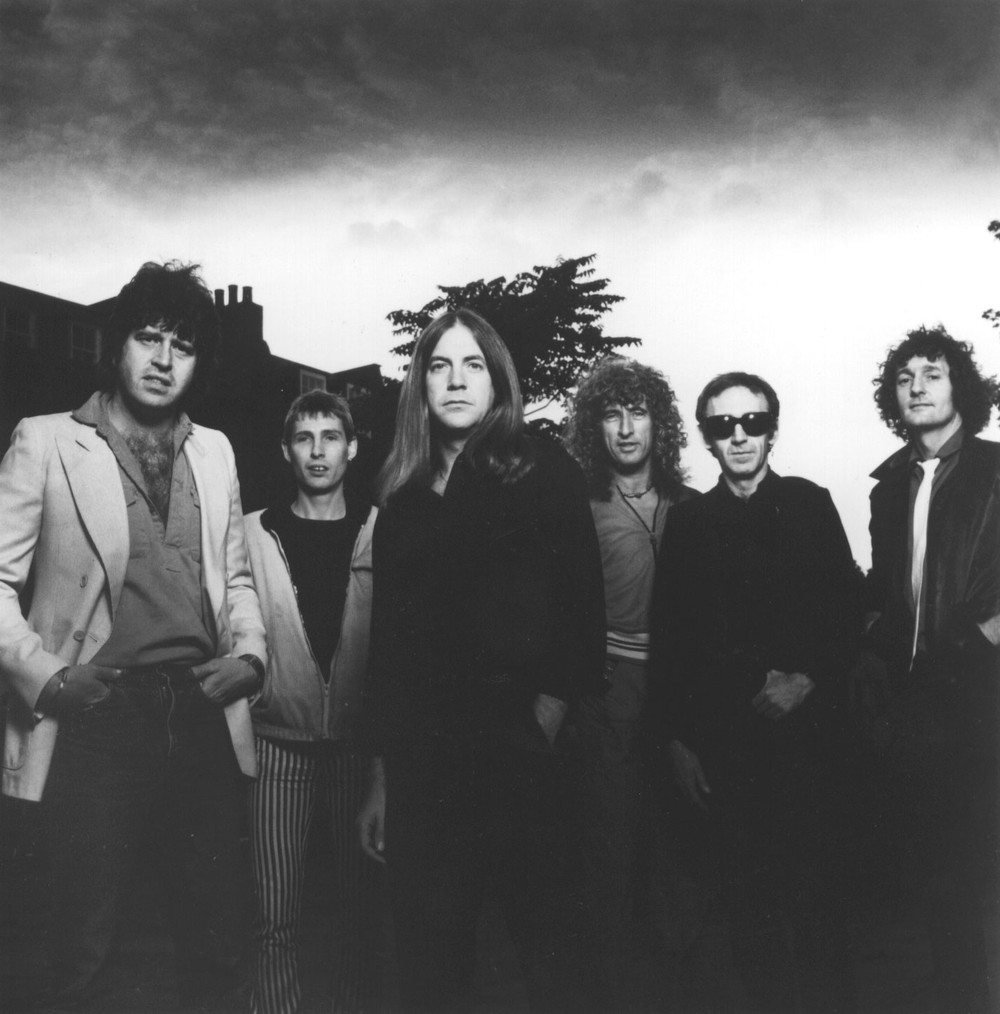
Them
1965–1967
·
3 albums
Listen
3
/5
Genres
Chill Pop
Chill pop is a contemporary pop micro‑genre that blends radio‑friendly songwriting with the mellow textures of chillout and lo‑fi aesthetics. It favors soft vocals, smooth synths, clean guitar plucks, understated bass, and relaxed, mid‑tempo grooves. Instead of big, bombastic hooks, chill pop tends toward intimate, conversational melodies and minimal, airy arrangements. Production often borrows from bedroom pop and alternative R&B—subtle trap hi‑hats, warm saturation, roomy reverbs, and gentle side‑chain compression—to create a breezy, pastel sound palette well suited to playlists and late‑night listening. Lyrically, chill pop is introspective and relatable: romance, longing, gentle optimism, and coming‑of‑age themes delivered in a plain‑spoken, whisper‑close tone. The result sits between indie pop’s understated cool and mainstream pop’s catchy structures, optimized for the streaming era’s mood‑driven consumption.
Discover
Listen
Pov: Indie
"pov: indie" is a social-media-native microstyle built around short, cinematic indie-pop/indie-rock snippets designed to accompany a first-person (POV) narrative. Instead of being defined by a single new musical technique, it is defined by context: the music is chosen or written to feel like the soundtrack to a specific moment (a crush, a late-night walk, moving to a new city, seasonal nostalgia). Sonically it typically uses bright but soft guitars or synths, intimate vocals, simple memorable hooks, and production that reads clearly on phone speakers. The emotional tone is often wistful, tender, and “coming-of-age,” with lyrics that can be understood quickly in a 10–30 second clip.
Discover
Listen
British Rhythm & Blues
British rhythm & blues is the United Kingdom’s early-1960s reinterpretation of American rhythm and blues and electric Chicago blues, performed by beat-era groups with louder amplification, a tougher backbeat, and club-ready energy. The style centers on electric guitar riffs, harmonica leads, driving bass-and-drum grooves, and raw, sometimes shouted vocals. Repertoires leaned heavily on covers of Chess and Vee-Jay artists (Muddy Waters, Howlin’ Wolf, Bo Diddley, Chuck Berry) alongside original songs built from I–IV–V blues frameworks. It is tightly linked to London’s club circuit and the mod scene, where fast tempos, stomping shuffles, and an emphasis on danceable grooves defined the sound. Compared to American R&B and blues, British R&B is generally more aggressive and amplified, foregrounding attack, repetition, and live immediacy. It became a springboard for blues rock, psychedelic rock, hard rock, and eventually the UK pub-rock to punk lineage.
Discover
Listen
Garage Rock
Garage rock is a raw, energetic style of rock music that emerged in the mid-1960s from local scenes across North America. Typically performed by amateur or semi-professional teenage bands in basements and suburban garages, the sound is unpolished and immediate, favoring feel over finesse. Its hallmarks include distorted guitars, pounding drums, simple chord progressions (often I–IV–V), prominent Farfisa/Vox organ riffs, and shouted, attitude-heavy vocals. Songs are short, hooky, and driven by rhythmic urgency, with lyrics about teenage love, boredom, rebellion, and swagger. The style became a direct ancestor of proto-punk and punk rock, prized for its do-it-yourself spirit and visceral impact.
Discover
Listen
Proto-Punk
Proto-punk is a catch-all term for the raw, stripped-down rock that immediately preceded and inspired punk rock. It favors abrasive guitar tones, primitive drumming, short song forms, shouted or deadpan vocals, and lyrics steeped in alienation, anti-establishment anger, and street-level realism. Emerging from 1960s garage rock, avant-leaning art rock, and hard-edged rhythm & blues, proto-punk connected the chaos of early rock and roll with the urgency of the 1970s punk explosion. Its sound ranges from the Detroit ferocity of The Stooges and MC5 to the arty minimalism and noise experiments of The Velvet Underground.
Discover
Listen
Blues Rock
Blues rock is a guitar-driven style that fuses the raw feeling and 12‑bar structures of the blues with the power, volume, and rhythmic punch of rock. It emphasizes riff-based songs, pentatonic and blues-scale soloing, call‑and‑response between voice and guitar, and an expressive, often gritty vocal delivery. Typical ensembles are power trios (guitar, bass, drums) or quartet formats adding second guitar, keyboards, or harmonica, and performances commonly feature extended improvisation. Sonically, it favors overdriven tube-amp tones, sustained bends, vibrato, and dynamic contrasts, moving from shuffles and boogies to straight‑eighth rock grooves.
Discover
Listen
Freakbeat
Freakbeat is a hard-edged strain of mid-1960s British beat and R&B that pushes toward proto-psychedelia and early hard rock. It is characterized by aggressive, fuzz-drenched guitars, feedback stabs, rapid-fire drum breaks, and punchy, hook-driven choruses. Typically recorded as high-energy singles for the mod scene, freakbeat songs are concise (often two to three minutes), loud, and rhythm-forward, with blues-based riffs, shouted or urgent vocals, and dramatic dynamic stops and starts. The sound bridges early British R&B/beat groups and the heavier, more experimental rock that followed, embodying a raw, kinetic intensity ideal for dancefloors and club stages.
Discover
Listen
Psychedelic Rock
Psychedelic rock is a style of rock music that seeks to evoke, simulate, and expand altered states of consciousness through sound. It typically features timbral experimentation (fuzz, wah, tape delay, phasing), drones, modal or raga-influenced harmony, extended improvisation, studio-as-instrument production, and surreal, mystical, or mind-expanding lyrics. Emerging from mid-1960s counterculture, it fused garage-band energy with folk, blues, and non-Western musical ideas—especially Indian classical ragas—while embracing new studio technologies and concert light shows. Both a live and a studio art, psychedelic rock ranges from jangly, kaleidoscopic pop to heavy, hypnotic jams and cosmic soundscapes.
Discover
Listen
Rock
Rock is a broad family of popular music centered on amplified instruments, a strong backbeat, and song forms that foreground riffs, choruses, and anthemic hooks. Emerging from mid‑20th‑century American styles like rhythm & blues, country, and gospel-inflected rock and roll, rock quickly expanded in scope—absorbing folk, blues, and psychedelic ideas—while shaping global youth culture. Core sonic markers include electric guitar (often overdriven), electric bass, drum kit emphasizing beats 2 and 4, and emotive lead vocals. Rock songs commonly use verse–chorus structures, blues-derived harmony, and memorable melodic motifs, ranging from intimate ballads to high‑energy, stadium‑sized performances.
Discover
Listen
R&b
R&B (Rhythm and Blues) is a vocal- and groove-centered popular music tradition that blends blues tonality, jazz harmony, and gospel-inflected singing with a steady backbeat. It emphasizes expressive lead vocals, call-and-response, lush harmonies, and danceable rhythms. From its 1940s roots in African American communities to its later evolutions, R&B has continually absorbed and reshaped surrounding sounds—from jump blues and swing in the early days to soul, funk, hip hop, and electronic production in the contemporary era. Today, R&B ranges from intimate, slow-burning ballads to club-ready tracks, all tied together by a focus on feel, melody, and vocal performance.
Discover
Listen
Show all 10 genres
Albums
1967
1
/5
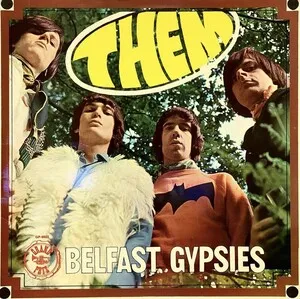
Belfast Gypsies
Them
Freakbeat
1966
1
/5
Them Again
Them
British Rhythm & Blues
1965
1
/5
The "Angry" Young Them!
Them
British Rhythm & Blues
Blues Rock
Garage Rock
Similar artists
2
/5
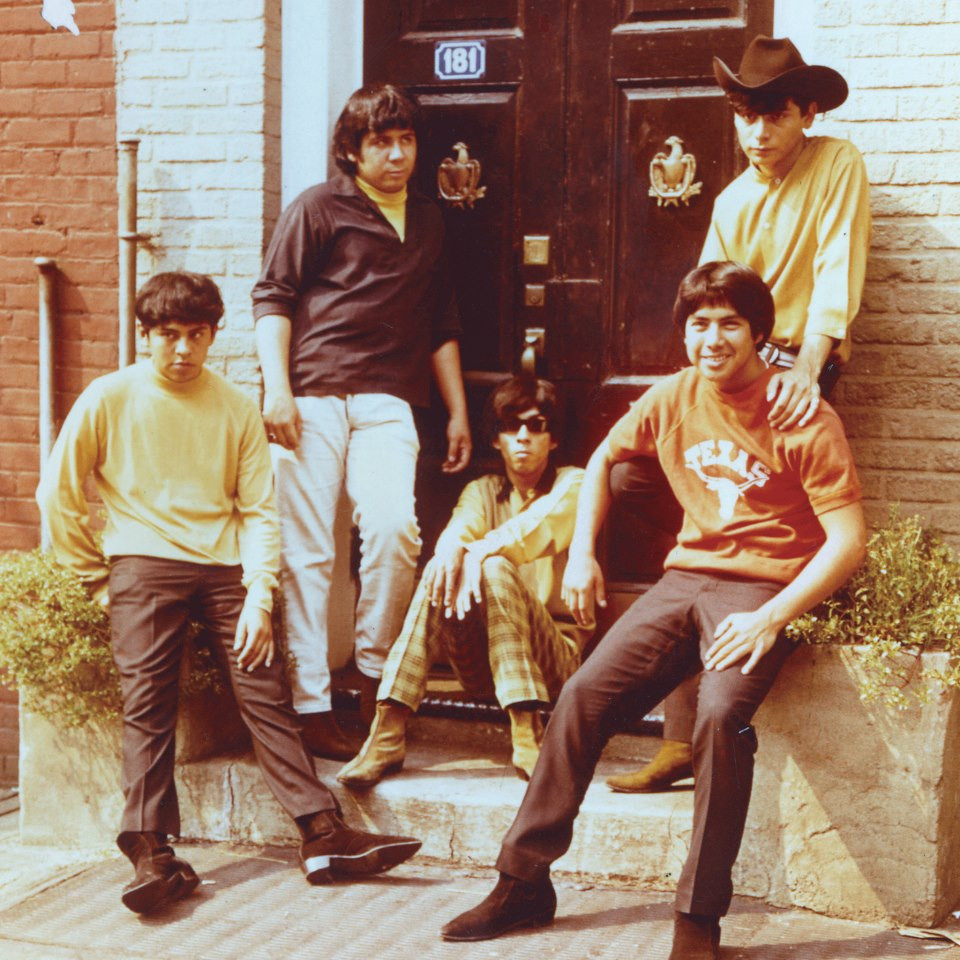
? & The Mysterians
Garage Rock
Proto-Punk
Acid Rock
3
/5
Love
Baroque Pop
Psychedelic Pop
Psychedelic Rock
2
/5
The Pretty Things
Garage Rock
Acid Rock
British Rhythm & Blues
4
/5
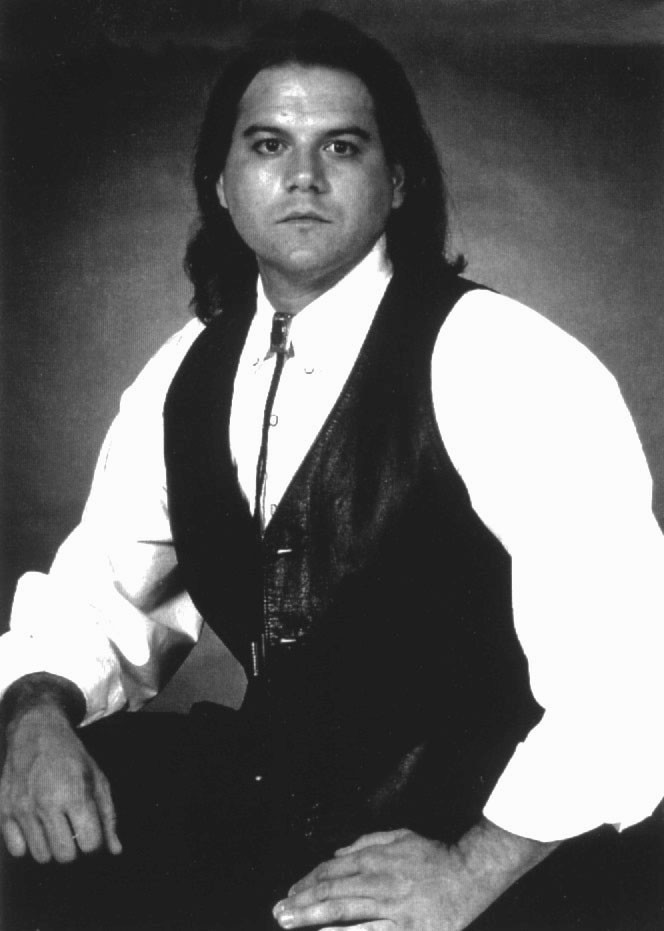
Iggy Pop
Proto-Punk
Glam Rock
Chill Pop
1
/5
The Sorrows
Garage Rock
Freakbeat
Proto-Punk
5
/5
The Rolling Stones
Rock
Blues Rock
Hard Rock
5
/5
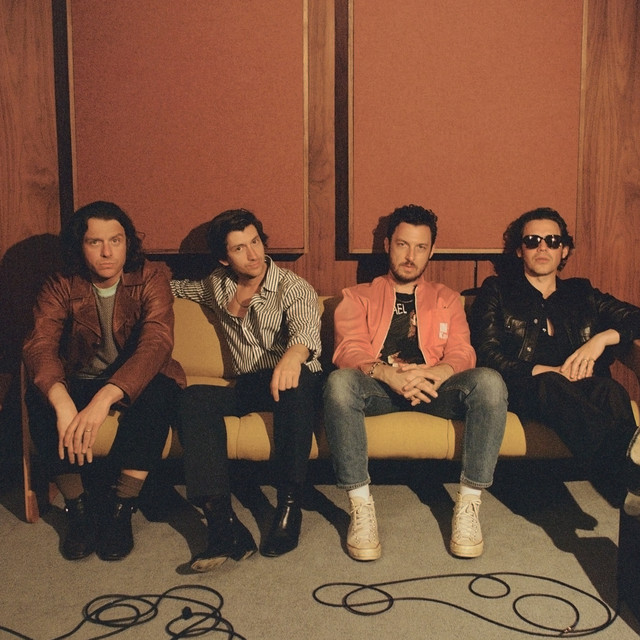
Arctic Monkeys
Garage Rock
Indie
Indie Rock
5
/5
The Strokes
Alternative Rock
Garage Rock
Indie Rock
4
/5
The White Stripes
Rock
Alternative Rock
Blues Rock
4
/5
The Black Keys
Blues Rock
Modern Blues
Punk Blues
Download our mobile app
Get the Melodigging app and start digging for new genres on the go
Download on the App Store
Get it on Google Play
© 2026 Melodigging
Give feedback
Legal
Melodding was created as a tribute to
Every Noise at Once
, which inspired us to help curious minds keep digging into music's ever-evolving genres.