Genres
Artists
Albums
Make Music
Sign in
Sign in
Artists
Baroque Pop
Artists
Baroque Pop
The Divine Comedy
1998–2025
·
5 albums
Listen
3
/5
Genres
Melancholia
Melancholia is an internet-era microgenre centered on soft-focus, sorrow-tinged pop and indie songs that foreground intimacy, space, and emotional candor. Tracks are typically slow to mid‑tempo, sung in a close, almost confessional register, and framed by sparse, reverb‑soaked textures. Sonically it lives between dream pop, bedroom pop, and slowcore: shimmering guitars or wistful synth pads drift over understated beats; piano, acoustic guitar, and low‑key electronic drums carry muted, pulsing grooves. Harmonies often favor minor keys, suspended chords, and gentle extensions (7ths/9ths) that heighten a bittersweet glow. Lyrically, melancholia lingers on solitude, late‑night self‑reflection, breakups, and fragile hope. The genre coalesced through streaming playlists and social media, where its hush, negative space, and diaristic tone translate into a cohesive, instantly recognizable mood.
Discover
Listen
Chamber Folk
Chamber folk blends singer‑songwriter and traditional folk songwriting with the textures and arranging techniques of chamber music. Acoustic guitar, harp, or piano typically carry the song, while small ensembles of strings and woodwinds provide counter‑melodies, pedal drones, and delicate harmonic color. The style favors intimate vocals, close‑miked acoustic timbres, and nuanced dynamics over percussive drive. Arrangements often develop patiently, using techniques like pizzicato, harmonics, and gentle swells to underline narrative, pastoral, or reflective lyrics. The overall mood is warm, detailed, and quietly expansive.
Discover
Listen
Chamber Pop
Chamber pop is a style of pop that integrates small-ensemble, orchestral colors—strings, woodwinds, brass, harp, and occasionally harpsichord—into intimate, melodically driven songwriting. It favors sophisticated harmony, counterpoint, and meticulous arrangements over rock bombast, drawing on the poise of classical chamber music and the tunefulness of classic pop. The result is lush yet restrained: gentle dynamics, carefully layered timbres, and literate, often reflective lyrics that foreground storytelling and mood.
Discover
Listen
Britpop
Britpop is a UK-centered movement of the early-to-mid 1990s that revived classic British guitar-pop values—memorable hooks, concise songcraft, and everyday storytelling—while positioning itself as a confident alternative to American grunge. It celebrated Britishness in sound and subject matter, drawing heavily on 1960s and 1970s British pop and rock traditions. Stylistically, britpop tends to feature jangly or crunchy electric guitars, sing-along choruses, and tuneful melodies over straightforward rhythms. Lyrics often focus on ordinary life, class, romance, and wry social observation, typically delivered in unvarnished British accents. The production is generally clean and punchy, favoring clarity over heavy effects and emphasizing immediacy and radio-friendliness.
Discover
Listen
Post-Britpop
Post-Britpop is a UK guitar-pop and alternative rock movement that emerged in the late 1990s after the decline of Britpop. It retained Britpop’s melodic immediacy and sing‑along choruses but shed the laddish swagger and retro mod affectations in favor of introspective lyrics, polished production, and broader emotional palettes. Stylistically, it blends clean, chiming guitars, lush piano or string textures, mid‑tempo rhythms, and stadium‑ready hooks. Songs often center on yearning, hope, and everyday relationships, aiming for anthemic uplift without the brashness of earlier Britpop. The sound proved highly exportable, shaping mainstream rock and pop-leaning indie across the 2000s.
Discover
Listen
Indie Rock
Indie rock is a subgenre of rock and a branch of alternative rock that coalesced in the early–mid 1980s around independent labels and DIY practices in the United Kingdom, the United States, and New Zealand. Defined less by a single sound than by an ethos, indie rock favors non‑mainstream approaches, self‑recording and small‑label distribution, and an interest in pop‑informed melody and eclectic experimentation. Hallmarks include jangly or fuzzed guitars, intimate or deadpan vocals, off‑kilter song structures, and production that often preserves a raw, “authentic” feel rather than glossy studio polish.
Discover
Listen
Indie Pop
Indie pop is a melodic, DIY-rooted branch of alternative music that blends the immediacy of pop songwriting with the independence and aesthetics of underground scenes. It typically features jangly, clean-toned guitars, tuneful bass lines, compact song structures, and intimate, literate lyrics that balance sweetness with subtle melancholy. The sound often leans toward bright chord progressions, earworm choruses, and understated production, favoring charm and personality over gloss. Culturally, indie pop is tied to small labels, fanzines, and community radio, with influential scenes and imprints such as Postcard, Sarah, and Creation laying the groundwork for its global diffusion.
Discover
Listen
Baroque Pop
Baroque pop is a mid‑1960s fusion of contemporary pop/rock songwriting with the timbres, textures, and contrapuntal techniques of Baroque and broader European classical music. It is marked by harpsichord and piano doubling, string quartets or small orchestras, woodwinds (oboe, recorder, bassoon), French horn and piccolo trumpet colors, and melody‑forward arrangements that favor counter‑melodies and suspensions over riff‑based accompaniment. Harmonies tend to be richer than standard rock, with chromatic voice‑leading, circle‑of‑fifths motion, deceptive cadences, and occasional modulations. Production is usually lush and reverberant, supporting reflective, often nostalgic or romantic lyrics. Although it overlaps with orchestral pop and psychedelic pop, baroque pop is distinguished by its chamber‑scale instrumentation, Baroque idioms (basso continuo feel, ornamented lines), and the way classical elements are woven into compact pop song forms.
Discover
Listen
Art Pop
Art pop is a strand of pop music that treats the pop song as a canvas for high-concept ideas, experimental techniques, and cross-media aesthetics. It marries accessible melodies and hooks with the visual culture of art schools, the conceptual rigor of the avant-garde, and the studio-as-instrument ethos. Sonically, art pop favors eclectic instrumentation (synths, orchestral timbres, guitars, found sounds), unusual song forms, and sophisticated harmony. It often employs collage, musique concrète–like textures, and theatrical vocal delivery while still keeping a pop-facing surface. Beyond sound, art pop is deeply visual and conceptual: albums are framed as coherent artworks, stagecraft and video are integral, and lyrics tend toward intertextuality, character work, irony, and social commentary. The result is pop that is both immediate and idea-driven.
Discover
Listen
Pop
Pop is a broad, hook-driven style of popular music designed for wide appeal. It emphasizes memorable melodies, concise song structures, polished vocals, and production intended for radio, charts, and mass media. While pop continually absorbs elements from other styles, its core remains singable choruses, accessible harmonies, and rhythmic clarity. Typical forms include verse–pre-chorus–chorus, frequent use of bridges and middle-eights, and ear-catching intros and outros. Pop is not defined by a single instrumentation. It flexibly incorporates acoustic and electric instruments, drum machines, synthesizers, and increasingly digital production techniques, always in service of the song and the hook.
Discover
Listen
Rock
Rock is a broad family of popular music centered on amplified instruments, a strong backbeat, and song forms that foreground riffs, choruses, and anthemic hooks. Emerging from mid‑20th‑century American styles like rhythm & blues, country, and gospel-inflected rock and roll, rock quickly expanded in scope—absorbing folk, blues, and psychedelic ideas—while shaping global youth culture. Core sonic markers include electric guitar (often overdriven), electric bass, drum kit emphasizing beats 2 and 4, and emotive lead vocals. Rock songs commonly use verse–chorus structures, blues-derived harmony, and memorable melodic motifs, ranging from intimate ballads to high‑energy, stadium‑sized performances.
Discover
Listen
Comedy
Comedy (as a music genre) comprises songs and recorded pieces designed primarily to make listeners laugh through parody, satire, wordplay, character voices, and situational humor. It often borrows the musical language of whatever is popular at the time—pop, rock, hip hop, folk, musical theatre—then subverts expectations with humorous lyrics, exaggerated performance, and sonic gags. Rooted in vaudeville and music hall traditions, comedy music ranges from novelty songs and topical ditties to elaborate pastiches and narrative sketches. It values comedic timing as much as musical craft, using hooks, rhyme, and arrangement to set up and deliver punchlines while remaining musically engaging.
Discover
Listen
Show all 12 genres
Albums
2025
2
/5
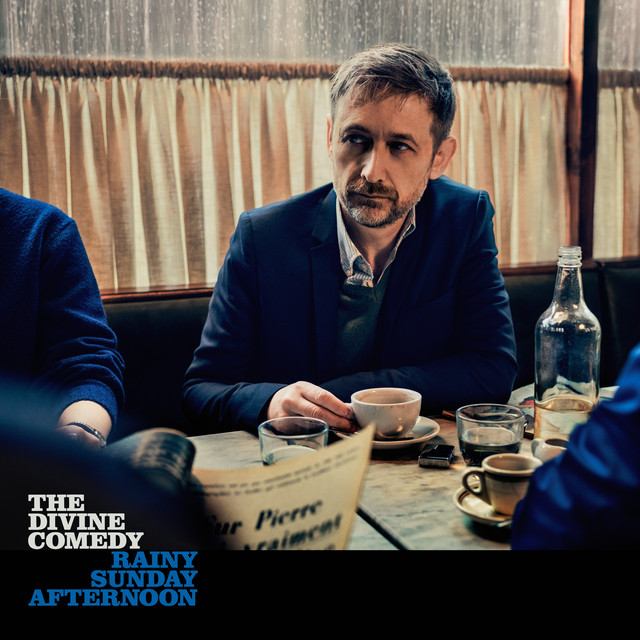
Rainy Sunday Afternoon
The Divine Comedy
Comedy
Baroque Pop
Chamber Folk
2025
1
/5
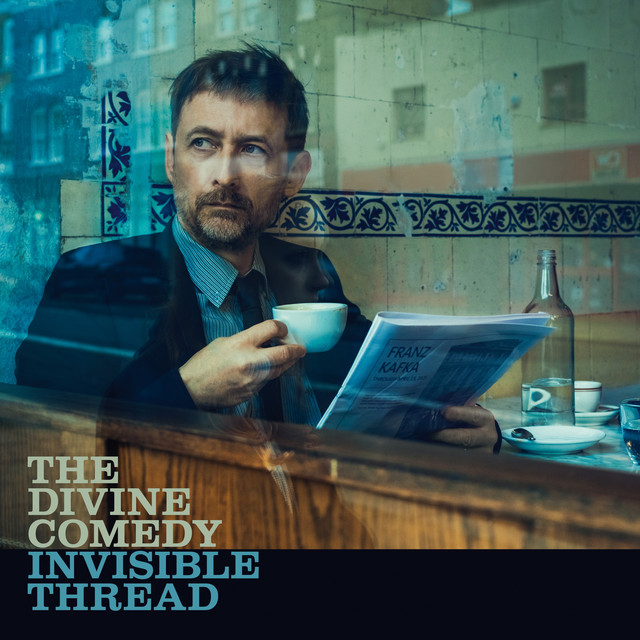
Invisible Thread
The Divine Comedy
Comedy
2004
3
/5
Absent Friends
The Divine Comedy
Baroque Pop
Chamber Pop
Pop
2001
2
/5
Regeneration
The Divine Comedy
Post-Britpop
Chamber Pop
Indie Rock
1998
1
/5
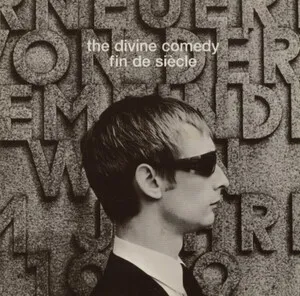
Fin de siècle
The Divine Comedy
Baroque Pop
Similar artists
1
/5
Various Artists
Afro-Funk
Alternative Rock
Ambient
4
/5
Sufjan Stevens
Singer-Songwriter
Chamber Pop
Indie Rock
4
/5
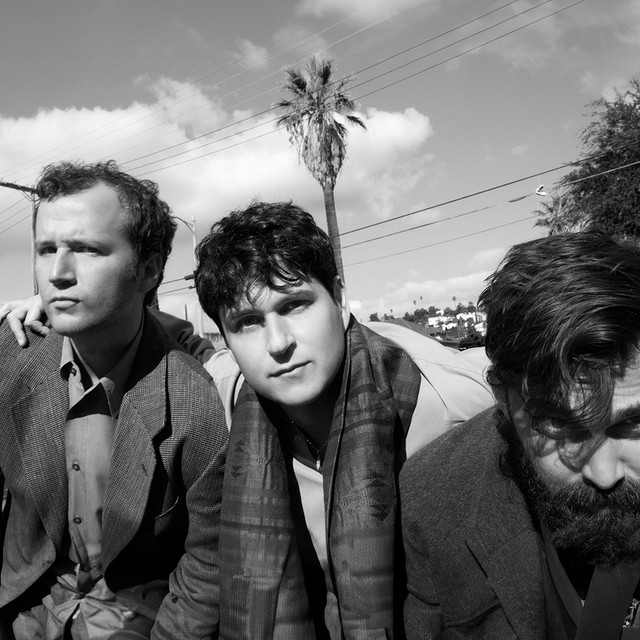
Vampire Weekend
Baroque Pop
Chamber Pop
Indie
4
/5
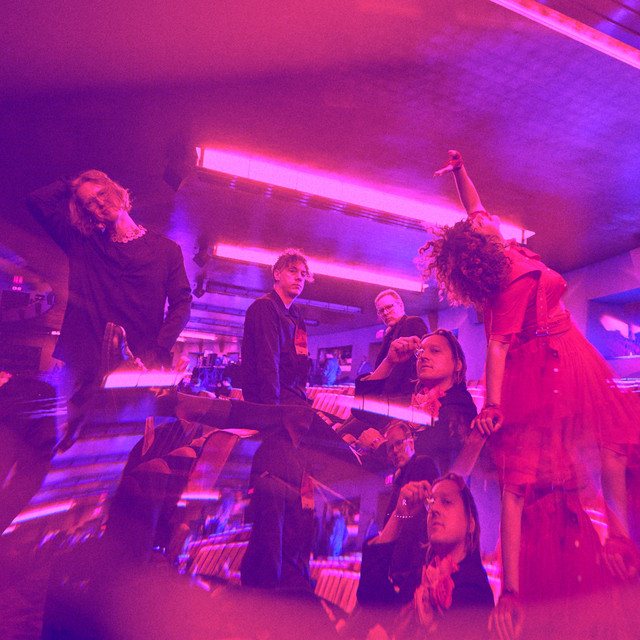
Arcade Fire
Baroque Pop
Chamber Pop
Indie Rock
3
/5
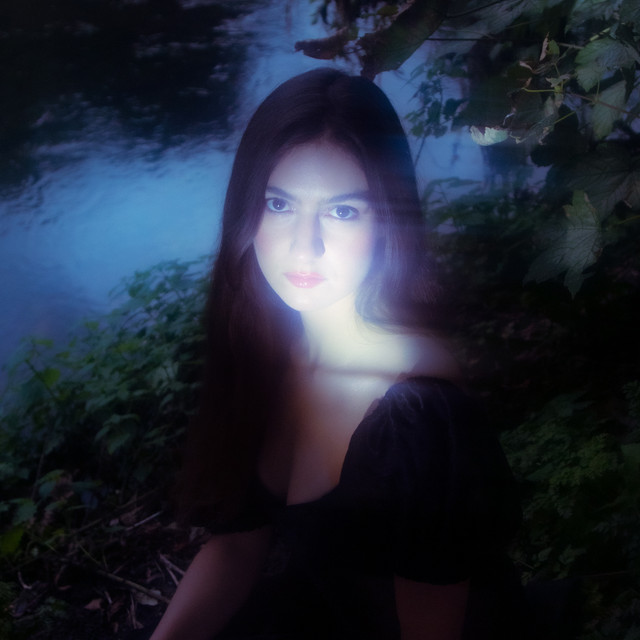
Weyes Blood
Baroque Pop
Art Pop
Chill Pop
4
/5
Florence + The Machine
Baroque Pop
Uk Alternative Pop
Neo Mellow
3
/5
Belle and Sebastian
Twee Pop
Indie Pop
Chamber Pop
4
/5
Father John Misty
Chamber Pop
Stomp And Holler
Folk Rock
5
/5
Radiohead
Alternative Rock
Art Rock
Melancholia
3
/5
The Decemberists
Indie Folk
Baroque Pop
Modern Indie Folk
Download our mobile app
Get the Melodigging app and start digging for new genres on the go
Download on the App Store
Get it on Google Play
© 2026 Melodigging
Give feedback
Legal
Melodding was created as a tribute to
Every Noise at Once
, which inspired us to help curious minds keep digging into music's ever-evolving genres.