Genres
Artists
Albums
Make Music
Sign in
Sign in
Artists
Baroque Pop
Artists
Baroque Pop
The Cyrkle
Listen
3
/5
Genres
Candy Pop
Candy pop is a super-bright, hook-forward branch of contemporary pop that emphasizes sweetness in both sound and theme. It blends bubblegum-style melodies with modern, glossy production, favoring catchy toplines, clean harmonies, and playful textures. Arrangements lean on glittery synths, claps, hand-percussion, and buoyant four-on-the-floor or bouncy half-time beats. Lyrics typically revolve around crushes, friendship, first love, and carefree fun, delivered with enthusiastic, youthful vocals. Compared with classic bubblegum pop, candy pop adopts current pop techniques (EDM builds, post-chorus hooks, subtle trap-lite percussion) and borrows visual and melodic cues from J-pop and K-pop’s “kawaii” aesthetics.
Discover
Listen
Baroque Pop
Baroque pop is a mid‑1960s fusion of contemporary pop/rock songwriting with the timbres, textures, and contrapuntal techniques of Baroque and broader European classical music. It is marked by harpsichord and piano doubling, string quartets or small orchestras, woodwinds (oboe, recorder, bassoon), French horn and piccolo trumpet colors, and melody‑forward arrangements that favor counter‑melodies and suspensions over riff‑based accompaniment. Harmonies tend to be richer than standard rock, with chromatic voice‑leading, circle‑of‑fifths motion, deceptive cadences, and occasional modulations. Production is usually lush and reverberant, supporting reflective, often nostalgic or romantic lyrics. Although it overlaps with orchestral pop and psychedelic pop, baroque pop is distinguished by its chamber‑scale instrumentation, Baroque idioms (basso continuo feel, ornamented lines), and the way classical elements are woven into compact pop song forms.
Discover
Listen
Bubblegum Pop
Bubblegum pop is an upbeat, hook-saturated strain of pop music engineered for immediate catchiness and mass youth appeal. It favors short songs, simple melodies, bright major-key harmonies, handclaps, sing-along choruses, and playful onomatopoeia or nonsense syllables (la-la, na-na, sha-la-la). Typical productions use clean, jangly guitars, tambourines, tambourine-like percussion, and sweet backing vocals, often performed by session musicians working under producer-driven studio projects. Lyrically it is lighthearted and G-rated, centering on teen romance, dancing, and fun; musically it sits between early rock and roll, Brill Building pop, girl-group stylings, and a sprinkle of psychedelic color. The sound was designed for radio singles, TV tie-ins, and merchandising, making it one of the earliest consciously “manufactured” pop subgenres.
Discover
Listen
Pop Rock
Pop rock blends the hook-focused immediacy of pop with the instrumentation and drive of rock. It prioritizes catchy melodies, concise song structures, and polished production while retaining guitars, bass, and drums as core elements. Typical pop rock tracks use verse–pre-chorus–chorus forms, strong vocal harmonies, and memorable riffs. The sound ranges from jangly and bright to mildly overdriven and arena-ready, aiming for radio-friendly appeal without abandoning rock’s rhythmic punch.
Discover
Listen
Psychedelic Pop
Psychedelic pop is a 1960s-born fusion that marries the hook-driven immediacy of pop with the timbral color, studio experimentation, and altered-perception aesthetics of psychedelic music. It favors concise song forms and memorable melodies while introducing unusual sounds (sitar, Mellotron, harpsichord), tape effects (backmasking, varispeed, flanging), and surreal or whimsical imagery. Compared to psychedelic rock, it is brighter, more tuneful, and radio-friendly, often wrapping adventurous production techniques in singable choruses and lush vocal harmonies.
Discover
Listen
Psychedelic Rock
Psychedelic rock is a style of rock music that seeks to evoke, simulate, and expand altered states of consciousness through sound. It typically features timbral experimentation (fuzz, wah, tape delay, phasing), drones, modal or raga-influenced harmony, extended improvisation, studio-as-instrument production, and surreal, mystical, or mind-expanding lyrics. Emerging from mid-1960s counterculture, it fused garage-band energy with folk, blues, and non-Western musical ideas—especially Indian classical ragas—while embracing new studio technologies and concert light shows. Both a live and a studio art, psychedelic rock ranges from jangly, kaleidoscopic pop to heavy, hypnotic jams and cosmic soundscapes.
Discover
Listen
Sunshine Pop
Sunshine pop is a lush, harmony-rich strain of 1960s pop that foregrounds radiant melodies, stacked vocals, and orchestral color. It embraces optimism and breezy sophistication, often pairing bright major-key hooks with refined arrangements featuring strings, woodwinds, brass, and shimmering percussion. Stylistically it sits between baroque pop and the lighter side of psychedelic pop: less about mind-expanding experimentation and more about feel-good euphoria, California imagery, and immaculate studio craft. Clean guitars, harpsichord, vibraphone, and glockenspiel are common, as are upward key changes, major-seventh chords, and close-voiced harmonies. Beneath the sunniness, many recordings carry a tender, wistful undercurrent that gives the music depth.
Discover
Listen
Show all 7 genres
Similar artists
1
/5
Various Artists
Soundtrack
Afro-Funk
Alternative Rock
4
/5
The Beach Boys
Sunshine Pop
Pop
Pop Rock
2
/5
Harpers Bizarre
Baroque Pop
Bubblegum Pop
Psychedelic Pop
2
/5
The Buckinghams
Baroque Pop
Bubblegum Pop
Psychedelic Pop
2
/5
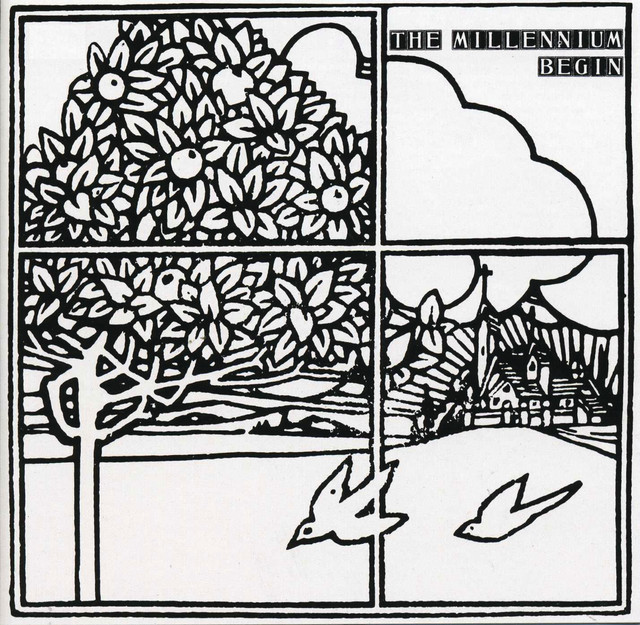
The Millennium
Sunshine Pop
Baroque Pop
Folk Rock
4
/5
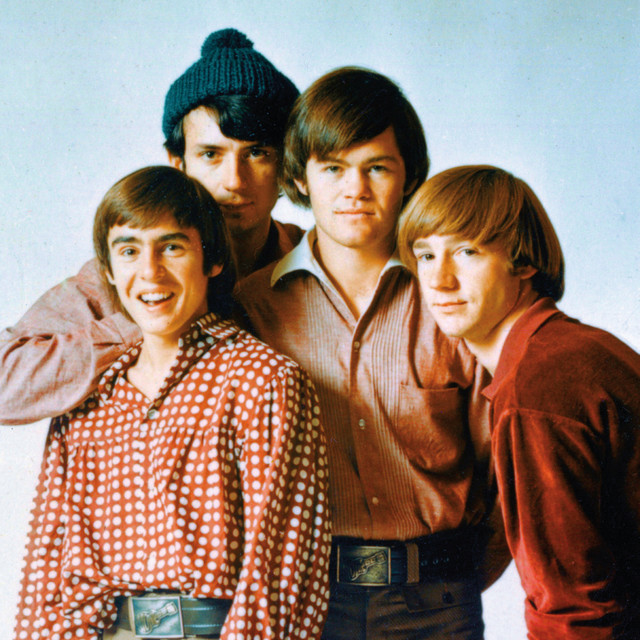
The Monkees
Sunshine Pop
Pop
Pop Rock
4
/5
The Turtles
Folk Rock
Rock
Sunshine Pop
The Ivy League
Baroque Pop
Pop Rock
Psychedelic Pop
5
/5
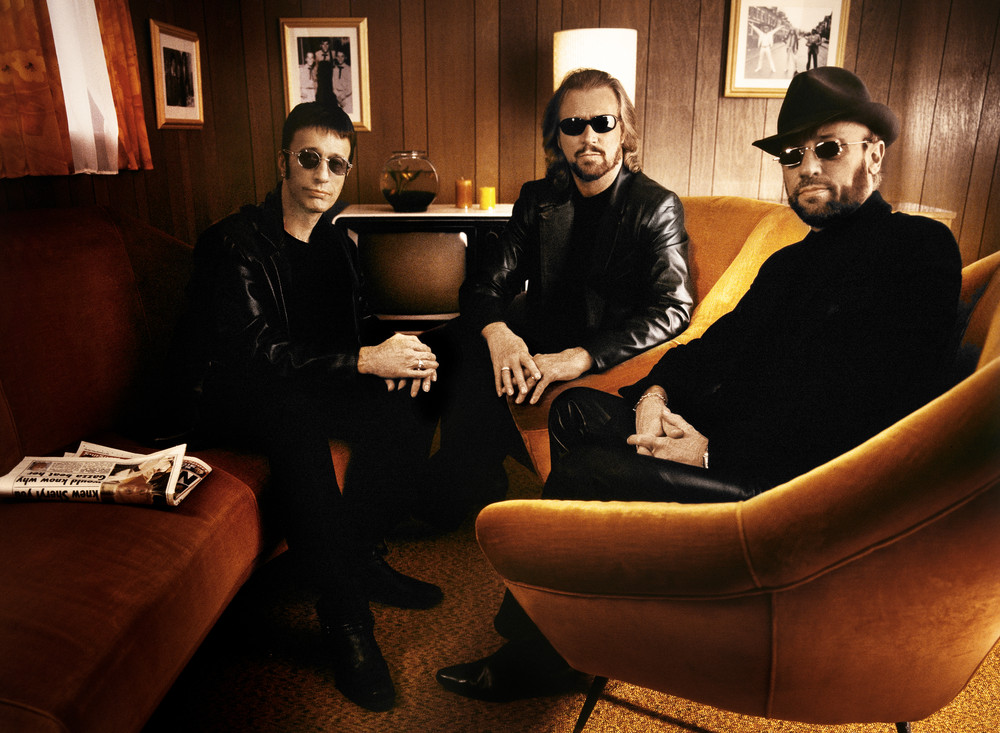
Bee Gees
Disco
Pop
Pop Rock
4
/5
The Mamas & The Papas
Sunshine Pop
Folk Rock
Pop Rock
Download our mobile app
Get the Melodigging app and start digging for new genres on the go
Download on the App Store
Get it on Google Play
© 2026 Melodigging
Give feedback
Legal
Melodding was created as a tribute to
Every Noise at Once
, which inspired us to help curious minds keep digging into music's ever-evolving genres.