Genres
Artists
Albums
Make Music
Sign in
Sign in
Artists
Acid Rock
Artists
Acid Rock
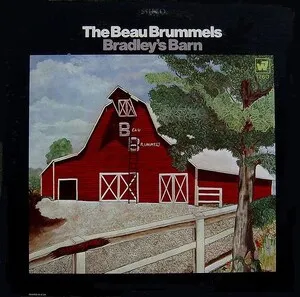
The Beau Brummels
1968
·
1 album
Listen
2
/5
Genres
Acid Rock
Acid rock is a heavier, louder, and more improvisation-driven branch of psychedelic rock that emerged in the mid-to-late 1960s. It is characterized by extended guitar solos, distorted and feedback-laden textures, modal or drone-based harmony, and a strong emphasis on trance-inducing grooves. The style was closely tied to the counterculture and LSD-fueled happenings of the era, particularly on the U.S. West Coast. Musically, it blends blues-rock’s grit, garage rock’s raw energy, folk-rock’s modal harmonies, and raga-influenced drones, then amplifies everything—volume, duration, and intensity—into hypnotic, often explosive performances.
Discover
Listen
Baroque Pop
Baroque pop is a mid‑1960s fusion of contemporary pop/rock songwriting with the timbres, textures, and contrapuntal techniques of Baroque and broader European classical music. It is marked by harpsichord and piano doubling, string quartets or small orchestras, woodwinds (oboe, recorder, bassoon), French horn and piccolo trumpet colors, and melody‑forward arrangements that favor counter‑melodies and suspensions over riff‑based accompaniment. Harmonies tend to be richer than standard rock, with chromatic voice‑leading, circle‑of‑fifths motion, deceptive cadences, and occasional modulations. Production is usually lush and reverberant, supporting reflective, often nostalgic or romantic lyrics. Although it overlaps with orchestral pop and psychedelic pop, baroque pop is distinguished by its chamber‑scale instrumentation, Baroque idioms (basso continuo feel, ornamented lines), and the way classical elements are woven into compact pop song forms.
Discover
Listen
Country Rock
Country rock is a hybrid of country music’s storytelling, twang, and acoustic textures with rock’s backbeat, amplification, and song structures. It typically features electric and acoustic guitars, pedal steel, close vocal harmonies, and a steady 4/4 groove, while lyrics focus on roads, small towns, heartbreak, and everyday American life. The sound ranges from jangly and rootsy to polished and radio-friendly, bridging bar-band energy with country elegance and shaping the template for later Americana and heartland styles.
Discover
Listen
Folk Rock
Folk rock is a fusion genre that blends the narrative lyricism, modal melodies, and acoustic timbres of traditional folk with the backbeat, amplification, and song structures of rock. It typically pairs acoustic or traditional instruments (acoustic guitar, mandolin, fiddle) with a rock rhythm section (electric guitar, bass, drums), often featuring chiming 12‑string guitar textures, close vocal harmonies, and socially conscious or storytelling lyrics. The result ranges from intimate, reflective ballads with a steady backbeat to more anthemic, roots‑driven rock. Emerging in the mid‑1960s through artists such as Bob Dylan and The Byrds, folk rock became a gateway for traditional and roots materials to enter mainstream popular music, and it seeded later movements from country rock and Americana to jangle pop and modern indie folk.
Discover
Listen
Garage Rock
Garage rock is a raw, energetic style of rock music that emerged in the mid-1960s from local scenes across North America. Typically performed by amateur or semi-professional teenage bands in basements and suburban garages, the sound is unpolished and immediate, favoring feel over finesse. Its hallmarks include distorted guitars, pounding drums, simple chord progressions (often I–IV–V), prominent Farfisa/Vox organ riffs, and shouted, attitude-heavy vocals. Songs are short, hooky, and driven by rhythmic urgency, with lyrics about teenage love, boredom, rebellion, and swagger. The style became a direct ancestor of proto-punk and punk rock, prized for its do-it-yourself spirit and visceral impact.
Discover
Listen
San Francisco Sound
The San Francisco Sound refers to the distinctive, improvisation-heavy psychedelic rock that emerged from the San Francisco Bay Area—especially Haight-Ashbury—during the mid-to-late 1960s. It is characterized by long, modal jams; a live-first ethos; prominent use of electric guitars with feedback and distortion; fluid, conversational improvisation among players; and a communal, countercultural sensibility. Bands frequently blended blues, folk, country, R&B, jazz, and raga influences, often incorporating droning textures, extended solos, and striking dynamic arcs. The scene was as much about place and community as sound: Bill Graham’s Fillmore, the Avalon Ballroom, light shows, the Acid Tests, underground FM radio, and Owsley Stanley’s high-fidelity sound systems all helped forge a large-room, enveloping live aesthetic that came to define the movement.
Discover
Listen
Pop Rock
Pop rock blends the hook-focused immediacy of pop with the instrumentation and drive of rock. It prioritizes catchy melodies, concise song structures, and polished production while retaining guitars, bass, and drums as core elements. Typical pop rock tracks use verse–pre-chorus–chorus forms, strong vocal harmonies, and memorable riffs. The sound ranges from jangly and bright to mildly overdriven and arena-ready, aiming for radio-friendly appeal without abandoning rock’s rhythmic punch.
Discover
Listen
Sunshine Pop
Sunshine pop is a lush, harmony-rich strain of 1960s pop that foregrounds radiant melodies, stacked vocals, and orchestral color. It embraces optimism and breezy sophistication, often pairing bright major-key hooks with refined arrangements featuring strings, woodwinds, brass, and shimmering percussion. Stylistically it sits between baroque pop and the lighter side of psychedelic pop: less about mind-expanding experimentation and more about feel-good euphoria, California imagery, and immaculate studio craft. Clean guitars, harpsichord, vibraphone, and glockenspiel are common, as are upward key changes, major-seventh chords, and close-voiced harmonies. Beneath the sunniness, many recordings carry a tender, wistful undercurrent that gives the music depth.
Discover
Listen
Rock
Rock is a broad family of popular music centered on amplified instruments, a strong backbeat, and song forms that foreground riffs, choruses, and anthemic hooks. Emerging from mid‑20th‑century American styles like rhythm & blues, country, and gospel-inflected rock and roll, rock quickly expanded in scope—absorbing folk, blues, and psychedelic ideas—while shaping global youth culture. Core sonic markers include electric guitar (often overdriven), electric bass, drum kit emphasizing beats 2 and 4, and emotive lead vocals. Rock songs commonly use verse–chorus structures, blues-derived harmony, and memorable melodic motifs, ranging from intimate ballads to high‑energy, stadium‑sized performances.
Discover
Listen
Show all 9 genres
Albums
1968
2
/5
Bradley's Barn
The Beau Brummels
San Francisco Sound
Similar artists
1
/5
Various Artists
Afro-Funk
Alternative Rock
Ambient
3
/5
Love
Baroque Pop
Psychedelic Pop
Psychedelic Rock
4
/5
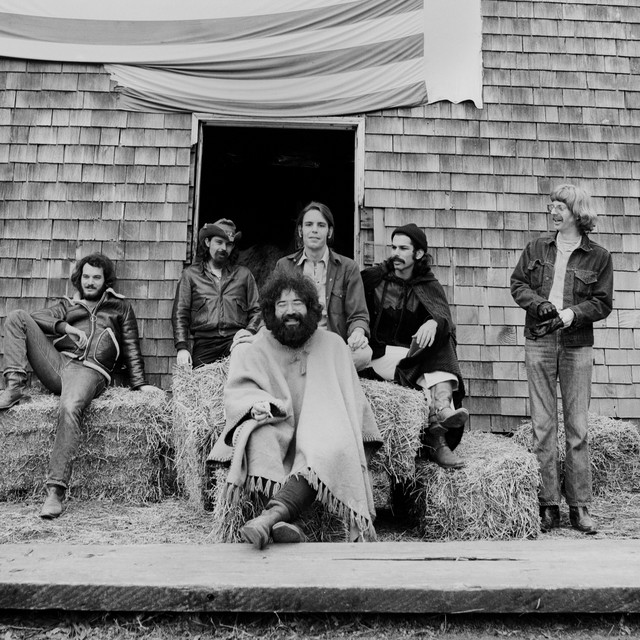
Grateful Dead
Acid Rock
Jam Band
San Francisco Sound
3
/5
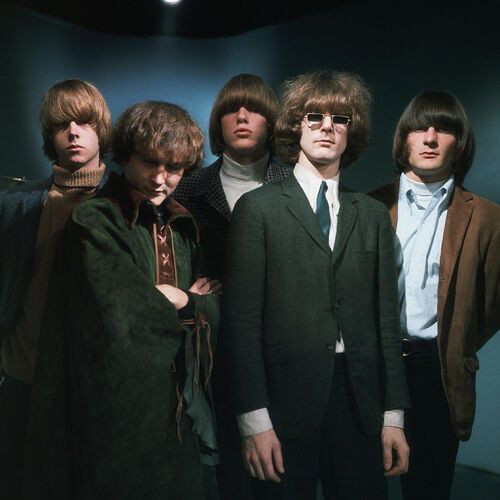
The Byrds
Folk Rock
Country Rock
Rock
2
/5
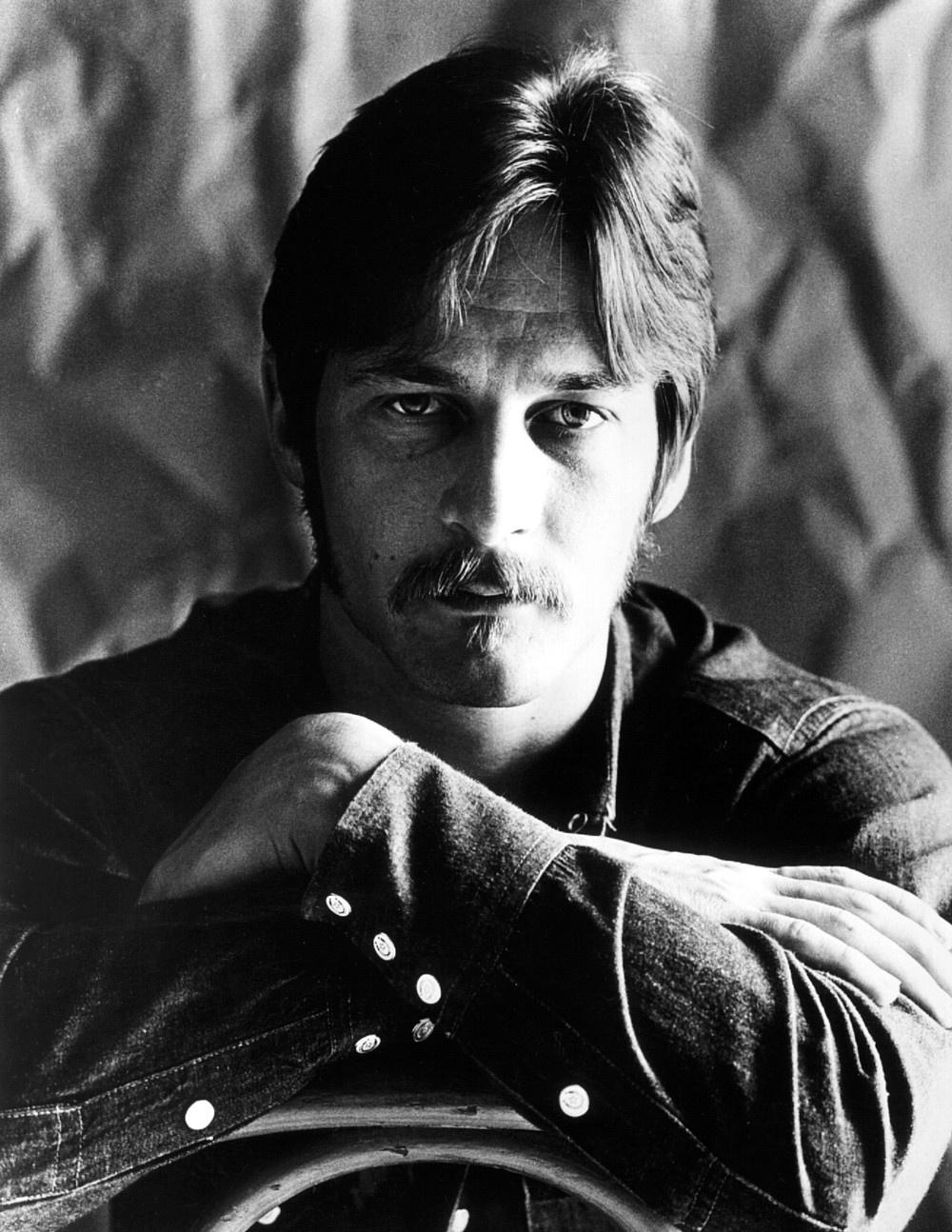
Gene Clark
Country Rock
Folk Rock
Rock
2
/5
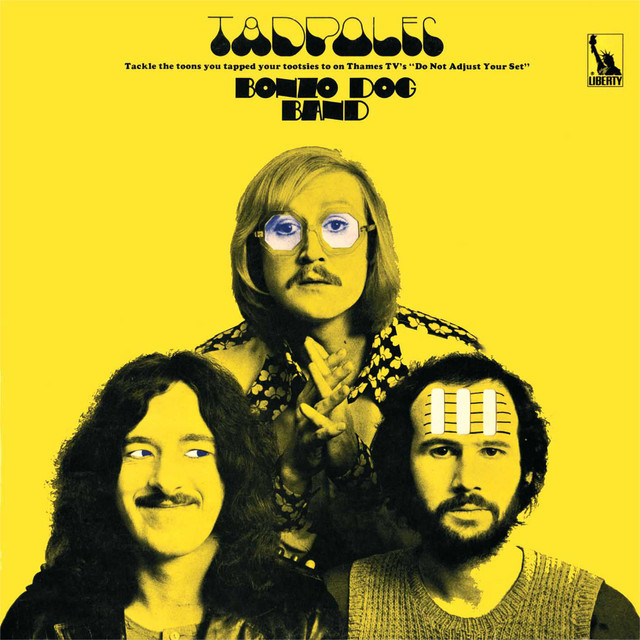
The Bonzo Dog Band
Acid Rock
Baroque Pop
Comedy Rock
2
/5
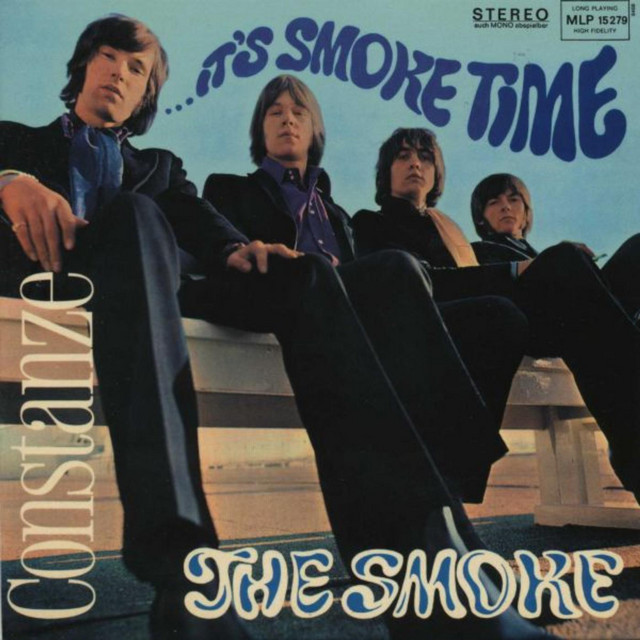
The Smoke
Acid Rock
Baroque Pop
Garage Rock
2
/5
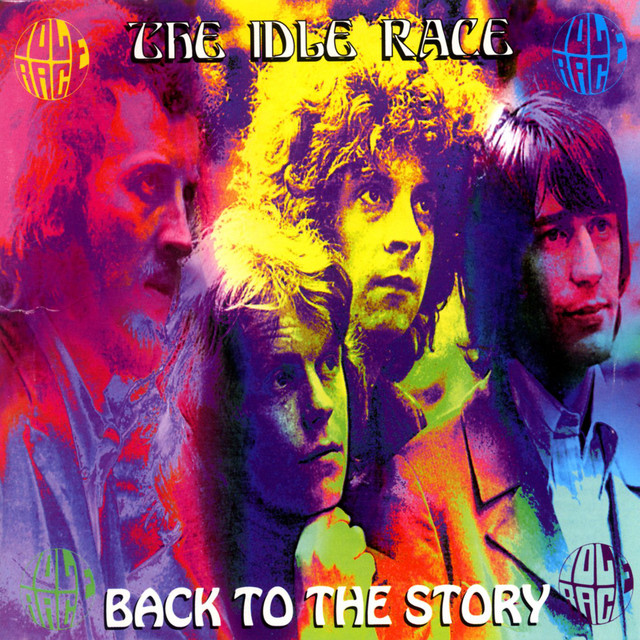
The Idle Race
Acid Rock
Baroque Pop
Freakbeat
2
/5
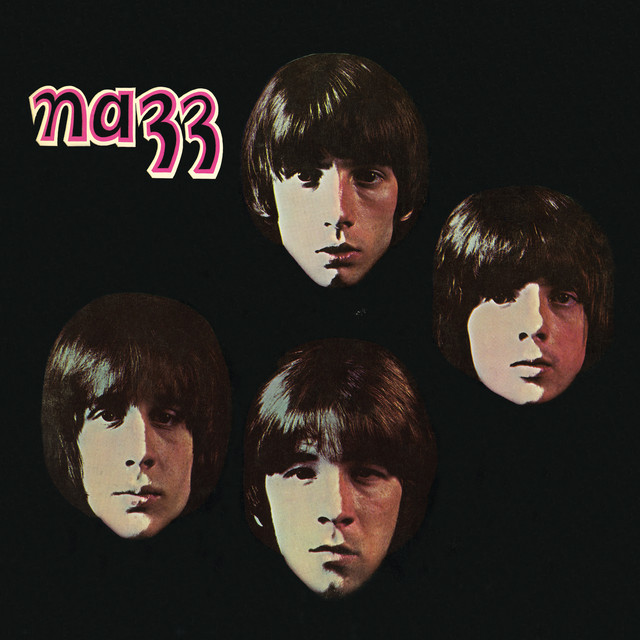
Nazz
Garage Rock
Acid Rock
Baroque Pop
2
/5
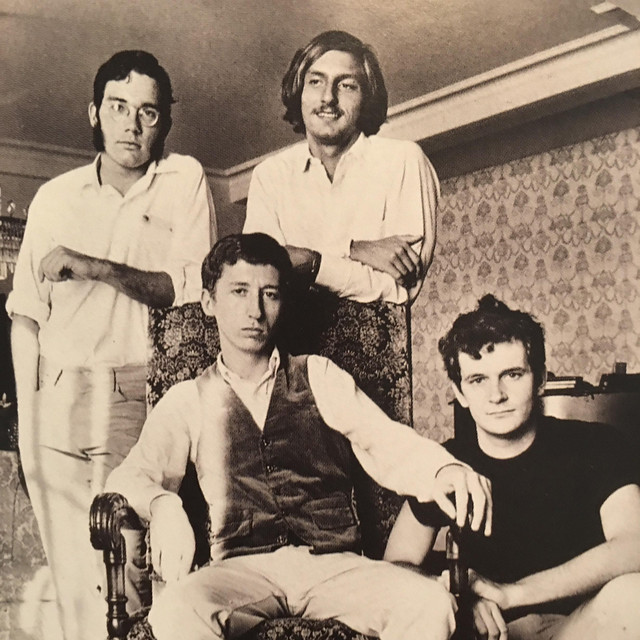
Pearls Before Swine
Acid Rock
Baroque Pop
Folk Rock
Download our mobile app
Get the Melodigging app and start digging for new genres on the go
Download on the App Store
Get it on Google Play
© 2026 Melodigging
Give feedback
Legal
Melodding was created as a tribute to
Every Noise at Once
, which inspired us to help curious minds keep digging into music's ever-evolving genres.