Genres
Artists
Albums
Make Music
Sign in
Sign in
Artists
Opera
Artists
Opera
Teresa Berganza
1972–1988
·
4 albums
Listen
2
/5
Genres
Género Chico
Género chico is a Spanish one-act musical theatre style that flourished in Madrid in the late 19th century. It is essentially the short, popular, and affordable counterpart to the larger-scale zarzuela (often called género grande). Typically lasting under an hour, género chico combines spoken dialogue with catchy songs, dances, and choruses rooted in urban life. Its stories portray everyday characters, local slang, and street settings (costumbrismo), often with topical satire and humor. Musically, it draws on fashionable dances and song-types of the period—such as chotis, habanera, and pasodoble—woven into tuneful, diatonic numbers that are easy to remember and sing. Because of its brevity, immediacy, and low ticket prices under the “teatro por horas” system, género chico became a mass urban entertainment, producing enduring classics and shaping Spanish popular stage music well into the 20th century.
Discover
Listen
Opera Buffa
Opera buffa is an Italian comic opera tradition that crystallized in the early 18th century as a lively, vernacular counterpart to opera seria. It features everyday characters, social satire, rapid-fire patter singing (especially for the basso buffo), and bustling ensemble finales that drive the drama forward. Musically it favors clear, galant-era melody, diatonic harmony, recitativo secco with continuo in earlier works, and increasingly sophisticated multi-voice ensembles. Plotlines draw on commedia dell’arte archetypes and revolve around mistaken identities, class tensions, and witty intrigues, presented in the Italian language with crisp, syllabic text setting.
Discover
Listen
Opéra Comique
Opéra comique is a French operatic genre defined by the presence of spoken dialogue between musical numbers rather than by comic subject matter. Early works used popular tunes (vaudevilles) with newly written words, later evolving into fully original scores with arias, ensembles, finales, and orchestral writing. Originating in Paris fairground theatres, the genre developed at the Opéra-Comique institution into a flexible form that could encompass light, humorous plots as well as serious and even tragic stories. By the 19th century it ranged from graceful, classical elegance to full Romantic drama—so much so that a tragedy like Bizet’s Carmen is still called an opéra comique because it originally included spoken dialogue. Typical features include an overture, clear French prosody, memorable lyrical numbers (romances, couplets), conversational pacing, and finales that integrate multiple characters on stage. Harmony and orchestration track the broader shift from late Baroque/Classical clarity to Romantic color and intensity.
Discover
Listen
Zarzuela
Zarzuela is a Spanish lyric‑dramatic genre that alternates spoken dialogue with sung numbers such as romanzas (arias), ensembles, and choruses. It blends courtly and popular musical idioms, weaving in Spanish dance rhythms (seguidillas, fandangos, jotas, chotis) and vivid costumbrista (everyday-life) scenes. Two principal formats emerged: the expansive zarzuela grande (multi‑act, operatic in scope) and the género chico (one‑act, agile, and often comedic). Across all forms, zarzuela prizes clear storytelling, tuneful melodies, rhythmic vitality, and a strong sense of place, often portraying Madrid’s barrios or regional Spain with humor, sentiment, and social observation.
Discover
Listen
Opera
Opera is a large-scale theatrical genre that combines music, drama, and visual spectacle, in which the story is primarily conveyed through singing accompanied by an orchestra. It unites solo voices, ensembles, and chorus with staging, costumes, and often dance to create a total artwork. Emerging in late Renaissance Italy and flourishing in the Baroque era, opera developed signature forms such as recitative (speech-like singing that advances the plot) and aria (lyrical numbers that explore character and emotion). Over the centuries it evolved diverse national styles—Italian bel canto, French grand opéra, German music drama—while continually experimenting with orchestration, harmony, narrative structure, and stagecraft.
Discover
Listen
Classical
Classical music is the notated art-music tradition of Europe and its global descendants, characterized by durable forms, carefully codified harmony and counterpoint, and a literate score-based practice. The term “classical” can refer broadly to the entire Western art-music lineage from the Medieval era to today, not just the Classical period (c. 1750s–1820s). It privileges long-form structures (such as symphonies, sonatas, concertos, masses, and operas), functional or modal harmony, thematic development, and timbral nuance across ensembles ranging from solo instruments to full orchestras and choirs. Across centuries, the style evolved from chant and modal polyphony to tonal harmony, and later to post-tonal idioms, while maintaining a shared emphasis on written notation, performance practice, and craft.
Discover
Listen
Albums
1988
1
/5
Un concierto de "género chico"
Federico Chueca
Género Chico
Zarzuela
1978
2
/5
Carmen
Georges Bizet
Opéra Comique
1972
2
/5
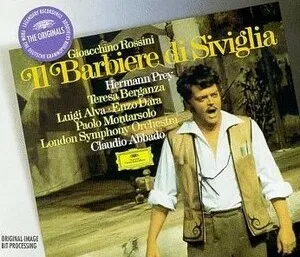
Il barbiere di Siviglia
Gioachino Rossini
Opera Buffa
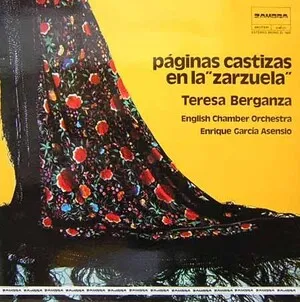
Páginas castizas en la zarzuela (ECO/ Enrique García Asensio)
Teresa Berganza
Zarzuela
Similar artists
4
/5
English Chamber Orchestra
Classical
Baroque
Chamber Music
3
/5
Plácido Domingo
Classical
Opera
Opéra Comique
4
/5
London Symphony Orchestra
Classical
Ballet
Concerto
4
/5
Berliner Philharmoniker
Classical
Romantic Classical
Romanticism
4
/5
Herbert von Karajan
Classical
Symphonic Poem
Symphony
4
/5
London Philharmonic Orchestra
Opera
Classical
Deep Soundtrack
4
/5
Philharmonia Orchestra
Classical
Opera
Choral
4
/5
Claudio Abbado
Classical
Concerto
Impressionism
4
/5
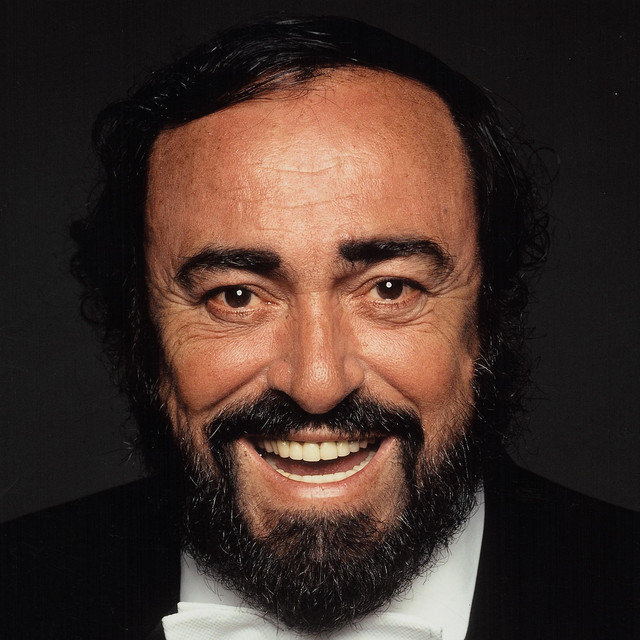
Luciano Pavarotti
Canzone Napoletana
Classical
Opera
3
/5
Richard Bonynge
Classical
Opera
Opéra Comique
Download our mobile app
Get the Melodigging app and start digging for new genres on the go
Download on the App Store
Get it on Google Play
© 2026 Melodigging
Give feedback
Legal
Melodding was created as a tribute to
Every Noise at Once
, which inspired us to help curious minds keep digging into music's ever-evolving genres.