Genres
Artists
Albums
Make Music
Sign in
Sign in
Artists
Dunedin Sound
Artists
Dunedin Sound
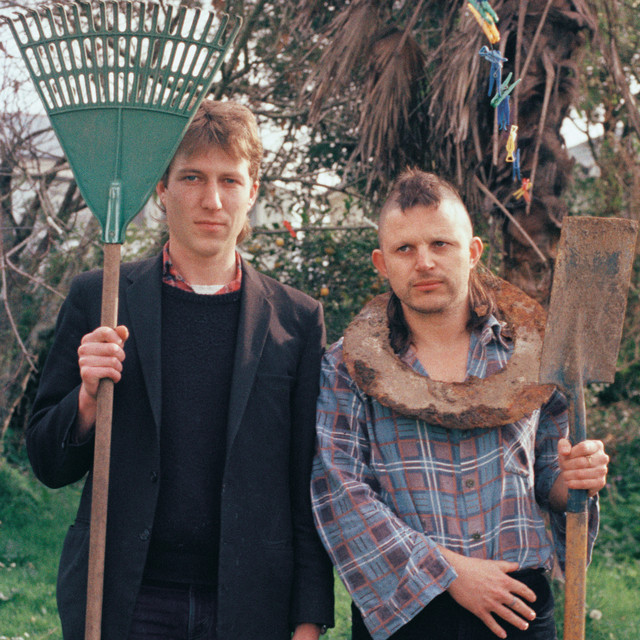
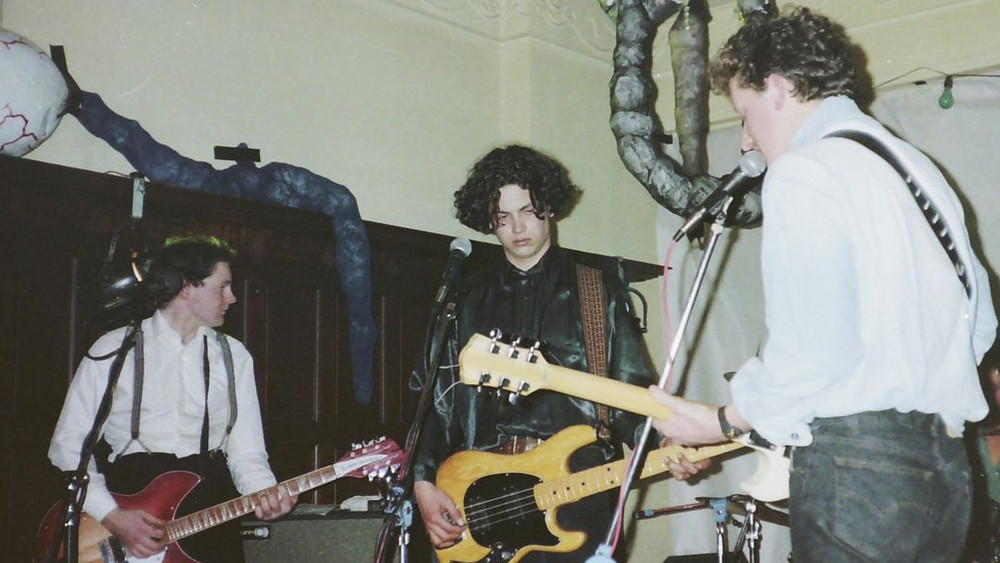
Tall Dwarfs
1985–1994
·
5 albums
Listen
1
/5
Genres
Dolewave
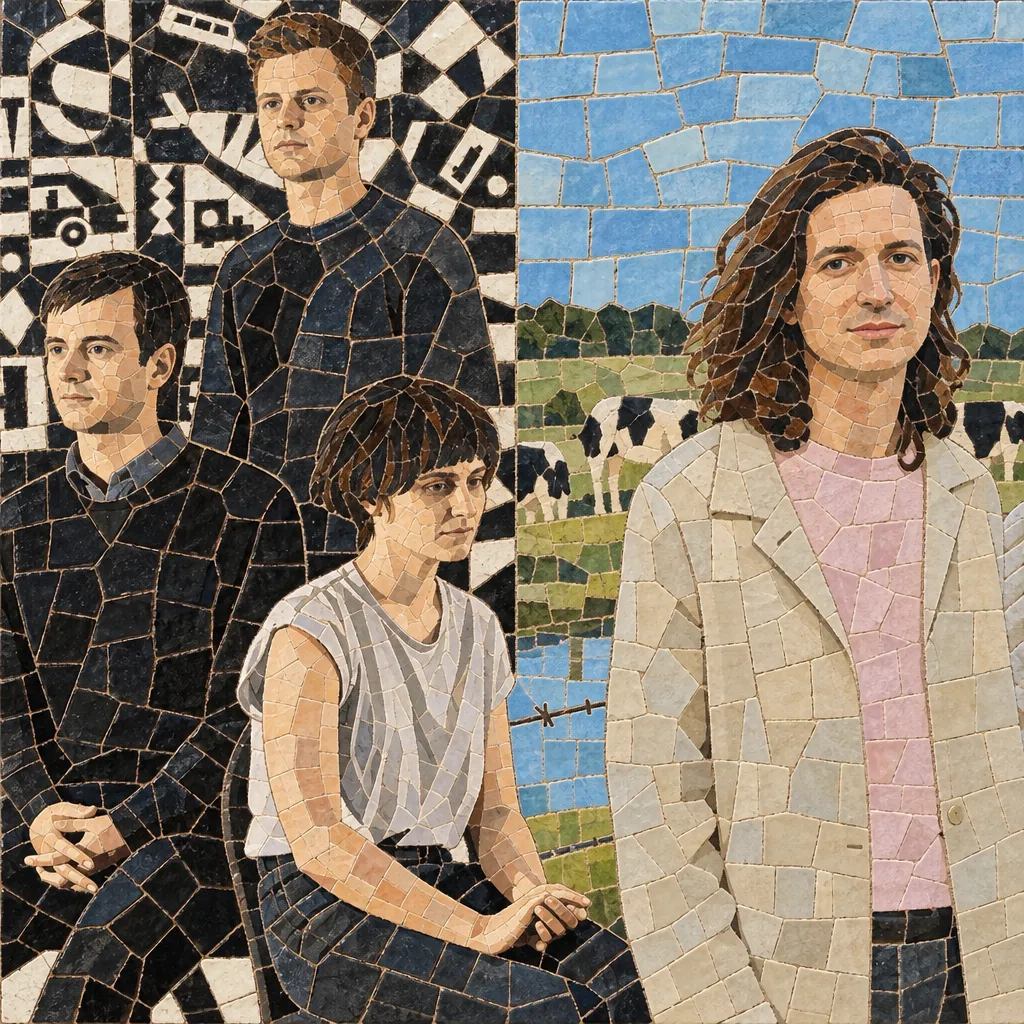
Dolewave is a strand of Australian indie rock known for jangly, clean guitars, laconic and conversational vocals, and lyrics that linger on the small details of everyday suburban life. The songs often feel unhurried and unvarnished, balancing bittersweet nostalgia with wry humor. Production tends toward the DIY and lo‑fi: room sounds, modest mic techniques, and minimal studio polish underscore the music’s unpretentious character. Harmonies are simple but catchy—major keys, suspended chords, and ringing arpeggios—while tempos hover at a relaxed mid‑pace. The term "dolewave" began as a tongue‑in‑cheek label referencing Australia’s social welfare (“the dole”) and the music’s slacker, home‑recorded ethos. Despite the loaded nickname, the style has come to signify a specific Melbourne‑centred guitar pop sensibility steeped in jangle‑pop, the Dunedin sound, and slacker rock.
Discover
Listen
Lo-Fi Indie
Lo-fi indie is a branch of indie rock and pop that embraces the aesthetic of imperfection: home-recorded songs with tape hiss, clipped peaks, room noise, and intimate, unpolished performances. Rooted in the DIY ethos of American underground scenes, it values songwriting, personality, and atmosphere over high-end studio sheen. The sound ranges from fuzzy guitar rock to hushed acoustic ballads, but its core identity lies in intimate vocals, deceptively simple arrangements, and production choices that foreground warmth, immediacy, and a handmade feel. The genre spans from the four-track cassette era of the late 1980s/1990s to laptop-based bedroom projects of the 2010s, maintaining a continuous lineage of self-sufficiency, small labels, and community-driven distribution.
Discover
Listen
Gbvfi
GBVfi is a micro-genre of indie rock centered on the lo‑fi, hook-packed aesthetic popularized by Guided by Voices (GBV) and the extended Robert Pollard universe. It favors short, catchy songs recorded with intentionally modest means, foregrounding tape-texture grit, compressed drums, mid-gain guitar crunch, and double-tracked vocals. Musically it blends power-pop melodies with garage-rock immediacy, jangle-pop chime, and psychedelic pop color, while lyrics lean toward collage-like imagery and cryptic, fragmentary narratives. The result is a ramshackle, hyper-melodic sound that celebrates first-take energy over polish and treats the four-track as an instrument in its own right.
Discover
Listen
Dunedin Sound
The Dunedin sound is a jangly, DIY strain of indie pop and post‑punk that emerged in the early 1980s around the university city of Dunedin, New Zealand. Characterized by chiming, reverb‑kissed guitars, melodic basslines, and propulsive but minimalist drumming, it balances a nervous post‑punk edge with wistful, tuneful songwriting. Recorded largely on shoestring budgets for Flying Nun Records, the music often embraces lo‑fi aesthetics: natural room ambience, slight tape saturation, and a raw, live band feel. Lyrics tend to be literate, bittersweet, and evocative of small‑town life, nature, and interior states, giving the songs an intimate, homespun charm that belies their enduring pop craft.
Discover
Listen
Jangle Pop
Jangle pop is a guitar-centered style of pop and rock defined by bright, chiming tones—often from a 12‑string electric (famously the Rickenbacker)—playing arpeggiated or open‑chord figures with minimal distortion. The sound emphasizes treble clarity, shimmering sustain, and tight compression, creating a sparkling texture that carries melodic hooks. Rhythm sections are typically crisp and supportive rather than aggressive, with steady mid‑tempo grooves and melodic bass counter‑lines. Vocals tend to be tuneful and understated, frequently with close harmonies. Lyrically, jangle pop pairs catchy, concise songwriting with wistful, romantic, and nostalgic themes. The style draws on 1960s guitar pop and folk rock traditions while channeling the DIY ethos of 1980s indie scenes.
Discover
Listen
Alternative Rock
Alternative rock is a broad umbrella for guitar-based rock that emerged from the independent and college-radio scenes as a counterpoint to mainstream, commercial rock. It blends the energy and ethos of punk with the textural and songwriting experiments of post-punk, new wave, jangle pop, and noise rock, often foregrounding introspective or socially aware lyrics. Across its many strains—from the melodic minimalism of college rock to the loud-quiet-loud dynamics of grunge and the artful experimentation of Radiohead-era modernism—alternative rock prioritizes authenticity, sonic individuality, and a do-it-yourself approach. Its sound ranges from chiming, chorus-laden clean guitars to abrasive distortion and feedback, supported by straightforward rock rhythms or off-kilter grooves, and production that can be either raw and live-sounding or polished yet unconventional.
Discover
Listen
Lo-Fi
Lo-fi is a music aesthetic and genre defined by an embrace of audible imperfections—tape hiss, clipping, room noise, distorted transients, and uneven performance—that would be treated as errors in high-fidelity recording. Emerging from the DIY ethos of American indie and punk scenes, lo-fi turns budget constraints and home-recording limitations into a signature sound. Songs are often intimate, direct, and unvarnished, prioritizing immediacy and personality over polish. Typical lo-fi recordings use 4-track cassette or similarly modest setups, simple chord progressions, and understated vocals, spanning rock, folk, pop, and experimental approaches while retaining a homemade warmth and nostalgic patina.
Discover
Listen
Rock
Rock is a broad family of popular music centered on amplified instruments, a strong backbeat, and song forms that foreground riffs, choruses, and anthemic hooks. Emerging from mid‑20th‑century American styles like rhythm & blues, country, and gospel-inflected rock and roll, rock quickly expanded in scope—absorbing folk, blues, and psychedelic ideas—while shaping global youth culture. Core sonic markers include electric guitar (often overdriven), electric bass, drum kit emphasizing beats 2 and 4, and emotive lead vocals. Rock songs commonly use verse–chorus structures, blues-derived harmony, and memorable melodic motifs, ranging from intimate ballads to high‑energy, stadium‑sized performances.
Discover
Listen
Show all 8 genres
Albums
1994
1
/5
3 EPs
Tall Dwarfs
Dunedin Sound
1994
1
/5
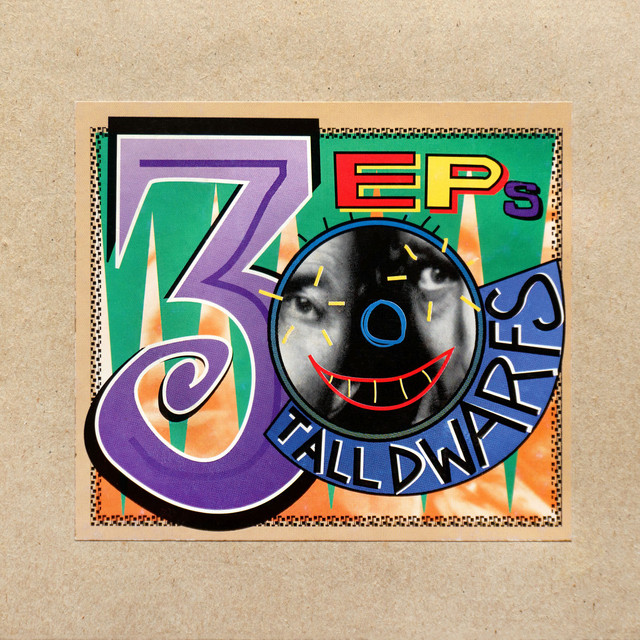
3EPs
Tall Dwarfs
Dunedin Sound
Gbvfi
1991
1
/5
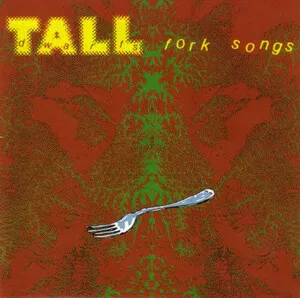
Fork Songs
Tall Dwarfs
Dunedin Sound
1990
1
/5
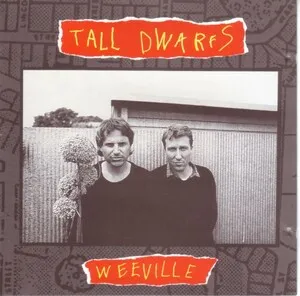
Weeville
Tall Dwarfs
Dunedin Sound
1985
1
/5
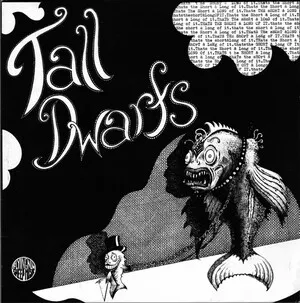
That's the Short and Long of It
Tall Dwarfs
Dunedin Sound
Alternative Rock
Rock
Similar artists
2
/5
The Clean
Dunedin Sound
Rock
Jangle Pop
1
/5
The Verlaines
Dunedin Sound
Indie Rock
Rock
2
/5
The Bats
Dunedin Sound
Jangle Pop
Power Pop
2
/5
The Chills
Dunedin Sound
Groove Room
Indie Shoegaze
3
/5
The Go-Betweens
Dunedin Sound
Jangle Pop
C86
1
/5
Straitjacket Fits
Dunedin Sound
Jangle Pop
Indie Rock
1
/5
3Ds
Dunedin Sound
Alternative Rock
Indie Rock
2
/5
The Feelies
Jangle Pop
Post-Punk
Dunedin Sound
5
/5
Mac DeMarco
Lo-Fi Indie
Indie Rock
Slacker Rock
5
/5
The Smiths
Jangle Pop
Madchester
New Wave
Download our mobile app
Get the Melodigging app and start digging for new genres on the go
Download on the App Store
Get it on Google Play
© 2026 Melodigging
Give feedback
Legal
Melodding was created as a tribute to
Every Noise at Once
, which inspired us to help curious minds keep digging into music's ever-evolving genres.