Genres
Artists
Albums
Make Music
Sign in
Sign in
Artists
Orchestral
Artists
Orchestral
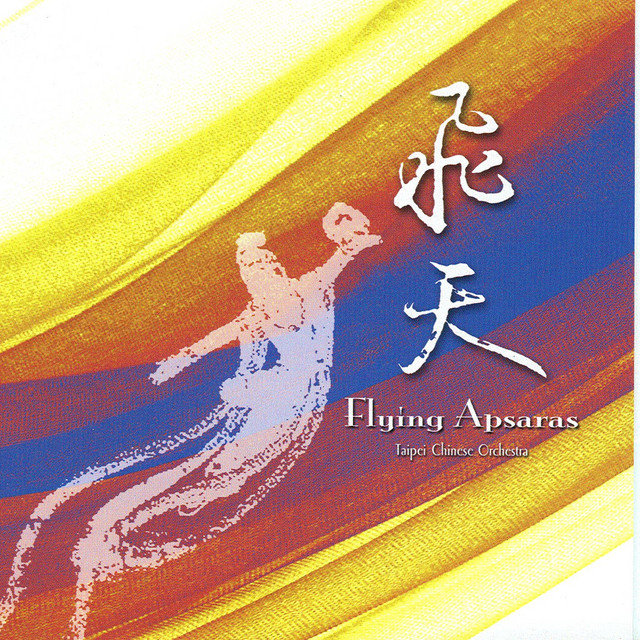
Taipei Chinese Orchestra
Listen
1
/5
Genres
Taiwanese Pop
Taiwanese pop is the broad umbrella for popular music created in Taiwan, spanning Mandarin (Mandopop) and Taiwanese Hokkien (Taiyu) repertoires, with contributions in Hakka and Indigenous languages. It blends the melodic lineage of early Chinese shidaiqu, Japanese kayōkyoku/idol aesthetics, and Western pop-rock, R&B, hip hop, and synth-driven production. The result is a polished, hook-forward sound that ranges from intimate folk-pop ballads to stadium-sized rock and dance-pop. Beyond style, Taiwanese pop is defined by its songwriting craft, emotive vocals, and karaoke-friendly choruses. Its industry infrastructure—iconic labels, variety TV, and cross-strait distribution—helped make Taipei a major hub for Chinese-language popular music across East and Southeast Asia.
Discover
Listen
Traditional Music
Traditional music is an umbrella term used in the mid–20th century by folklorists and ethnomusicologists to denote community-rooted, orally transmitted repertoires tied to social ritual, work, celebration, and storytelling. Unlike commercial pop or art-music traditions, traditional music is typically learned by ear, varies regionally, and evolves slowly through communal participation. It often features modal melodies, cyclic rhythms, heterophony or unison singing, and indigenous instruments whose timbres are integral to local identity. Lyrics tend to preserve language, history, and collective memory. While the musical practices themselves can be ancient, the phrase “traditional music” emerged to replace earlier, narrower or colonial framings like “folk” or “ethnic” music, foregrounding continuity, locality, and living practice rather than exoticism.
Discover
Listen
Orchestral
Orchestral music refers to compositions written for an orchestra—a large ensemble typically built around a string section (violins, violas, cellos, double basses), complemented by woodwinds, brass, percussion, and often harp, keyboard, or other auxiliary instruments. A conductor coordinates the ensemble, shaping balance, phrasing, and expression. The style emphasizes coloristic timbre combinations, dynamic range from the softest pianissimo to explosive tuttis, and textures that can shift seamlessly between transparent chamber-like writing and monumental masses of sound. Orchestral writing underpins concert genres such as symphonies, overtures, and tone poems, as well as opera, ballet, and modern film and game scores. While orchestral writing evolved across centuries, its core craft centers on melody, counterpoint, harmony, register, and orchestration—the art of assigning musical ideas to instruments to achieve clarity, contrast, and narrative impact.
Discover
Listen
Similar artists
1
/5
You-sheng Lin
Beijing Opera
Orchestral
Taiwanese Pop
2
/5
李泰祥
Orchestral
Traditional Music
2
/5
Chinese Symphonic Century
Orchestral
Traditional Music
1
/5
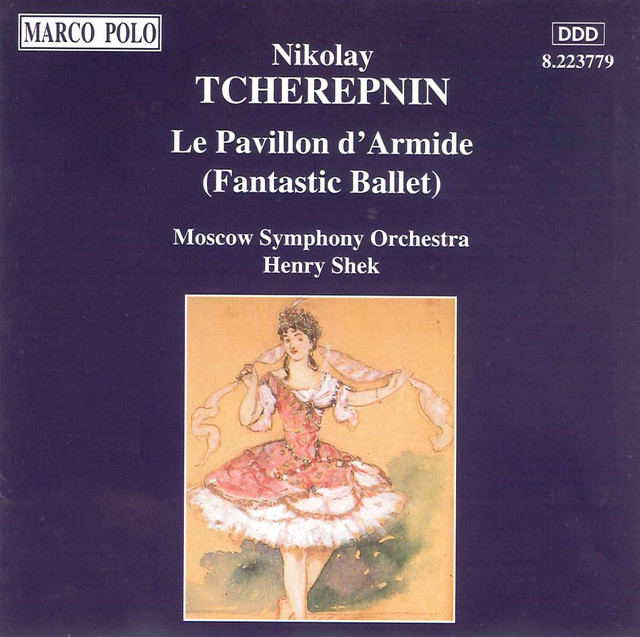
Henry Shek
Chinese Classical Performance
Japanese Classical
Orchestral
1
/5
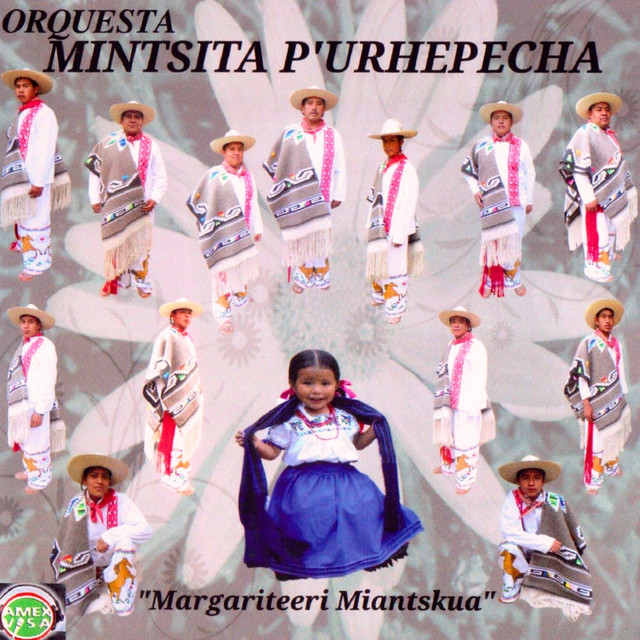
Orquesta Mintsita Purépecha
Orchestral
Traditional Music
1
/5
Peng Cao
Orchestral
Traditional Music
Beijing Opera
1
/5
Sociedad Charros Del Pueblo
Orchestral
Traditional Music
1
/5
Shanghai Chinese Folk Orchestra
Taiwanese Pop
Traditional Music
1
/5
Local Traditional Artist
Bikutsi
Latin Folk
Taiwanese Pop
1
/5
Orquesta De Quinceo
Duranguense
Orchestral
Traditional Music
Download our mobile app
Get the Melodigging app and start digging for new genres on the go
Download on the App Store
Get it on Google Play
© 2026 Melodigging
Give feedback
Legal
Melodding was created as a tribute to
Every Noise at Once
, which inspired us to help curious minds keep digging into music's ever-evolving genres.