Genres
Artists
Albums
Make Music
Sign in
Sign in
Artists
Electro Swing
Artists
Electro Swing
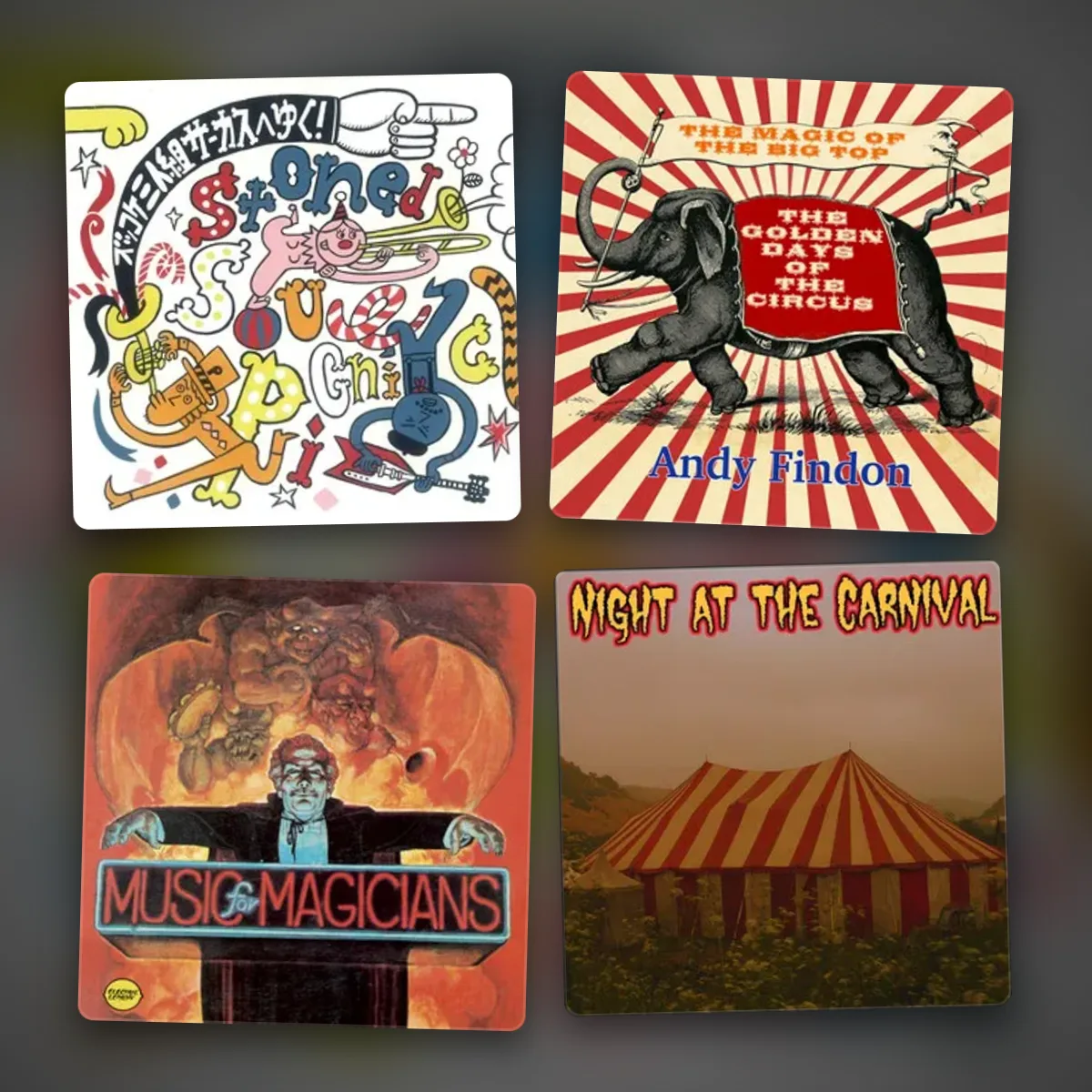
STONED SOUL PICNIC
2017–2020
·
3 albums
Listen
1
/5
Genres
Electro Swing
Electro swing fuses the timbres and rhythms of 1920s–1940s swing and big band jazz with modern electronic dance production. Producers sample or recreate vintage horn sections, clarinets, crooner vocals, and walking bass lines, then place them over four‑on‑the‑floor house grooves, syncopated breakbeats, and punchy electronic bass. Typical tempos sit around 110–128 BPM, with swung/shuffle hi‑hats, call‑and‑response horn riffs, and jazz harmony (ii–V–I cadences, extended 7ths/9ths/13ths). Vocals range from retro scat and cabaret‑style singing to contemporary rap or chopped vocal hooks. The result is a playful, dance‑forward sound that feels both nostalgic and fresh: gramophone grit and brass flair meeting club‑ready drums, sidechain swells, and modern sound design.
Discover
Listen
Shibuya-Kei
Shibuya-kei is a Japanese pop micro‑genre that emerged from Tokyo’s Shibuya district in the early–mid 1990s. It blends 1960s French yé‑yé, bossa nova, lounge/easy listening, baroque pop, jazz, sunshine pop, and slick city‑pop with contemporary sampling and electronic production. The style is cosmopolitan and retro‑futurist: it celebrates crate‑digging, witty pastiche, and graphic design/fashion as much as music. Songs often feature breezy melodies, airy or whispery vocals in Japanese, English, or French, and richly orchestrated arrangements that feel both nostalgic and playful.
Discover
Listen
Cartoon Music
Cartoon music is a style of screen scoring developed for animated shorts and series that uses tightly synchronized cues, rapid mood shifts, and colorful orchestration to match every on-screen action. Its trademark technique, often called "Mickey-Mousing," maps musical gestures to visual movements—slides for falls, trills for tip-toes, and stingers for sudden gags. Rooted in classical orchestral writing but blended with jazz, big band, ragtime, and Tin Pan Alley songcraft, cartoon music thrives on leitmotifs, clever quotations of familiar tunes, and hyper-detailed timing. The palette typically features bright woodwinds, brass, mallet percussion, and novelty instruments (slide whistle, flexatone, temple blocks) alongside sound effects, creating a zany, kinetic texture that can pivot from lyrical to slapstick in a heartbeat.
Discover
Listen
Circus March
Circus march (often called a "screamer") is a very fast, brilliant style of American march written to accompany circus parades, act changes, and aerial or animal features under the big top. It emphasizes dazzling woodwind runs, blazing brass fanfares, and driving percussion at tempos commonly between 160 and 200 BPM, creating high excitement and clear cues for performers. Typical forms mirror American march conventions—intro, two strains, trio (often in the subdominant), and a dramatic breakstrain (dogfight)—but with greater virtuosity, brighter orchestration, and sharper dynamic contrasts. The sound is closely associated with calliopes and band organs that broadcast these pieces beyond the tent and through circus grounds.
Discover
Listen
Fanfare
Fanfare is a short, brilliantly scored piece—most often for brass and percussion—used to announce entrances, open ceremonies, or signal important moments. Its musical language emphasizes open intervals (fourths and fifths), triadic outlines, pedal points, and bold, dotted rhythms that project across large spaces. While trumpet flourishes existed earlier, the modern concept and the term itself emerged from French court and hunting traditions, where clarions and timpani underpinned regal spectacle. In the concert hall and on screen, fanfares evolved into standalone works that frame events with a sense of pageantry, urgency, and grandeur. Today, the style remains ubiquitous: from state ceremonies and military honors to sports events, film logos, and orchestral programs, fanfare is the musical shorthand for the ceremonial and the epic.
Discover
Listen
March
A march is a musical genre and form designed to accompany orderly movement, most commonly military processions, parades, and ceremonial events. It is typically in duple meter (2/4 or 4/4) or compound duple (6/8), with a steady tempo that supports synchronized stepping. Classical and concert marches evolved a characteristic multi-strain structure: an introduction, two strains, a key-changing trio, a break strain ("dogfight"), and a final strain, often with a strong cadential "stinger." Instrumentation centers on winds and percussion—brass, woodwinds, snare and bass drums, and cymbals—producing a bright, projecting sonority suitable for outdoor performance. While the style is pan-European in origin, the late-19th- and early-20th-century "golden age" of the American march, led by John Philip Sousa, codified the concert march’s form, orchestration, and performance practice, influencing wind band music worldwide.
Discover
Listen
Albums
2020
1
/5
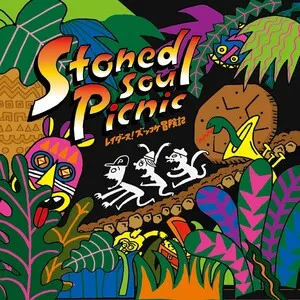
レイダース!ズッコケ冒険記 (Reidāsu! Zukkoke bōken-ki)
Stoned Soul Picnic
Cartoon Music
Fanfare
2017
1
/5
The Zukkoke Trio Go to the Circus! ズッコケ三人組 サーカスへゆく!
Stoned Soul Picnic
Circus March
Fanfare
Electro Swing
The Zukkoke Trio Go to the Circus! ズッコケ三人組 サーカスへゆく!
Stoned Soul Picnic
March
Similar artists
2
/5
Verne Langdon
Circus March
March
2
/5
Sounds of the Circus South Shore Concert Band
Circus March
March
1
/5
Andy Findon
Circus March
March
4
/5
OR3O
Electro Swing
Otacore
Pixel
4
/5
Caravan Palace
Electro Swing
Digital Horror
Electronic
4
/5
Parov Stelar
Balkan Beats
Electro Swing
Nu Jazz
4
/5
Little Sis Nora
Melbourne Bounce
Electro Swing
Chill Pop
3
/5
Caro Emerald
Electro Swing
Digital Horror
Jazz Blues
3
/5
Waldeck
Electro Swing
Downtempo
Melancholia
3
/5
GoldFish
Electro Swing
Saxophone House
Tropical House
Download our mobile app
Get the Melodigging app and start digging for new genres on the go
Download on the App Store
Get it on Google Play
© 2026 Melodigging
Give feedback
Legal
Melodding was created as a tribute to
Every Noise at Once
, which inspired us to help curious minds keep digging into music's ever-evolving genres.