Genres
Artists
Albums
Make Music
Sign in
Sign in
Artists
Space Rock Revival
Artists
Space Rock Revival
Spacemen 3
1989
·
1 album
Listen
Genres
Space Rock Revival
Space rock revival is a late-20th-century resurgence of the expansive, cosmic-minded rock pioneered in the 1960s–70s. It blends hypnotic repetition, long-form song structures, and saturated, effects-heavy guitars with analog synthesizers and cosmic imagery. Typically, the style emphasizes motorik or loping 4/4 grooves, droning bass ostinati, and wide, reverberant mixes that evoke vastness. Guitars are layered with delay, phaser, tremolo, and fuzz; synths, organs, and oscillators provide swirling pads, bleeps, and arpeggios. The mood ranges from dreamy and meditative to soaring and cathartic, with lyrics that often orbit themes of space, distance, transcendence, and introspection.
Discover
Listen
Alternative Pop Rock
Alternative pop rock blends the melodic immediacy and hook-driven structures of pop with the guitar-centric textures, attitude, and lyrical introspection of alternative and indie rock. Typically chorus-forward and radio-friendly, it favors clean, bright production, rhythmic guitars, synth coloration, and emotionally resonant vocal toplines. Compared with straight pop rock, it retains more of alt-rock’s edge and eclecticism, yet simplifies arrangements for accessibility. Lyrical themes often revolve around self-reflection, relationships, coming-of-age, and modern life, delivered in a conversational, earnest tone.
Discover
Listen
Indie Rock
Indie rock is a subgenre of rock and a branch of alternative rock that coalesced in the early–mid 1980s around independent labels and DIY practices in the United Kingdom, the United States, and New Zealand. Defined less by a single sound than by an ethos, indie rock favors non‑mainstream approaches, self‑recording and small‑label distribution, and an interest in pop‑informed melody and eclectic experimentation. Hallmarks include jangly or fuzzed guitars, intimate or deadpan vocals, off‑kilter song structures, and production that often preserves a raw, “authentic” feel rather than glossy studio polish.
Discover
Listen
Neo-Psychedelia
Neo-psychedelia is a late-20th-century revival and reinvention of 1960s psychedelic music aesthetics, filtered through post-punk, indie, and experimental sensibilities. It emphasizes hypnotic textures, droning guitars, heavy use of effects (reverb, delay, phasing), analogue organs/synths, and dreamlike or surreal lyricism. Rhythms may draw from motorik and other steady, trance-inducing grooves, while harmony often favors modal colors and repetitive vamps. The style ranges from jangly, melodic songs to dense, feedback-laden soundscapes, and has been highly influential on dream pop, shoegaze, Britpop-adjacent scenes, and modern psych rock.
Discover
Listen
Drone
Drone is a minimalist music genre defined by sustained tones, long durations, and extremely gradual change. Harmony is often static or centered on a single fundamental with subtle overtone shifts, while rhythm tends toward stasis or very slow pulses. Sound sources range from acoustic instruments (e.g., strings, organ, bagpipes, shruti box, tambura) to electronics (sine waves, oscillators, feedback, tape loops, and later digital synthesis and processing). Many composers favor just intonation or other alternative tuning systems to emphasize beating patterns, psychoacoustic effects, and the internal life of sound. Although drone as a sonic principle is ancient and global, the modern experimental genre cohered in the 1960s through the New York minimalists and related avant‑garde circles, then spread into ambient, experimental, and heavy music scenes. The focus is less on melody and more on timbre, resonance, and the phenomenology of listening.
Discover
Listen
Rock
Rock is a broad family of popular music centered on amplified instruments, a strong backbeat, and song forms that foreground riffs, choruses, and anthemic hooks. Emerging from mid‑20th‑century American styles like rhythm & blues, country, and gospel-inflected rock and roll, rock quickly expanded in scope—absorbing folk, blues, and psychedelic ideas—while shaping global youth culture. Core sonic markers include electric guitar (often overdriven), electric bass, drum kit emphasizing beats 2 and 4, and emotive lead vocals. Rock songs commonly use verse–chorus structures, blues-derived harmony, and memorable melodic motifs, ranging from intimate ballads to high‑energy, stadium‑sized performances.
Discover
Listen
Albums
1989
1
/5
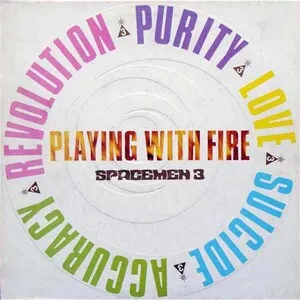
Playing With Fire
Spacemen 3
Space Rock Revival
Alternative Pop Rock
Indie Rock
Similar artists
1
/5
Various Artists
Afro-Funk
Alternative Rock
Ambient
2
/5
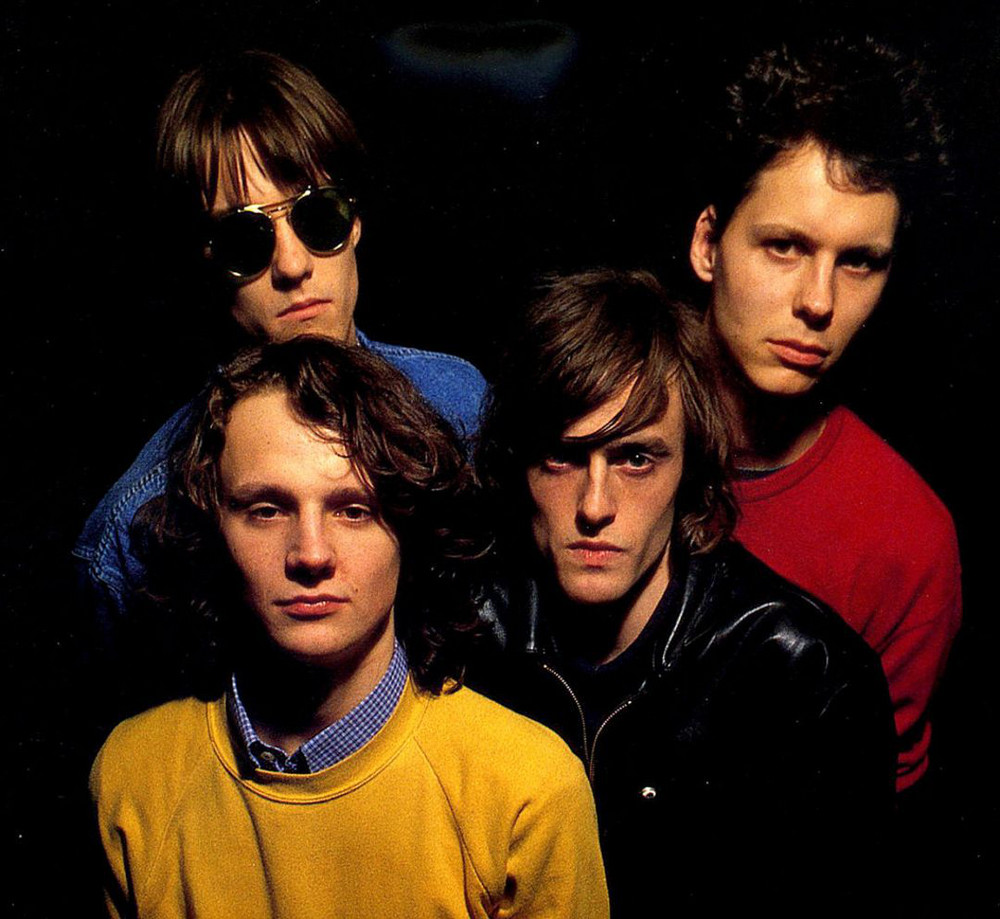
Spacemen 3
Space Rock
Space Rock Revival
Dream Pop
3
/5
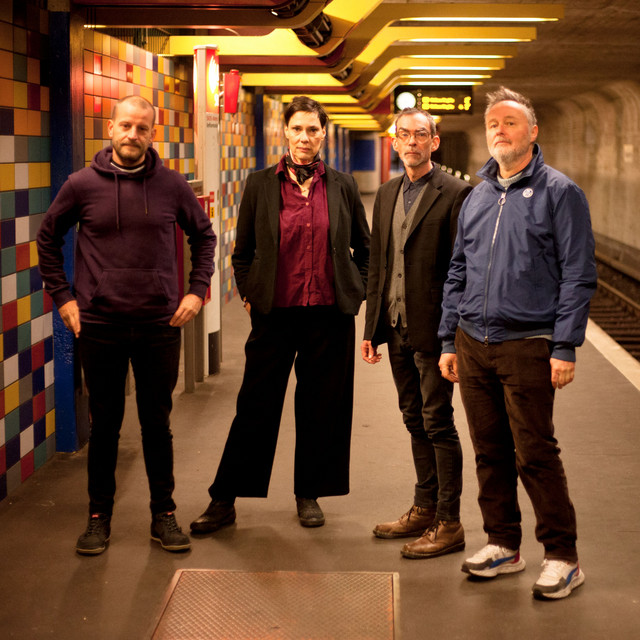
Stereolab
Experimental Rock
No Wave
Post-Rock
4
/5
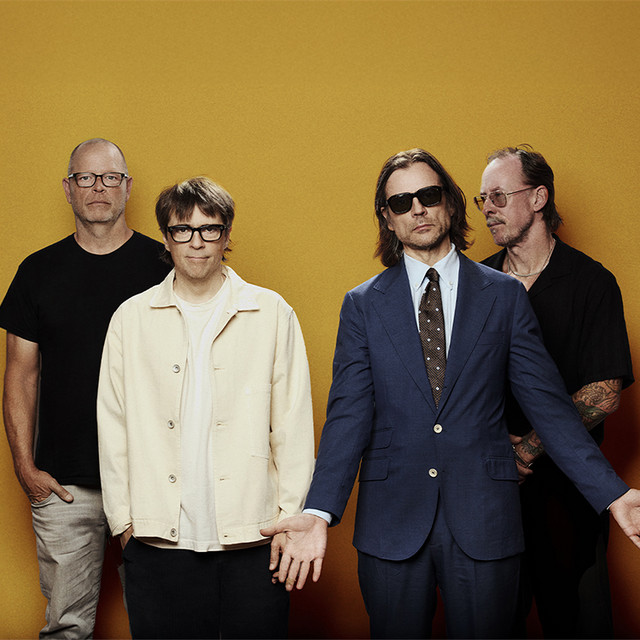
Weezer
Alternative Rock
Modern Power Pop
Rock
4
/5
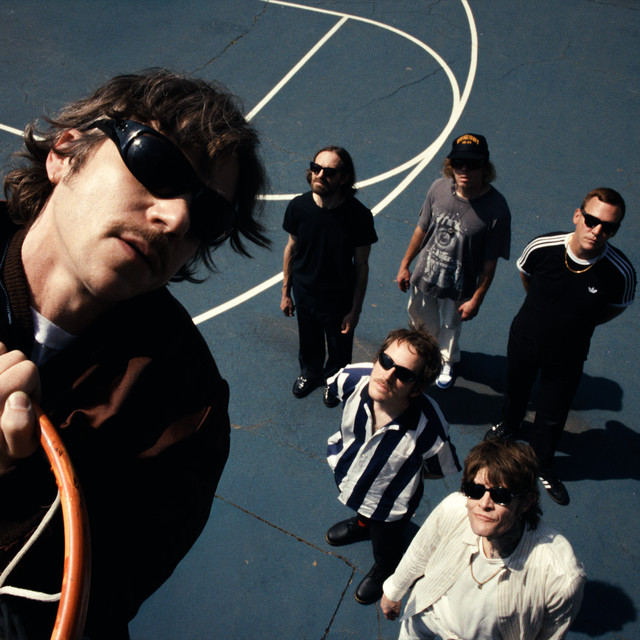
Cage The Elephant
Punk Blues
Indie Rock
Rock
4
/5
Duster
Slowcore
Rock
Alternative Rock
4
/5
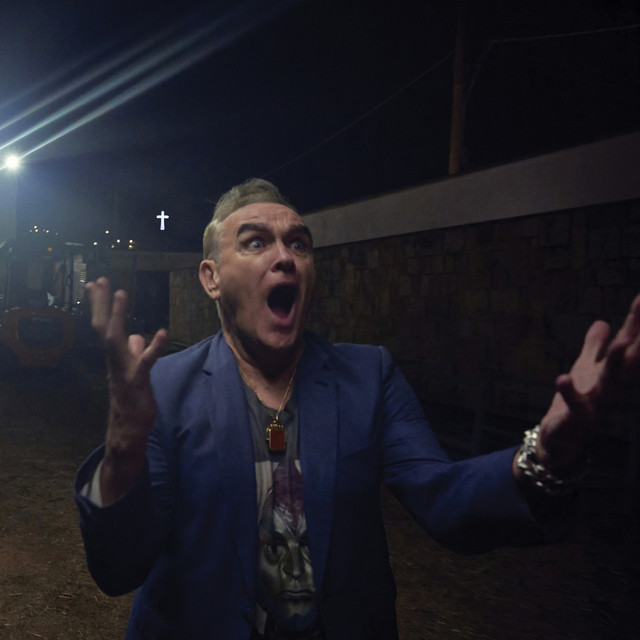
Morrissey
Jangle Pop
Solo Wave
Rock
3
/5
honeydip
Shoegaze
Indie Dream Pop
Indie Shoegaze
2
/5
Roy Montgomery
Space Rock
Drone
Indie Shoegaze
3
/5
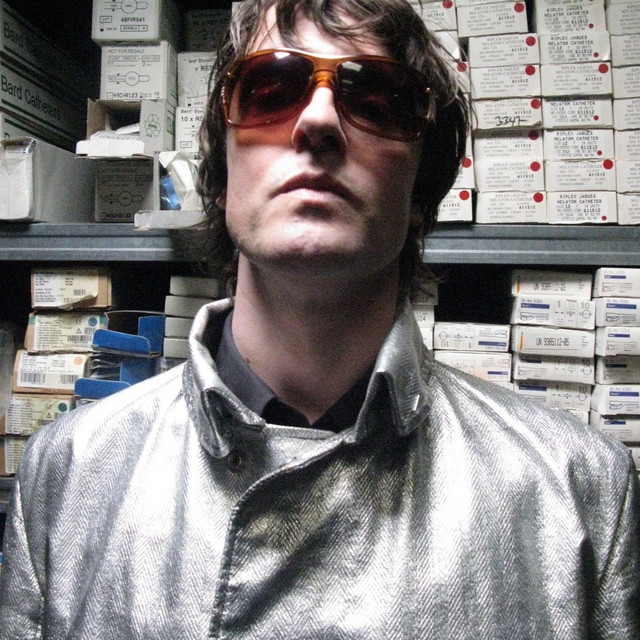
Spiritualized
Space Rock
Dream Pop
Neo-Psychedelia
Download our mobile app
Get the Melodigging app and start digging for new genres on the go
Download on the App Store
Get it on Google Play
© 2026 Melodigging
Give feedback
Legal
Melodding was created as a tribute to
Every Noise at Once
, which inspired us to help curious minds keep digging into music's ever-evolving genres.