Genres
Artists
Albums
Make Music
Sign in
Sign in
Artists
Vaudeville
Artists
Vaudeville
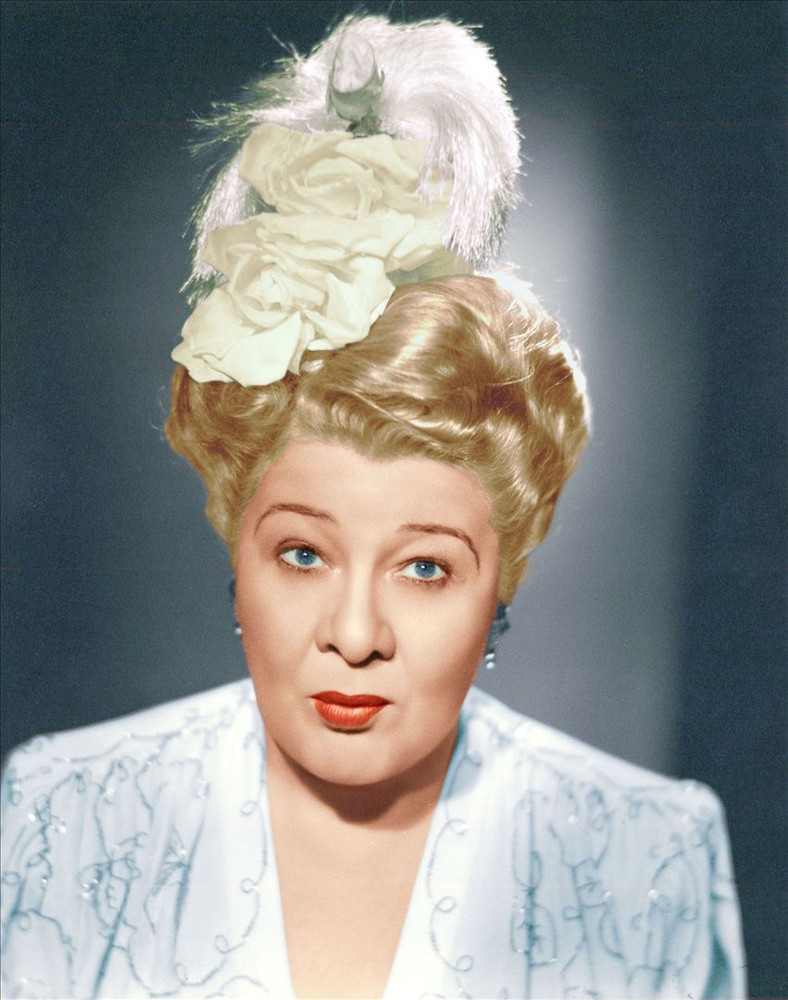
Sophie Tucker
2009
·
1 album
Listen
2
/5
Genres
Traditional Pop
Traditional pop is the pre–rock and roll mainstream of American popular song, centered on the Great American Songbook and the crooner/orchestral style that dominated radio, records, and film musicals from the 1930s through the 1950s. It favors memorable melodies, elegant lyrics (often about romance), and lush arrangements for strings, woodwinds, and big band rhythm sections. Singers use close‑mic "crooning" to deliver expressive, legato phrasing over jazz‑tinged harmonies and steady, unhurried grooves. Typical forms include the 32‑bar AABA standard, with sophisticated but accessible harmony (secondary dominants, ii–V–I cycles, tasteful modulations) and an emphasis on interpretation—how the vocalist shades timing, dynamics, and diction to make a familiar song feel personal.
Discover
Listen
Vocal Jazz
Vocal jazz is a jazz tradition in which the human voice is treated as an instrument—matching the phrasing, articulation, and timbral nuance of horns or piano. Singers often improvise melodically and rhythmically, including using scat singing (nonsense syllables) to emulate instrumental solos. At the same time, many vocal‑jazz performances favor traditional, pop‑leaning song structures and clear lyric delivery, reducing the overall role of extended improvisation compared with small‑group instrumental jazz. Repertoires frequently draw from Tin Pan Alley and Broadway standards (the Great American Songbook), rendered with swing, ballad, or Latin feels.
Discover
Listen
Ragtime
Ragtime is an African American–rooted piano style that flourished from the 1890s to the 1910s, characterized by lively syncopation in the right hand against a steady, march-like “oom‑pah” accompaniment in the left hand. Typically written in 2/4 or 4/4 time and notated with straight (unswung) eighth notes, classic rags unfold in multiple 16‑bar strains, often in the form AABBACCDD. The music draws on cakewalk rhythms, marching-band forms, and popular song, and it became a sensation through sheet music, piano rolls, and parlor performance. Scott Joplin, known as the “King of Ragtime,” helped codify the genre’s refined, compositional approach, calling for moderate tempos and a clear, singing melody. Beyond solo piano, ragtime was arranged for small ensembles and orchestras, found a home in vaudeville and dance halls, and laid essential groundwork for early jazz, stride piano, and much of 20th‑century American popular music.
Discover
Listen
Vaudeville
Vaudeville is a late‑19th to early‑20th‑century American variety stage tradition whose musical side blends comic songs, patter numbers, novelty tunes, sentimental ballads, ragtime interludes, and ensemble finales. It emphasized catchy melodies, memorable refrains, and clear diction so songs could land immediately with live audiences. Typical accompaniment was piano (often with a small pit ensemble of strings, reeds, and light percussion). Song forms favored verse–chorus and 32‑bar AABA structures, with simple diatonic harmony embellished by secondary dominants and ragtime‑style syncopation. Lyrics leaned into topical humor, character monologues, dialect turns (now recognized as historically problematic), and direct audience address. Unlike bawdier burlesque, vaudeville marketed itself as “family entertainment,” integrating music with comedy, dance, specialty acts, and novelty performance. Its stages and circuits incubated the American popular song, connected sheet‑music publishers with performers, and supplied early film and radio with talent and repertoire.
Discover
Listen
Cabaret
Cabaret is an intimate form of stage entertainment centered on songs, witty monologues, satire, and character pieces, typically presented in small rooms with table seating and a master of ceremonies. Performers address the audience directly, and the atmosphere is conversational, risqué, and often politically or socially pointed. Musically, cabaret blends the French chanson tradition with Weimar-era “Kabarett” and, later, American torch-song and jazz idioms. Arrangements are usually piano-led with small ensembles (accordion, violin, clarinet, upright bass, light percussion), supporting nuanced storytelling and dramatic delivery. Vocal approaches range from parlando (speech-like) delivery to a smoky croon. Common grooves include waltz and musette-inflected 3/4, tango and habanera patterns, foxtrot, and slow blues; harmonies are tonal with chromatic color and expressive rubato. Lyrics favor irony, double entendre, longing, and social commentary.
Discover
Listen
Albums
2009
1
/5
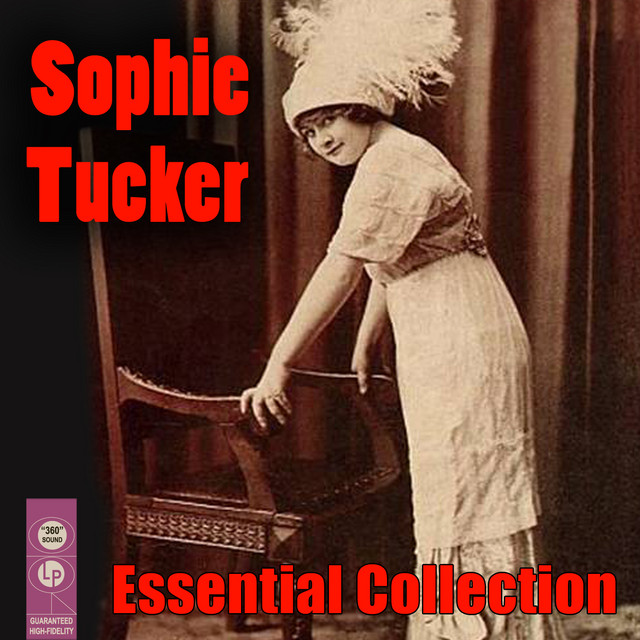
Essential Collection
Sophie Tucker
Vaudeville
Similar artists
1
/5
Various Artists
Afro-Funk
Alternative Rock
Ambient
1
/5
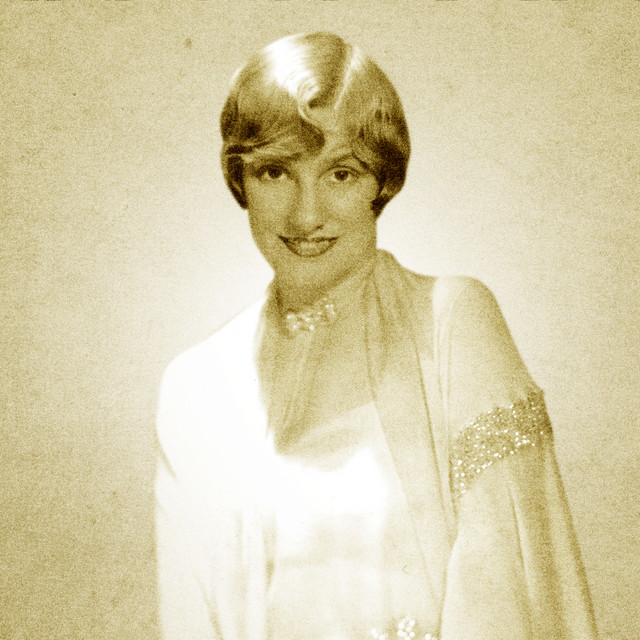
Marion Harris
Vaudeville
Ragtime
Vocal Jazz
3
/5
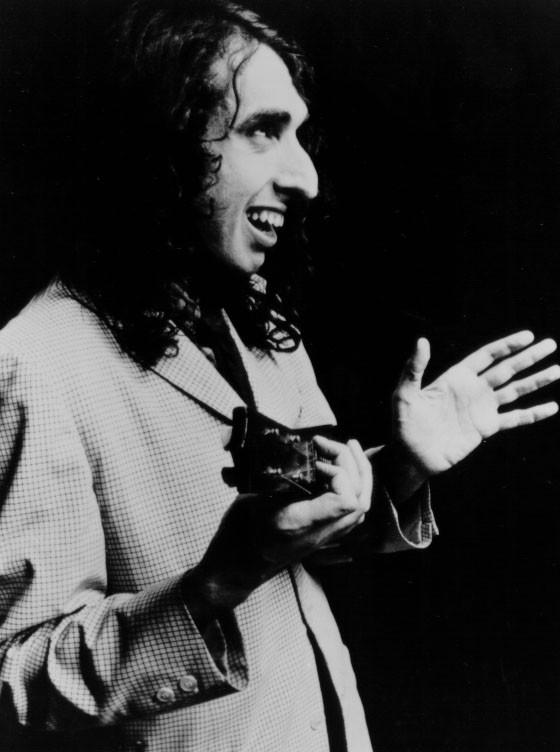
Tiny Tim
Outsider
Analog Horror
Rock
4
/5
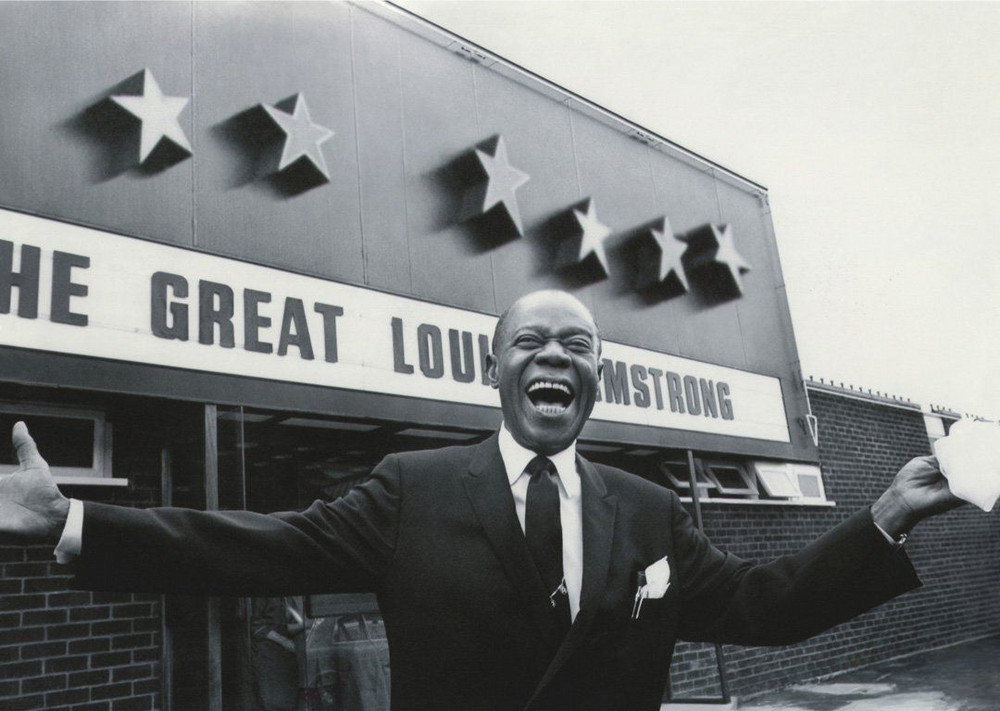
Louis Armstrong
Dixieland
Harlem Renaissance
Jazz Trumpet
4
/5
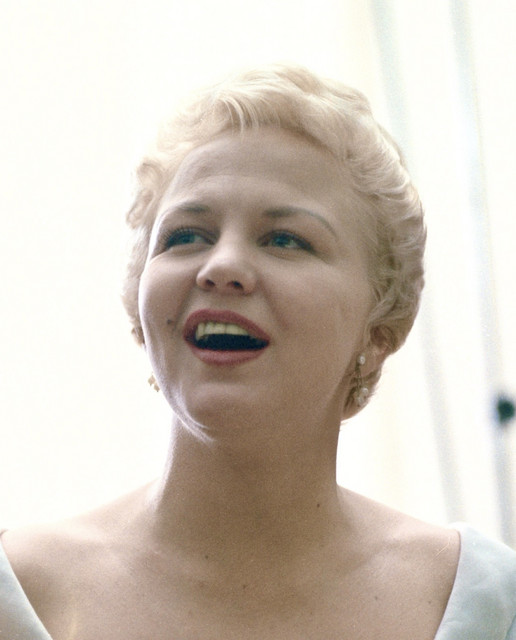
Peggy Lee
Big Band
Vocal Jazz
Jazz
2
/5
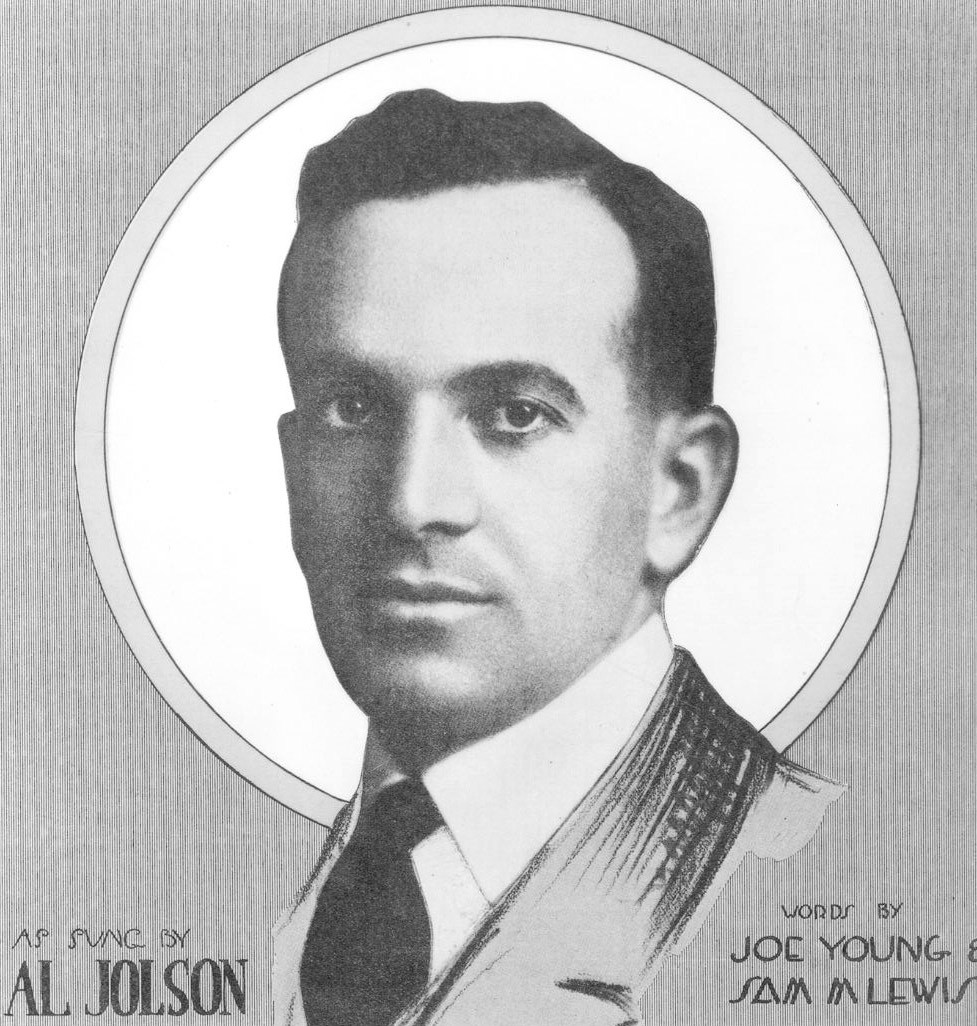
Al Jolson
Music Hall
Vaudeville
Tin Pan Alley
2
/5
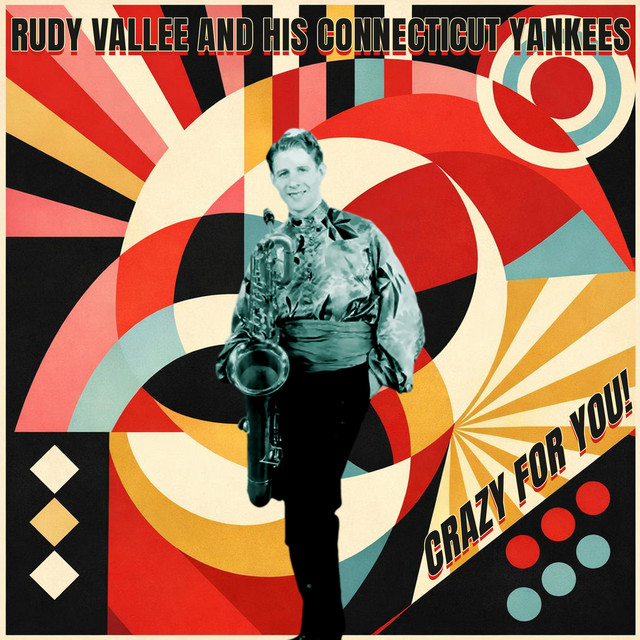
Rudy Vallee and His Connecticut Yankees
Vaudeville
British Dance Band
Ragtime
2
/5
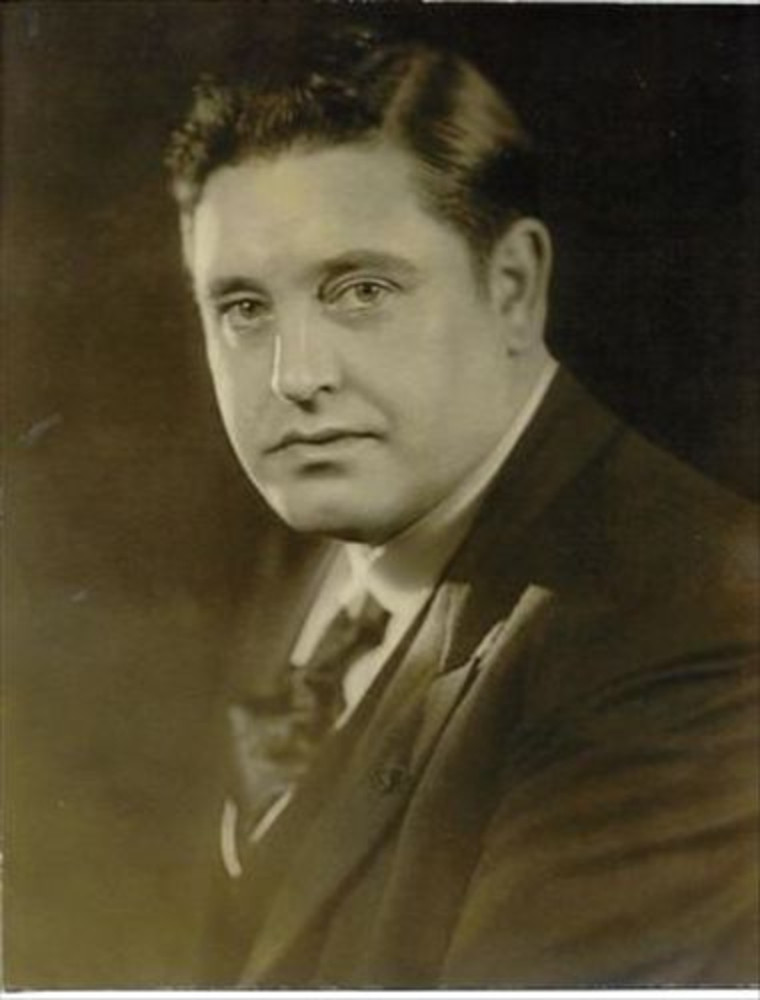
John McCormack
Vaudeville
Ragtime
Music Hall
1
/5
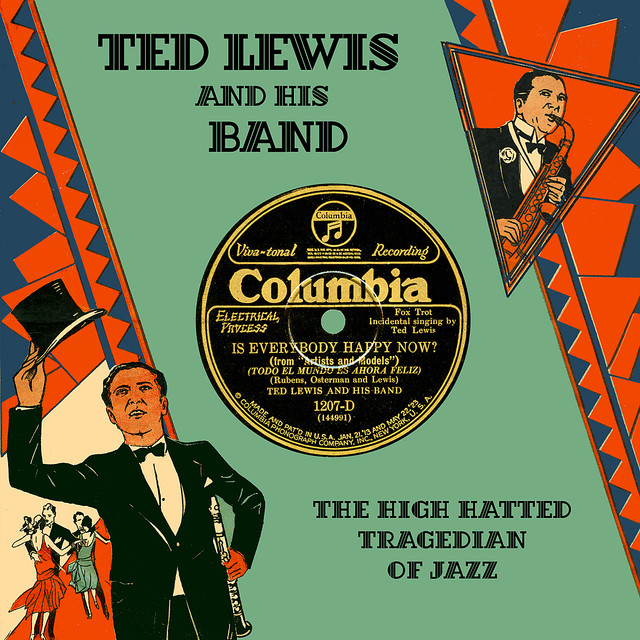
Ted Lewis
Vaudeville
Big Band
Ragtime
2
/5
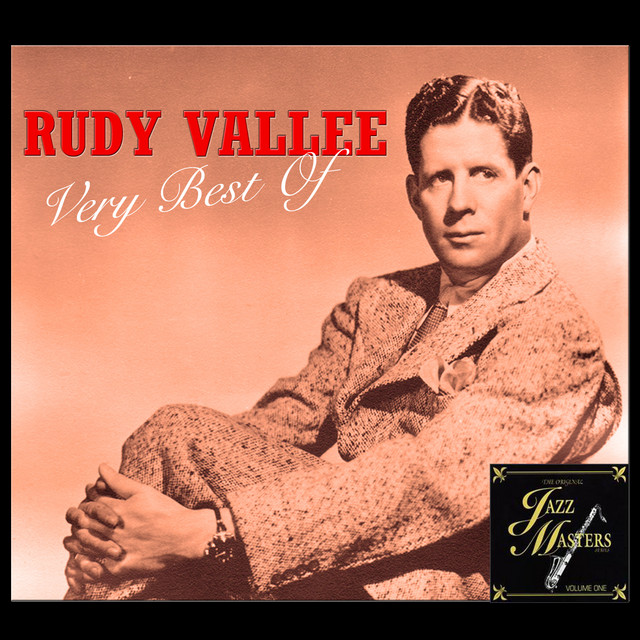
Rudy Vallee
Vaudeville
Big Band
British Dance Band
Download our mobile app
Get the Melodigging app and start digging for new genres on the go
Download on the App Store
Get it on Google Play
© 2026 Melodigging
Give feedback
Legal
Melodding was created as a tribute to
Every Noise at Once
, which inspired us to help curious minds keep digging into music's ever-evolving genres.