Genres
Artists
Albums
Make Music
Sign in
Sign in
Artists
Vaudeville
Artists
Vaudeville
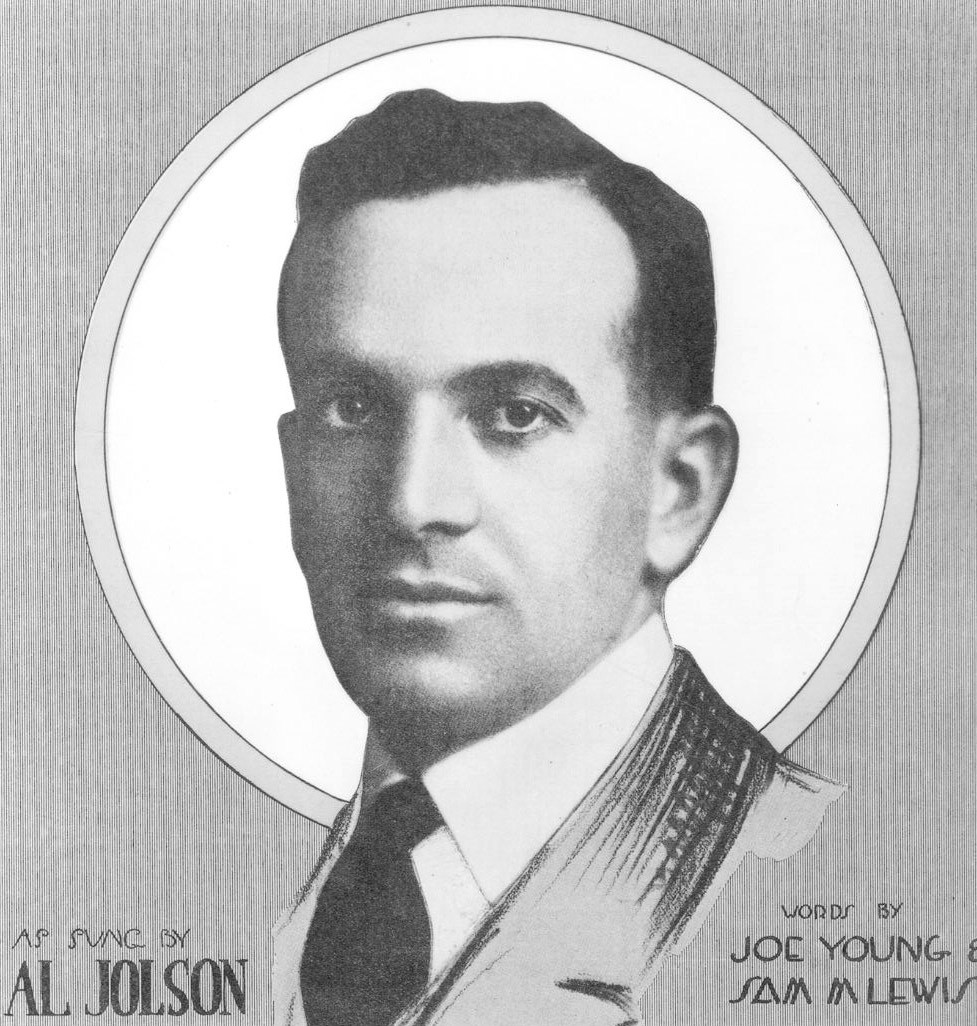
Al Jolson
1912–2017
·
7 albums
Listen
2
/5
Genres
Social Media Pop
Social media pop is contemporary pop music engineered for discovery, consumption, and participation on social platforms such as YouTube, Vine, Musical.ly/TikTok, Instagram Reels, and Shorts. It prioritizes instantly memorable hooks, trend‑friendly beats, and highly quotable one‑liners that can be clipped into 10–30 second moments. Sonically, it blends glossy dance‑pop and electropop with bedroom‑pop intimacy, trap‑leaning drums, and hyperpop‑adjacent vocal processing (pitch shifts, formant play, layered doubles). Tracks are short (often 2–3 minutes), introduce the chorus or a micro‑hook within the first 5–15 seconds, and often arrive in multiple versions (sped‑up, slowed + reverb, acoustic, “performance” edits) tailored to platform algorithms. Lyrically it favors diaristic, first‑person writing and parasocial immediacy—relatable snapshots of romance, self‑doubt, glow‑ups, and nostalgia—crafted to soundtrack dances, memes, POV skits, and other user‑generated trends.
Discover
Listen
Pop
Pop is a broad, hook-driven style of popular music designed for wide appeal. It emphasizes memorable melodies, concise song structures, polished vocals, and production intended for radio, charts, and mass media. While pop continually absorbs elements from other styles, its core remains singable choruses, accessible harmonies, and rhythmic clarity. Typical forms include verse–pre-chorus–chorus, frequent use of bridges and middle-eights, and ear-catching intros and outros. Pop is not defined by a single instrumentation. It flexibly incorporates acoustic and electric instruments, drum machines, synthesizers, and increasingly digital production techniques, always in service of the song and the hook.
Discover
Listen
Traditional Pop
Traditional pop is the pre–rock and roll mainstream of American popular song, centered on the Great American Songbook and the crooner/orchestral style that dominated radio, records, and film musicals from the 1930s through the 1950s. It favors memorable melodies, elegant lyrics (often about romance), and lush arrangements for strings, woodwinds, and big band rhythm sections. Singers use close‑mic "crooning" to deliver expressive, legato phrasing over jazz‑tinged harmonies and steady, unhurried grooves. Typical forms include the 32‑bar AABA standard, with sophisticated but accessible harmony (secondary dominants, ii–V–I cycles, tasteful modulations) and an emphasis on interpretation—how the vocalist shades timing, dynamics, and diction to make a familiar song feel personal.
Discover
Listen
Big Band
Big band is a large-ensemble style of jazz and popular dance music built around brass, reed, and rhythm sections playing arranged parts. Typical instrumentation includes five saxophones (often doubling clarinet/flute), four trombones, four trumpets, and a rhythm section of piano, guitar, upright bass, and drum set. The music emphasizes swing rhythms, call-and-response between sections, riff-based writing, and dramatic shout choruses, while leaving space for improvised solos. Born in American ballrooms and theaters, big band became the sound of the Swing Era, providing both music for dancing and a platform for sophisticated arranging and orchestration that shaped much of 20th‑century jazz and popular music.
Discover
Listen
British Dance Band
British dance band refers to the polished, hotel-ballroom and radio-friendly dance orchestras active primarily in Britain during the 1920s and 1930s. Characterized by smooth, tightly arranged versions of foxtrots, waltzes, quicksteps, and tangos, the style blended American jazz-dance band idioms with British light-music and music-hall sensibilities. Improvisation was usually restrained in favor of clear melody, elegant voicings, and reliable “strict-tempo” rhythms designed for social dancing. Typical ensembles featured saxophones (often clarinet doubles), trumpets, trombone, violins, piano, banjo or guitar, string bass or tuba, and drums—sometimes with a crooner or vocal trio. The sound was urbane and genteel, popularized via prestigious hotel residencies (e.g., the Savoy) and BBC broadcasts, and it helped standardize many songs that later became part of the Great British and American songbooks.
Discover
Listen
Vocal Jazz
Vocal jazz is a jazz tradition in which the human voice is treated as an instrument—matching the phrasing, articulation, and timbral nuance of horns or piano. Singers often improvise melodically and rhythmically, including using scat singing (nonsense syllables) to emulate instrumental solos. At the same time, many vocal‑jazz performances favor traditional, pop‑leaning song structures and clear lyric delivery, reducing the overall role of extended improvisation compared with small‑group instrumental jazz. Repertoires frequently draw from Tin Pan Alley and Broadway standards (the Great American Songbook), rendered with swing, ballad, or Latin feels.
Discover
Listen
Blues
Blues is an African American musical tradition defined by expressive "blue notes," call-and-response phrasing, and a characteristic use of dominant-seventh harmony in cyclical song forms (most famously the 12‑bar blues). It is as much a feeling as a form, conveying sorrow, resilience, humor, and hard-won joy. Musically, blues commonly employs the I–IV–V progression, swung or shuffled rhythms, and the AAB lyric stanza. Melodies lean on the minor/major third ambiguity and the flattened fifth and seventh degrees. Core instruments include voice, guitar (acoustic or electric), harmonica, piano, bass, and drums, with slide guitar, bends, and vocal melismas as signature techniques. Over time the blues has diversified into regional and stylistic currents—Delta and Piedmont country blues, urban Chicago and Texas blues, West Coast jump and boogie-woogie—while profoundly shaping jazz, rhythm & blues, rock and roll, soul, funk, and much of modern popular music.
Discover
Listen
Tin Pan Alley
Tin Pan Alley refers to the late‑19th- and early‑20th‑century New York music‑publishing hub that industrialized the creation and promotion of American popular song. Centered around West 28th Street in Manhattan, publishers and song pluggers churned out catchy tunes for mass sheet‑music sales and vaudeville performance. Musically, Tin Pan Alley songs favored memorable melodies, clear hooks, and singable ranges, often set in 3/4 waltz time or 4/4 with light syncopation picked up from ragtime. The prevailing 32‑bar AABA form became a defining template, with diatonic harmony enriched by secondary dominants, circle‑of‑fifths motion, and occasional modulations. Culturally, Tin Pan Alley fed Broadway revues, vaudeville circuits, and later radio and film, laying the foundation of the Great American Songbook. Its output ranges from romantic ballads to novelty numbers and uptempo dance songs, shaping the language of American popular music for decades.
Discover
Listen
Ragtime
Ragtime is an African American–rooted piano style that flourished from the 1890s to the 1910s, characterized by lively syncopation in the right hand against a steady, march-like “oom‑pah” accompaniment in the left hand. Typically written in 2/4 or 4/4 time and notated with straight (unswung) eighth notes, classic rags unfold in multiple 16‑bar strains, often in the form AABBACCDD. The music draws on cakewalk rhythms, marching-band forms, and popular song, and it became a sensation through sheet music, piano rolls, and parlor performance. Scott Joplin, known as the “King of Ragtime,” helped codify the genre’s refined, compositional approach, calling for moderate tempos and a clear, singing melody. Beyond solo piano, ragtime was arranged for small ensembles and orchestras, found a home in vaudeville and dance halls, and laid essential groundwork for early jazz, stride piano, and much of 20th‑century American popular music.
Discover
Listen
Vaudeville
Vaudeville is a late‑19th to early‑20th‑century American variety stage tradition whose musical side blends comic songs, patter numbers, novelty tunes, sentimental ballads, ragtime interludes, and ensemble finales. It emphasized catchy melodies, memorable refrains, and clear diction so songs could land immediately with live audiences. Typical accompaniment was piano (often with a small pit ensemble of strings, reeds, and light percussion). Song forms favored verse–chorus and 32‑bar AABA structures, with simple diatonic harmony embellished by secondary dominants and ragtime‑style syncopation. Lyrics leaned into topical humor, character monologues, dialect turns (now recognized as historically problematic), and direct audience address. Unlike bawdier burlesque, vaudeville marketed itself as “family entertainment,” integrating music with comedy, dance, specialty acts, and novelty performance. Its stages and circuits incubated the American popular song, connected sheet‑music publishers with performers, and supplied early film and radio with talent and repertoire.
Discover
Listen
Music Hall
Music hall is a 19th- and early-20th-century British form of popular entertainment centered on comic songs, patter, novelty acts, and audience participation. It grew out of pub concert rooms and purpose-built halls where singers and comedians performed short, catchy numbers with memorable choruses. Its songs typically feature everyday themes, double entendre, and local dialects, supported by piano or small ensemble accompaniment. The style blends sentimental ballads with jaunty patter songs and marches, designed for communal singing and lively theatrical showmanship.
Discover
Listen
Minstrelsy
Minstrelsy is a 19th‑century American theatrical music genre centered on variety shows that combined songs, dances, comic banter, and skits. It is historically associated with blackface performance and traffic in racial caricature, which makes it a profoundly problematic yet influential part of U.S. popular music history. Musically, minstrel troupes favored a small, lively ensemble built around banjo, fiddle, bones (clappers), tambourine, and occasionally concertina or guitar. Songs typically used simple, memorable melodies and strong chorus hooks in verse‑chorus form, often with call‑and‑response patterns and danceable rhythms. The repertoire drew on Anglo‑Celtic balladry and parlor song while adopting syncopations, timbres, and participatory practices that originated in African American music.
Discover
Listen
Parlour Music
Parlour music is a 19th‑century popular style written for amateur performance in the home, typically in the domestic “parlour” of middle‑class households. It centers on singable melodies with piano accompaniment and was disseminated primarily through inexpensive sheet music rather than professional concert culture. Musically it favors strophic or verse‑chorus song forms, simple diatonic harmony with occasional tonic–dominant–subdominant motion, and pianistic textures such as arpeggios, Alberti bass, and oom‑pah patterns. Themes are sentimental and domestic—love, home, faith, nostalgia, and bereavement—and the pieces are designed to be technically attainable, emotionally expressive, and socially suitable for mixed‑ability performers.
Discover
Listen
Show all 13 genres
Albums
2017
1
/5
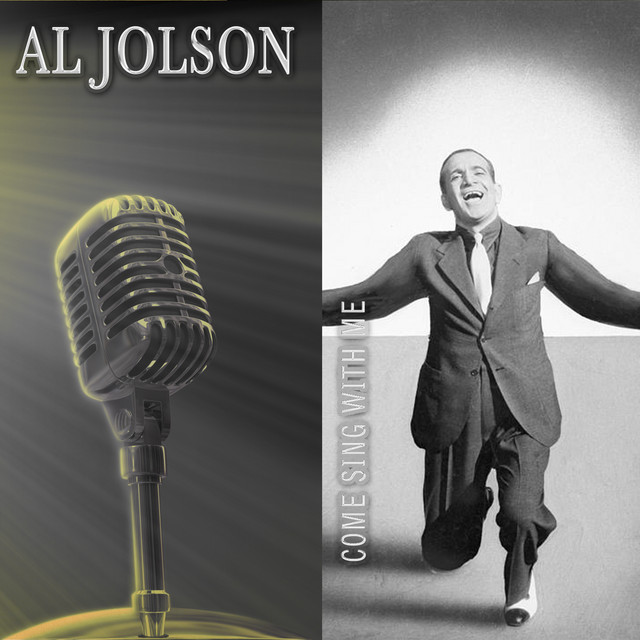
Come Sing with Me
Al Jolson
Vaudeville
2016
1
/5
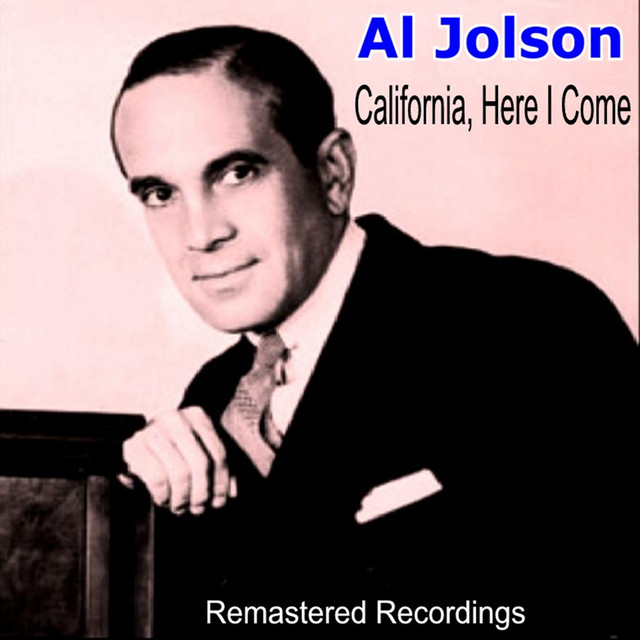
California, Here I Come
Al Jolson
Vaudeville
Music Hall
2009
1
/5
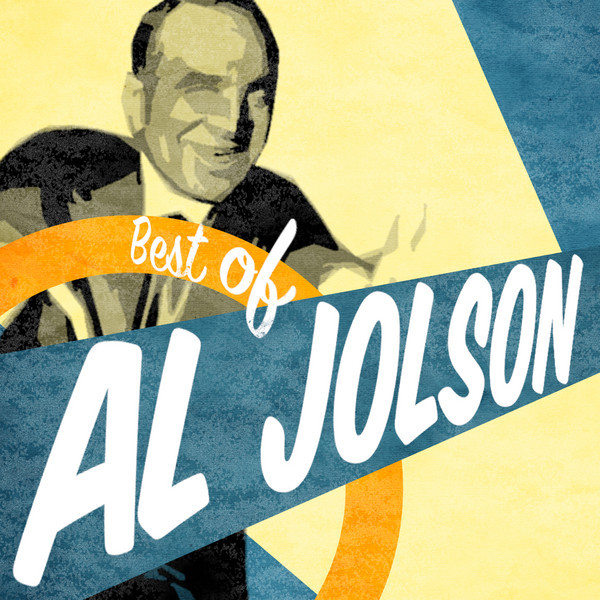
Best Of
Al Jolson
Vaudeville
1995
2
/5
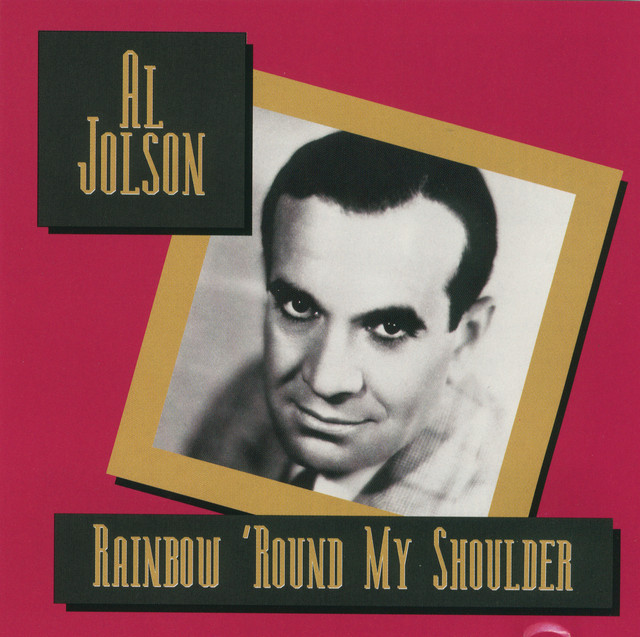
Rainbow 'Round My Shoulder
Al Jolson
Vaudeville
1950
1
/5
Stephen Foster Songs
Al Jolson
Minstrelsy
Parlour Music
1947
2
/5
Souvenir Album
Al Jolson
Tin Pan Alley
Vaudeville
1912
1
/5
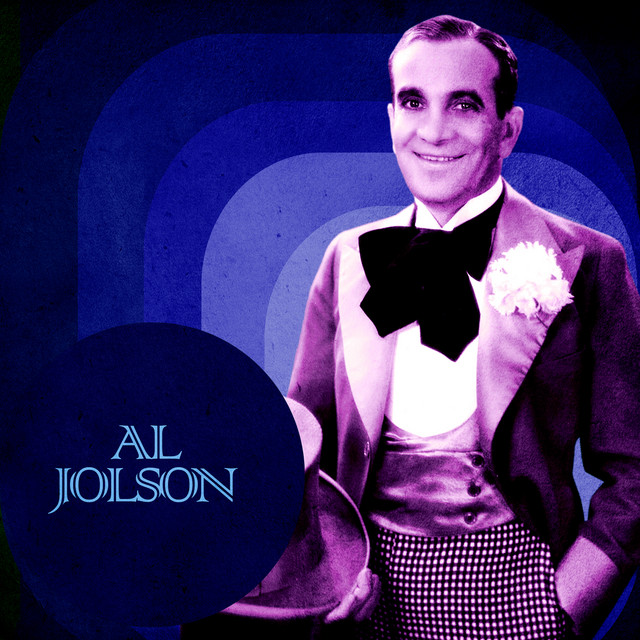
Presenting Al Jolson
Al Jolson
Vaudeville
Music Hall
Similar artists
1
/5
Various Artists
Afro-Funk
Alternative Rock
Ambient
2
/5
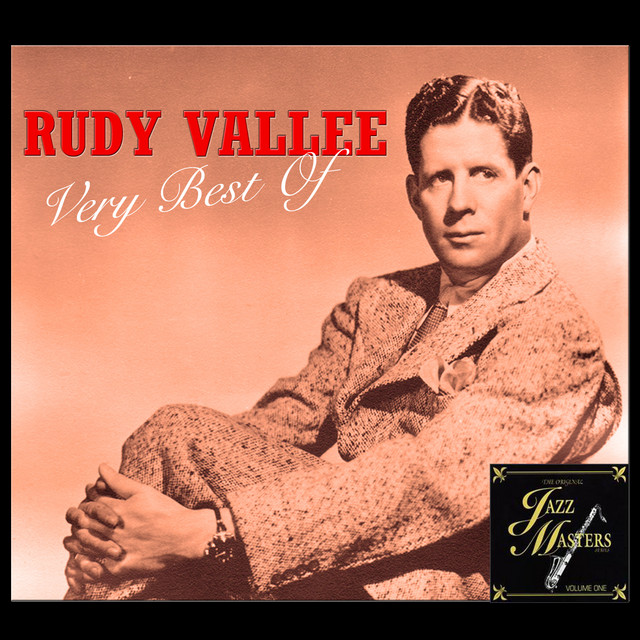
Rudy Vallee
Vaudeville
Big Band
British Dance Band
2
/5
Danny Kaye
Music Hall
Tin Pan Alley
Gamecore
2
/5
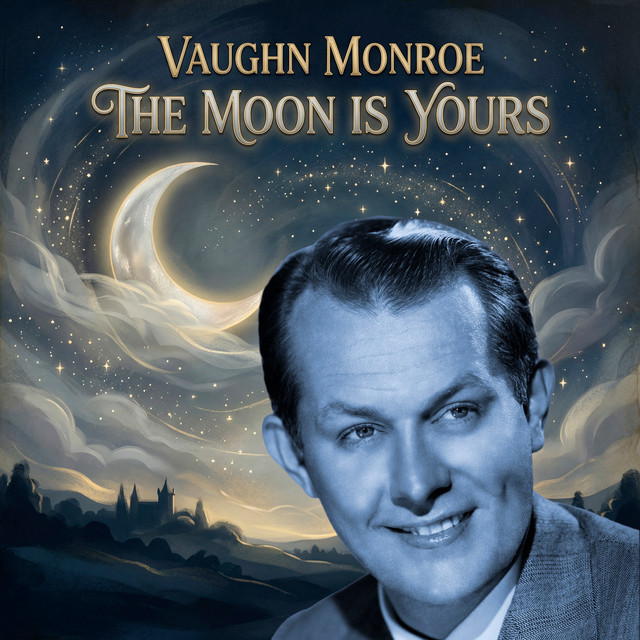
Vaughn Monroe
Vaudeville
Adult Standards
Big Band
1
/5
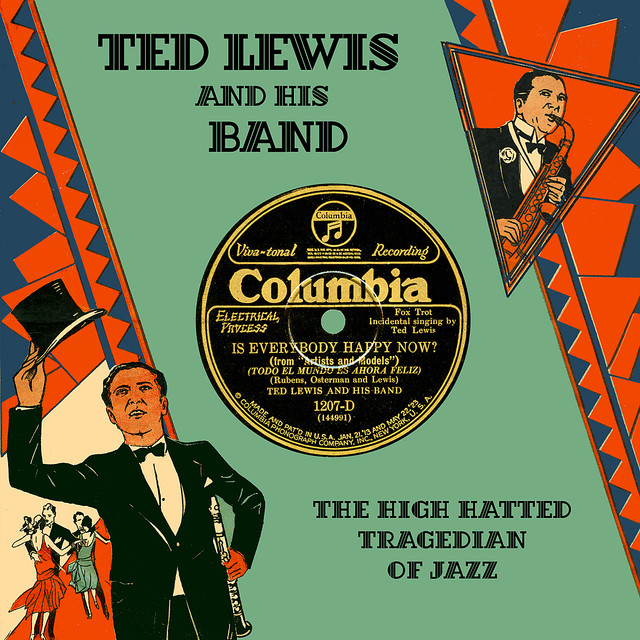
Ted Lewis
Vaudeville
Big Band
Ragtime
2
/5
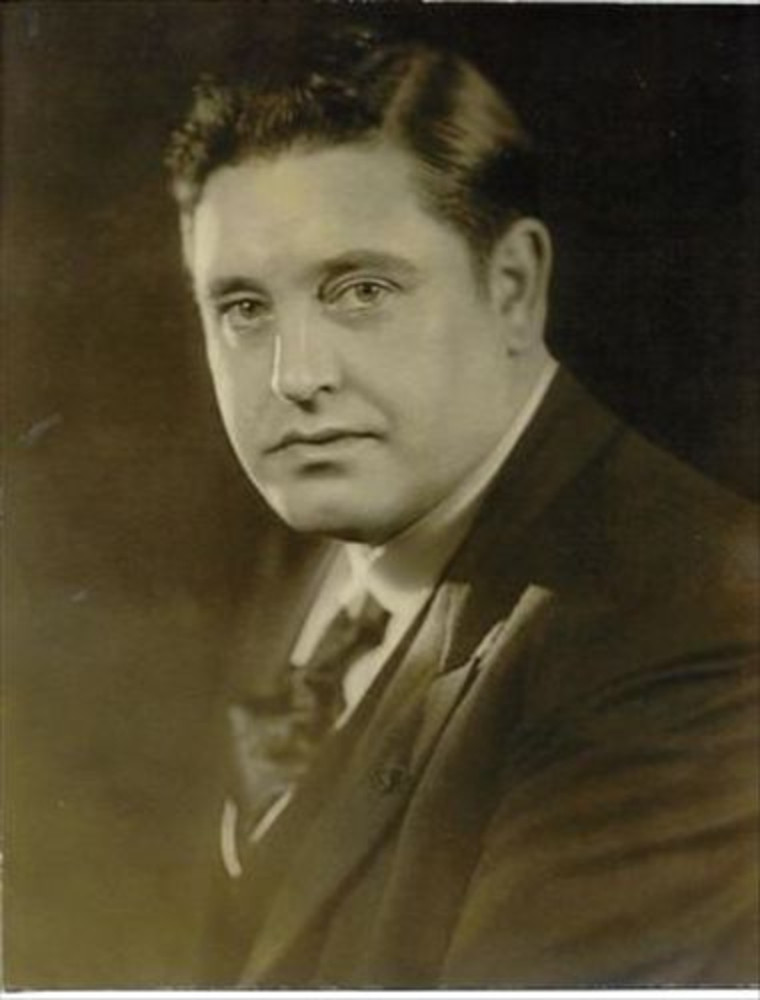
John McCormack
Vaudeville
Ragtime
Music Hall
2
/5
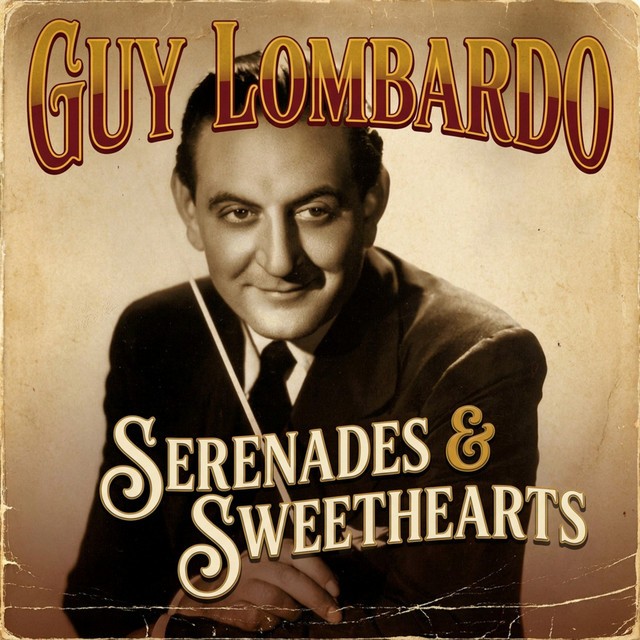
Guy Lombardo
Vaudeville
Big Band
British Dance Band
3
/5
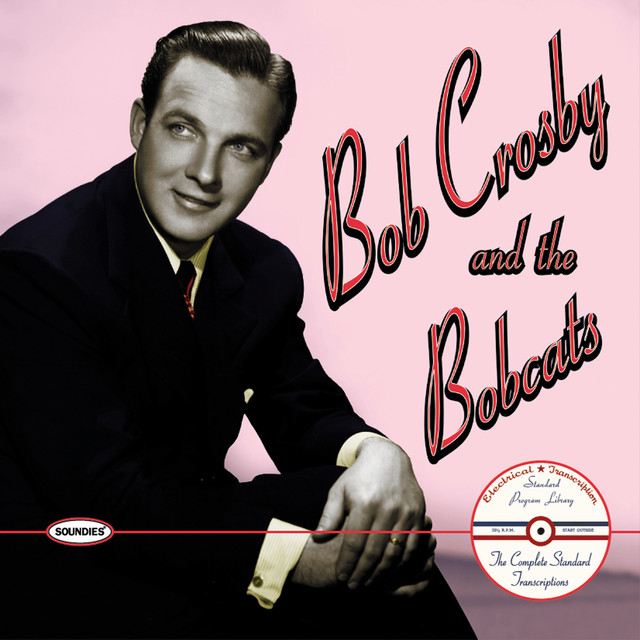
Bob Crosby & The Bob Cats
Big Band
Gamecore
Ragtime
2
/5
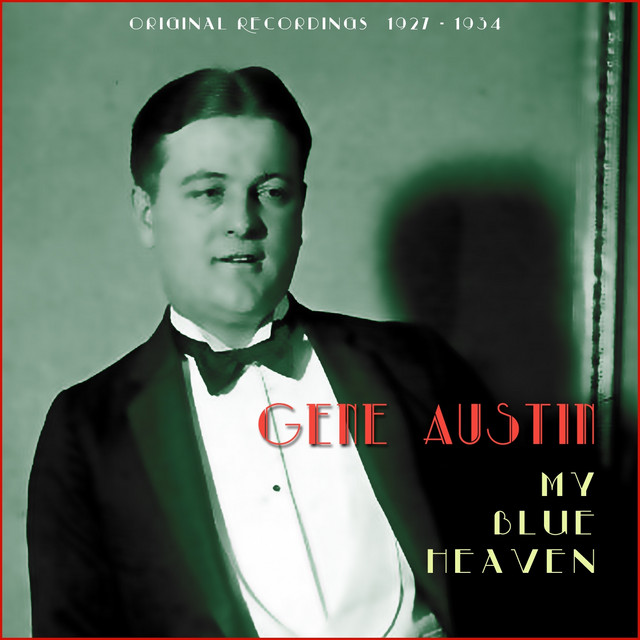
Gene Austin
British Dance Band
Ragtime
Tin Pan Alley
2
/5
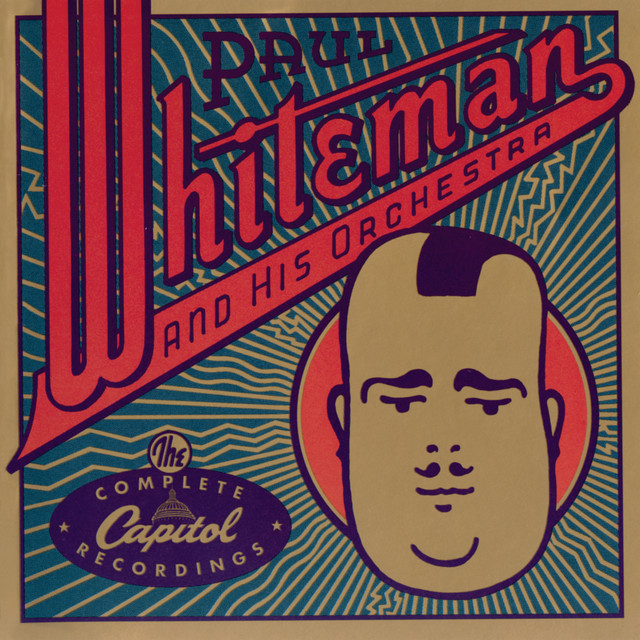
Paul Whiteman & His Orchestra
Big Band
British Dance Band
Ragtime
Download our mobile app
Get the Melodigging app and start digging for new genres on the go
Download on the App Store
Get it on Google Play
© 2026 Melodigging
Give feedback
Legal
Melodding was created as a tribute to
Every Noise at Once
, which inspired us to help curious minds keep digging into music's ever-evolving genres.