Genres
Artists
Albums
Make Music
Sign in
Sign in
Artists
Traditional Folk
Artists
Traditional Folk
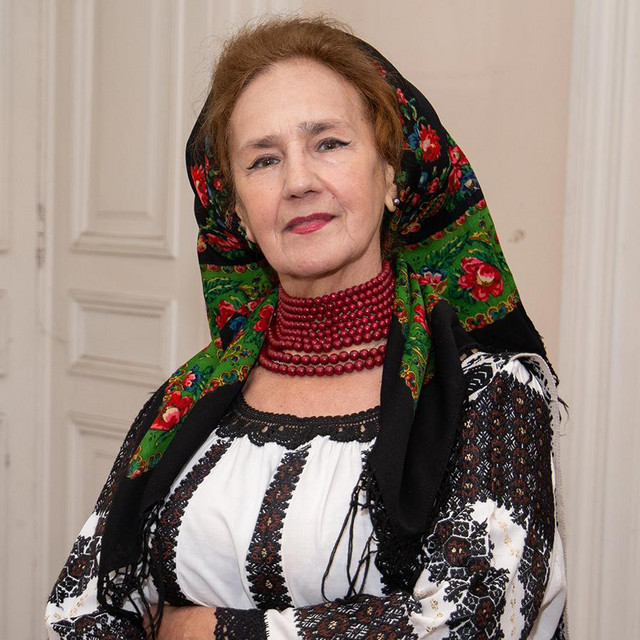
Sofia Vicoveanca
2004
·
1 album
Listen
2
/5
Genres
Traditional Folk
Traditional folk is a broad umbrella for orally transmitted songs and dance tunes that circulated in rural and working-class communities before the age of mass recording. Repertoires include narrative ballads, laments, love songs, work songs, lullabies, and instrumental dance sets such as reels, jigs, hornpipes, and marches. Stylistically, traditional folk favors strophic forms, pentatonic or modal melodies (often Dorian and Mixolydian), limited harmonic movement, and strong, memorable tunes designed for communal singing and dancing. Performances range from unaccompanied solo voice to small ensembles built around fiddle, flute/whistle, pipes, concertina/accordion, guitar, banjo, and frame drum. Ornamentation, variation by verse, and flexible tempo are integral, reflecting an oral tradition where songs live through continual reinterpretation. Although it is pan‑regional, the modern idea of “traditional folk” coalesced in the 19th century through collectors and revivalists who documented vernacular music and framed it as cultural heritage.
Discover
Listen
Bocet
Bocet is a Romanian ritual lament traditionally performed at wakes and funerals by female professional mourners known as bocitoare. It is an a cappella vocal form whose purpose is to express grief, honor the deceased, and guide their passage, functioning as both a personal outpouring and a communal act of mourning. Musically, bocet is characterized by free rhythm (parlando-rubato), a predominantly descending melodic motion, narrow ambitus, and intense melisma with sob-like ornaments, glottal breaks, and vocables (such as "vai" and "of"). The delivery favors a raw, crying timbre and microtonal inflections typical of regional Romanian folk practice. Texts are improvised or semi-improvised in the second person, addressing the departed, recounting their life and relationships, and expressing the survivors’ pain within a ritual framework.
Discover
Listen
Doina
Doina is a free-rhythm, highly ornamented, improvisatory song form from Romania (also found in Moldova and neighboring regions). Traditionally performed as an unmetered vocal lament or a rhapsodic instrumental solo, it foregrounds expressive rubato, melismas, and microtimbral nuance. Its melodies draw on modal pitch collections—often Dorian, Aeolian (natural minor), and, in many klezmer-influenced settings, the Ahava Rabbah/Hijaz (Phrygian dominant) mode with characteristic augmented seconds. Phrases expand and contract with breath and emotion rather than a fixed pulse, typically ending with a sighing descent to the tonic. Common timbres include solo voice, nai (pan flute), fluier (shepherd’s flute), violin, and, in lăutar ensembles, cobza and cimbalom; in klezmer contexts, clarinet or violin carries the doina. The piece can stand alone as an introspective lament or serve as a prelude to a lively dance tune (e.g., hora, sârba, or freylekhs).
Discover
Listen
Albums
2004
1
/5
Omule, pomule
Sofia Vicoveanca
Bocet
Doina
Similar artists
3
/5
Joan Baez
Folk
Rock
Folk Rock
3
/5
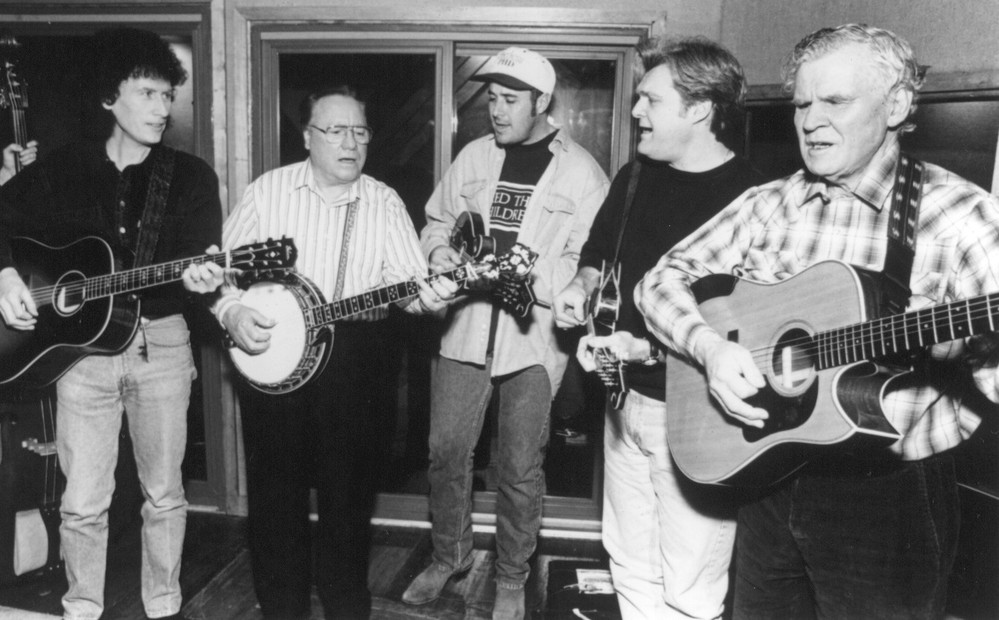
Doc Watson
Appalachian Folk
Bluegrass
Folk
3
/5
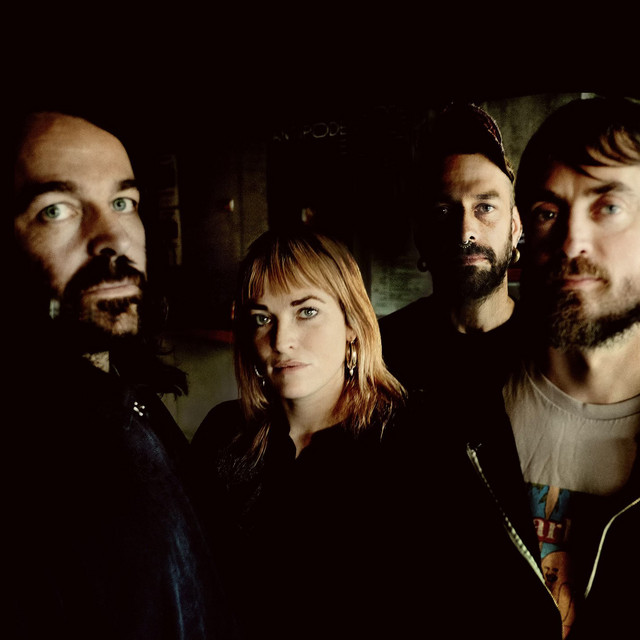
Lankum
Folk
Traditional Folk
Celtic
3
/5
Sam Shackleton
Traditional Folk
Folk
Bluegrass
3
/5
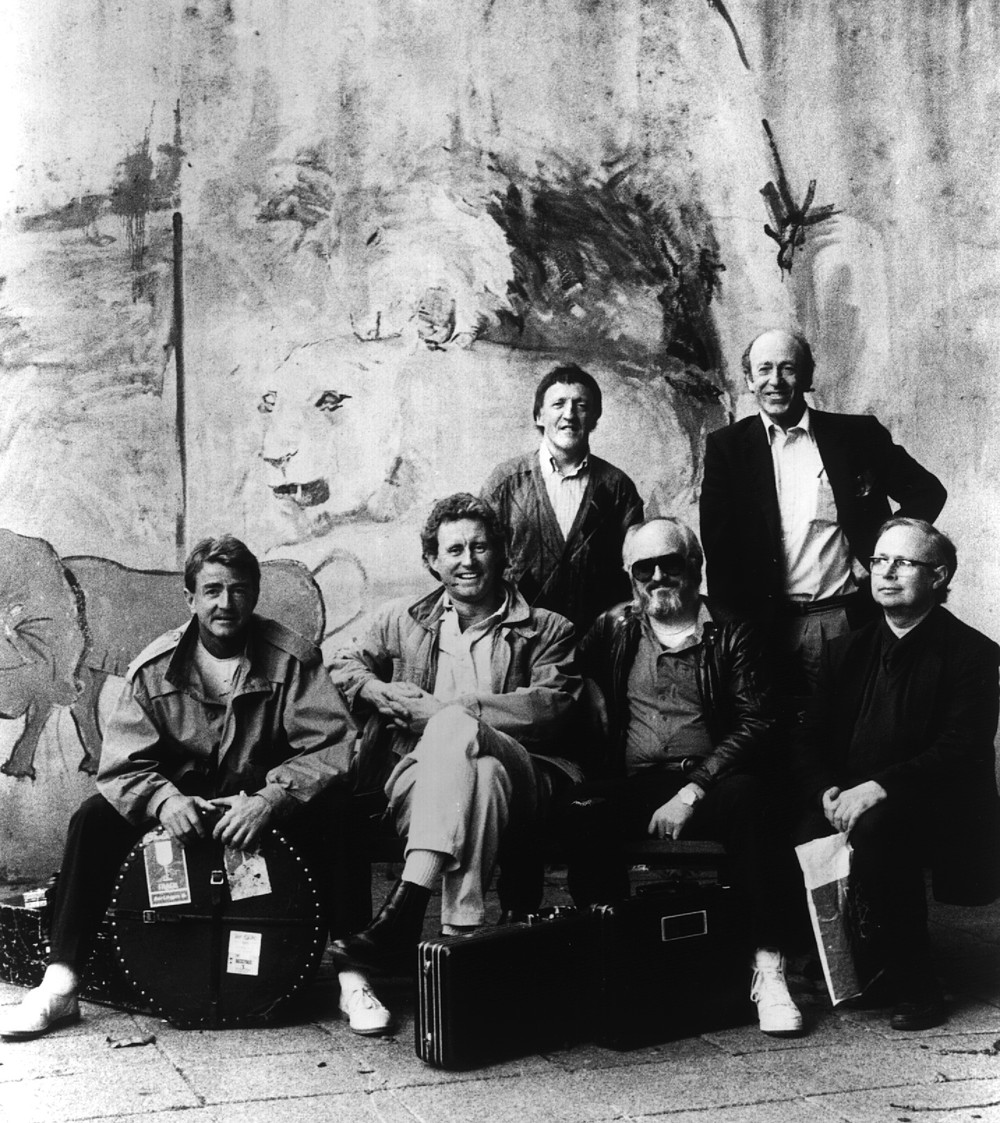
The Chieftains
Celtic
Folk
Irish Folk
3
/5
Stan Rogers
Folk
Canadian Folk Music
Canadian Maritime Folk
3
/5
Pete Seeger
Old-Time
Folk
Contemporary Folk
3
/5
Fairport Convention
Folk Rock
Folk
British Folk Rock
3
/5
The Fisherman’s Friends
Traditional Folk
Celtic
Folk
3
/5
Woody Guthrie
Folk
Americana
Children's Music
Download our mobile app
Get the Melodigging app and start digging for new genres on the go
Download on the App Store
Get it on Google Play
© 2026 Melodigging
Give feedback
Legal
Melodding was created as a tribute to
Every Noise at Once
, which inspired us to help curious minds keep digging into music's ever-evolving genres.