Genres
Artists
Albums
Make Music
Sign in
Sign in
Artists
Kizomba
Artists
Kizomba
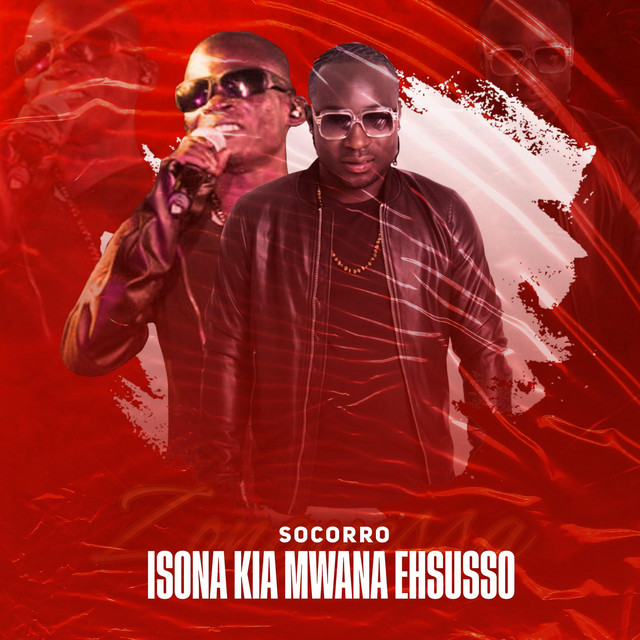
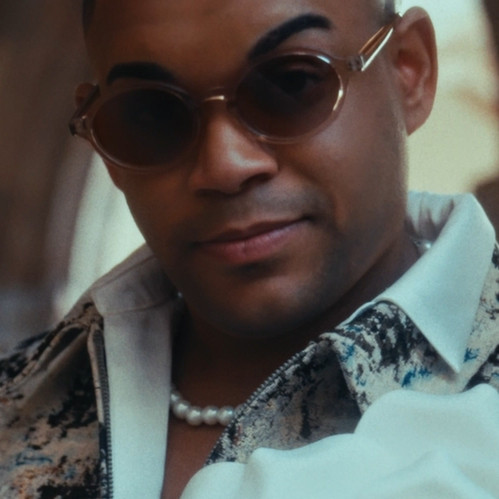
Socorro
Listen
1
/5
Genres
Ndombolo
Ndombolo (also spelled dombolo) is a high‑energy Congolese dance music born from the 1990s soukous scene. It accelerates the classic Congolese rumba/soukous template, pushing the tempo, sharpening the rhythmic drive, and foregrounding hip‑swaying, pelvis‑led dance moves. Musically, ndombolo is marked by propulsive drum‑kit and conga patterns, bright interlocking electric guitars that launch into long, fast seben breaks, elastic bass lines, and catchy call‑and‑response vocals—often in Lingala with French catchphrases. Atalaku (hype‑men) add spirited shouts and dance commands that stoke the crowd. The overall sound is upbeat, percussion‑driven, and tailor‑made for the dancefloor. By the mid‑1990s and 2000s the style dominated clubs across Central, Eastern, and parts of Western Africa, becoming a pan‑African dance craze and a reference point for subsequent urban dance‑pop styles.
Discover
Listen
Kizomba
Kizomba is a smooth, romantic dance-music style that originated in Angola, blending the melodic sensibilities of local semba with the lush, slow-tempo grooves of Caribbean zouk. Typically set in 4/4 time around 86–100 BPM, it emphasizes a deep, round sub‑bass, sparse drum programming, and gently syncopated percussion that encourages close, flowing partner movement. Arrangements favor silky synth pads, clean electric guitar arpeggios or comping, and R&B-influenced vocals in Portuguese and other Angolan or Cape Verdean languages. Lyrical themes gravitate to love, intimacy, nostalgia, and urban life. Over time, kizomba diversified into substyles (such as the even sparser, bass-forward tarraxinha) and spread through the Lusophone diaspora, especially in Portugal, before becoming a global social-dance phenomenon.
Discover
Listen
Kuduro
Kuduro is a high-energy dance music and street culture that originated in Angola in the late 1980s and early 1990s. Its name comes from Angolan Portuguese, roughly meaning “hard butt,” a playful reference to the explosive, physically demanding dance moves and the hard-hitting, percussive beats that drive the style. Musically, kuduro fuses local Angolan rhythms with electronic dance music, hip hop, ragga/dancehall, and Caribbean influences like soca and zouk. Tracks typically sit around 140–150 BPM, feature pounding, syncopated kick patterns, claps on off-beats, chopped vocal shouts, sirens, and whistle FX. Harmony is sparse or loop-based; the focus is on rhythm, call-and-response MCing (in Portuguese and local languages), and relentless forward motion tailored for dance battles and street parties.
Discover
Listen
Traditional Music
Traditional music is an umbrella term used in the mid–20th century by folklorists and ethnomusicologists to denote community-rooted, orally transmitted repertoires tied to social ritual, work, celebration, and storytelling. Unlike commercial pop or art-music traditions, traditional music is typically learned by ear, varies regionally, and evolves slowly through communal participation. It often features modal melodies, cyclic rhythms, heterophony or unison singing, and indigenous instruments whose timbres are integral to local identity. Lyrics tend to preserve language, history, and collective memory. While the musical practices themselves can be ancient, the phrase “traditional music” emerged to replace earlier, narrower or colonial framings like “folk” or “ethnic” music, foregrounding continuity, locality, and living practice rather than exoticism.
Discover
Listen
Similar artists
1
/5
Diamantero
Afro House
Amapiano
Coupé-Décalé
1
/5
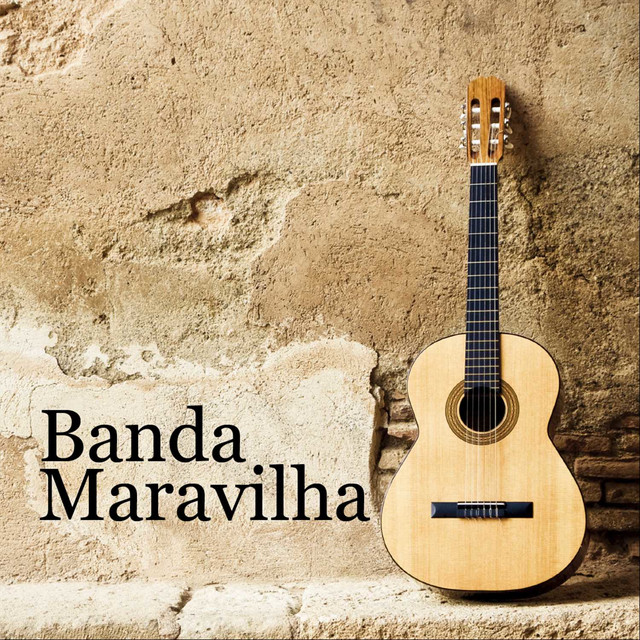
Banda Maravilha
Kizomba
Kuduro
Traditional Music
1
/5
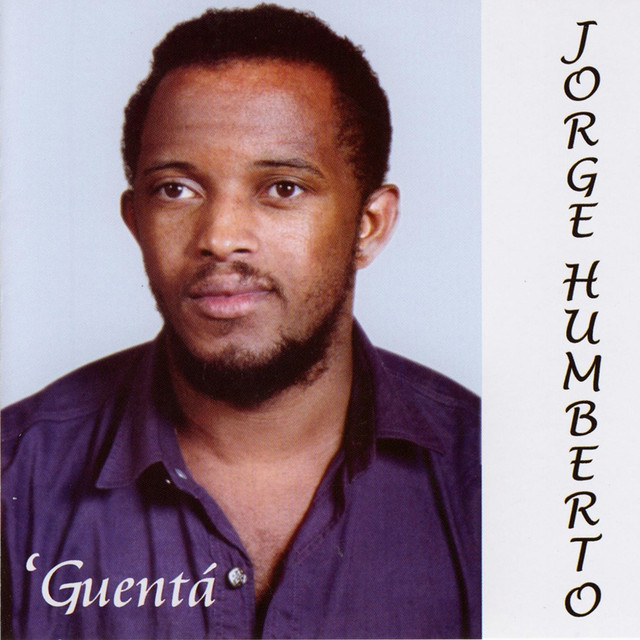
Jorge Humberto
Kizomba
Kuduro
Traditional Music
1
/5
Zecadegas
Kizomba
Kuduro
Traditional Music
3
/5
Badoxa
Kuduro
Kizomba
Zouk
3
/5
DJ Malvado
Afro House
Afro Tech
Kizomba
3
/5
Kaysha
Kizomba
Zouk Love
Basshall
3
/5
Nelson Freitas
Kizomba
Afrobeats
Cabo Zouk
3
/5
Anselmo Ralph
Semba
Kizomba
Kuduro
3
/5
DODDY
Afro House
Kizomba
Kuduro
Download our mobile app
Get the Melodigging app and start digging for new genres on the go
Download on the App Store
Get it on Google Play
© 2026 Melodigging
Give feedback
Legal
Melodding was created as a tribute to
Every Noise at Once
, which inspired us to help curious minds keep digging into music's ever-evolving genres.