Genres
Artists
Albums
Make Music
Sign in
Sign in
Artists
Afro House
Artists
Afro House
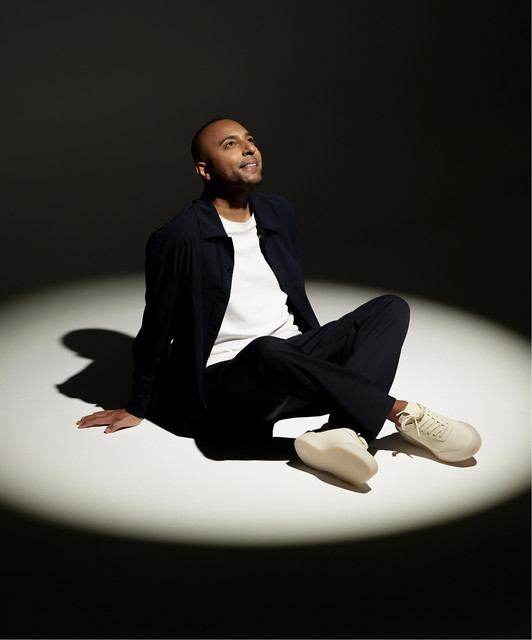
DODDY
Listen
3
/5
Genres
Maimouna
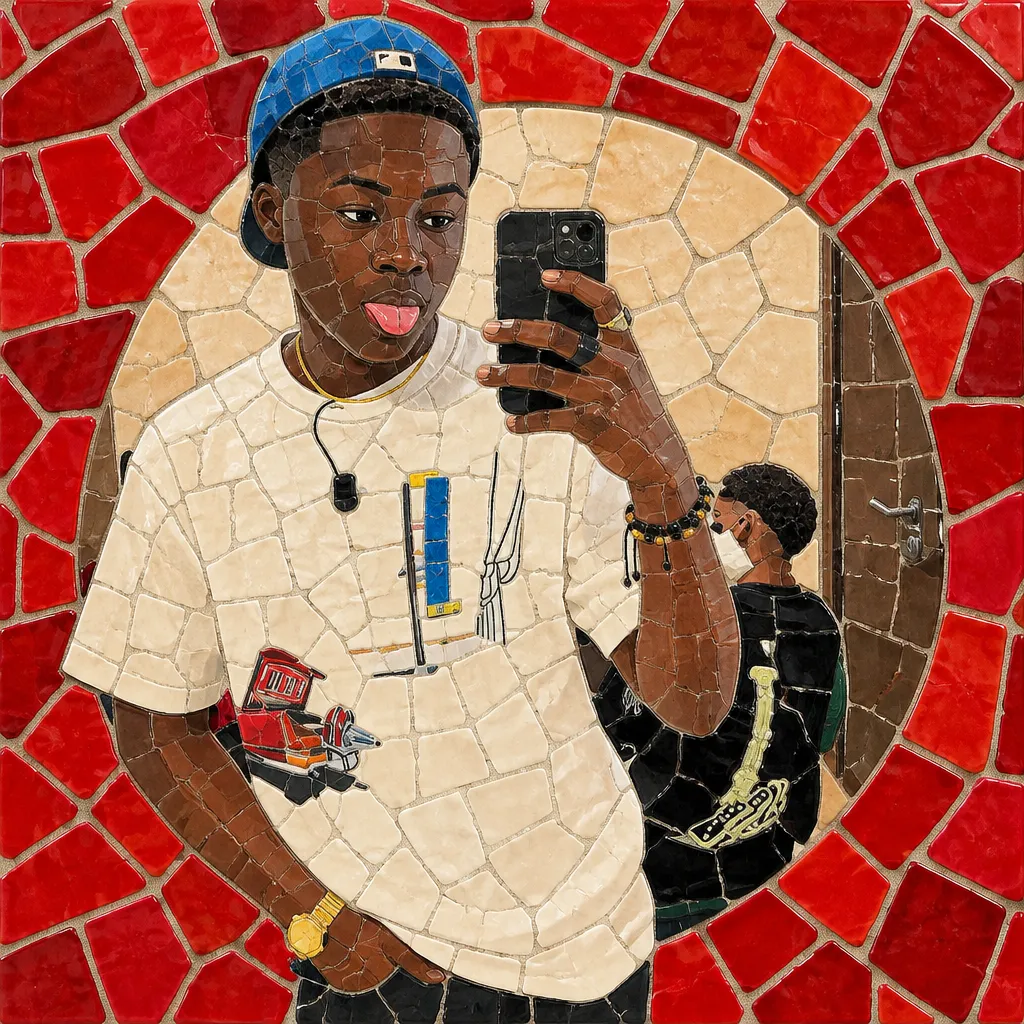
Maimouna is a contemporary Francophone West- and Central‑African club style and dance craze that emerged in the early 2020s, most strongly associated with Côte d’Ivoire’s hyperactive urban party scene. It blends upbeat Afropop songcraft with street‑level chant, call‑and‑response hooks, and kinetic, percussion‑forward beats designed for viral dance challenges. Typical tracks ride a mid‑fast 100–118 BPM groove with shaker and cowbell patterns, handclaps, snare rushes, and short synth stabs or guitar licks. Vocals often mix Nouchi (Ivorian street slang) with French, using playful boasts, dance instructions, and catchy refrains. The production is bright and punchy, favoring simple harmonic loops so the crowd‑energy, chants, and choreography lead the experience.
Discover
Listen
Latin Afrobeats
Latin Afrobeats is a hybrid of West African Afrobeats and Latin urban pop in which Spanish (and sometimes Portuguese) lyrics ride syncopated, polyrhythmic grooves. It marries Afrobeats’ swung shakers, off‑beat hi‑hats, guitar licks, and buoyant bass with dembow and dancehall drum patterns common to reggaeton and Latin pop. The result is a bright, dance‑forward style with catchy toplines, call‑and‑response hooks, and concise song forms tailored to streaming. Production tends to be minimal yet percussive, with Afro‑percussion (shekere, conga/bongo colors), plucked guitars or synth plucks, and warm sub‑bass supporting melodies that often draw on pentatonic or natural minor scales. Themes revolve around romance, partying, and feel‑good celebration, making the music equally at home in clubs and playlists.
Discover
Listen
Tulum
Tulum is a contemporary electronic dance music sound that crystallized around the boutique party scene in Tulum, Mexico, during the 2010s. It blends deep, organic house grooves with downtempo sensibilities, hand-played percussion, and "world"-leaning timbres such as oud, bansuri, handpan, and Latin guitar. The style favors warm, analog textures; modal, minor-key harmonies (often Dorian or Phrygian); long, reverb-washed atmospheres; and subtle, mantra-like vocals or chants. Tempos usually sit between 112–120 BPM, with earthy polyrhythms and shuffling, Afro- and Latin-influenced percussion propelling a hypnotic four-on-the-floor. Aesthetically, the Tulum sound is associated with sunrise/sunset beach settings, bohemian design, and a wellness-forward, festival-adjacent culture. Musically it overlaps with the broader “organic house/downtempo” movement while retaining a distinctly tropical, ritualistic character.
Discover
Listen
Azonto
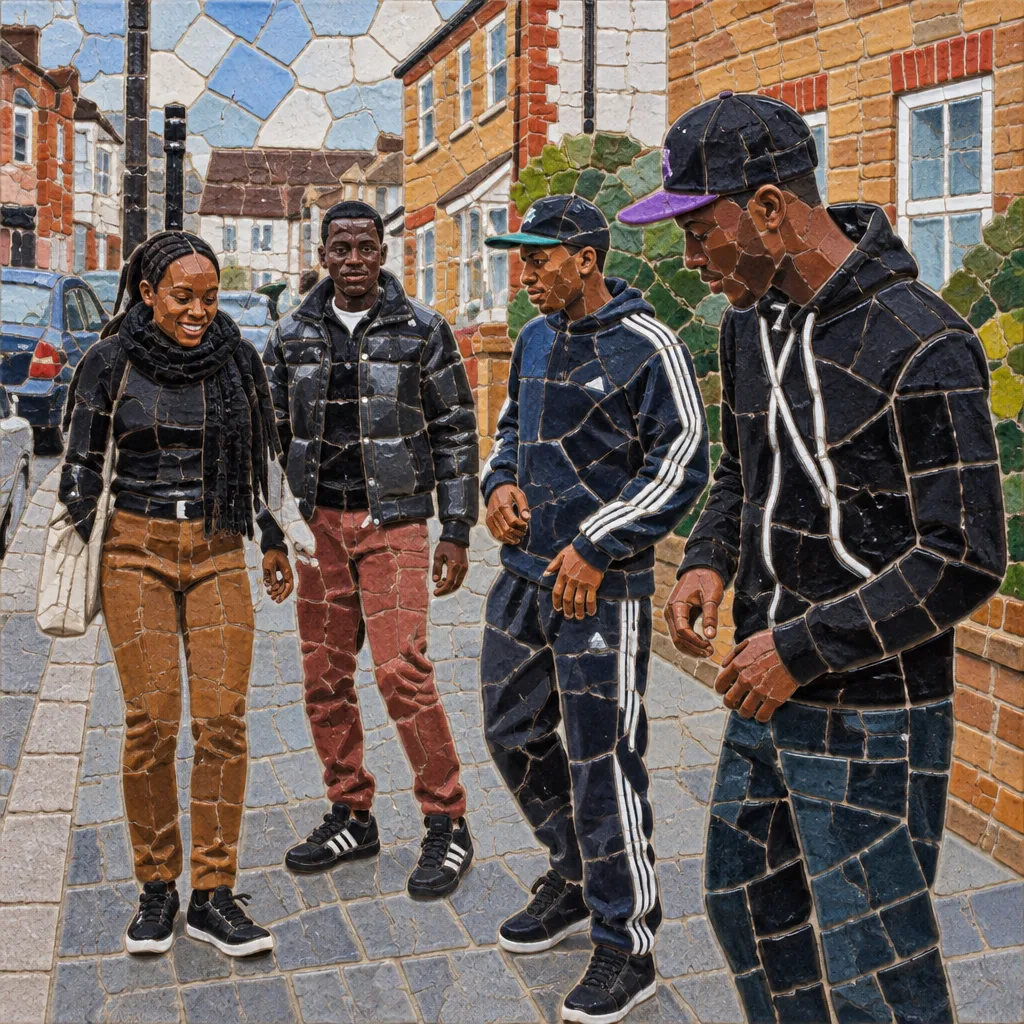
Azonto is a contemporary Ghanaian dance-music style built for parties, street performances, and viral choreography. Emerging in the early 2010s, it matches swaggering, humorous dance moves with catchy call-and-response hooks and MC-led verses. Musically, Azonto sits on a bright, syncopated 4/4 groove—often between 105–130 BPM—with crisp handclaps, off‑beat hi‑hats, bouncing kick patterns, and short melodic riffs from synths, bell/mallet tones, or plucks. Harmony is usually minimal (two to four repeating chords), keeping the spotlight on rhythm, energy, and vocal interplay. Lyrics blend Twi, Ga, and Ghanaian Pidgin with English, and celebrate fashion, flirtation, everyday jokes, and local slang. The genre rose with dance challenges and YouTube-era virality, helping push West African pop into UK and global club culture. Signature tracks include Sarkodie & E.L.’s “U Go Kill Me,” Fuse ODG’s “Azonto” and “Antenna,” Castro’s “Azonto Fiesta,” and Gasmilla’s “Aboodatoi.”
Discover
Listen
Urban Kiz
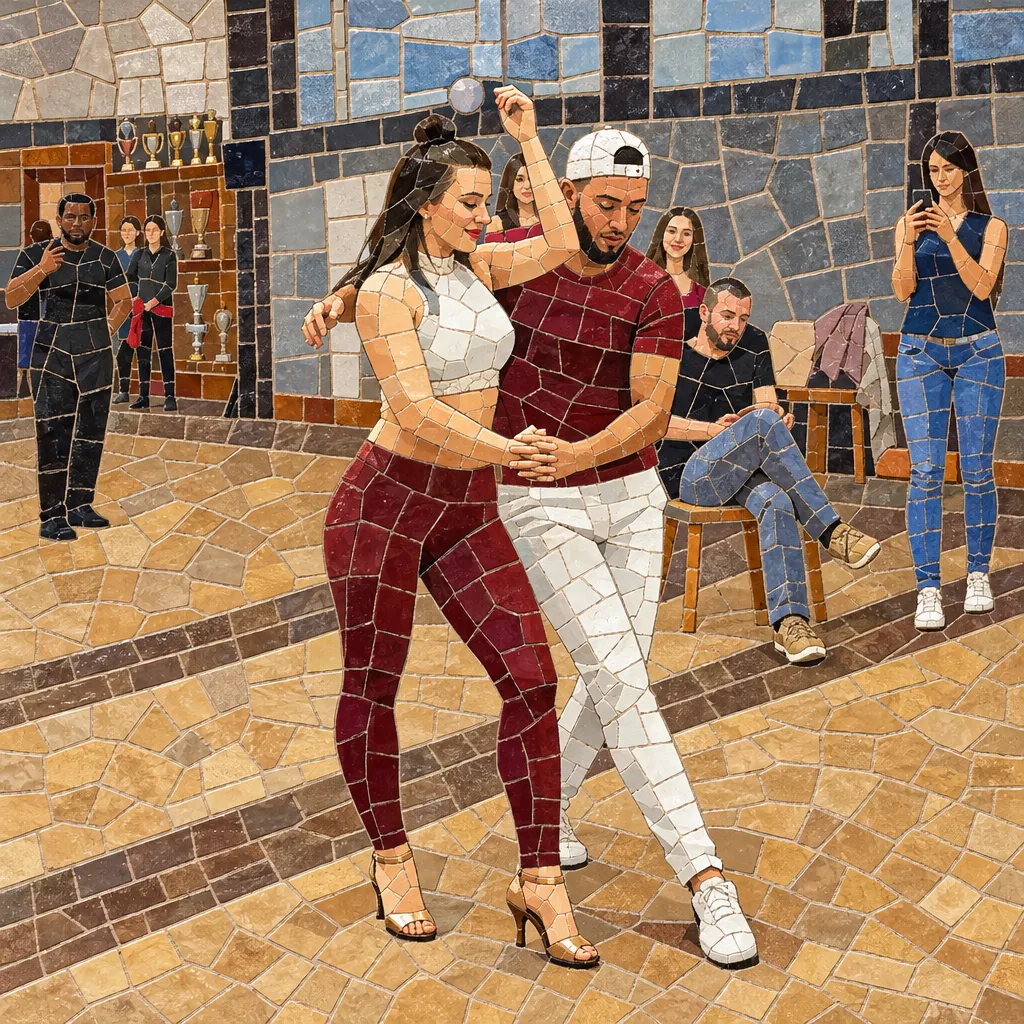
Urban Kiz is a contemporary, club-oriented offshoot of kizomba that took shape in Europe—especially in Paris—in the early-to-mid 2010s. It adapts the sensual, close-connection feel of kizomba to straighter, trap- and R&B-influenced beats with pronounced bass lines, crisp hi‑hats, and engineered breaks that suit the stop‑and‑go aesthetics of Urban Kiz social dancing. Musically, it favors 4/4 grooves around 88–102 BPM, less of the lilting/zouk swing found in classic kizomba, and more linear phrasing with dramatic drops, filters, and space for micro-pauses. Vocals (often in Portuguese, French, Cape Verdean Creole, or English) may be original toplines, sampled phrases, or R&B‑style hooks layered over sleek electronic production. Producers frequently label releases or remixes specifically for "Urban Kiz" floors, reinforcing the genre’s identity within the partner‑dance scene.
Discover
Listen
Lo Star
Lo star is a streaming-era umbrella tag used to group under-the-radar, low-profile artists who sit on the fringes of indie, alternative, DIY pop, and related scenes. Rather than denoting a single, tightly defined musical vocabulary, it marks a discovery space of self-produced or small-label projects with modest audiences, genre-fluid aesthetics, and a distinctly DIY approach to recording and release. Expect intimate vocals, inexpensive or home-studio production, hybrid acoustic/electronic textures, and songwriting that favors personal storytelling and immediacy over polish. Because it functions as a curatorial category for emerging or niche acts, the sonic palette spans indie rock and folk-pop to bedroom pop and lo-fi electronic, unified by scale, ethos, and distribution more than by strict musical rules.
Discover
Listen
Musica Portuguesa Contemporanea
Música portuguesa contemporânea refers to the wave of Portuguese-made popular and art-leaning music that has flourished in the 2010s and 2020s. It blends the poetic sensibility and timbral colors of fado and folk with modern pop writing, indie craft, hip hop flows, and electronic production. Across this umbrella you’ll hear Portuguese-language lyrics shaped by saudade and everyday storytelling, acoustic textures (nylon-string and Portuguese guitar), and grooves informed by Lusophone urban dance (kizomba/batida) alongside chart-ready pop and indie aesthetics. The result is a scene that feels unmistakably Portuguese yet cosmopolitan, often minimalist and intimate in tone, but equally capable of sleek, dance-oriented production.
Discover
Listen
Trapfunk
Trapfunk is a Brazilian hybrid that fuses the drum programming, 808 bass, and hi‑hat articulations of trap with the syncopated tamborzão grooves, vocal cadences, and party‑ready attitude of funk carioca (baile funk). Tracks typically balance sparse, hard‑hitting trap frameworks with driving Brazilian funk percussion at 130–150 BPM, sliding 808s, and vocal deliveries that alternate between melodic hooks and rapid-fire chants. Lyrically, it draws on the street storytelling, ostentation, and party culture of the baile while adopting the darker textures and sound design of contemporary trap. The result is a club-optimized, bass-forward style that feels equally at home in the baile, on streaming playlists, and across social platforms, linking Brazil’s local funk scenes to global trap aesthetics.
Discover
Listen
Afro House
Afro house is a subgenre of house music that took shape in South Africa in the 1990s. It blends classic house’s 4/4 pulse with African rhythmic sensibilities, emphasizing hand percussion such as congas, bongos, shakers and djembe alongside warm basslines and steadily dancing kick drums. Tracks often sit around 118–124 BPM and lean into hypnotic, polyrhythmic grooves, soulful harmonies, and an organic, spiritual atmosphere. Producers commonly use piano, saxophone, synthesizers, marimba/kalimba and rich pads, while vocals appear in a variety of African languages in call‑and‑response or chantlike phrases. The result is music that feels both deeply communal and club‑ready, equally at home on outdoor dance floors and late‑night sets.
Discover
Listen
Kizomba
Kizomba is a smooth, romantic dance-music style that originated in Angola, blending the melodic sensibilities of local semba with the lush, slow-tempo grooves of Caribbean zouk. Typically set in 4/4 time around 86–100 BPM, it emphasizes a deep, round sub‑bass, sparse drum programming, and gently syncopated percussion that encourages close, flowing partner movement. Arrangements favor silky synth pads, clean electric guitar arpeggios or comping, and R&B-influenced vocals in Portuguese and other Angolan or Cape Verdean languages. Lyrical themes gravitate to love, intimacy, nostalgia, and urban life. Over time, kizomba diversified into substyles (such as the even sparser, bass-forward tarraxinha) and spread through the Lusophone diaspora, especially in Portugal, before becoming a global social-dance phenomenon.
Discover
Listen
Kuduro
Kuduro is a high-energy dance music and street culture that originated in Angola in the late 1980s and early 1990s. Its name comes from Angolan Portuguese, roughly meaning “hard butt,” a playful reference to the explosive, physically demanding dance moves and the hard-hitting, percussive beats that drive the style. Musically, kuduro fuses local Angolan rhythms with electronic dance music, hip hop, ragga/dancehall, and Caribbean influences like soca and zouk. Tracks typically sit around 140–150 BPM, feature pounding, syncopated kick patterns, claps on off-beats, chopped vocal shouts, sirens, and whistle FX. Harmony is sparse or loop-based; the focus is on rhythm, call-and-response MCing (in Portuguese and local languages), and relentless forward motion tailored for dance battles and street parties.
Discover
Listen
Show all 11 genres
Similar artists
3
/5
DJ Malvado
Afro House
Afro Tech
Kizomba
3
/5
DJ Aka-m
Afro House
Kizomba
Kuduro
3
/5
Mastiksoul
Kizomba
Kuduro
Latin Afrobeats
5
/5
HUGEL
Afro House
Latin House
Techengue
4
/5
Arash
Persian Pop
Afro House
Chill R&b
4
/5
Daecolm
Afro House
Afrobeats
Chill R&b
4
/5
BLOND:ISH
Afro House
Latin Afrobeats
Latin House
4
/5
MoBlack
Afro House
Latin Afrobeats
Previa
4
/5
Faul & Wad
Afro House
Covertronica
Deep Deep House
4
/5
Cumbiafrica
Afro House
Latin Afrobeats
Latin House
Download our mobile app
Get the Melodigging app and start digging for new genres on the go
Download on the App Store
Get it on Google Play
© 2026 Melodigging
Give feedback
Legal
Melodding was created as a tribute to
Every Noise at Once
, which inspired us to help curious minds keep digging into music's ever-evolving genres.