Genres
Artists
Albums
Make Music
Sign in
Sign in
Artists
New Orleans Blues
Artists
New Orleans Blues
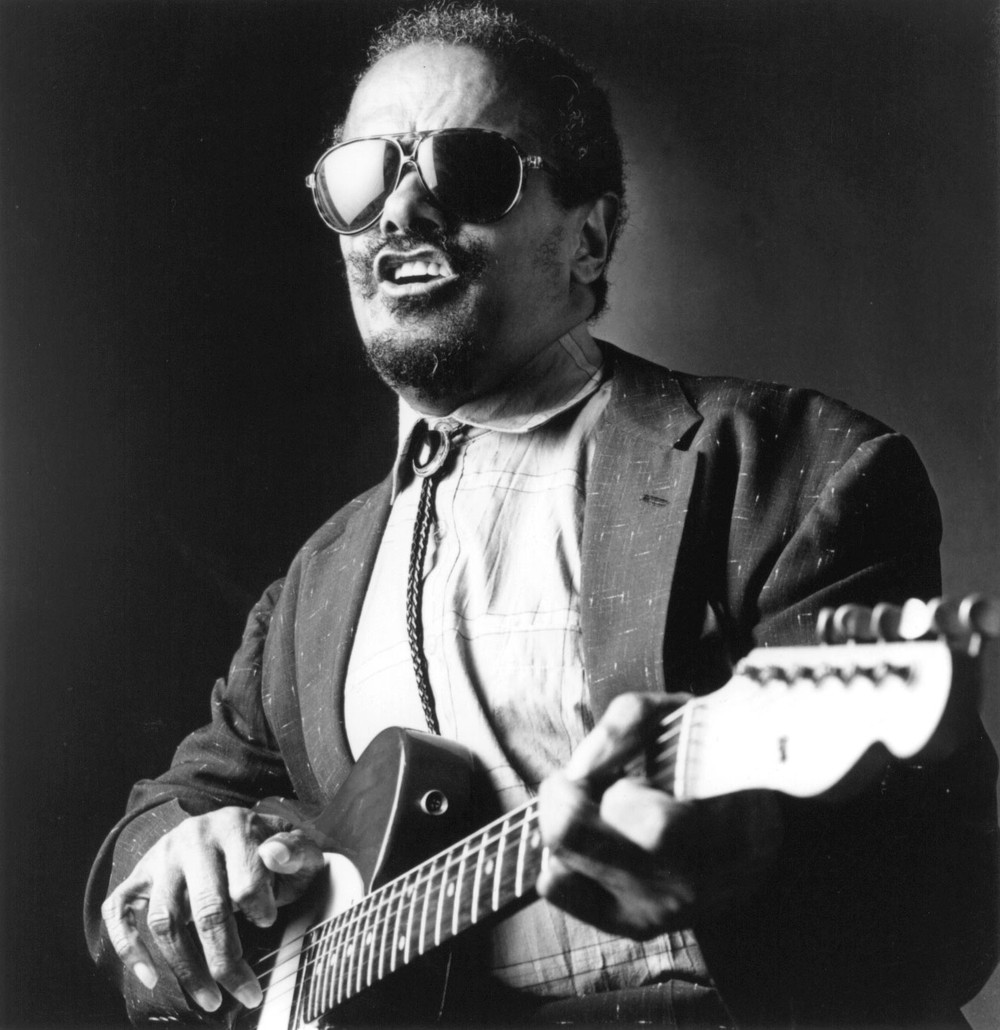
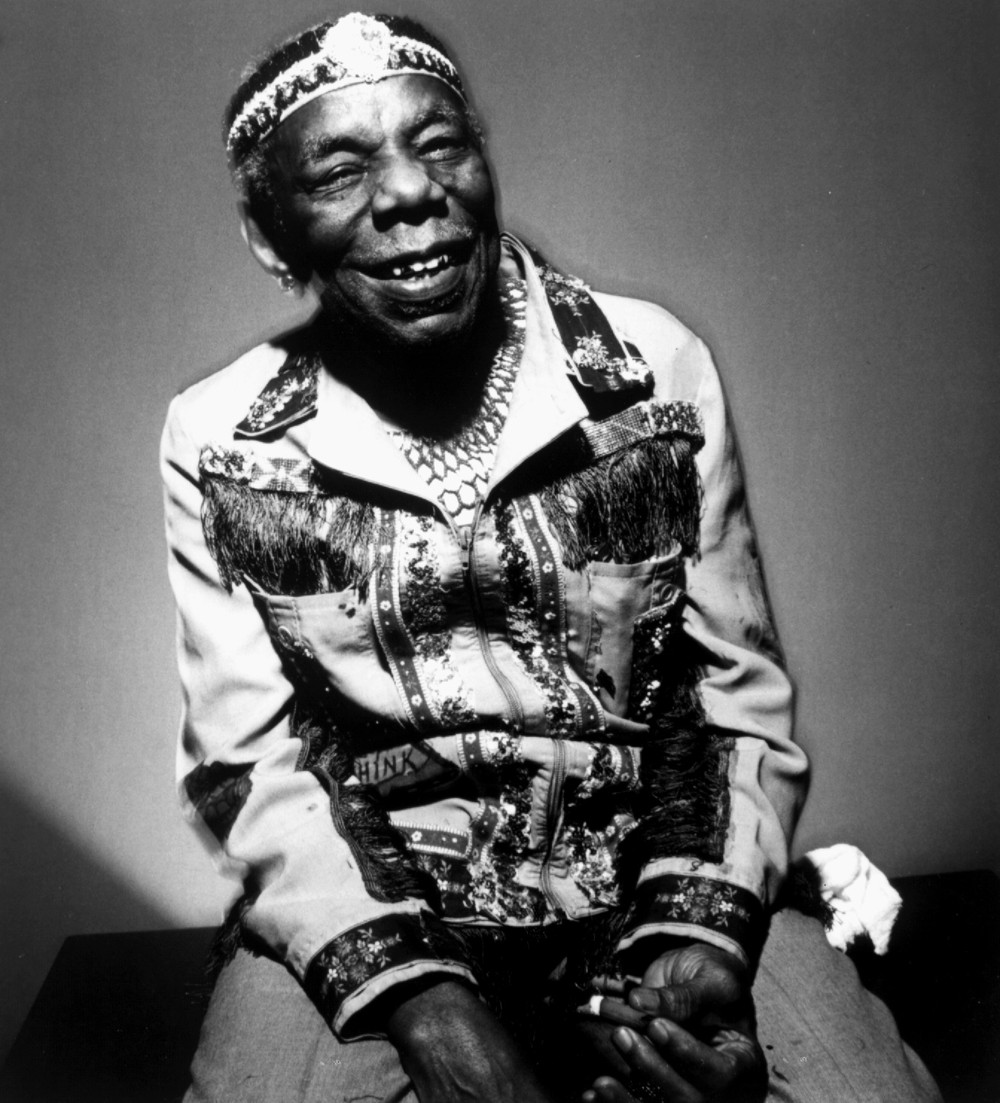
Snooks Eaglin
1978–2005
·
3 albums
Listen
2
/5
Genres
New Orleans Blues
New Orleans blues is a piano- and horn-driven branch of postwar blues that developed in the clubs and studios of New Orleans. It blends the city’s brass-band and parade traditions with the relaxed swing of jazz, the rolling left-hand figures of boogie-woogie, and the clipped, syncopated “second‑line” feel rooted in Afro-Caribbean rhythms. Characterized by lilting triplet feels, tresillo/habanera accents, and a light yet insistent backbeat, the style favors catchy horn riffs, rolling piano patterns, and conversational, good-natured vocals. Compared with harsher urban blues styles, New Orleans blues feels breezier and more danceable, often straddling an early rhythm-and-blues sound that directly fed rock and roll.
Discover
Listen
Louisiana Blues
Louisiana blues is a regional blues style rooted in the musical cultures of New Orleans, Baton Rouge, and the bayou country. It blends traditional country and Delta blues guitar with the rolling, syncopated grooves of New Orleans R&B, touches of Cajun rhythm, and a humid, "swampy" ambience. Typical features include relaxed mid-tempos, loping shuffle or second-line-inflected beats, reverb- and tremolo-soaked electric guitar tones, amplified harmonica, and spare, conversational vocals. Piano-driven variants in New Orleans add Caribbean and jazz flavors, while the Baton Rouge "swamp blues" sound—popularized by Excello Records—favors laconic vocals, hypnotic riffs, and echo-laden production. Lyrically, Louisiana blues often evokes bayou imagery, late-night bars, heat and rain, heartbreak, and everyday resilience, all delivered with an unhurried, soulful understatement.
Discover
Listen
Classic Blues
Classic blues (often called "classic female blues") is the early, urban, theater-bred form of the blues that flourished primarily in the 1920s. It is characterized by powerful lead vocalists—frequently women—fronting small jazz ensembles or a piano accompanist, with arrangements that translated the blues idiom to vaudeville stages and recording studios. Musically it typically uses the 12‑bar blues form, AAB lyric stanzas, swung or shuffle rhythms in 4/4, and prominent use of blue notes (flattened 3rd, 5th, and 7th). The style sits at the crossroads of Southern blues traditions, ragtime and early jazz, and the songcraft and professionalism of vaudeville and Tin Pan Alley. Classic blues differs from country/delta blues by its more formal arrangements, band instrumentation, and theatrical delivery. It launched the commercial “race records” era with Mamie Smith’s 1920 hit "Crazy Blues," and set the template for later jazz and R&B vocal performance.
Discover
Listen
Country Blues
Country blues—also called rural blues or folk blues—is the earliest widely documented form of the blues, rooted in the everyday music-making of African Americans in the rural American South. It typically features a solo singer accompanying themselves on acoustic guitar, with flexible time, expressive vocal delivery, and abundant use of blue notes. While 12‑bar structures are common, country blues often stretches or compresses measures to fit the lyric, making phrasing elastic and conversational. Regional flavors emerged—Delta (driving, droning thumb bass and slide), Piedmont (ragtime‑inflected fingerpicking), and Texas (looser phrasing and single‑string leads)—but all share storytelling lyrics about work, travel, love, hardship, and spiritual longing.
Discover
Listen
Acoustic Blues
Acoustic blues is a family of blues styles performed on non-amplified instruments, most commonly solo voice with acoustic guitar and, at times, harmonica. It emphasizes raw, intimate timbres; elastic vocal phrasing; and guitar techniques such as fingerpicking, alternating-bass patterns, and bottleneck slide. Rooted in African American folk traditions of the U.S. South, acoustic blues typically favors small-scale, conversational performance practice—call-and-response between voice and guitar, expressive "blue notes," and lyrics in the AAB stanza form. Substyles include Delta blues (driving, slide-heavy), Piedmont blues (ragtime-influenced fingerpicking), and Texas blues (looser, narrative-driven playing).
Discover
Listen
Blues
Blues is an African American musical tradition defined by expressive "blue notes," call-and-response phrasing, and a characteristic use of dominant-seventh harmony in cyclical song forms (most famously the 12‑bar blues). It is as much a feeling as a form, conveying sorrow, resilience, humor, and hard-won joy. Musically, blues commonly employs the I–IV–V progression, swung or shuffled rhythms, and the AAB lyric stanza. Melodies lean on the minor/major third ambiguity and the flattened fifth and seventh degrees. Core instruments include voice, guitar (acoustic or electric), harmonica, piano, bass, and drums, with slide guitar, bends, and vocal melismas as signature techniques. Over time the blues has diversified into regional and stylistic currents—Delta and Piedmont country blues, urban Chicago and Texas blues, West Coast jump and boogie-woogie—while profoundly shaping jazz, rhythm & blues, rock and roll, soul, funk, and much of modern popular music.
Discover
Listen
Albums
2005
2
/5
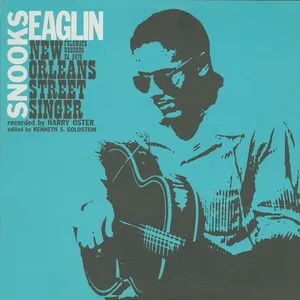
New Orleans Street Singer
Snooks Eaglin
Acoustic Blues
2005
2
/5
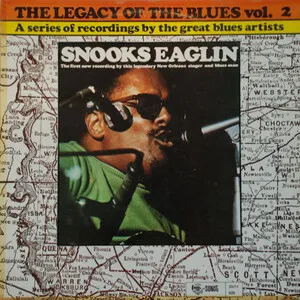
The Legacy of the Blues Vol. 2
Snooks Eaglin
New Orleans Blues
1978
1
/5
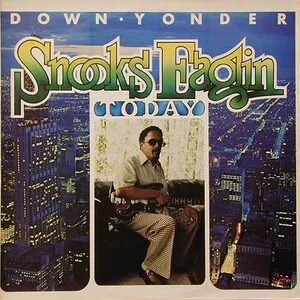
Down Yonder
Snooks Eaglin
New Orleans Blues
Similar artists
1
/5
Various Artists
Afro-Funk
Alternative Rock
Ambient
3
/5
Champion Jack Dupree
New Orleans Blues
Blues
Boogie-Woogie
2
/5
Chris Thomas King
Bluegrass
Blues
Country Blues
2
/5
Guitar Slim
Blues
Classic Blues
Country Blues
2
/5
Corey Harris
Blues
Country Blues
Classic Blues
3
/5
Dr. John
Louisiana Music
New Orleans R&b
Piano Blues
2
/5
Earl King
New Orleans Blues
Blues
Bounce
1
/5
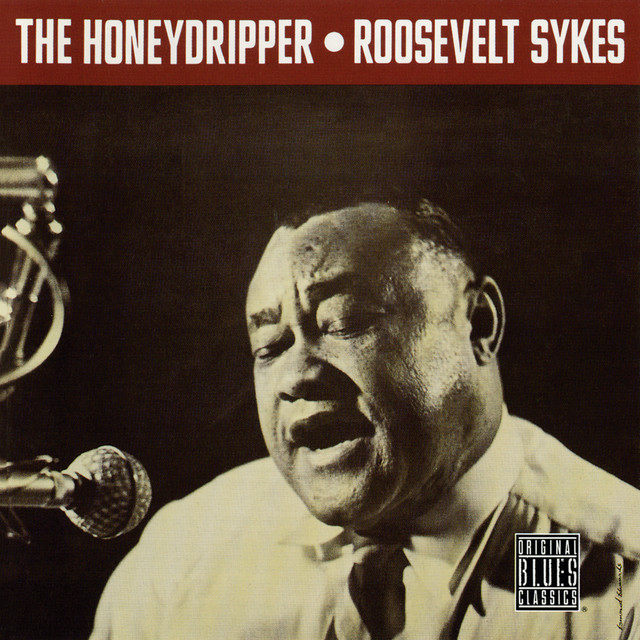
Roosevelt Sykes
Piano Blues
New Orleans Blues
Blues
3
/5
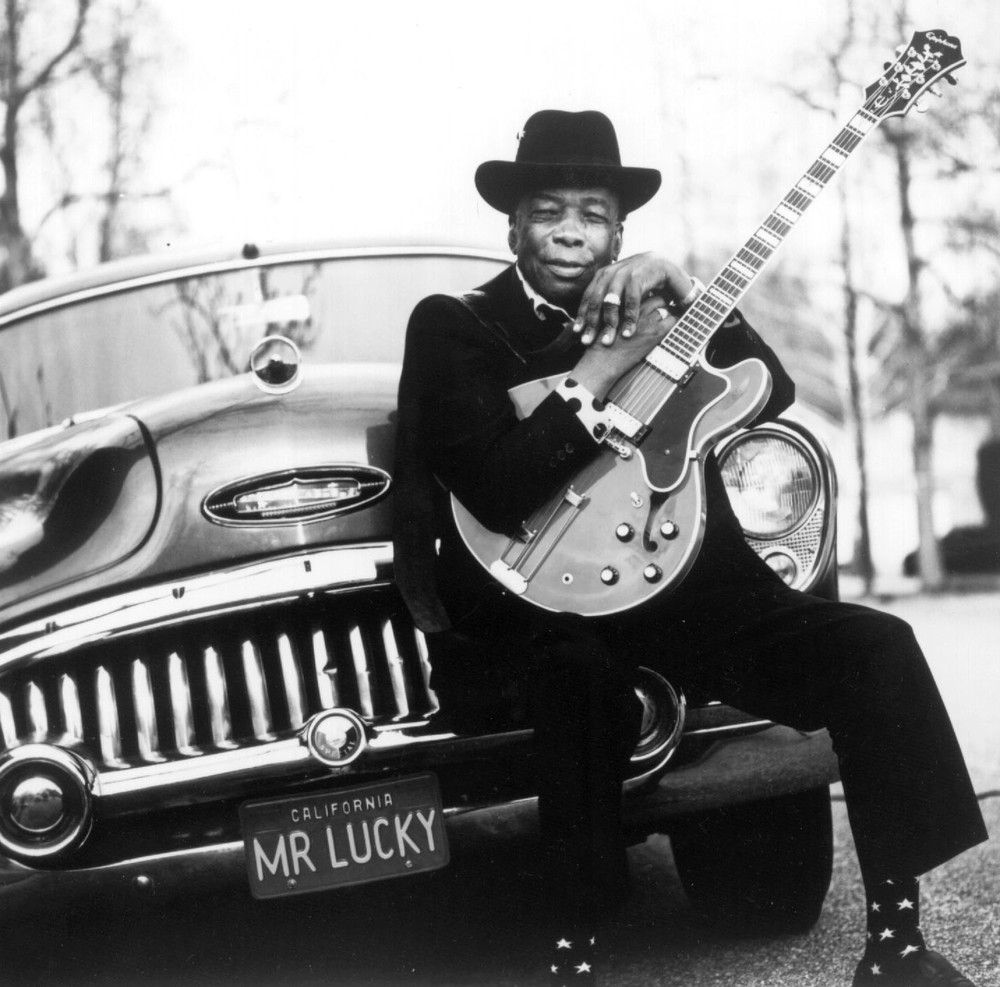
John Lee Hooker
Delta Blues
Blues
Country Blues
3
/5
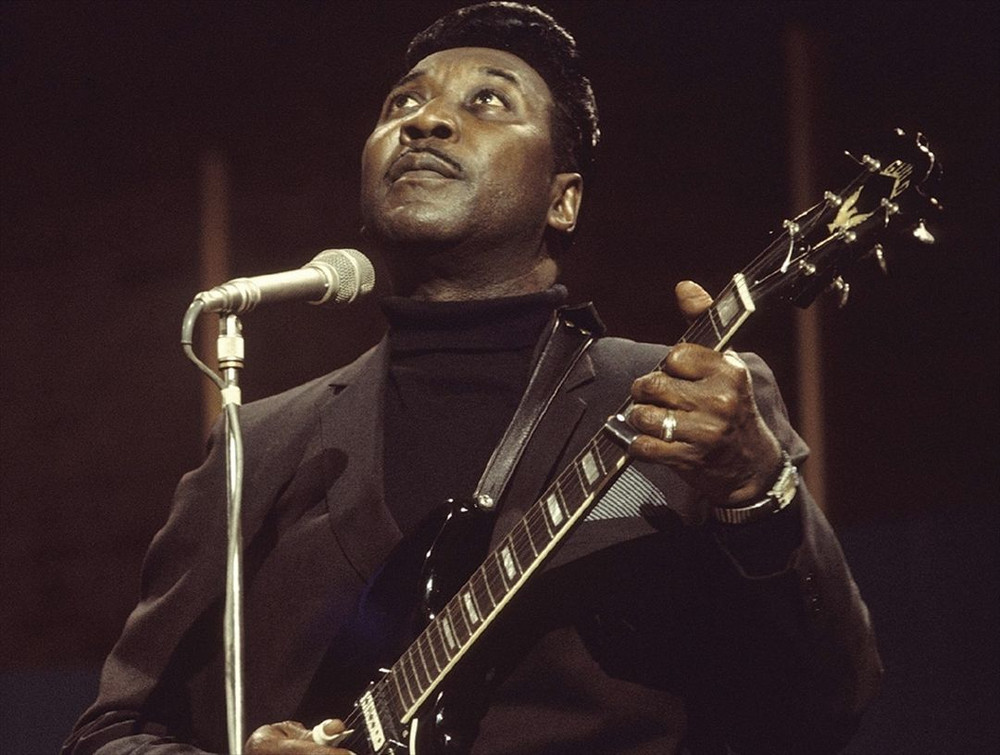
Muddy Waters
Blues
Chicago Blues
Electric Blues
Download our mobile app
Get the Melodigging app and start digging for new genres on the go
Download on the App Store
Get it on Google Play
© 2026 Melodigging
Give feedback
Legal
Melodding was created as a tribute to
Every Noise at Once
, which inspired us to help curious minds keep digging into music's ever-evolving genres.