Genres
Artists
Albums
Make Music
Sign in
Sign in
Artists
Corrido
Artists
Corrido
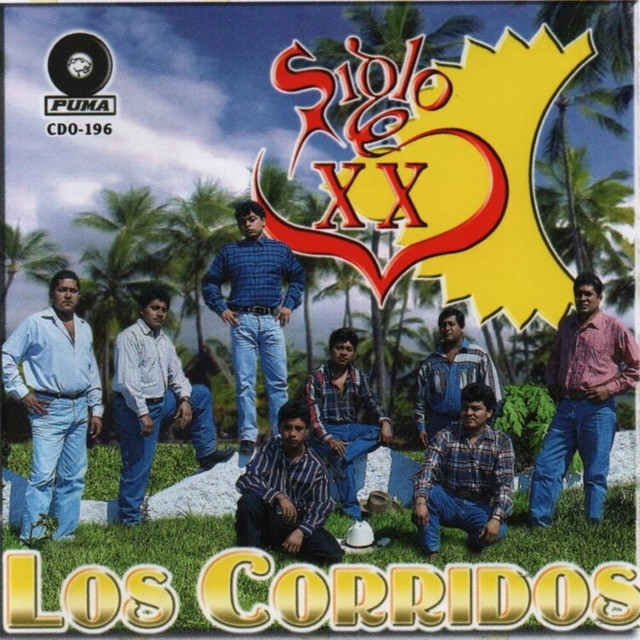
Siglo XX
1996
·
1 album
Listen
3
/5
Genres
Musica Urbana Oaxaquena
Musica urbana oaxaqueña (Oaxacan urban music) is a contemporary, grassroots blend of Latin urban styles—reggaeton, Latin trap, dancehall and hip‑hop—with regional sounds and languages from the state of Oaxaca, Mexico. It often mixes Spanish with Indigenous languages such as Zapotec, Mixtec, Mixe, Mazatec, and Triqui, foregrounding local identity alongside global club aesthetics. Production typically marries dembow or halftime trap drums with timbres and melodic turns inspired by Oaxacan brass band traditions (bandas de viento), chilena costeña (6/8–3/4 hemiola swing), son istmeño motifs, and cumbia keyboards or guitars. Lyrically, it ranges from party and romance to migration, pride, and community narratives tied to fiestas patronales, tequio (communal work), and Oaxacan diasporic life.
Discover
Listen
Musica Costena
Música costeña refers to the popular dance and folkloric styles from Colombia’s Caribbean coast, especially the departments of Bolívar, Atlántico, Sucre, Córdoba, Magdalena, and La Guajira. It is an umbrella for interrelated rhythms and song forms such as cumbia, porro, fandango de banda, bullerengue, chandé, and (in a broader usage) vallenato, which circulate across coastal carnivals, town festivals, and urban ballrooms. In the mid‑20th century these traditions were orchestrated for big bands and studio ensembles, creating a bright, brassy sound that traveled on radio and 78 rpm records. Typical hallmarks include driving hand‑drum grooves (tambora, alegre, llamador), guacharaca or maracas for timekeeping, melodic gaitas (indigenous cane flutes) or accordion riffs, and buoyant horn lines. The music is celebratory and social—built for dancing—yet it preserves the call‑and‑response chant and storytelling character of Afro‑Indigenous rural forms.
Discover
Listen
Corrido
Corrido is a Mexican narrative ballad tradition that tells real or imagined stories about heroes, outlaws, battles, tragedies, and contemporary events. It is strophic, usually built from octosyllabic lines organized into quatrains with assonant rhyme, and features a declamatory vocal delivery designed to make the storyline clear. Musically, corridos are commonly set to dance-derived rhythms such as polka in 2/4 or waltz in 3/4, reflecting 19th‑century European influences absorbed in northern Mexico. They are performed by different ensembles—most famously norteño groups with accordion and bajo sexto, mariachi with violins and trumpets, or banda with brass and tuba—yet the poetic form and storytelling remain central. Typical corridos open with a saludo (greeting/announcement), present the narrative in chronological episodes rich with names, places, and dates, and close with a despedida (farewell or moral). Modern variants include narcocorridos and, more recently, corridos tumbados that fuse the narrative form with contemporary urban and trap aesthetics.
Discover
Listen
Albums
1996
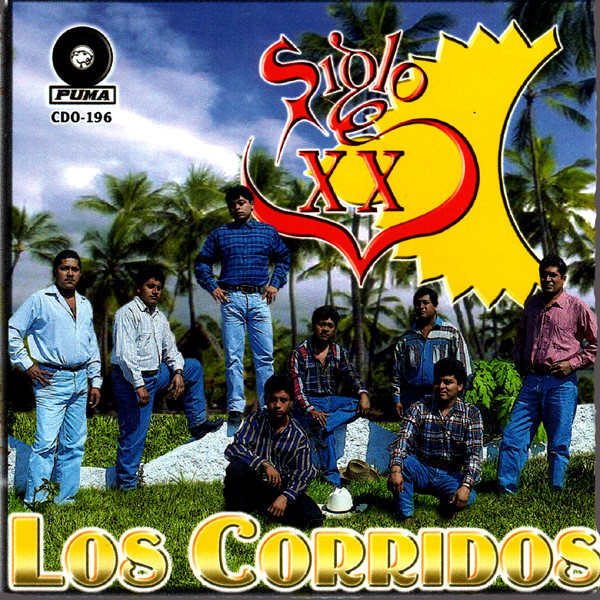
Los Corridos
Siglo XX
Musica Costena
Similar artists
3
/5
Los Donny's De Guerrero
Corrido
Musica Costena
Musica Guerrerense
3
/5
Alvaro Monterrubio
Chilena
Corrido
Musica Costena
2
/5
Raza Costeña
Chilena
Corrido
Cumbia
2
/5
Pantera Show
Corrido
Musica Costena
5
/5
Fuerza Regida
Sierreño
Banda
Corrido
5
/5
Peso Pluma
Banda
Electro Corridos
Corridos Bélicos
5
/5
Junior H
Sierreño
Corrido Tumbado
Norteño
5
/5
Tito Double P
Corrido
Electro Corridos
Corridos Bélicos
5
/5
Natanael Cano
Sierreño
Banda
Corrido Tumbado
5
/5
Neton Vega
Corrido
Electro Corridos
Corridos Bélicos
Download our mobile app
Get the Melodigging app and start digging for new genres on the go
Download on the App Store
Get it on Google Play
© 2026 Melodigging
Give feedback
Legal
Melodding was created as a tribute to
Every Noise at Once
, which inspired us to help curious minds keep digging into music's ever-evolving genres.