Genres
Artists
Albums
Make Music
Sign in
Sign in
Artists
Bass Trap
Artists
Bass Trap
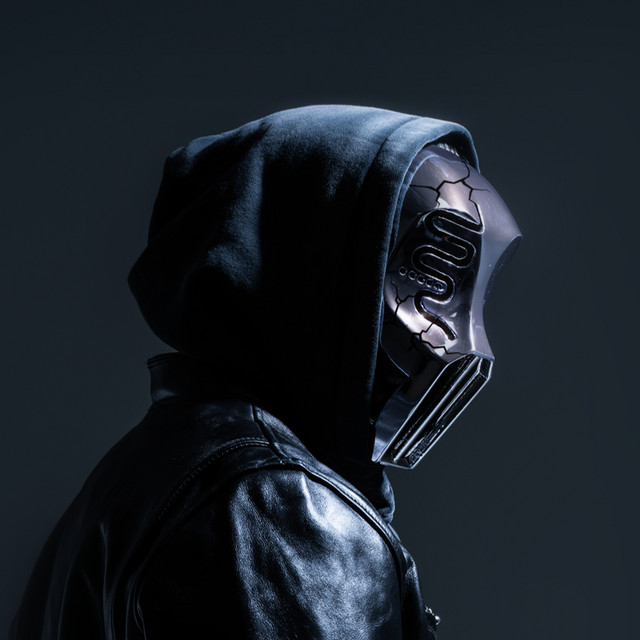
Sickick
2016–2025
·
12 albums
Listen
4
/5
Genres
Gymcore
Gymcore is an internet-born, high-intensity microgenre optimized for workout videos, lifting edits, and short-form fitness content. It blends the hard-hitting percussion and distorted 808s of trap and trap metal with the galloping, cowbell-driven momentum of drift phonk and the relentless drive of modern hardstyle and hardwave. Designed to feel maximal and adrenalizing, gymcore favors minor-mode riffs, crunchy saturation, clipped masters, and halftime grooves that translate into massive head-nod energy at the gym. The result is a dense, bass-forward sound that punches through phone speakers and gym PAs alike, making it a staple soundtrack for PR attempts, sprint sets, and combat-sport highlight edits.
Discover
Listen
Bass Trap
Bass trap is a high-energy electronic dance music style that merges trap’s halftime hip-hop drum language with festival-scale sound design. It is defined by hard-hitting 808-style sub-bass, punchy snare/clap patterns, rapid hi-hat figures, and aggressive synth or bass “growls” borrowed from modern bass music. Tracks are typically built for big drops and crowd impact, using tension-heavy builds, sudden silences, and explosive low-end releases.
Discover
Listen
Cinematic Dubstep
Cinematic dubstep is a hybrid of dubstep’s half‑time bass music and the sweep of film score writing. It layers colossal, trailer‑style sound design (impacts, risers, braaams) over orchestral textures—strings, brass, choirs, and big percussion—then delivers 140 BPM drops with growling basses and wide, atmospheric pads. Compared to standard brostep, it leans more narrative and emotive: introductions unfold like a cue from a movie, builds feel like a trailer climax, and breakdowns often return to piano, strings, or ambient soundscapes before a final, ‘act‑three’ drop. The result is music equally at home in esports intros, game/trailer sync, and festival stages.
Discover
Listen
Dark R&b
Dark R&B is a moody, atmospheric strain of contemporary R&B characterized by shadowy soundscapes, sparse arrangements, and emotionally raw vocals. It fuses traditional R&B singing with downtempo electronic production, minor-key harmonies, and textural sound design that leans into reverb, distortion, and cinematic ambience. The style often explores themes of desire, isolation, intoxication, and nocturnal urban life. Beats are typically slow or half-time, bass is heavy yet controlled, and melodies float in a fog of pads, synths, and haunted samples. Emerging in the early 2010s around the Toronto “noir” aesthetic and the broader wave of alternative R&B, dark R&B borrowed from trip hop, post-dubstep, witch house, and ambient to craft a distinctly modern, brooding take on soul music.
Discover
Listen
Deep Southern Trap
Deep southern trap is a moody, bass-forward branch of Southern U.S. trap distinguished by subterranean 808 subs, sparse but hard-hitting drums, and minor-key, cinematic textures. It places atmosphere and low‑end pressure at the center, often pairing sliding 808s with ominous pads, bells, or plucked synths that leave ample space for the vocal. The tempo typically sits around 60–75 BPM (or 120–150 BPM double‑time), with half‑time bounce, triplet hi‑hat rolls, and tightly quantized snares/claps. Lyrically it ranges from street reportage and survival narratives to introspective, codeine‑slow melancholia—punctuated by ad‑libs and heavily processed vocals. The overall aesthetic is dark, weighty, and immersive, optimized as much for car systems as for headphones.
Discover
Listen
Flint Sound
Flint sound is a contemporary Michigan rap style centered in Flint, United States. It is characterized by fast, minimal, piano- or organ-led beats, dry and upfront vocals, and bar-by-bar “punch‑in” delivery that often rides slightly ahead of or behind the grid for a conversational, off‑kilter feel. The production typically favors bright piano loops, staccato 808 slides, crisp claps or rimshots, and sparse percussion, leaving plenty of space for relentless punchlines, gritty street reportage, and mischievous humor. While hard-edged and streetwise, the style frequently leans into charismatic personality and wit, making it both aggressive and infectious for dancing.
Discover
Listen
Melancholia
Melancholia is an internet-era microgenre centered on soft-focus, sorrow-tinged pop and indie songs that foreground intimacy, space, and emotional candor. Tracks are typically slow to mid‑tempo, sung in a close, almost confessional register, and framed by sparse, reverb‑soaked textures. Sonically it lives between dream pop, bedroom pop, and slowcore: shimmering guitars or wistful synth pads drift over understated beats; piano, acoustic guitar, and low‑key electronic drums carry muted, pulsing grooves. Harmonies often favor minor keys, suspended chords, and gentle extensions (7ths/9ths) that heighten a bittersweet glow. Lyrically, melancholia lingers on solitude, late‑night self‑reflection, breakups, and fragile hope. The genre coalesced through streaming playlists and social media, where its hush, negative space, and diaristic tone translate into a cohesive, instantly recognizable mood.
Discover
Listen
Social Media Pop
Social media pop is contemporary pop music engineered for discovery, consumption, and participation on social platforms such as YouTube, Vine, Musical.ly/TikTok, Instagram Reels, and Shorts. It prioritizes instantly memorable hooks, trend‑friendly beats, and highly quotable one‑liners that can be clipped into 10–30 second moments. Sonically, it blends glossy dance‑pop and electropop with bedroom‑pop intimacy, trap‑leaning drums, and hyperpop‑adjacent vocal processing (pitch shifts, formant play, layered doubles). Tracks are short (often 2–3 minutes), introduce the chorus or a micro‑hook within the first 5–15 seconds, and often arrive in multiple versions (sped‑up, slowed + reverb, acoustic, “performance” edits) tailored to platform algorithms. Lyrically it favors diaristic, first‑person writing and parasocial immediacy—relatable snapshots of romance, self‑doubt, glow‑ups, and nostalgia—crafted to soundtrack dances, memes, POV skits, and other user‑generated trends.
Discover
Listen
Trap Soul
Trap soul is a fusion of contemporary R&B singing and songwriting with the sonic palette and rhythmic feel of trap. It features moody, minor‑key harmonies; airy pads and Rhodes/piano textures; deep 808 sub‑bass with glides; and skittering hi‑hat rolls and halftime drum patterns. Vocals often blend crooning and rapping, with intimate, confessional lyrics about love, heartbreak, desire, ambition, and late‑night introspection. The production is typically spacious and minimal, prioritizing atmosphere and groove over density. Subtle Auto‑Tune, layered ad‑libs, and lush reverbs/delays are common, giving tracks a nocturnal, cinematic feel.
Discover
Listen
Viral Rap
Viral rap is a mode of hip hop designed to spread quickly through social platforms. It is defined less by a single regional sound than by short, quotable hooks, meme-ready lyrics, and production choices that translate well to phone speakers. Common traits include simplified, high-contrast beats (hard 808s, crisp claps, bright synth leads), repetitive catchphrases, and a focus on moments that can be clipped for TikTok/Reels/Shorts. The genre often overlaps with modern trap and internet rap, and it frequently rewards personality, humor, and shock value as much as technical rapping.
Discover
Listen
Draga
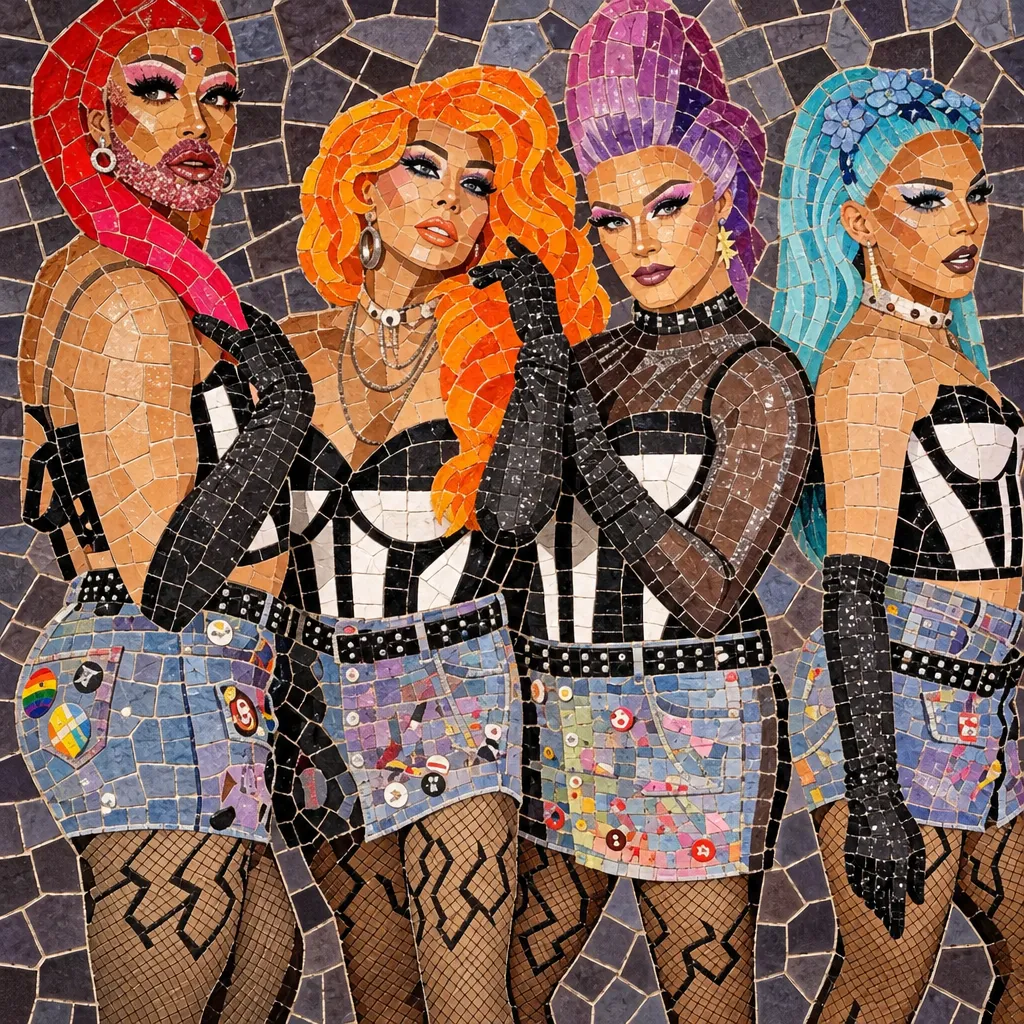
Draga is a Spanish‑language drag‑pop scene centered in Mexican queer nightlife and online culture. It blends high‑camp theatrics, witty and often satirical lyrics, and club‑ready production informed by electropop, reggaeton/dembow, moombahton, and ballroom vogue aesthetics. Tracks are typically hook‑driven and performance‑oriented—designed to work both as standalone pop singles and as lip‑sync or live show centerpieces. Vocals often mix melodic choruses with spoken attitude, ad‑libs, and punchline‑style one‑liners. The sound palette favors glossy synths, bouncy low‑end, clap‑heavy reggaeton grooves, and big, glittering drops, while visuals and persona are inseparable from the music’s meaning and impact.
Discover
Listen
Fake
“Fake” is an informal, streaming-era genre tag used for sound‑alike covers, karaoke takes, tribute recordings, and generic instrumental remakes that closely mimic current or classic hits. Rather than foregrounding the original songwriter’s concept, these recordings prioritize recognizability, search optimization, and fast turnaround. Session singers and studio players reproduce the hook, tempo, and arrangement with minimal reinterpretation; track and artist names often echo the original title or lyrical catchphrase to capture search traffic.
Discover
Listen
The Wave
The Wave is a loosely defined cluster of American post-hardcore/emo bands that surged in the early 2010s as emo-pop’s mainstream moment faded. The name was a tongue‑in‑cheek scene tag that stuck in press coverage, but it points to a real overlap in sound, ethos, and touring networks. Musically, The Wave fuses the urgency of 1990s post‑hardcore and screamo with confessional, literate lyric writing associated with emo. Expect shouted or half‑sung/half‑spoken vocals, dynamic quiet‑loud builds, intricate but driving drums, and guitar textures that shift between glassy clean arpeggios and overdriven, emotive climaxes. The songs often emphasize catharsis, narrative detail, and community-minded DIY presentation.
Discover
Listen
Urban Kiz
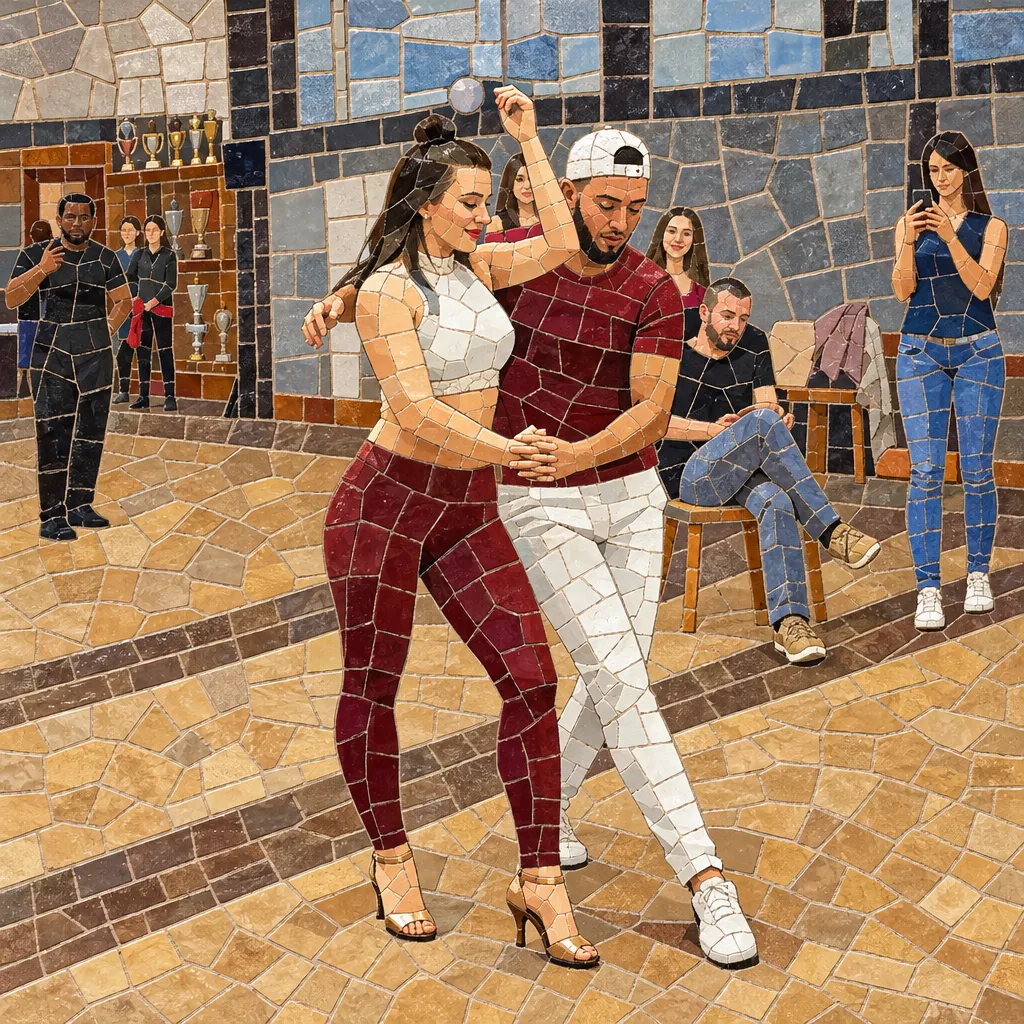
Urban Kiz is a contemporary, club-oriented offshoot of kizomba that took shape in Europe—especially in Paris—in the early-to-mid 2010s. It adapts the sensual, close-connection feel of kizomba to straighter, trap- and R&B-influenced beats with pronounced bass lines, crisp hi‑hats, and engineered breaks that suit the stop‑and‑go aesthetics of Urban Kiz social dancing. Musically, it favors 4/4 grooves around 88–102 BPM, less of the lilting/zouk swing found in classic kizomba, and more linear phrasing with dramatic drops, filters, and space for micro-pauses. Vocals (often in Portuguese, French, Cape Verdean Creole, or English) may be original toplines, sampled phrases, or R&B‑style hooks layered over sleek electronic production. Producers frequently label releases or remixes specifically for "Urban Kiz" floors, reinforcing the genre’s identity within the partner‑dance scene.
Discover
Listen
Bedroom Soul
Bedroom soul is a lo‑fi, intimate take on contemporary R&B and soul that foregrounds warm, jazzy harmony and close‑miked vocals tracked in home studios. It blends the DIY ethos of bedroom pop with the grooves and vocal phrasing of neo‑soul and alternative R&B. Production is intentionally unvarnished—subtle tape hiss, vinyl crackle, softly clipped transients, and gentle saturation are embraced to create a lived‑in texture. Electric guitar or Rhodes/soft‑synth keys carry lush seventh‑chord progressions, pocketed bass lines, and minimalist drums with swung hi‑hats and rimshots. Lyrics are inward‑looking and conversational, often exploring romance, self‑discovery, and late‑night reflection.
Discover
Listen
Dakke Dak
Dakke Dak (also spelled Dakkedak) is a Danish electronic dance music subgenre and slang term that emerged as a distinct cultural phenomenon in the 2010s. Musically, it is a high-energy fusion of various hard dance styles, primarily drawing from Psytrance, Hardstyle, Melbourne Bounce, and Hands Up techno. The name is an onomatopoeia mimicking the rapid, pounding "dak-dak-dak" sound of the heavy basslines and kick drums characteristic of the genre. It is strongly associated with provincial Danish youth culture, "tramper" (stomping) dance styles, car audio culture, and parties in rural or suburban areas. The lyrics are almost exclusively in Danish, often humorous, hedonistic, and centered around drinking, partying, and local identity.
Discover
Listen
Weirdcore
Weirdcore is an internet-native microgenre and aesthetic of experimental electronic music that leans into liminal nostalgia, eerie memory, and uncanny ambience. Its sound palette often combines misty pads, degraded samples, tape hiss, and bitcrushed percussion with disembodied voices, classroom and mall PA announcements, retro operating system chimes, and field recordings of empty or transitional spaces. Harmonically, weirdcore favors drones, slowly shifting modal clusters, and ambiguous, memory-warping intervals that feel familiar yet distorted. Rhythm ranges from beatless, foggy soundscapes to brittle, broken 2-step and slow, stumbling downtempo pulses. Heavy time-stretching, granular manipulation, wow-and-flutter, convolution reverbs, and spectral or cassette-style degradation are central to its texture. Although closely tied to a visual aesthetic (liminal spaces, late-night analog glow, low-resolution signage), weirdcore as a musical style is defined by its uncanny collage sensibility: sampling and warping everyday audio detritus until it becomes emotionally charged, melancholic, and faintly unsettling.
Discover
Listen
Show all 17 genres
Albums
2025
2
/5
Worlds Apart (Dark Side Mix)
Sickick
Bass Trap
2019
1
/5
Kill Me Slowly
Sickick
Bass Trap
2019
3
/5
Kill Me Slowly
Sickick
Bass Trap
2018
1
/5
Lost My Way
Sickick
Bass Trap
2018
3
/5
Lost My Way
Sickick
Bass Trap
2017
2
/5
Addicted
Sickick
Bass Trap
2017
1
/5
Bermuda
Sickick
Bass Trap
2017
1
/5
Mind Games
Sickick
Bass Trap
2017
2
/5
Mind Games
Sickick
Bass Trap
2017
1
/5
Gomd
Sickick
Bass Trap
2017
3
/5
Want Your Love
Sickick
Bass Trap
2016
4
/5
Talksick 3
Sickick
Bass Trap
Similar artists
5
/5
Tory Lanez
Melodic Rap
Canadian Hip Hop
Trap
4
/5
Lithe
Trap Soul
Aussie Drill
Bass Trap
3
/5
Aero Chord
Gaming Edm
Bass Trap
Dubstep
5
/5
Kanye West
Hip Hop
Pop Rap
Rap
5
/5
Travis Scott
Slap House
Hip Hop
Rap
5
/5
Kendrick Lamar
Conscious Hip Hop
Hip Hop
West Coast Hip Hop
5
/5
Don Toliver
Rap
Hip Hop
Afrobeats
5
/5
Chris Brown
R&b
Contemporary R&b
Hip Hop
5
/5
Post Malone
Melodic Rap
Hip Hop
Pop
5
/5
21 Savage
Hip Hop
Atl Hip Hop
Trap
Download our mobile app
Get the Melodigging app and start digging for new genres on the go
Download on the App Store
Get it on Google Play
© 2026 Melodigging
Give feedback
Legal
Melodding was created as a tribute to
Every Noise at Once
, which inspired us to help curious minds keep digging into music's ever-evolving genres.