Genres
Artists
Albums
Make Music
Sign in
Sign in
Artists
Ethio-Jazz
Artists
Ethio-Jazz
Siar Hashimi
2010
·
1 album
Listen
1
/5
Genres
Ethio-Jazz
Ethio‑jazz (Ethiopian jazz) is a distinctive fusion of traditional Ethiopian modal melody and rhythm with the harmonies, improvisational language, and instrumentation of jazz. Rooted in Ethiopia’s pentatonic qenet (modes)—such as tizita, bati, ambassel, and anchihoye—it places these characteristic scales over Western jazz ensembles (horn sections, piano/organ, guitar, bass, drums) and, at times, indigenous instruments like krar, masenqo, and kebero. The result ranges from sultry, minor‑tinged laments to hypnotic, groove‑forward vamps, often colored by vibraphone, organ, and saxophone timbres. Over time, Ethio‑jazz absorbed elements of soul, funk, Afro‑Latin and Afro‑Cuban rhythms, contributing to a sound that can be both melancholic and danceable, nostalgic and cosmopolitan. Mulatu Astatke—widely considered the father of Ethio‑jazz—was pivotal in crystallizing this language and popularizing it internationally.
Discover
Listen
Traditional Music
Traditional music is an umbrella term used in the mid–20th century by folklorists and ethnomusicologists to denote community-rooted, orally transmitted repertoires tied to social ritual, work, celebration, and storytelling. Unlike commercial pop or art-music traditions, traditional music is typically learned by ear, varies regionally, and evolves slowly through communal participation. It often features modal melodies, cyclic rhythms, heterophony or unison singing, and indigenous instruments whose timbres are integral to local identity. Lyrics tend to preserve language, history, and collective memory. While the musical practices themselves can be ancient, the phrase “traditional music” emerged to replace earlier, narrower or colonial framings like “folk” or “ethnic” music, foregrounding continuity, locality, and living practice rather than exoticism.
Discover
Listen
Klasik
Klasik is the classical music tradition of Afghanistan. It encompasses both instrumental forms and vocal genres such as the Persian ghazal, rendered within raga- and tala-based frameworks adapted to Afghan aesthetics. Shaped at the royal court in Kabul—especially after Indian ustads arrived in the 1860s at the invitation of Amir Sher Ali Khan—klasik sits at a cultural crossroads. Its melodic language draws on North Indian (Hindustani) raga practice while absorbing Persian modal sensibilities and local ornamentation. Typical ensembles feature rubab (the Afghan national lute), dutar or tanbur, bowed instruments (ghichak), harmonium, and tabla, with vocalists singing in Dari (Persian) and Pashto. Klasik performances balance composed material with improvisation: alap-like introductions, fixed compositions (bandish or ghazal couplets), sargam/taans, and extended rhythmic elaboration in talas such as tintal (16), keherwa (8), dadra (6), ektal (12), and rupak (7). The result is an intimate, lyrical art music that bridges courtly refinement, Sufi-inflected poetry, and Afghan instrumental virtuosity.
Discover
Listen
Albums
2010
1
/5
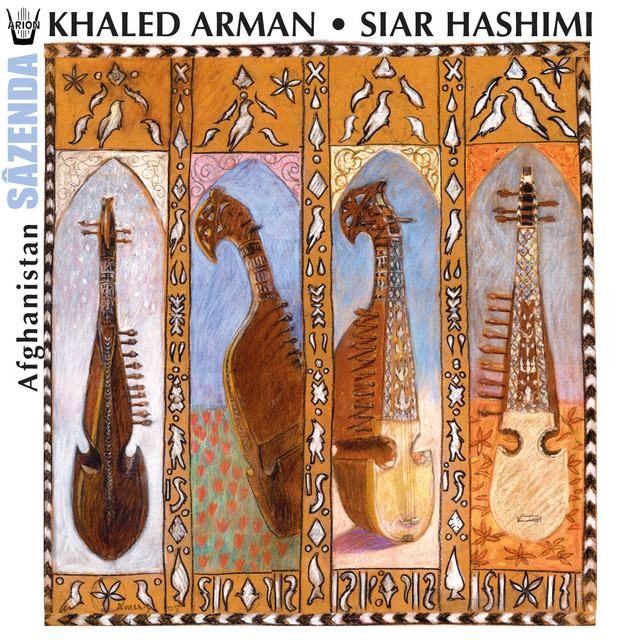
Sâzenda
Khaled Arman & Siar Hashimi
Klasik
Similar artists
2
/5
Teame Weledemichael
Ethio-Jazz
Traditional Music
2
/5
Hamelmal Abate
Oromo Pop
Ethio-Jazz
Traditional Music
2
/5
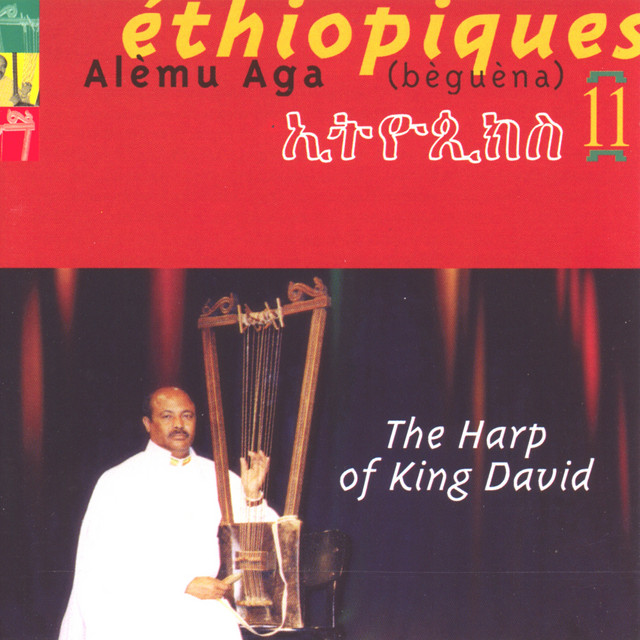
Alemu Aga
Ethio-Jazz
Traditional Music
Ethiopian Church Music
1
/5
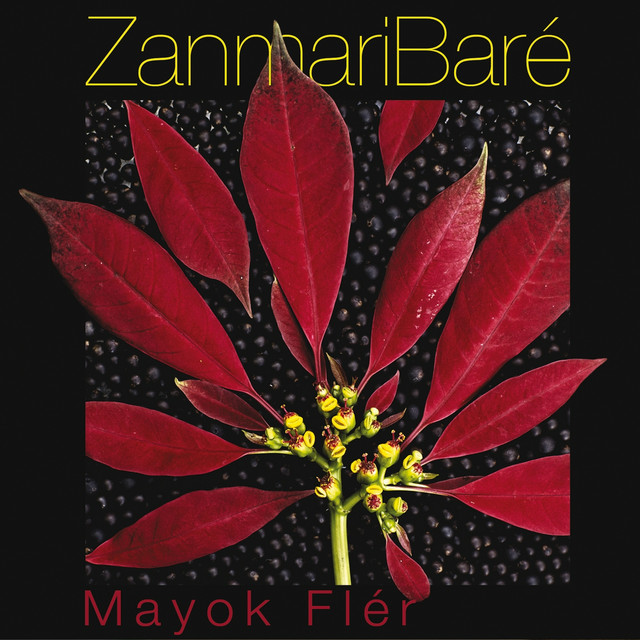
Zanmari Baré
Ethio-Jazz
Traditional Music
Traditional Maloya
1
/5
Chalachew Ashenafi
Ethio-Jazz
Traditional Music
1
/5
Maritu Legesse
Ethio-Jazz
Traditional Music
1
/5
Rahel Yohannes
Ethio-Jazz
Traditional Music
1
/5
Soliman Gamil
Ancient Egyptian Music
Ancient Music
Egyptian Music
1
/5
Aswan Troupe for Folkloric Arts
Ethio-Jazz
Traditional Folk
Traditional Music
1
/5
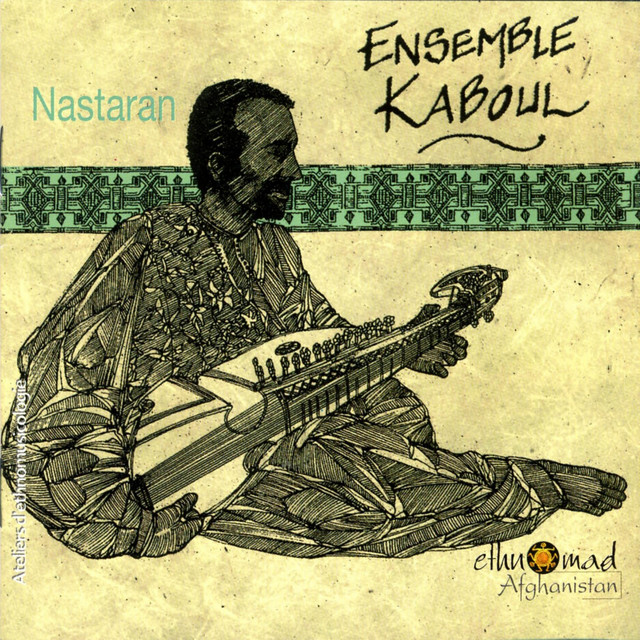
Ensemble Kaboul
Medieval
Traditional Music
Klasik
Download our mobile app
Get the Melodigging app and start digging for new genres on the go
Download on the App Store
Get it on Google Play
© 2026 Melodigging
Give feedback
Legal
Melodding was created as a tribute to
Every Noise at Once
, which inspired us to help curious minds keep digging into music's ever-evolving genres.